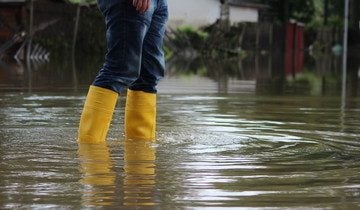
Survival Gear is the most unused product until a natural disaster happens, then it’s the most desired products, but usually too late to help those that really need the help.

We sell around the World, and pride ourselves on offering a level of customer service that we would want to see ourselves if we were shopping online.
Our product ranges change regularly, so we hope that you come back to our sites to see some of the fantastic offers that we regularly have.

Get In Touch

Tooting Our Own Horn

Written by Wild Bill on The Prepper Journal.

Seriously, if we don’t then who will?

We have been making changes and we need to brag about some of them.

The Archive

Admittedly it was left as a secondary task but NOW has been not only updated to contain over 1,300 articles, but will be updated on a monthly basis to add the proceeding months posts going forward. This thanks to the efforts of one amazing IT guy.

The intended purpose of the Archive is to give followers the collective wisdom of the many writers who have contributed to The Prepper Journal over the years. Experts on survival, weapons, foods from seeds to stored supplies, gardening under almost every possible condition, and of course the re-purposing of so many things others consider landfill.

Variety

Yes, the spice of life as The Prepper Journal contains a variety of articles across the spectrum of Prepping topics and presents varying viewpoints and prospectuses from experts throughout the field. More everyones opportunity to educate and share than one mans blog. And on subjects others may not tackle. We keep the content relevant, fresh and never repetitive.

And Yes, we do Sell Survival Gear

And a wide variety at prices that compete with anyone. The “store”, a recent addition, is specifically for our followers to find survival gear that is tried and tested, offered at reasonable prices.

So give us another look, check out the new links added to the Resources page, and stay prepared for what life throws at you.

Be Safe out there and be sure to check out The Prepper Journal Store and follow The Prepper Journal on Facebook!

The post Tooting Our Own Horn appeared first on The Prepper Journal.

As Prominent Republicans Betray Trump, The Media Urges Americans To Get Ready For “President Mike Pence”

Impeachment mania is reaching a fever pitch in Washington, and as I reported a couple of days ago, the Democrats are hoping to have articles of impeachment ready for a House vote around Thanksgiving.  But in order to impeach the president of the United States, you need to have an impeachable offense first, and even if everything that is being alleged is 100 percent true there is simply no impeachable offense in this case.  In recent days there has been a lot of talk about “the integrity of our elections” and Donald Trump has been accused of “betraying his oath of office”, but top Democrats never seem to publicly bring up any specific law that Trump has violated.  The U.S. Constitution sets a high standard for impeaching the president, and unless that standard is met, impeachment proceedings should not go forward.  Some progressive writers have attempted to suggest that Trump is guilty of bribery, extortion, obstruction of justice or a campaign finance violation, but none of those crimes comes anywhere close to fitting the facts of this case.  Democrats may have been offended by what Trump said during his call with the president of Ukraine, but being offended is not enough to impeach someone.

Just as Trump is commander in chief of the U.S. military, so also is he the top law enforcement official in the land.  And as the top law enforcement official, it is entirely appropriate for him to go after corruption wherever it is found.

Joe Biden and his son were clearly involved in some very shady things in Ukraine, and there is nothing wrong with Trump encouraging the president of Ukraine to look into those things.

Considering the current political climate in Washington, it may not have been the most advisable thing to do, but Trump certainly did not break any law.

And if the Republican Party was 100 percent united behind Trump, this entire saga would go away very quickly.  Once Democrats realized that there was zero chance of a successful vote in the Senate, the momentum toward impeachment would completely fizzle out.

But that isn’t happening.  In fact, a Republican member of the House just announced that he is publicly supporting the impeachment inquiry

Rep. Mark Amodei supports the House’s inquiry into whether President Donald Trump should be impeached, but is withholding judgment on whether Trump has crossed the legal line.

“Let’s put it through the process and see what happens,” Amodei, the only Republican in the state’s congressional delegation, said on a call Friday with reporters, adding that he believes Congress is justified to look into the matter.

“I’m a big fan of oversight, so let’s let the committees get to work and see where it goes,” he added.

And this comes on the heels of two Republican governors coming out in favor of it as well

Two Republican governors recently announced they are in favor of the impeachment inquiry into President Trump, which makes them the very first members of the Republican Party to publicly voice support for the investigation.

Vermont Governor Phil Scott was the first GOP chief executive to throw his support behind the impeachment proceedings, saying he is not surprised by the president’s alleged actions. However, Scott warned Democrats to stay focused on the facts. He emphasized that the inquiry needs to be objective and should not be based on political motivations surrounding the upcoming election.
Report Ad

Massachusetts Governor Charlie Baker said that he also supports a congressional investigation into President Trump.

In addition, Republican presidential candidate William Weld is making headlines all over the world by suggesting that President Trump deserves the death penalty

The former Massachusetts Governor said that President Donald Trump’s ‘acts of treason’ in allegedly pressuring Ukrainian President Volodymyr Zelenskyy to investigate former Vice President Joe Biden deserved the death penalty.

During an interview on MSNBC’S Morning Joe, he claimed: ‘Talk about pressuring a foreign country to interfere with and control a U.S. election, it couldn’t be clearer.

‘And that’s not just undermining Democratic institutions, that is treason. It’s treason pure and simple and the penalty for treason under the U.S. code is death.’

Is he serious?

Personally, I don’t think that Weld even understands the definition of “treason”, and he should be completely and utterly ashamed of himself for suggesting such a thing.

In the end, what is really going to matter is what Republicans in the Senate think.  If there is a vote on articles of impeachment on the House floor, Nancy Pelosi is going to make sure that vote is successful.  Then this matter will go to the Senate, and it will take 67 votes to remove Trump from office.

Of course Democrats only have 47 seats in the Senate, and so you would think that this should be an insurmountable obstacle.

But the truth is that there are a lot of establishment Republicans in the Senate that do not like Trump at all, and it is being suggested that many of them may be willing to vote against Trump

Former Republican Senator Jeff Flake said that he thinks at least 35 Republican senators would vote for President Donald Trump to be removed from office if they could vote in private.

Speaking at the 2019 Texas Tribune Festival Thursday, Flake was responding to comments made by Republican political consultant Mike Murphy on MSNBC who said that if there was a secret vote, at least 30 GOP Senators would back impeachment.

“That’s not true. There would be at least 35,” Flake said.

I warned that we could be facing this sort of scenario if we didn’t send the right people to Washington, and now Donald Trump’s fate could end up in the hands of a group of RINOs that do not feel any sense of loyalty to Trump at all.

And at this point the mainstream media smells blood and they are salivating over the prospect that Donald Trump could soon be removed from the White House.  In fact, B.J. Rudell is suggesting that it is time for Republicans “to rally around President Mike Pence”…

Republicans might still determine that abandoning Trump — and likely the presidency — is their best hope for preserving some power in Washington. But the longer they wait, the more politically damaging the breakup will be. End it now and there’s still time to rally around President Mike Pence and perhaps broaden the party’s appeal with the selection of a new vice president.

But the only way that Donald Trump is going to be removed from office is if he is voted out by the Republican-controlled Senate.

And if the Republican-controlled Senate actually did that, it would fracture the Republican Party beyond repair.

The Trump faction would be at war with the establishment faction, and it might even result in a split into two separate political parties.

Meanwhile, the Democrats would be laughing the entire time, and they would sweep the 2020 elections in a landslide of epic proportions.

So if the Republican Party wants any sort of a future at all, the Republicans in the Senate must stay united behind Trump.

Sadly, the truth is that more evidence continues to come out that indicates that this entire thing is a setup.  The Federalist’s Sean Davis has just pointed out that someone quietly altered the intelligence community whistleblower complaint form to allow submissions by individuals with no first-hand knowledge of the underlying evidence…

Between May 2018 and August 2019, the intelligence community secretly eliminated a requirement that whistleblowers provide direct, first-hand knowledge of alleged wrongdoings. This raises questions about the intelligence community’s behavior regarding the August submission of a whistleblower complaint against President Donald Trump. The new complaint document no longer requires potential whistleblowers who wish to have their concerns expedited to Congress to have direct, first-hand knowledge of the alleged wrongdoing that they are reporting.

The brand new version of the whistleblower complaint form, which was not made public until after the transcript of Trump’s July 25 phone call with the Ukrainian president Volodymyr Zelensky and the complaint addressed to Congress were made public, eliminates the first-hand knowledge requirement and allows employees to file whistleblower complaints even if they have zero direct knowledge of underlying evidence and only “heard about [wrongdoing] from others.”

If that document had not been altered, the anonymous whistleblower would have never been able to submit his complaint in the first place.

And as I have already discussed, even if every single thing that is being alleged is true, there is simply no impeachable offense here.

But lawlessness is running rampant in Washington at this point, and it appears that a well-orchestrated plot to take Trump down in unfolding right in front of our eyes.

About the author: Michael Snyder is a nationally-syndicated writer, media personality and political activist. He is the author of four books including Get Prepared Now, The Beginning Of The End and Living A Life That Really Matters. His articles are originally published on The Economic Collapse Blog, End Of The American Dream and The Most Important News. From there, his articles are republished on dozens of other prominent websites. If you would like to republish his articles, please feel free to do so. The more people that see this information the better, and we need to wake more people up while there is still time. Of course the most important thing that we can share with people is the gospel of Jesus Christ, and if you would like to learn more about how you can become a Christian I would encourage you to read this article.

The post As Prominent Republicans Betray Trump, The Media Urges Americans To Get Ready For “President Mike Pence” appeared first on The Economic Collapse.

Flooding Preparedness Tips

Flooding can cause massive damage to your home and property, and there isn’t a whole that can be done to mitigate those costs if you haven’t prepared.  If you live in a flood-prone region, it’s crucial to make a plan now to protect your family and pets in case bad weather strikes.

MAKE A PLAN

Come up with some kind of plan in the event of a flood. If your home is in danger from being flooded, make sure you know what you will do with your pets and how your family will get out safely.  Evaluate the area around your home and choose routes accordingly. Make sure you avoid standing water if at all possible, as the risks of disease from pathogens and toxins are of huge concern.

As a part of your plan, you will want to move furniture, valuables, and important documents to a safe place. Copies of critical documents like birth certificates or insurance policies should be stored in a waterproof safety box and this should be done before evacuation, and ONLY if you have time.

Make sure you take into consideration your personal situation (ages and abilities of family members), geographic location, and budget before making your plan. All of those differences can play into how you choose to keep your family safe.

BUG OUT BAG

It’s crucial that you have a bag in which you can grab in a hurry on your way out of the house. This kit should include (at the very bare minimum) three days’ worth of water (one gallon per person per day) and food, along with flashlights, medications, copies of personal documents, cellphone chargers, and a first aid kit.  If you want to avoid a public shelter, consider having a tent and some sleeping bags so you can camp out away from others.

Because a lot of water is difficult to carry especially for those with larger families, a Life Straw could be worth its weight in gold. If you have to leave quickly and use Mother Nature’s water sources, a Life Straw will make sure the water is completely filtered.

PROTECT YOUR HOME

After your emergency plan is established or as part of it, you can do a few things to protect your home and reduce the cost of damages. If you have a fuel tank in your basement, be sure to anchor it. An unanchored fuel tank can cause serious damage, such as tearing the supply line and spilling oil. If you live in an area in which a flood is likely, consider waterproofing your basement. This typically requires a large sum of money, so keep that in mind.

FLOOD INSURANCE

If you live in an area that is likely to be flooded, you probably already have flood insurance, but if you don’t, consider buying it if your budget will allow. Regular homeowner’s insuranceDOES NOT cover flood damage costs. Talk to your insurance company and find out what could work for you.

Following even a few of these steps can help you reduce your financial burden and keep your family safe in the event of a flood.


Forging Real Beaver Traps for Trapper Reenactors

blacksmith, forge, beaver traps, outside
blacksmith, forge, beaver traps
blacksmith, forge, tools

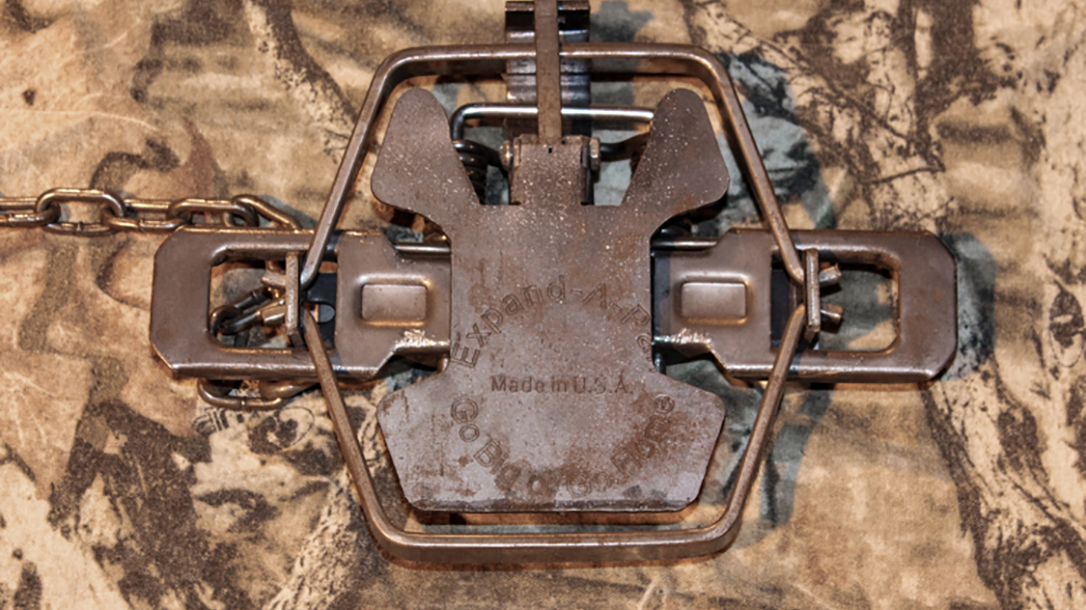
In the true spirit of the American frontiersman, blacksmiths Donald Hanson and Andy Morris from Colorado Springs manufacture authentic, functional beaver traps like those used by trappers during the 1830s. And they do so by using the same basic equipment and tools trap-makers of that era would have. The 5-pound, period-correct traps that they make are modeled after one of the devices that were used on the Hoback River near Jackson, Wyoming. The original traps of that design are on display at the Museum of the Fur Trade in Chadron, Nebraska.

Crank Up The Forge

The pair of veteran blacksmiths, who have known each other for 20 to 30 years, have worked on a number of projects together over the years. These include branding irons, knives out of chainsaw chains and metal gates, to name a few. They got into the trap-making business when someone showed up at their shop asking for help. A participant in historical muzzleloader reenactments needed a trap with broken springs repaired.

Andy had gotten into blacksmithing as a part of historical reenactments, and Don was also interested in the role blacksmiths played in frontier days. So, the trap-repair request was right in their wheelhouse. They took the project on as a new challenge.

“He left the trap with us for a number of months to see what we could do with it,” they commented. “Forging the steel for the traps was fun. We knew we could do that. The challenge was hardening and tempering the springs so they would work properly.”

Beaver Traps Research

What followed were months of research and trial and error. They used historical trapping expert Allen Harrison from Oklahoma as a resource. Also they referred frequently to a book titled The Steel Trap in North America by Richard Gerstell, another historical trapping expert. They even visited mountain man encampments to see their traps and talk to those who owned them.

They discovered that the springs were truly the weak link of historical traps. Springs frequently broke like they did on the one that was brought to them. That’s why pioneering trappers usually brought extra springs with them when they were checking their lines.

Traps were designed with a pair of removable bolts that held springs in place so the springs could be removed and replaced as needed. The cost of these springs normally amounted to one-third to one-half the price tag of the traps, reflecting how valuable those parts were to the finished product.

“We were meticulous to make sure we got things right,” they said. “We’re determined not to buy manufactured springs. Also we made them ourselves, and it took us months, working at it part-time, to get it right. We weren’t interested in seeing how quickly we could do this. We wanted the traps we made to be authentic reproductions.”

The Right Temper

“It was a challenge for us to get the hardening and tempering right. When you forge steel, if you just harden it, it’s going to break. The springs had to be tempered properly to get the best results. Tempering lets heat go back in the steel so it’s not so brittle. If steel is tempered too long, the springs will be spongy, enabling an animal to pull its leg or foot out of a trap.”

The blacksmiths also feel that the cold water temperatures of beaver ponds and rivers had to affect the effectiveness of springs on historical traps. After days of being set in cold water, they believe that springs would weaken and close slower, increasing the chances of missing an animal that sprung the trap. This is another reason that frontiersmen may have changed springs on their traps before resetting them. Fresh springs would increase their chances of catching the critters they were after.

Don and Andy make all of the trap parts from standard steel that they purchase in 20-foot lengths. They buy 0.5-by-05.-inch solid bar and 0.25-by-1-inch flat stock to work from. That stock is then cut to size and length for the various parts with a band saw.

The band saw is the only piece of equipment Hanson and Morris use that would not have been available to frontier blacksmiths. Don said frontier blacksmiths would have used a hacksaw or chisel to cut steel into desired sizes to work with. Standard stock steel would have been available from England to blacksmiths in the 1830s.

“What a blacksmith generally does is take a piece of metal and change its shape into what you want,” Don explained. “You don’t take anything away from that piece of metal or add anything to it.”

Tools Of The Trade

To shape metal, you need fire produced in a forge to heat and soften the metal. Don and Andy have two forges: one fired by coal and another that burns propane gas. They used the coal-fired forge for much of the trap making.

You then need a heavy metal anvil to place the small pieces of metal on so they can be hammered into shape. Anvils vary in size, with some being as small as 25 pounds, but Don uses one that weighs a little over 200 pounds, made by Peter Wright in England. Blacksmith hammers come in various sizes, too, but Don uses one that weighs a pound and a half for making traps.

Tongs are used to grip pieces of steel for putting them in and taking them out of the forge as well as while they are being hammered into shape. “There’s hundreds of tongs,” Hanson said. “The tongs are shaped to grip steel based on the shape of the steel. We make a lot of them ourselves.”

The pair also make many of the punches they use. Punches are used to make square holes in metal, and drills are employed for round holes. The blacksmiths also make different jigs to help them shape the metal for various trap parts, so each part will be consistently shaped.

“A jig is a device to place metal in and bend it so it conforms to the shape of the jig,” Don said. “We use a jig to make the trap jaws, for example. We lay the metal for the jaw in the jig and get the same bend each time.”

Smooth Progress

When making beaver traps, the pair split up the workload to make the process go as smoothly as possible. Don normally starts making the posts, dogs, pans and crosses while Andy does the springs and jaws. They also make the nuts and bolts necessary to hold the springs in place. They use taps to put threads on the inside of nuts and dies to put threads on the outside of bolts.

Annealing, or heat-treating, the steel is an important part of the process. The steel is heated to soften it so the metal can be bent until it is in the proper shape. After the parts are properly shaped, they are slowly cooled to re-harden them.

The jaws are riveted together as part of assembly. Don and Andy hand-test springs before assembly and match the springs in pairs from the weakest to the strongest. Chains are also added to the traps. The chains are welded using the forge. Borax is used as flux during the welding process.

“We can make traps any size, but most of our traps have a jaw spread from 7.5 to 9 inches,” the blacksmiths said. “The traps weigh 5 pounds, and the chains weigh 2 pounds. Trappers in those days relied on the weight of the trap and chain to drown beavers that they caught. Most trappers carried six traps with them.”

Labor Of Love

“There’s a limited market for the traps we make,” they said. “In the state of Colorado, you can’t use a trap like this. Trappers are limited to body-gripping traps that kill instantly in this state. Even though our traps are 100-percent functional, we aren’t making them for trappers where these types of traps are legal to use. Our market is the reenactment folks.”

Anyone who is interested in authentic, period-accurate traps from the 1830s can contact Don and Andy at forgedtraps@gmail.com.

For the most recent copy of Survivor’s Edge or American Frontiersman or to subscribe, go to OutdoorGroupStore.com.

Myths And Realities Of Shotguns As Weapons For Home Defense

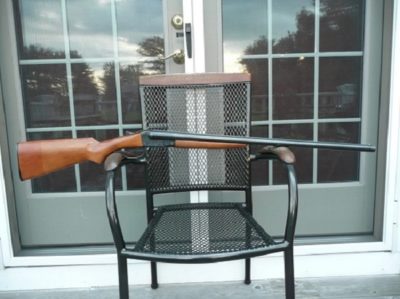
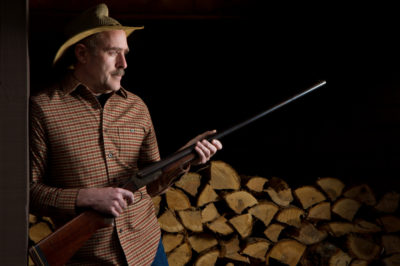
Shotguns Weapons For Home Defense Image source: Brentblogs.com

Shotguns: Weapons For Home Defense

Shotguns are one of the most popular weapons for home defense, but they’re also one of the most misunderstood. Let’s look at a few myths and realities of them:


Myths

1. The Pump Action Will Always Drive People Away.

When an intruder hears the classic sound of the pump action, they will likely recognize it and possibly think twice. But that doesn’t mean that they will turn and run away. If an intruder is desperate enough, it’s very unlikely that the sound of a pump action will do much to deter them. They, too, likely are armed. The only thing that might make them flee is when they’re staring down the business end of a shotgun.


2. It’s Impossible to Miss.

Point and shoot, and you’ll hit anything in front of your shotgun’s barrel, right? Wrong. It is one of the biggest myths that exists about shotguns — and primarily only subsists in some people’s minds because of what they see in the movies. You still have to aim when you shoot a shotgun, especially when things are up close and personal. The closer the target, the smaller the pattern will be.


3. A 20 Gauge Is Not Powerful Enough.

When shotguns come to mind, people typically think of 12 gauges. To this end, they figure that a 20-gauge shotgun, another common shotgun round, is too underpowered. This is simply not true.

While it is absolutely correct that a 12 gauge is more powerful than a 20 gauge, a 20 gauge still has a lot of power to it (roughly equal to two .44 Magnums at the same time).


4. It Only Takes One Shot to End the Fight.

shotgun for home defenseSometimes, yes. But it’s never guaranteed that an intruder is going to be stopped dead in their tracks with a single slug or buckshot in their gut. If an attacker is high on drugs, there’s a significantly higher chance that you’ll have to rack in another round and fire again. Take note: Use a semi-auto or pump-action shotgun rather than a single or double barrel.


Realities

1. Shotguns Are Excellent Weapons For Home Defense.

One could make an effective case that a 12-gauge shotgun loaded with buckshot rounds is the most effective weapon for home defense currently available to the average American. While you have to be careful not to be susceptible to the myths we have just discussed, it’s hard to argue against the lethality of a 12 gauge in a close-quarters defensive situation.


2. The 20 Gauge Is a Better Choice for Smaller-Statured People.

If you can shoot a 12 gauge comfortably, then by all means use a 12 gauge. But if the recoil of that 12 gives you too much of a kick to your shoulder, then there’s no shame in admitting so.  Women and people who are small in stature will often turn to the 20 gauge as an alternative.  While the 20 gauge isn’t quite as powerful as the more classic 12, it still delivers a lot of knockdown power and offers less recoil. The only thing to watch out for is the weight of the shotgun; a 20-gauge shotgun with half of the weight of a 12 gauge might have more recoil.


3. Buckshot Is More Effective Than Birdshot.

Contrary to what many people believe, birdshot can and will travel through your walls. But penetration aside, buckshot will almost always be more effective than birdshot in a defensive situation. A handful of pellets will do more damage to human flesh than hundreds of significantly smaller ones.

All in all, shotguns are excellent weapons for home defense and may mean the difference between life and death if you ever find yourself in such a scenario.

What would you add to this list? Share your tips in the section below:

Is Your Shotgun Suitable For Home Defense? Read More Here.

The post Myths And Realities Of Shotguns As Weapons For Home Defense appeared first on Off The Grid News.

Everything You’ve Heard About Stockpiling Ammo Is Wrong

Ammo

Are you stockpiling ammo?

Amongst all the critical supplies that survivalists stockpile, there is nothing more controversial than ammunition.

When it comes to food and water, you never hear someone saying, “That’s too much.” But you can hear that with ammo. You can also hear a lot of people spouting off about how you need 10,000 rounds, without a whole lot of justification for it.

Part of the problem, as with everything else in preparing for an uncertain future, is that none of us really know what we need. We’re trying to define how much inventory to invest in, without really thinking it through and determining how we’ll use it. In order to fully understand how much ammo we need, we also need to develop a plan for how we will use our firearms.

Of course, there are many preppers who have made a life out of collecting firearms, too. While I can fully understand the fascination with guns and the desire to have lots of them, I can’t really say that buying the largest gun safe you can find and filling it up with guns is really a necessity.


How Much Is Enough When Stockpiling Ammo?

So, let’s start out by talking about how many guns is enough. We need to determine that in order to know how much ammo we’ll need for those guns. There are two basic purposes for which you’ll need guns in any disaster situation. They are:
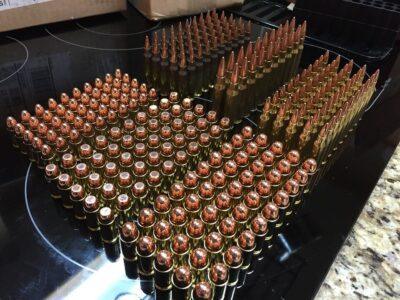
  • Defense
  • Hunting
Everything You’ve Heard About Stockpiling Ammo Is Wrong

Everything You’ve Heard About Stockpiling Ammo Is Wrong

You need to decide what sorts of guns you’re going to have on-hand for each of those purposes. In some cases, you may decide that you can use a gun for both purposes. A great example of this would be an AR-15. You could use that for both defense and hunting. If you have it chambered for .223 and buy a .22 long rifle adapter kit for it (new bolt and magazine), you could even use it for hunting.

Pocket Sized Solar Generator Keeps You Connected When Off Grid

Likewise, a shotgun can be used for both purposes, although you are limited in range with a shotgun. Nevertheless, the actual gun that each member of your party is going to use in a survival situation should be decided. Those are the guns they should practice with and those are the guns you need to concern yourself about stockpiling ammo for.

Each member of your party needs a long gun (rifle or shotgun) and a pistol. As one firearm instructor so aptly put it, “A pistol is what you use to fight with, while you’re making your way to your rifle.” The idea here is that the pistol is always on your person, while you might be forced to put the rifle down, in order to accomplish some tasks.

If each family member is a shooter (and they should be), then you need one long gun and one pistol for each.


Now, on to Ammo

dhs ammo stockpiling

Almost every gun owner has some kind of stockpiled ammo

If you have more guns than those mentioned above, then the amount of ammo that you have for the “extra” guns doesn’t really matter. You’ve already decided which guns you’re going to use, so those guns will only be used if a straggler joins your party or you break or lose one of your primary firearms.

We’re going to look at the two uses of those guns separately, specifically in the sense of determining how much we need when stockpiling ammo and then add them together. Keep in mind that you don’t need hunting ammo for a gun that’s not going to be used for hunting. That would just be extra ammo and an extra expense.


Defensive Ammo

Home defense is where people really go crazy on ammunition purchases. But is that realistic? When infantry soldiers go off to battle, they carry what is known as a “basic combat load.” That’s the amount of ammo that they are expected to use in one day’s fighting. Do you really think you’re going to use more ammo than an infantry soldier?

The basic load of rifle ammunition for an infantry soldier is 210 rounds. That’s seven, 30-round magazines. One is in their rifle and the others are in ammo pouches on their chest rig. For those who carry a pistol (usually rear area troops and upper level officers), they carry three magazines’ worth. You should have ammo for both, as you should be carrying both.

Collect Free Emergency Backup Power From The Sun

Okay, so if we use that as a basis, then how many basic loads of ammo do you need? This is subject to argument, but I seriously doubt that any of us are going to use more than two. If you survive through that much fighting, you’re amazing. Most of us will probably die long before we reach that point.

The other issue here is portability. Ammo is heavy. If you’re “bugging out,” you probably won’t be able to take more than two basic loads with you — one on your person and another in your vehicle. Once again, if you survive through that much fighting, you’re simply amazing.


Hunting Ammo

We could actually end up using more ammo for hunting than we will for defense, in some situations. A lot will depend on your specific survival plans. If you are planning on staying in your home during a crisis, you’re probably not going to use a lot of ammo hunting. But if you are planning on living off the land, in some cabin in the woods, then you may actually go through a lot of ammo. But there are few who fall into that category.

The only way that hunting will be a realistic possibility for most of us is if we live someplace where we have woods within walking distance of our home. Otherwise, without gasoline, we probably won’t be able to go hunting at all.
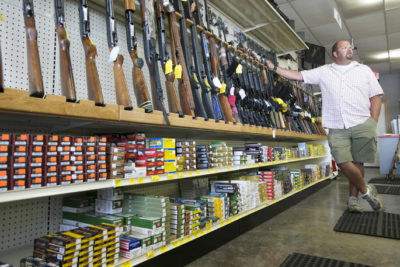
nationwide ammo shortage fights

Everything You’ve Heard About Stockpiling Ammo Is Wrong

Now, the next question is how much ammo do you use hunting? When I go, that’s limited to two or three rounds, maybe only one. Unless I’m bird hunting, when I might actually use as many as six. So, you really don’t need a lot of rounds of ammo for each hunting trip.

Start by figuring out your worst-case scenario for how long you’re expecting to be in survival mode. Based on that, how often will you go hunting? Let’s say two or three times per week. So, if you’re using three rounds of ammo per hunt and hunting three times per week, you’re going to need an absolute maximum of 365 rounds of ammo to survive a year. I bet it will actually be much less than that.


Putting it Together

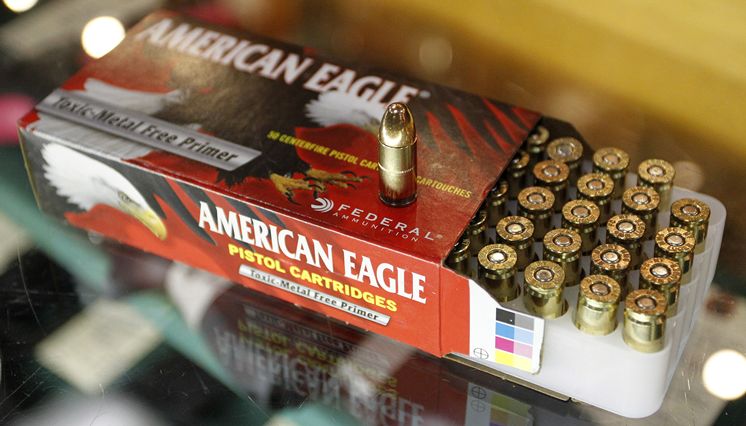
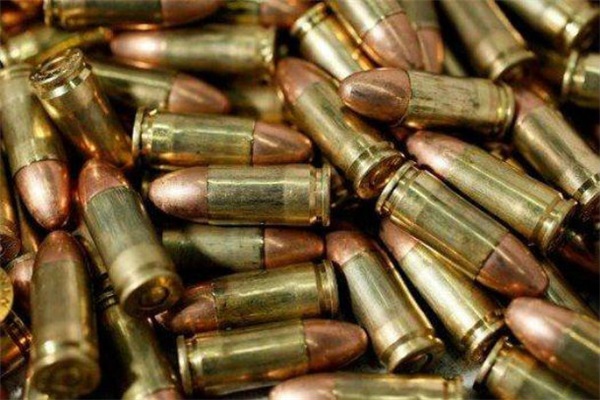
Okay, so let’s put this all together. As an example, let’s say you’ve got an AR-15, which is your primary defense and hunting weapon, and you’re carrying a 9mm Glock as your sidearm. Two basic loads of ammo for your AR-15 is 420 rounds. Plus a year’s worth of hunting at a maximum of 365 rounds. That makes a total of 785 rounds. Then you need 102 rounds of 9mm for the two basic loads to fill the three magazines for your Glock.

For people in your family who are not going to be hunting, you can forget about the ammo for them to hunt. They’ll only need the two basic loads. That’s a whole lot less ammo than you need. For that matter, if you have others who do hunt, then you won’t have to hunt as much, so you’re still looking at only 365 rounds to take care of the year.

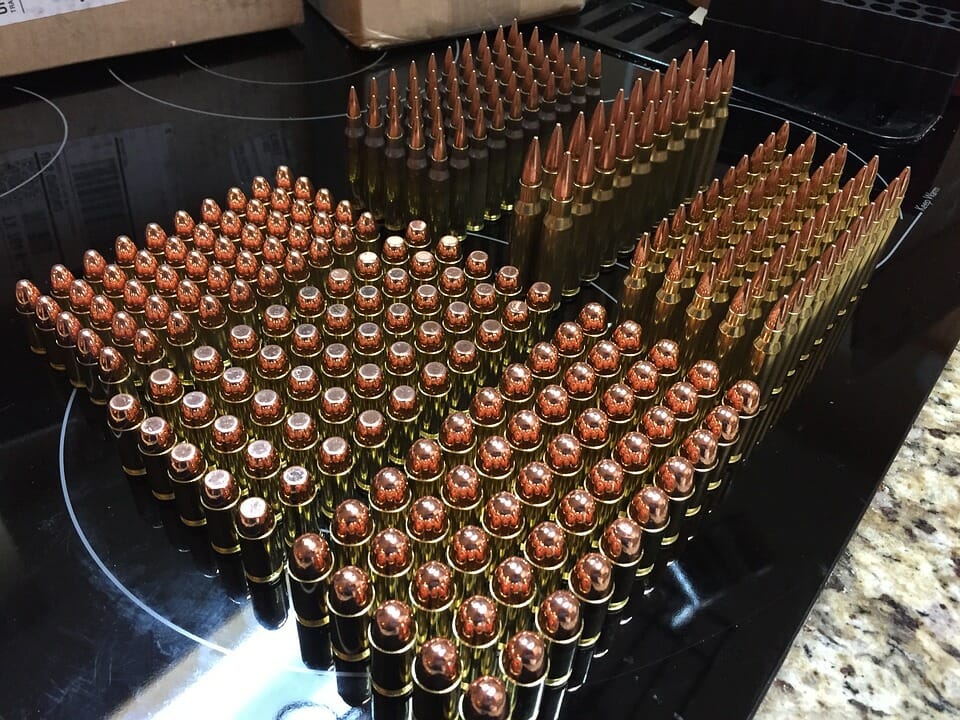
This means that for a family of four, all of whom are shooters, you need 2,453 total rounds of ammunition for rifles and pistols, in order to be ready to survive for a year. That’s a far cry from the 10,000 rounds that a lot of people are saying.

Of course, if having that 10,000 rounds gives you a warm fuzzy feeling, then buy them, assuming you have enough money for that much. But don’t feel like you have to, just because someone set up an arbitrary number and a lot of others have repeated it.

Keep in mind that these figures are only for surviving. They do not include anything for training. That’s another issue entirely. You can go through a lot of ammo learning to shoot. But then, those aren’t rounds that you need to stockpile for survival; those are rounds that you’d better expend before it becomes time to survive, or you’re going to be in a world of hurt.

Do you agree or disagree on stockpiling ammo? How much ammo should you stockpile? Share your thoughts in the section below:


The post Everything You’ve Heard About Stockpiling Ammo Is Wrong appeared first on Off The Grid News.

How To Make A Spear | DIY Survival Spear

Learn how to make a spear with this guide so you can hunt or defend yourself in a survival situation.

RELATED: 20 Essential Homemade Weapons For When SHTF

In this article:

  1. Learning How to Make a Spear Is a Must for Survivalists
  2. How to Make a Spear for Food and Self-Defense

How to Make a Spear for Self-Defense and Survival

Learning How to Make a Spear Is a Must for Survivalists

Whether you’re in an authentic survival scenario or just up at the lake for a weekend camping trip, you’ve got to eat. But what if your food supplies are running low, or worse, you never had any, to begin with?

That’s when knowing how to make a spear comes in handy. Here, we’re going to show you how to make a hunting spear from wood.

We’ll also offer some basic fire-hardening techniques to prolong the life of your spear. Stick around to the end to learn the most effective way to make this multifunctional, primitive hunting tool.

Along the way, we’ll pass on some important safety warnings and tips. Before you get started, here are a few things you’ll need:

1. Spear Pole

|

We recommend a small, green sapling approximately 2 – 2.5 inches in diameter, and a few inches taller than you are. (We’ll tell you why later.)

Tip: When choosing a tree for your spear pole, choose as straight a sapling as possible. We recommend hardwoods such as hickory, oak or maple.

2. Sturdy Baton Stick

|

Hardwood works best as a baton. This is essentially an improvised hammer and will serve to help provide an effective downward force to split your spear into segments without breaking it.

These can easily be found on the forest floor or you could even use a leftover piece of your sapling if it’s thick enough. Make sure it is not rotten, as a rotten log will simply fall apart.

You can easily tell if the baton is rotten with a few quick, solid thumps against a tree stump. If it doesn’t shatter, you should be good to go!

3. Strong Cordage (2-3 feet)

|

Paracord is my cordage of choice due to its strength, durability, and resistance to rot in damp conditions, but any cordage can work in a pinch (Even your shoelaces)!

Tip: You can never have enough cordage in a survival situation… you might just be surprised at how many different uses you can find for it! 

This tactical fish survival kit has 9′ of genuine paracord, perfect for your spear making.

4. Folding Saw

|

A strong serrated knife will work… but having a pocket folding saw will save you a ton of time, work and hassle! Another secondary option would be a pocket chainsaw or even a wire saw.

In my opinion, however, no good survival or camping kit is complete without a folding pocket saw. Here’s a good one to grab.

5. A Good, Full Tang Fixed Blade Knife

|

When it comes to splitting or batoning wood, a folding knife just won’t cut it! It’s dangerous to try and will absolutely ruin your knife.

Do yourself a favor and, before you ever head out, get your hands on a solid, full tang fixed blade knife… you won’t regret it.

Check out my favorite knife, it’s the #1 tactical folding knife in the world.

RELATED: 14 Homemade Weapons That Are REALLY Badass [2nd Edition] | Survival Life

How to Make a Spear for Food and Self-Defense

|

Step 1. Prepare Your Pole

Once you’ve cut your pole, saw off the fat end to make the surface flat and even. Take your cordage and wrap the pole about 10 inches below the working end.

This will help keep the pole from splitting out once you begin the batoning process.

WARNING: Make sure your spear stands at least as tall as you do. This will help ensure the sharpened points of your spear are above eye level, just in case you take a fall while out on the hunt.

Step 2. Split and Sharpen the Working End of Your Spear

Once you’ve wrapped the working end of the spear with cordage, butt the opposing end up against a tree or stump to help stabilize it. Slowly baton 8-10 inches straight down.

Turn your knife perpendicular to the first split and repeat the batoning process.

Next, find a couple of three-inch sticks about the diameter of a pencil and slide them firmly in place between the splits to keep the spear points expanded. With your knife, sharpen each of the four points.

Step 3. Harden the Spear’s Points with Fire

Once the points are sharp, remove the cordage and place the sharpened points below the coals of a fire for 10-15 minutes. This speed dries or “fire-hardens” the wood.

Tip: Be mindful of your spear during this process; check it often to make sure it’s only drying and not burning.

Side Note: An alternative drying technique is to hold the spear just above the flames of your fire like a marshmallow so the flames lick the points of the spear.

While this technique may take longer, it’s easier to keep an eye on the spear points to make sure they aren’t burning.

Step 4. Reinforce the Spear

Once the spear is removed from the fire and allowed to cool, latch the three-inch wooden pegs in place to reinforce the spear during impact. Align your cordage vertically against the shaft of the spear and create a loop.

Next, wrap cordage around the shaft while alternating over and under the wooden pegs.

Step 5. Finishing Touches

After two or three times around, slip the working end of your cordage through the loop you created earlier, and give a stout tug on the other end. When done correctly, this will tighten the pegs up nicely and leave you with a durable, four-prong spear point.

You can also opt to sharpen the other end of the spear into a single, fire-hardened point for self-defense against potential predators.

Watch this video from AVmake for an alternative which is how to make a spear for fishing out of bamboo:

There you have it, survivalists! A sturdy spear good for self-defense and harvesting small game and fish. Your DIY survival spear will work great to take down small game and fish, but when it comes to larger game you’ll need a more heavy-duty weapon.

What do you think of our tutorial on how to make a wooden spear? Sound off in the comments section below!

Up Next:

Check out How To Make A Spear | DIY Survival Spear at https://survivallife.com/how-to-make-a-spear/

Follow us on FacebookInstagramTwitterPinterest, and Tumblr!

**Disclaimer: All content on this site is for informational purposes only. Please read our full disclaimer here**

Editor’s Note: This post was originally published on March 31, 2016, and has been updated for quality and relevancy.

Prepare for Disaster with a Portable Generator

Written by Wild Bill on The Prepper Journal.

Living or working in a disaster-prone area always requires that you be prepared for the worst. When a natural disaster strikes, you might not have the time to take the right recuperative measures if you were ill prepared. It is vital that you have an electric portable generator in standby just to be on the safe side.

If you live in such an area, it could mean having to survive some uncomfortable situations like enduring darkness for days, eating canned foods and having a lot more store in your fridge or freezer going bad due to lack of power.

 If you are experiencing floods, you will have your basement filling up with water since your sump pump stops working and have mold growing in your house.

In a business premise, you risk losing a lot of your products especially if you deal with perishable goods. Finding an emergency generator to rent for the period that you stay without power can be very challenging since they are in high demand at that time.

Statistics show that the demand for these generators rises rapidly during natural disasters such as hurricanes, floods, ice storms, and others and that businesses with emergency power kits record minimal losses. Here is what you need to ensure when setting up an emergency power tool kit.

Know Your Power Needs

Before you buy your emergency generator, check the maximum amount of power needed in your building and compare that to the generator that you wish to buy. You can check the power rating of your building on the nameplate of the main electrical panel.

Take some time to determine the probable load of your house or building. You can connect an ammeter to the various electrical panels when power is being used at its peak. Do this for about two weeks to determine the amount of power that your generator will have to provide during the disaster period. You can also check your monthly utility bills over several months and get an average to find the approximate load.

Knowing your power needs will guide you to the size of the generator you need at your home or at your business premises.

Placement and Security

When you finally settle on one particular generator, you will need to find a suitable place in your building to place it. The generator, whether it is at home or in business premises, should be at a location where you can easily access it.

 It should be near the building’s electrical panel so that you use a little amount of electrical cable and reduce the cost of installation.

The generator’s location should be away from traffic for safety issues and in a dry area. If you can, have the generator completely away from public access.

Finally, ensure that only certified electricians connect your generator to the electrical panel. If you are not a qualified electrician, never try to connect it yourself. Never handle your generator with wet hands or in a wet environment.

Fueling:

When using your emergency generator, you will need to fuel it. During the disaster period, you may need to use a lot of fuel to keep it running for the period you will be without power.

We recommend that you go for one with a large fuel tank that you do not have to keep refueling. Know how much fuel per hour the generator you want to buy burns when at both full and half loads. This data will give you an estimate of the amount of fuel you need to have and at what intervals.

It would be counterproductive to run out of power in the middle of the night while using a generator yet it is that very situation that you got a generator for.

Avoid such scenarios by calculating properly the amount of fuel that your generator will burn up at a go, and have some reserve fuel within reach to refuel if need be especially during odd night hours. As a safety measure, you should not store gasoline and diesel for an extended period of times as will then need some chemicals to use them safely which will add up to your cost. 

Inspect and Maintain Your Generator

Now when you have your generator, you need to ensure that it is always in a top-notch condition. You never know when disaster will strike and you need to use it again. Even then, there will be instances at one time or another when there is a power outage in normal days.

These come as a blessing in a way since they remind you to once in a while run your generator to keep it in a good condition. You might also want to have annual maintenance, especially when expecting a harsh weather season. Always ensure that you use clean fuel.

Be Safe out there and be sure to check out The Prepper Journal Store and follow The Prepper Journal on Facebook!

The post Prepare for Disaster with a Portable Generator appeared first on The Prepper Journal.

Child Self-Defense: Keeping Them Safe When You’re Not Around

Teaching children self-defense

Children self-defense

Every day we make decisions to protect our children. We decide what they eat, where they go to school, and even influence who their friends are. We see that they get to the doctors when they are sick or injured and we teach them what’s right and wrong.

But have we taught them what to do when we are not there? There are plenty of situations where our children need to make wise decisions and should they ever be followed or attacked by someone, they need to know how to respond. While we do everything we can to protect our children, we haven’t done our job if we haven’t taught them to protect themselves. That is why teaching basic self-defense concepts is important.


Avoidance is the Best Approach

One of the best approaches to dangerous situations is to avoid them altogether. While this may be common sense to us as parents, children don’t have the ability to evaluate risks to the same extent as we do. Therefore, we need to teach them basic principals to evaluating risk as well as what to do once danger is established.

Awaken Your Child’s Love of Learning, History And Adventure!

If your child starts to feel uncomfortable in any given situation, they should feel free to leave and go somewhere where they feel more comfortable. If they are walking on a road, running on the track, getting into an elevator or in any other situation where they are alone and begin to feel uncomfortable, they should leave and go where there are people. This is not about instilling fear in your child, but teaching them to use their common sense and intuition to wisely lower the risk they place themselves in. Situations with an attacker can quickly escalate, so avoiding them altogether is a far better option.


Situations Your Child Should Avoid

  • Well-lit, highly frequented, open areas are often one of the safer places to hang out. If you ride on a bus, sit up front near the bus driver and stay awake.
  • Isolated places, especially at night, should be avoided and only traveled through in a group of people you trust.
  • Communication is very important. Parents and siblings should know your daily schedule. If you plan to go out at another time, inform someone of where you are going, who you’ll be with and when you plan to be back. While this may feel a little restrictive, nothing will get you help faster than your parents if you fail to show up home at the agreed upon time.
  • Attackers are looking for the easiest target and will look for timid, fearful people first. Walk with confidence and respond with authority if you are confronted. Yelling words like “Go away,” “Police,” and “Help” can discourage an attacker quickly. Walking with your dog can also encourage an assailant to look elsewhere. While some dogs are more intimidating than others, even a barking five pound dog can discourage a would-be assailant.


Personal Control Helps Diffuse

When it comes to bullying situations, teaching your child personal emotional and physical control can help de-escalate the situation. A combative person may give up if you calmly agree with what they say. Rather than adding fuel to the fire, maintaining control over your emotions can go a long way toward calming someone else down. After the situation has passed, the child can then approach the  authorities and parents to deal with the bully and ensure that the situation doesn’t occur again.

(Note to parents: If your child complains of a bully, please take them seriously. Many parents and teachers brush complaints off, but children can face a lot of emotional and even physical abuse from bullies. This is not a time to teach your child to “toughen” up, but rather to show them that help is available and they don’t deserve the treatment they are receiving.)

Pocket Sized Solar Generator Provides Emergency Backup Power


Self-Defense Instruction is Valuable

Unfortunately attackers are often someone the child knows and thought they could trust. And sometimes they don’t back down and cannot be escaped easily. While we all hope our children are never in a situation where they need to use self-defense moves, giving them the training and experience to handle a tense situation can build self-confidence and potentially save a life. You can find self-defense classes through friends, community boards, the local YMCA, or even the hospital. The PE teacher at school can be an excellent resource as well.

Nothing can replace the value of learning self-defense tactics and practicing them. Many attackers anticipate common moves, but a self-defense class can tell you how to catch your attacker off guard. Keeping self-defense moves familiar through taking a class can be excellent preparation for smooth and confident defense reactions if needed.

Prepare your child for a world that isn’t always kind by instilling in them wisdom, self-confidence, and self-defense basics. It just may save their life.

What do you think about teaching children self-defense? Let us know in the comments section below. 


The post Child Self-Defense: Keeping Them Safe When You’re Not Around appeared first on Off The Grid News.