No products in the cart.
MOVEMENT IN TRACKING AND THE PRINCIPLES OF STALKING

Written by Guest Contributor on The Prepper Journal.
Editor’s note: This is the last in the series of articles by guest author Kyt Lyn Walken on tracking and its applicability to prepping. — Wild Bill
In the previous article we learned some of the “tools of the trade” for the Art of Tracking, and we discovered that proper observation can lead to significant deductions and to the correct interpretation of an entire trackline, either in daylight or night, either in the great outdoors or in an urban environment.
Now it’s time to discuss about two further aspects: movement and, consequentially, the principles of stalking.
Since the ground is “the oldest newspaper in print” (David Michael Hull, 2015), by the correct use of all the tools this Art provides us, we can understand what happened at a certain time and place.
Move silent, move deep
But what if we are literally approaching our prey, either if it is a human we are tracking or a animal we are hunting? What mechanisms do our brains and bodies activate in a moment like that?
In this article we will get more deeply into this inner dimension.

“The tragedy of life is not what men suffer, but what they miss” (Thomas Carlyle, quoted by Tom Brown Jr. in “Tom Brown’s Field Guide – Nature Observation and Tracking”, 1983). Taking this as a starting point, it is crystal clear that observation of tracks does not only involve a good pair of eyes, but also a brilliant brain and an inquisitive approach. We covered in previous articles about the employment of all five senses, plus instinct. We have now to consider how we should move during our follow-up.
This might sound odd, but I believe we really need to learn how to move in the outdoors. The chaotic life most of us live inside metropolitan areas has stolen our capacity to move at a slow rythm. Nature, however, requires it, especially if we are tracking animals.
Slowness and deliberation, in fact, offer several benefits:
- we can catch many more details of our surrounding environment
- attune us to more of the sounds and noises in our area
- allow our brain to adapt to the inner rythm of Nature, as suggested by Tom Brown Jr in “The Science and Art of Tracking” (1999)
Blend in
Fundamentally, it is a matter of being able to blend inside the forest or other outdoor area you are in. I often admonish my students as their eagerness to learn tracking pushes them into a much hectic (and rapid!) walk while on the Trackline, telling them, “If you miss out, you mess up!” In fact, once the tracks have been contaminated…by other prints, as one example…they gone for good. The chances of picking up the correct tracks and sign again will be very small, especially for absolute beginners.
Haste and ego are your worst enemies in Tracking. You don’t stand alone and fierce in your surroundings, but blend into it. Quite simply, you disappear, a concept anyone acquainted with the art of camouflage will understand.

Move slowly, stepping to the outsides of your feet and then rolling quietly on the inside, staying silent, and proceeding with the palms of your hands upon your knees, or even crawling (or slightering, if needed!)..are all useful when it comes to tracking.
To blend into the environment even more, especially if you are a hunter, you should avoid products or actions that would leave a strong smell on you (deodorant, perfume, colone, toothpaste, chewing gum, alcohol, tobacco and so on). In the same manner, you should be aware of wind direction in order not to give away your position. Starting a camp fire is, obviously, strictly forbidden.
All the above mention aspects for approaching prey fall under the category of “Stalking techniques.” Freezing in place is also a good technique to use, if you’re in a situation where you’re liable to be spotted.You immediately and silently freeze in your position, waiting to hear and/or see more.
Apply what you’ve learned
Now that you are one with the environment, you are should apply what you know about Tracking to the trackline you are creating by yourself. By that, I mean be conscious of your actions; do not break what you can overcome, do not tear what you can bend.
In other words, leave the minimum damage to the surrounding vegetation, but pass through it reducing any sign, creating the smallest alteration. Blend in with it and keep on being on track!
REFERENCES
For more information on tracking techniques, here are some books and websites you may find resourceful:
https://man-tracking.com/free-download-tracking-docs-texts/
To purchase Mike Hull’s book:
https://www.amazon.com/Man-Tracking-Law-Enforcement-www-hullstrackingschool-com-ebook/dp/B07NPVB13W
On historical backgrounds & news on Tracking:
www.Facebook.com/tributestotracking

Kyt Lyn Walken is the official European representative and instructor for Hull’s Tracking School (Virginia, USA), and is a certified Conservation Ranger for C.R.O.W. (Conservation Rangers Operations Worldwide). She has been an outdoors and tracking enthisast since childhood. Kyt lives and works in Europe, and can be contacted at www.man-tracking.com
The post MOVEMENT IN TRACKING AND THE PRINCIPLES OF STALKING appeared first on The Prepper Journal.

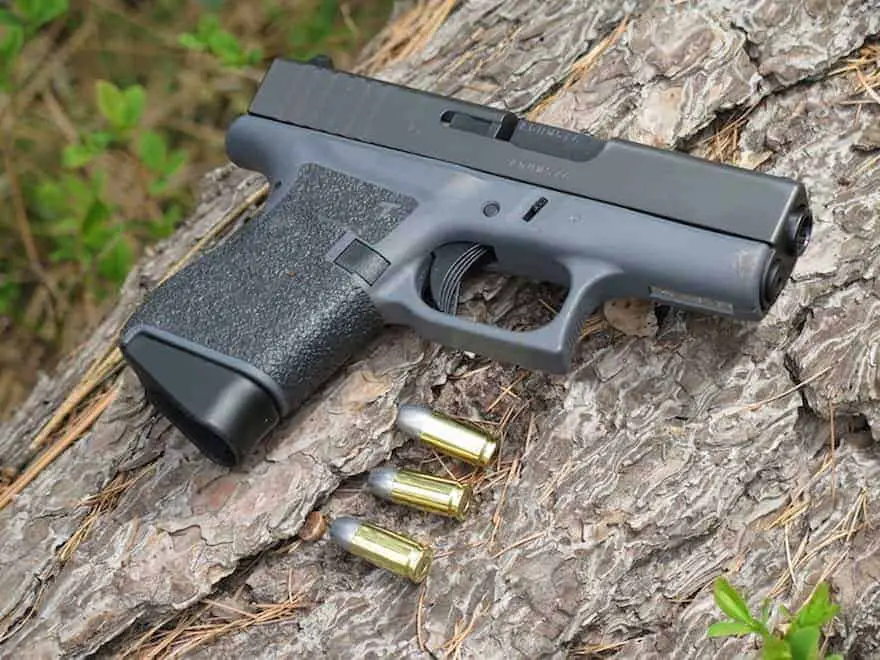
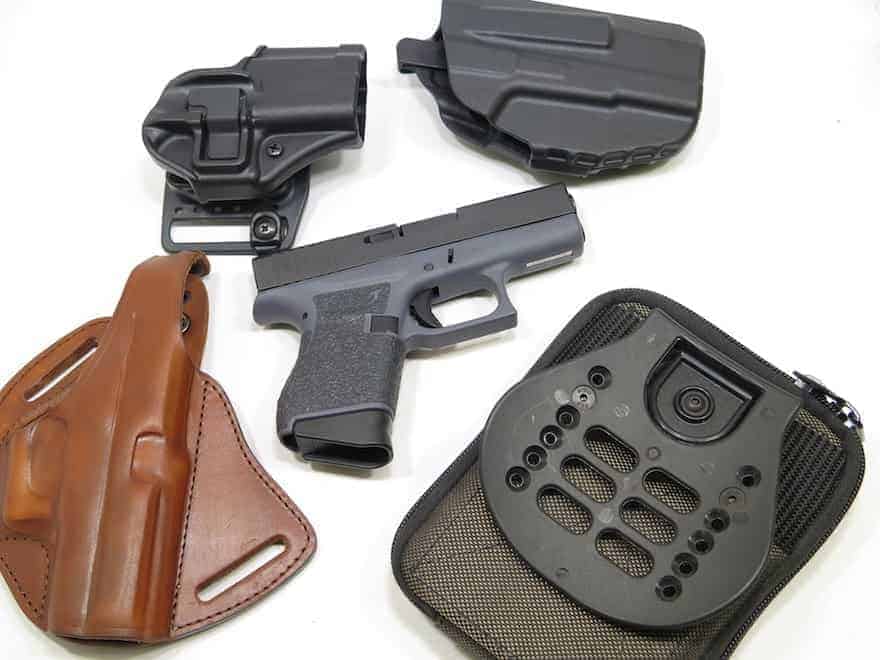
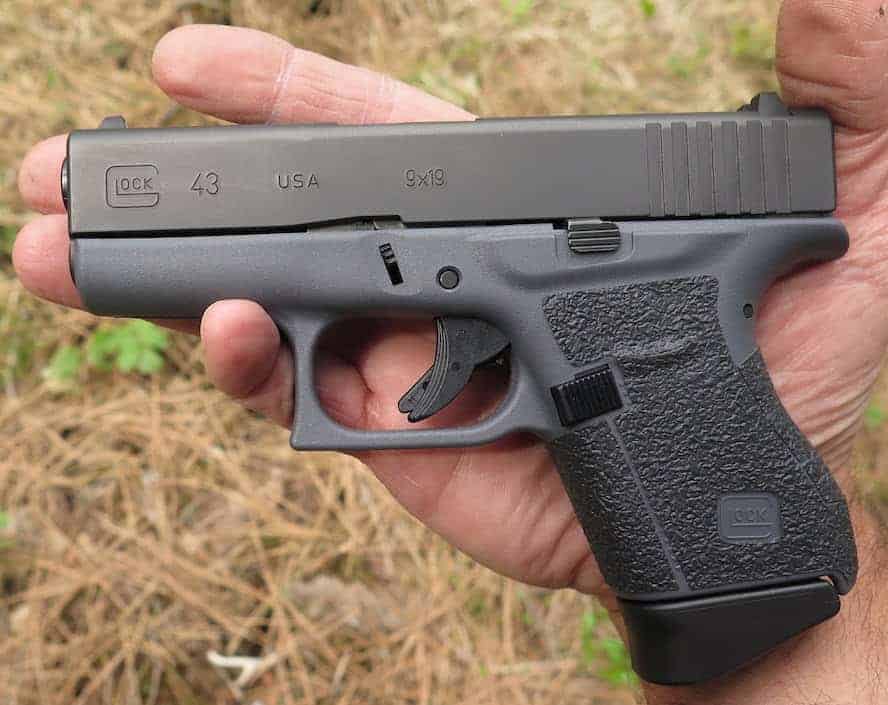 Over 99 percent of the time I’m headed out into the wilds with little more than a water bottle and pocket knife, and often without a water bottle. And that’s because I wander into the sticks almost every day. That said, I have had to make decisions about what to carry, and if minimalism is essential, then I need an essential bear gun option as well. Thus, the G43 Bear Essential.
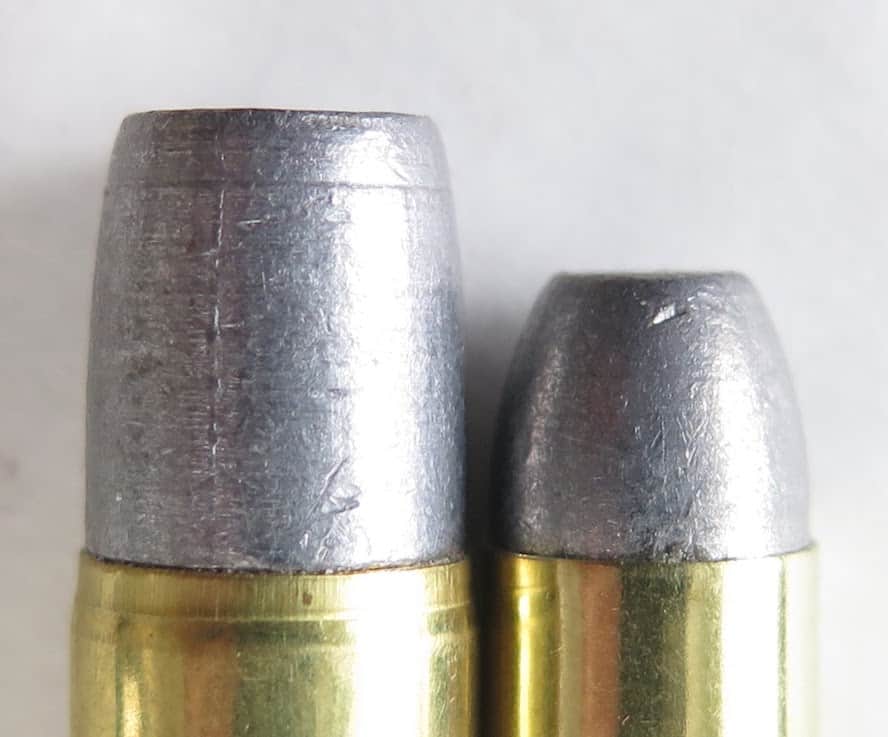 While bigger is better, especially when it comes to bears, bigger is also less convenient. Pardon the pun, but heavy weighs on your activities. Playing in the forest with five pounds of stainless .44, ammo and chest rig does get old. So once moving off the Dirty Harry platform, things become flexible. A .44 to a .41 is not too much of a jump. Nor is a .41 to a .357. And if a 10mm is like a .41ish, then a 9mm is like a sluggish .357ish. But then a plus-P 9mm really blurs the lines. Add some
 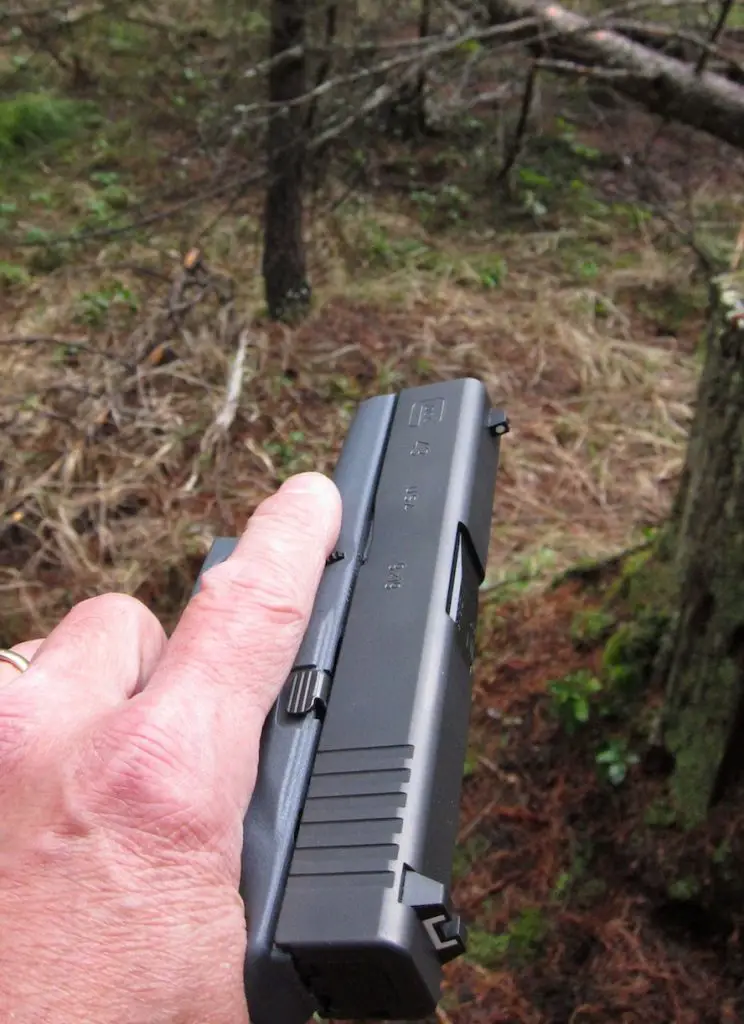 Another issue with a bear gun is actually pulling it on a bear. I meet many folks new to the real woods that think they will have plenty of time to assess and react when a bear appears. That’s like a new driver thinking they can avoid a collision or a fresh faced motorcycle rider who doesn’t need a helmet because they don’t plan on crashing, and if so, they won’t hit their head. I have to bite my tongue when I see an old high school friend learning to walk again after a minor tumble off his Harley.
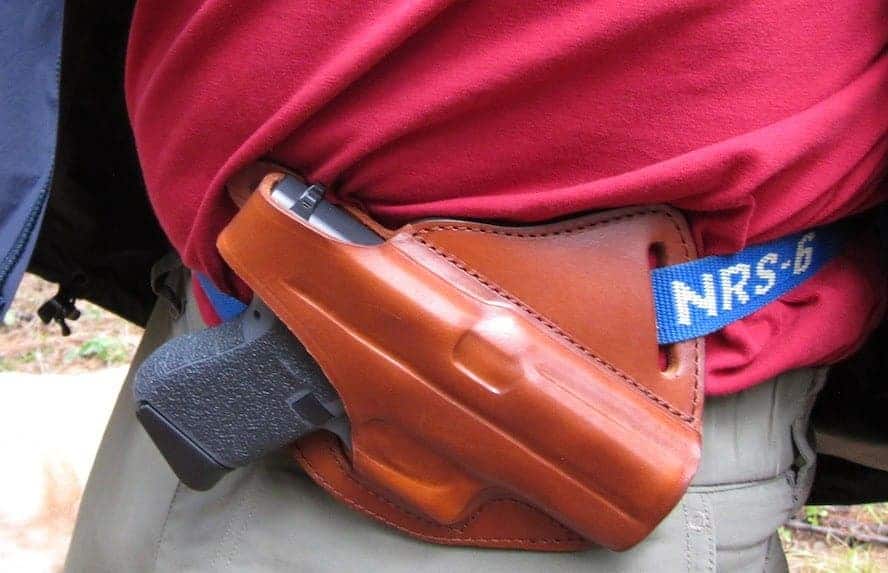 My solution was to head to
 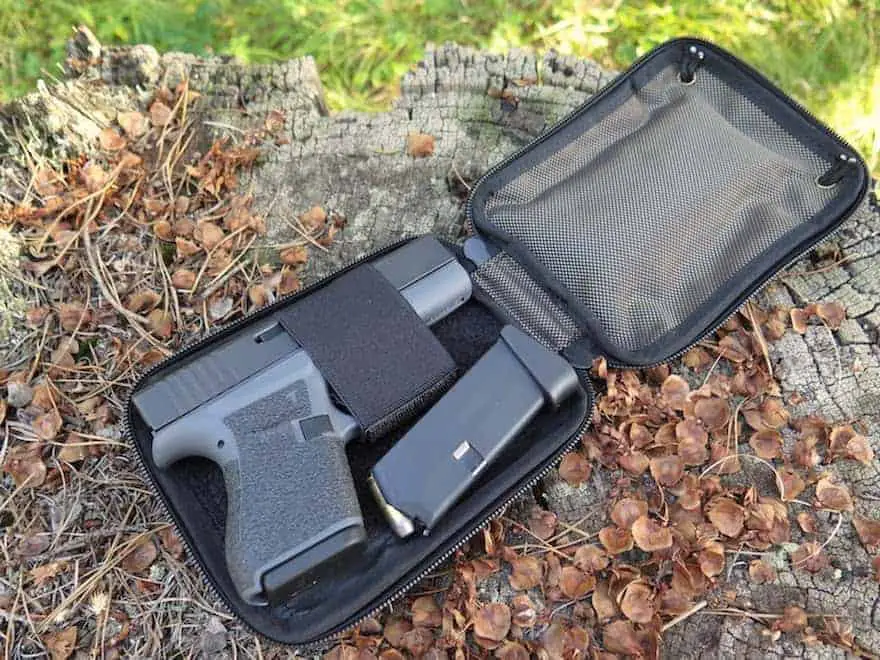 A second carry option for more civilized environs was also sourced from Craft Holsters with the
 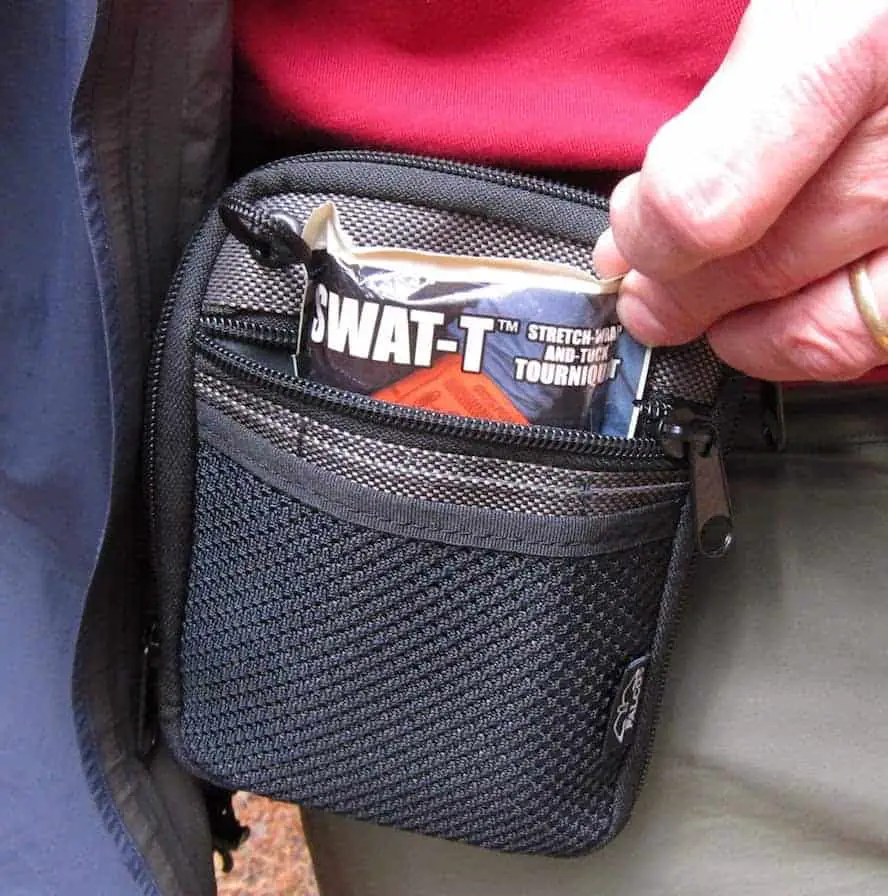 All that said, I also have a
 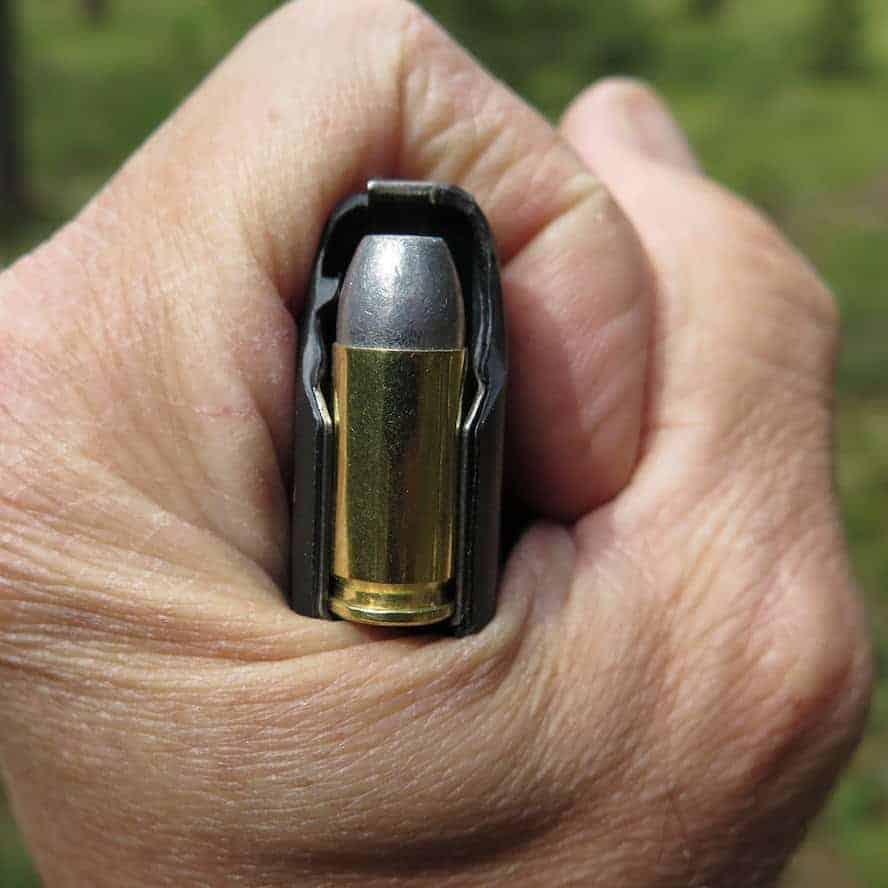 The Buffalo Bore Outdoorsman 147 grain hard cast bullets leave the G43 barrel at around 1050 feet per second. That’s about 395 foot/pounds of energy at the muzzle, with it dropping to about 365 ft/lbs at 25 yards. Sounds all fine and dandy until you compare it to something like the .44 mag +P+ hard cast rounds I use in
  The modern 9mm is not your grandpa’s ballistics. The nine is a true performer, and with the explosion of