Survival Gear is the most unused product until a natural disaster happens, then it’s the most desired products, but usually too late to help those that really need the help.

We sell around the World, and pride ourselves on offering a level of customer service that we would want to see ourselves if we were shopping online.
Our product ranges change regularly, so we hope that you come back to our sites to see some of the fantastic offers that we regularly have.

Get In Touch

Top Threats to Preppers

Last Updated on April 13, 2021 When I got into Prepping back in around 2005, I felt compelled by a certain feeling in my gut that things were not going in the right direction. I saw potential threats to my family everywhere, so I began an intense study of the possibilities and likelihood of many […]

How To Cut Paracord Without A Knife

Did you know that cutting paracord without using a knife is possible? Today, you’re going to learn an awesome paracord trick that can be very useful in survival situations!

While it’s always a good idea to have a knife on hand, sometimes when things go wrong, they go very wrong. So what do you do if you need to cut some paracord and don’t have a knife? Check out this tutorial to find out!

RELATED: Paracord: Everything You’ll Ever Need To Know

Cutting Paracord Without a Knife | A Step-by-Step Guide


The 550 Cord

550 cord is a rot-resistant, fast-drying nylon rope that is a basic tool for survival. It has a strength of 550 lbs., which is why it is used in many different situations. A soldier without a 500 cord is basically not equipped and ready.

Also, a prepper or anyone who is into any kind of outdoor adventures should be well-advised to carry it with them all the time. It is as important as it is functional, in numerous emergency situations.

Examples of situations in which 550 cord is invaluable:

  • If you cut yourself, you can use it as a tourniquet as a way to stop the bleeding.
  • It can be used to tie a splint to a broken leg.
  • You can use it to secure a boat.
  • In case your clothes get wet, use it as a clothesline to dry them.

Paracord (also called 550 cord) has tons of uses; this is why it’s a must-have for every prepper or survivalist.

Very tough and very versatile, one person can have hundreds of different ways to use it and the next guy has another hundred. But what happens when SHTF and the only survival tool left in your kit is a long piece of 550 cord?

What You’ll Need:

  • 550 cord
  • Lighter

Instructions:

  1. First, measure the paracord and see how much length you need.
  2. Next is to take that measurement and wrap it around your foot on both sides so you’ll have a good anchor.
  3. Get the leftover cord and run it under the anchor to have a good contact point right in the middle.
  4. The next step that you need to do is to hold the cord tightly and wrap it around your hands.
  5. Secure the cord and pull it back and forth then let the friction do its job.
  6. Get your lighter and seal off the edges of your cord and you’re good to go!

Paracord is now available in multi-color bracelets, necklaces, key chains, and other accessories which you can also make by yourself. These have proven to be quite useful to the emergency response teams and safety personnel.

Result:

blue rope isolated | multi tool cutting paracord

Paracord is fast becoming popular with the average person, who may or may not know about its great versatility. In fact, you may be surprised to find out that a paracord bracelet can be unraveled to use when SHTF!

Have you tried cutting paracord for survival before? Share your experience with us in the comments section below!

Up Next: 

Calling all preppers, craftsmen, bushmasters, outdoorsmen, and all-around skilled people, Survival Life needs YOU! Click here if you want to write for us.

Don’t forget to stay connected with us on FacebookTwitterPinterest, and Instagram!

Editor’s Note: This post was originally published on August 20, 2015, and has been updated for quality and relevancy.

Backyard Aquaculture And Its Importance

Today we are going to take another look at backyard aquaculture. Aquaculture has a history of thousands of years of feeding people via small self-managed systems.

RELATED:Intro to Aquaponics

Discussion About Backyard Aquaculture


I have now been doing this at various levels for about 8 years. I have also done a large number of episodes more on the how to aspects so today I am coming at it more on how to think about it and chose the right tactics for your own needs.

Join Me Today To Discuss…

  • The MSB is on sale just use code iwant35 when you sign up – full details here
  • Why aquaculture in America today
    • With adjustments is can be done in most of the US even on small properties
    • A lot of the feed requirements can be self provided
    • High quality protein that can be harvested as needed (no storage energy)
    • Growth rates are high due to high efficiency of aquatic environments
    • Other feed stock for other animals can be an out put
    • Huge fertility can be built by even small aquatic systems
    • A track record of feeding humans for thousands of years
    • Tons of aquatic and semi aquatic vegetables can be grown along with fish
    • Water is life
  • Some ideas I have that may help you
    • Miyagis are beautiful but above ground pools are cheaper and more efficient
    • If you can dig a hole go as deep as is practical
    • Use either local fish or fish that are endemic to a climate like your own
    • Do not adjust PH, etc. find fish that live in your natural water source
    • If you are not on a well you really and I mean really need to harness rain catch
    • Don’t hesitate to use commercial feed
  • This is something you really will not learn and understand until you do it

Up Next:

Calling all preppers, craftsmen, bushmasters, outdoorsmen, and all-around skilled people, Survival Life needs YOU! Click here if you want to write for us.

Don’t forget to stay connected with us on FacebookTwitterPinterest, and Instagram!

How To Collect Dew Water For Survival

In a crisis where you have no access to rainwater or any open body of water, knowing how to collect dew water from the surroundings can spell the difference between survival and dehydration. Every survivalist should know how to gather dew.

RELATED: 5 Primitive Cooking Methods

Full Guide How Survivalists Can Collect Dew Water in the Wild

Step 1: Find a Clean Collection Area

green grass with drops of water after rain | water vapor

The first thing you need to ensure is the cleanliness and portability of the dew you’re collecting. Dehydration is bad, but drinking contaminated water isn’t any better.

As a general rule, avoid collecting dew from grass that is:

  • Near the road or highway. Random patches of grass near busy roads such as expressways and highways are loaded with excess fumes, chipped gravel, and tar—all of which are poisonous to c0nsume.
  • Treated with harmful chemicals and pesticides. Steer clear of any patch of grass or lawn that has recently been treated with chemicals and pesticides.
  • Filled with animal excrements. Avoid areas with too many animals. There’s a high chance that these types of fields contain traces of feces and urine.
  • Near poisonous plants. Poison oak, poison ivy, tobacco, poison sumac, and castor bean are just some of the poisonous plants you should never collect dew from.

If possible, only collect dew from private, untreated fields or secluded grassy areas in the woods.

Step 2: Collect the Dew

Hands squeeze wet fabric on a grass background | dew bottled

Now, it’s time to collect the dew. Wipe the grass with a piece of cloth, then wring out the collected dew in a clean, sanitized cup or tub once the cloth becomes soaked and heavy.

You can use a clean shirt, sock, or rag to collect the dew. Although, opt for chamois cloth if you have it on you because it absorbs exponentially more water than other pieces of cloth do.

Step 3: Filter the Water

Boiling water in the bowler on the bonfire | dew water

If you used a clean piece of cloth to collect dew from a 100% untreated field, then transferred the dew straight to a sanitized cup, you can try drinking the dew water as is. However, this might not be the case in most survival situations.

If you’re going through a tough situation where you only have dew to rely on for your drinking water, then there’s a good chance you’re short on other resources as well. You might not even have a choice on where to collect dew from—much less a clean piece of cloth to collect water vapor with.

In cases like these, opt to distill or filter your water first before consumption. It’s a simple process that would only take a few minutes but drastically reduce the risk of getting infected from contaminated water.

First, filter the dew water. Pass the collected dew water through a clean piece of cloth. Keep filtering until you separate all the visible debris and contaminants.

Next, boil the water. A quick way to kill and inactivate all kinds of harmful viruses and bacteria in your dew water—or any type of water—is to expose them to high heat. Boiling them for at least a minute should be more than enough. Finally, let the water cool down, then enjoy.

RELATED: Challenges Of Prepping | Survivalist Prepper Podcast [LISTEN]

Step 4: Store Extra Water

woman pours water from a bottle into a metal mug | dew point

A young, healthy survivalist with good stamina and excellent dexterity should be able to collect a gallon of water in around 30 to 40 minutes. Meanwhile, the filtering and disinfection would take another 10 to 15 minutes. All in all, it’s safe to assume that gathering one gallon of clean, filtered dew water would consume at least one hour of your day.

This process might be easy to repeat daily. However, there’s no assurance that dew will be available for collection every single day during the crisis period.

The best approach here is to collect as much water as you can once dew becomes available. That way, you won’t have to wait for rain, locate an open body of water, or let dew accumulate just to get access to potable water.

During this process, however, make sure to use a clean container. Whether you’re collecting rainwater or scooping buckets of water from a stream, keeping your drinking water inside an unsanitized, unclean container is never a good idea.

Pro Tip: If you don’t have a large container with you, opt to carry around a clean piece of cloth and some fire-starting tools such as a bow drill instead. If you can’t store potable water, at least make it easy to collect and disinfect water,

Bonus: Disinfecting Water With Bleach

Picture of a plastic cup with water | bottled water

Don’t have the tools necessary to start a fire or boil water? Opt to disinfect water with regular chlorine bleach. This is a disinfection method the Centers for Disease Control and Prevention (CDC) advises to those suffering from natural calamities that cause water interruptions like a flood or hurricane.

First, transfer the water to a clean cup and assess how dirty it is. Try filtering out some of the visible debris and contaminants using a clean piece of cloth.

Next, add in the bleach. Ideally, you should mix eight drops of 6% bleach or six drops of 8.25% bleach per one gallon of water. You can opt to add more drops if the water is too cloudy.

Stir the mixture, then let everything settle for at least 30 minutes. By this point, your drinking water should be emitting a slight chlorine scent, this is normal. In fact, consider adding a few more drops of bleach if your water doesn’t smell like chlorine.

Lastly, do a quick taste test. Don’t continue drinking if the water tastes too muddy and cloudy or if the chlorine stench is too strong.

Important: Only use unscented chlorine bleach. Color-safe or scented bleach options contain extra chemicals that may cause complications when ingested.

Check out this video by Military.com where they share a simple way to collect dew water for drinking purposes:


Water is one of the most important resources one needs to survive. In fact, studies show that symptoms of fatal dehydration start to appear after just three days of not drinking water, while survivalists with access to sufficient potable water can go up to two months without consuming food.

Also, while dew water harvesting definitely gives you the upper hand in a crisis situation, bear in mind that dew won’t always be present. To increase your chances of survival, learn other ways to acquire potable water.

Do you know any other way to collect and gather dew water for survival purposes? Share your tips and tricks with us in the comments section below!

Up Next:

Calling all preppers, craftsmen, bushmasters, outdoorsmen, and all around skilled people, Survival Life needs YOU! Click here if you want to write for us.

Don’t forget to stay connected with us on FacebookTwitterPinterest, and Instagram!

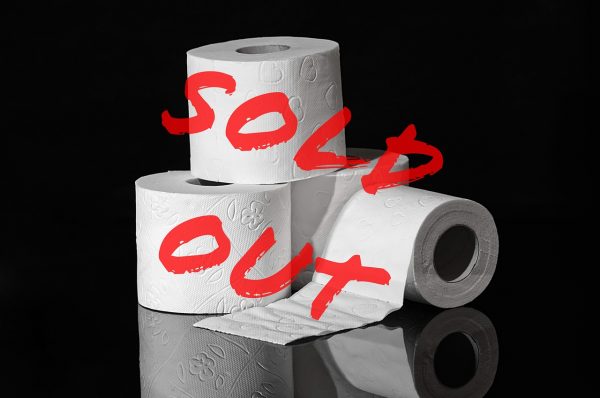
Yes, America Is On The Verge Of Yet Another Toilet Paper Crisis

It is starting to happen again.  Do you remember how “panic buying” caused a massive shortage of toilet paper and other basic essentials during the early days of the COVID pandemic last year?  Well, shortages are back, but this time around different factors are at play.  We are being told that the shortages should just be temporary, and that is good news.  But this is yet another example that shows how exceedingly vulnerable global supply chains have become in this day and age.  If another major global crisis were to suddenly strike, we could quickly be facing long-term shortages of certain items that would be quite severe.  So hopefully this short-term toilet paper shortage will be a wake up call for all of us.  The following comes from Yahoo News

Who can forget last year’s empty store shelves and pandemic panic shopping, right? Cleaning products, hand sanitizer and toilet paper were all but impossible to find, and only recently have name-brand disinfectant wipes and sprays begun showing up in stores again,

Well, brace yourself, because another product shortage is looming — and yes, it may very well become tough to find toilet paper again.

This new toilet paper shortage is not being caused by “panic buying”.  Instead, two factors have combined to create serious delays in getting products from overseas…

For six days, Egypt’s Suez Canal was blocked by a giant cargo vessel that got stuck and held up hundreds of other ships on a route that handles about 12% of world trade. The Ever Given — about as long as the Empire State Building is tall — was finally freed Monday, but analysts say it could take more than a week to clear the backup.

Meanwhile, a shortage of shipping containers also is causing problems in the cargo transport industry. Many of the factories that build the giant metal boxes are in China — and a number of them shut down in the early days of the COVID crisis, cutting supplies short.

Needless to say, it won’t just be toilet paper that is affected.

Even now, you are probably noticing empty shelves at some of your favorite retail outlets, and that will probably continue to be the case for quite some time.

Meanwhile, prices on many of our favorite consumer products are going to be rising substantially.  For example, even though we are being told that the current toilet paper shortages will just be “temporary”, the price increases that are coming will not be

The maker of the Cottonelle, Scott and Viva brands announced Wednesday that it will hike prices on “a majority of its North America consumer products business,” including toilet paper and baby care items.

Kimberly-Clark Corporation blamed rising commodity costs for the increases.

In response to the COVID pandemic, governments all over the globe have been creating, borrowing and spending money like there is no tomorrow.

As a result, commodity prices have shot through the roof, and companies are starting to pass those price increases along to consumers.

Our politicians always seem to think that “more money” is the solution, but their reckless policies are starting to cause some very serious long-term problems.  Here in the United States, we have now seen the money supply grow at an insane pace for 11 months in a row

In February, money supply growth hit yet another all-time high. February’s surge in money-supply growth makes February the eleventh month in a row of remarkably high growth, and came in the wake of unprecedented quantitative easing, central bank asset purchases, and various stimulus packages.

During February 2021, year-over-year (YOY) growth in the money supply was at 39.1 percent. That’s up slightly from January’s rate of 38.7 percent, and up from the February 2020 rate of 7.3 percent. Historically this is a very large surge in growth, year over year. It is also quite a reversal from the trend that only just ended in August of 2019 when growth rates were nearly bottoming out around 2 percent.

We are on a hyperinflationary path, and everyone knows that this story is not going to end well.

One area where we are already seeing tremendous inflation is in home prices

House prices rose by 11.2% from a year ago, the biggest increase since the peak of Housing Bubble 1 in 2006, according to today’s National Case-Shiller Home Price Index for January.

The index is a good measure of “house-price inflation” because it’s based on the “sales pairs” method, comparing the sales price of a house in the current month to the price of the same house when it sold previously, thereby tracking the amount of dollars it takes to buy the same house over time.

But that number doesn’t tell the entire story.

Home prices are actually going down in some core urban areas, and they are escalating dramatically in desirable rural and suburban communities around the nation.  This is something that I discussed in my previous article entitled “We Have Never Seen A Home Buying Frenzy Quite Like This”.

Those at the very top of the economic pyramid are gobbling up homes at a feverish pace, but meanwhile an increasing number of Americans are no longer able to afford homes at all.  Homelessness and poverty are absolutely exploding all over the country, and things are particularly bad on the west coast.

In Seattle, tents have taken over sidewalks and parks all over the city.  If you drive through the heart of Seattle, you will literally see homeless encampments everywhere that you go

Fox News analyst Lawrence Jones spoke with Seattle residents about the homeless crisis and encampments taking over their neighborhood parks.

When asked how the presence of homeless tents and encampments in her neighborhood made her feel, one Seattle resident told Jones that it made her feel “sad” and “depressed.”

In one residential area of Seattle, tents filled parks and sports fields where young children would typically play.

I would like to tell you that this homelessness crisis is just temporary, but I can’t.

Unfortunately, the truth is that economic conditions in America will eventually get a whole lot worse.

The short-term toilet paper shortages that we are facing now are an inconvenience, but the truth is that they aren’t even worth comparing to the problems that we will be facing down the road.

So stock up and get prepared while you still can, because things aren’t going to be getting any easier as we roll into a very uncertain future.

***Michael’s new book entitled “Lost Prophecies Of The Future Of America” is now available in paperback and for the Kindle on Amazon.***

About the Author: My name is Michael Snyder and my brand new book entitled “Lost Prophecies Of The Future Of America” is now available on Amazon.com.  In addition to my new book, I have written four others that are available on Amazon.com including The Beginning Of The EndGet Prepared Now, and Living A Life That Really Matters. (#CommissionsEarned)  By purchasing the books you help to support the work that my wife and I are doing, and by giving it to others you help to multiply the impact that we are having on people all over the globe.  I have published thousands of articles on The Economic Collapse BlogEnd Of The American Dream and The Most Important News, and the articles that I publish on those sites are republished on dozens of other prominent websites all over the globe.  I always freely and happily allow others to republish my articles on their own websites, but I also ask that they include this “About the Author” section with each article.  The material contained in this article is for general information purposes only, and readers should consult licensed professionals before making any legal, business, financial or health decisions.  I encourage you to follow me on social media on FacebookTwitter and Parler, and any way that you can share these articles with others is a great help.  During these very challenging times, people will need hope more than ever before, and it is our goal to share the gospel of Jesus Christ with as many people as we possibly can.

The post Yes, America Is On The Verge Of Yet Another Toilet Paper Crisis first appeared on End Of The American Dream.

What Is A Ferro Rod And How To Use It

Any experienced survivalist knows that a Ferro rod is the survival gear you never step into the outdoors without. Here is everything you need to know about this invincible survival tool.

RELATED: Do You Have A Ferro Rod In Your Survival Kit? Here Are 9 Reasons You Should!

The A to Z of the Ferro Rod

What Is a Ferro Rod

Check out What Is A Ferro Rod And How To Use It at https://survivallife.com/ferro-rod/

A Ferro rod is a fire-starting tool. Besides its use as a survival gear by outdoorsmen and women, it is also used as an ignition source for lighters or a striker for cutting torches and gas welding.

What Are Ferro Rods Made Of

Check out What Is A Ferro Rod And How To Use It at https://survivallife.com/ferro-rod/

Ferro rods are made from ferrocerium, a synthetic alloy that emits hot sparks when rapidly oxidized through striking it. The hot sparks can burn as hot as 3,000 °C.

How Does a Ferro Rod Work

Check out What Is A Ferro Rod And How To Use It at https://survivallife.com/ferro-rod/

The rod breaks into fragments through rapid striking using either a striker, knife spines, glass shards, or a flint. The exposed fragments are then oxidized by the oxygen in the air, which results in fire sparks.
The sparks then light your tinder which results in an even bigger fire.

RELATED: A Complete Guide To Campfire Cooking

How Long Do Ferro Rods Lastr

Check out What Is A Ferro Rod And How To Use It at https://survivallife.com/ferro-rod/

Ferro rods will typically have a lifespan of 8000 to 12000 strikes. It will, however, depend on several factors, including frequency of use, rod diameter, user skills, and the hardness or softness of the rod.

For instance, a Ferro rod with a smaller diameter and a softer alloy will last shorter than one with a large diameter, harder alloy and used by an experienced person.

Why Are Ferro Rods Handy for Survival

Check out What Is A Ferro Rod And How To Use It at https://survivallife.com/ferro-rod/

Here is why every outdoors person should own and carry a Ferro rod:

  • Size: Ferrocerium rods come in small sizes that make them convenient additions to your survival pack, not to mention their lightweight.
  • Hotter sparks: Compared to other fire-starting methods that you can consider, Ferro rods are the most reliable in a survival situation. Besides producing sparks that burn up to 3,000 °C, the rods do not gel up or fail to work when wet. What’s more, unlike flints that do not produce many sparks without a steel rod, you can strike your Ferro rod with any dense material and have a fire in no time.
  • Easy to use: It is unlikely that you will be as strong as you usually are, in a survival situation. The rods are therefore efficient because even without much strength or practice, anyone can start a fire.
  • Multipurpose: Besides starting fires, you can also use Ferro rods to emit bright sparks for backup signaling. They work as well as a small flare or firecrackers.

What to Consider to Prolong the Lifespan of a Ferrocerium Rod

Check out What Is A Ferro Rod And How To Use It at https://survivallife.com/ferro-rod/

Being such a crucial survival tool, you need to increase your chances of getting the best one. Here are factors to consider:

  • Size: the diameter of ferrocerium rods is directly proportional to their lifespan. Most of them come in diameters ranging from 3/16 to ½ inch and corresponding lengths.
  • Skill level: Inexperience in using a Ferro rod translates to too many strikes and ultimately chopping off way too much material to start a fire. This is contrary to an experienced user who can start a fire with a strike or two and far less chipping.
    Also, using Ferro rods when practicing means that the rods will have a shorter lifespan by the time you start using them for a real survival situation.
  • Corrosion: Since they are made from synthetic alloy, Ferro rods are prone to rust like most other tools. Therefore, the more exposed to water or sweat they are, the more likely they are to rust, which certainly reduces their lifespan.

Note: A smaller size means it is convenient to carry. The decision is therefore determined by what is more important to you.

How to Use a Ferro Rod

Check out What Is A Ferro Rod And How To Use It at https://survivallife.com/ferro-rod/

Firstly, gather your tinder. It could be anything from a small amount of dry grass, barks, twigs, or even cotton. It will help to get the driest material available.

Next, pile your tinder, leaving enough room for air circulation at the bottom and throughout the pile. It ensures that there is enough oxygen to oxidize the Ferro rod fragments when they hit the tinder.

Now, hold your Ferro rod against or underneath the pile. With the striker held at 45 degrees, forcefully and rapidly drag it along the rod’s length.

Doing this will produce hot sparks, and your best chance is to ensure that most if not all of them go into the tinder. It helps the fire manifest faster.

Now, you will notice smoke coming from the pile. At this point, stop striking the rod, bend over and begin blowing into the tinder. This will grow the hot sparks into a fire.

Once the fire is stable, start pilling on larger sticks and logs. Add as much as you need to keep warm or cook or until you have a roaring fire.

Watch this video as outer limitless  presents on Ferro Rod Comparison: Premium vs Budget – Nathan 4071 vs Bayite:


There you have it, fellow survivalist. Surviving the outdoors requires the most effective and convenient gear one can find, and ferrocerium rods are exactly that. With a little practice, you can trust yourself to start a fire anywhere.

Do you own a Ferro rod? Let us know in the comment section below! 

Up Next: 

Calling all preppers, craftsmen, bushmasters, outdoorsmen and all around skilled people, Survival Life needs YOU! Click here if you want to write for us.

Don’t forget to stay connected with us on Facebook, Twitter, Pinterest, and Instagram!