Survival Gear is the most unused product until a natural disaster happens, then it’s the most desired products, but usually too late to help those that really need the help.
We sell around the World, and pride ourselves on offering a level of customer service that we would want to see ourselves if we were shopping online. Our product ranges change regularly, so we hope that you come back to our sites to see some of the fantastic offers that we regularly have.
The way you carry your EDC handgun is a very personal decision. While the appendix and 2 o’clock are the dominating positions, many people choose to carry differently. One of those positions is cross-draw. The reasons for a cross-draw setup are numerous, but once again, it is ultimately a personal decision. A company well known for making high-quality holsters, especially leather holsters, is Craft Holsters—one of their finest for those interested in cross-draw is the Wolverine.
Wolverine Holster – For Cross Draw EDC
The Wolverine Holster is a lightweight, premium compact OWB cross-draw holster, perfect for hunters, drivers, or those in sedentary professions. Its open-top design, paired with the cross-draw functionality, ensures quick action and solid retention, all secured by double stitching. Crafted from high-quality leather, this holster offers exceptional value without compromising on performance or durability.
High Quality Leather
The Wolverine Holster is designed for lightning-fast reactions in any situation, packed into a compact yet durable body — which is why it’s named after the fierce and agile ‘Wolverine.’ Crafted for cross-draw carry in a canted 10-11 o’clock position, this holster is made from premium Italian leather and double-stitched for enhanced durability and a snug, secure fit. Featuring a reinforced top for smooth re-holstering, the holster rides close to the body, making it an excellent choice for those seated a great deal. The strategically placed cant also keeps the rear of your pistol away from your body, offering a comfortable and discreet high-ride carry.
Wolverine Holster
The Wolverine holster is designed and hand-made to fit the gun like a glove. It is thermo-molded to an exact replica of the firearm. The leather layers are double-stitched at stress points by a robust German thread to ensure both perfect retention and long-term durability. The belt slot and belt tunnel are reinforced with extra stitching and are compatible with 1.5″ wide, 0.15″ thick belts. The holster features a partial body shield, and the top is reinforced with an extra leather layer to ensure that re-holstering is just as quick and comfortable as the draw. The entire leather surface and edges are sealed with an additional protective lacquered finish for enhanced durability.
WHY OUR ARTICLES/REVIEWS DO NOT HAVE AFFILIATE LINKS
Affiliate links create a financial incentive for writers to promote certain products, which can lead to biased recommendations. This blurs the line between genuine advice and marketing, reducing trust in the content.
Every military servicemember’s oath is a pledge to defend the Constitution against all enemies, foreign and domestic.
It is not an oath to a politician. It is not an oath to a party. And it is not an oath to the police state.
Yet what happens when those same men and women are being told—by their own government—that obedience to power and loyalty to a political leader come before allegiance to the Constitution they swore to uphold?
That question isn’t hypothetical.
It is the moral line now being tested in real time, and it goes to the heart of what kind of country we are: do we live in a constitutional republic governed by the rule of law, or in a militarized police state where “legality” is whatever the person with the most power and the biggest army says it is?
The answer becomes painfully clear when you look at what our troops are being ordered to do—and what “we the people” are tacitly allowing them to be ordered to do—in the so-called name of national security.
Members of the military are now being deployed domestically to police their fellow American citizens in ways that trample the spirit, if not the letter, of the Posse Comitatus Act.
It’s legally dubious enough that the military is being used to enforce immigration crackdowns and police protests in American cities. But now they’re being tasked with killing civilians far from any declared battlefield in the absence of an imminent threat—all while being told that questioning the legality of those missions is itself a form of disloyalty.
So, which is it: obedience to the Constitution or the Commander-in-Chief?
According to multiple accounts, after an initial “lethal, kinetic” strike disabled the vessel and killed nine men on board, a second strike was carried out to kill two survivors clinging to the wreckage—an alleged “double tap strike” that legal experts warn could constitute murder or a war crime if the survivors no longer posed a threat.
In all, the boat was reportedly hit four times: twice to kill the eleven occupants on board and twice more to sink the boat.
Even the Pentagon’s manual on the law of war says combatants who are “wounded, sick, or shipwrecked” no longer pose a threat and should not be attacked.
Some Republicans who have, until now, turned a blind eye to the Trump administration’s most egregious offenses against the Constitution appear reluctant to let this one slide.
Not surprisingly, the Trump administration has done an about-face.
Hegseth—who bragged about watching the September 2 strike live—now claims he wasn’t in the room when the second strike happened.
Suddenly, the White House—which had been gleefully chest-thumping over its power to kill extrajudicially—is signaling its willingness to scapegoat subordinates in the chain of command.
Clearly, it’s a lesson learned too late: when you’re dealing with power-hungry authoritarians, loyalty is no guarantee of protection. It’s always the men and women who carry out the unlawful orders—not the ones who give them—who end up paying the price.
Here’s the problem, though. While the media fixates on who will bear the blame for ordering the double-tap strike, the government war machine is moving forward, full steam ahead.
The Sept. 2 boat strike was part of a broader Trump administration campaign of maritime attacks that has already killed at least 80 people at sea, all without a formal declaration of war or due process—evidence of who they were or what they had done—to warrant an extrajudicial execution.
This is yet another of Trump’s everywhere, endless wars—this time at sea—sold as toughness on “narco-terrorists” at a moment when his poll numbers are slipping, economic promises have failed to manifest, and new Epstein-related revelations continue to surface.
When presidents manufacture new fronts in a forever war whenever they need a distraction, we should all beware.
The Trump administration has tried to frame this preemptive maritime war on suspected “narco-terrorists” as a “non-international armed conflict” with designated terrorist organizations.
Yet what it amounts to is an undeclared war, launched in international waters, without just cause and without congressional authorization.
The legal landscape is not murky—it is clear.
Most of the public debate has revolved around those technical legalities—what kind of conflict this is, which statutes apply, which court might have jurisdiction—yet what is really at stake is whether we are training a generation of American troops to believe that loyalty to a leader can excuse disobedience to, or even override, the Constitution.
Three bodies of law converge here: the Constitution’s allocation of war powers, the international law of armed conflict, and the Uniform Code of Military Justice.
First, there has been no declaration of war by Congress. Under the Constitution, only Congress can declare war. The president cannot start wars based solely on his own authority.
Second, the law of armed conflict and the law of the sea forbid killing shipwrecked survivors who pose no immediate threat.
A command to “kill everybody” is precisely the kind of order these guardrails were written to forbid.
The rationale that “I was just following orders” is not a defense to war crimes. That is the core lesson of the Nuremberg Trials and the modern law of armed conflict.
Of course, the police state wants mindless automatons who obey unquestioningly.
Arendt, a Holocaust survivor, denounced Eichmann, a senior officer who organized Hitler’s death camps, for being a bureaucrat who unquestioningly carried out orders that were immoral, inhumane, and evil. This, Arendt concluded, was the banality of evil, the ability to engage in wrongdoing or turn a blind eye to it, without taking any responsibility for your actions or inactions.
Coincidentally, the same year that Arendt’s book Eichmann in Jerusalem: A Report on the Banality of Evil was published, Martin Luther King Jr. penned his “Letter from a Birmingham Jail,” in which he points out “that everything Adolf Hitler did in Germany was ‘legal’ and everything the Hungarian freedom fighters did in Hungary was ‘illegal.’ It was ‘illegal’ to aid and comfort a Jew in Hitler’s Germany.”
In other words, there comes a time when law and order are in direct opposition to justice.
If the government can redefine “self-defense” to justify killing incapacitated survivors on a sinking boat, then it can justify killing anyone—at home or abroad, in uniform or out of it.
No matter how the White House spins it, however, these are crimes and those involved—from Hegseth on down—could find themselves in legal jeopardy and should be held accountable.
The pressure on the military is mounting.
The Orders Project, a nonpartisan initiative that helps connect service members with outside legal counsel, reports a spike in calls from military personnel concerned that they could be asked to carry out an illegal order or pressured to take part in missions that violate their training in the laws of war.
Given Hegseth’s much-publicized approach to waging war without constraints—he has openly derided the military’s Judge Advocate General corps and championed a more “unshackled” approach to lethal force—these concerns are reasonable.
For re-stating what every recruit is taught in basic training, these lawmakers have been accused by President Trump of “sedition” and branded as “traitors” who should be arrested and punished by death. The FBI has reportedly opened an investigation. Hegseth has even threatened to recall one of the lawmakers—Senator Mark Kelly, a retired Navy captain—to active duty in order to court-martial him for his remarks.
The message from the top could not be clearer: allegiance to the Constitution is a crime.
Every person like myself who has served in uniform has experienced the tension between following orders and honoring that oath. Discipline requires obedience, but a constitutional republic requires lawful obedience.
That is why the oath matters.
It is not an oath to a man, a party, or a policy agenda. It is an oath to a charter of law: the Constitution.
That principle is not antiquated. It is the foundation of American civil-military relations. Remove it, and what remains is not a republic but a personality cult with weapons.
The danger becomes even clearer when you examine the rhetoric now shaping national policy.
According to U.S. prosecutors, Hernández—quoted as saying he wanted to “shove the drugs right up the noses of the gringos by flooding the United States with cocaine”—took bribes from drug traffickers and had the country’s armed forces protect a cocaine laboratory and shipments to the U.S.
Yet conscripting the military to do the dirty work of the police state—and then throwing them under the bus for doing so—takes us into even darker territory.
The U.S. government’s weaponization of the armed forces for political power is a betrayal of the Constitution, but it is also a betrayal of the very men and women who swore to give their lives for it.
And once a government shows a willingness to break faith with its defenders, it will break faith with anyone.
A government that can discard its military service members can discard its whistleblowers and truth-tellers who expose corruption.
A government that can discard its military service members can discard its journalists, judges, and watchdogs in the press and the courts who insist on transparency and limits to power.
A government that can discard its military service members can discard its political opponents and dissidents, its religious and racial minorities, its immigrants and asylum seekers, its small business owners and workers who organize, its parents and community members who speak up locally, and any citizen who dares to say “no” when the state demands “yes.”
This betrayal of those who swore an oath to the Constitution is not an accident—it is a warning.
In the operational world, few things are as important as a good plate carrier. It needs to be durable, well-designed, and fit well. Carriers that rattle around and fall apart can mean the difference between success and failure in some cases. A company well known for high-speed gear is Aegis Kinetic Group. Today, they are releasing the new Vertex 2.0 Plate Carrier and Operating System.
Vertex 2.0 Plate Carrier and Operating System
Aegis Kinetic Group has now released the Vertex 2.0 Plate Carrier and Operating System. Since the release of Vertex 1.5 two years ago, they have focused on optimizing their design approach and manufacturing processes. They aim to create a product that balances affordable production cost with a professional feature set. Initially designed for maritime applications, the Vertex has also shown its performance across various environments. This includes professional deployments to the Arctic and Ukraine.
Made from water-resistant 500D Cordura laminate and weighing 15.2 oz, the Vertex can fit any S/M/L plate variant. It uses Velcro One Wrap adjustment tabs and a loop-lined plate backer. XL plates are compatible, depending on plate thickness. Ballistic plates are top-loaded into the front and rear panels of the Vertex. The reinforced bottom ensures plate security during wear. An open design encourages immediate drainage during maritime and over-the-beach operations.
Native Wire Routing
The Vertex also features native wire routing beneath the carrier’s surface. It has sewn-in shock cord lashing points and other mounting options for PTTs, as well as integrated attachment loops for FIRSTSPEAR TUBES Buckles. Other quick-release options are also available. The Vertex can be attached to existing S/M/L slick plate carriers to increase capability. It collapses for packing in a rucksack, duffel bag, or cargo pocket.
Vertex 2.0 Plate Carrier
Designed with third-party compatibility in mind, the Vertex can accommodate both hook-and-loop and shock-cord cummerbunds. It is also compatible with placards using Crye-style attachments, G-Hooks, and buckles. The Vertex 2.0 Plate Carrier will be supported by the Vertex Operating System. This includes additional components such as removable front and rear load-bearing frames, as well as unique placard, cummerbund, and pouch options.
WHY OUR ARTICLES/REVIEWS DO NOT HAVE AFFILIATE LINKS
Affiliate links create a financial incentive for writers to promote certain products, which can lead to biased recommendations. This blurs the line between genuine advice and marketing, reducing trust in the content.
Climate change catastrophists will say that these programmes are to save the planet from global warming. But as with all things related to the climate change agenda, it has nothing to do with climate change and everything to do with money and control.
Carbon taxes and cap-and-invest systems have much in common. Both are market-based policies to make “carbon emitters” pay for their “emissions.”
Using climate change jargon, Cap-and-Invest is a tool designed to reduce greenhouse gas emissions by setting a declining cap on total emissions from covered sources, such as large industrial facilities, fuel distributors, and utilities. Each covered entity must hold an allowance for every tonne of emissions it produces, with the total number of allowances equal to the annual emissions cap, which decreases over time to achieve long-term climate goals. This system creates a financial incentive for businesses to reduce emissions, as they can either cut their own pollution or purchase allowances from others, with the price of allowances determined by supply and demand.
In the following, David Wojick explains in simple terms what this nefarious programme is all about, using New York as the example.
New York Governor Hochul says the emission reduction regulations required by the Climate Act are infeasible and ruinously expensive. She has yet to explain this, so here is my simple assessment.
The regulatory programme has two very different mechanisms. First, they ration your fossil fuels. Then, they tax you heavily on the ration you get. The rationing is infeasible; the tax is ruinous.
The programme is called “cap-and-invest,” which sounds good. Note the missing word: “tax.” You need the tax to get the money to “invest.” An honest name is “cap, tax, and spend.”
The cap is the amount of each type of fossil fuel that can be sold to consumers during a given period. Permissions to sell this amount are called allowances, and they cost money.
Here is how the Cap-and-Invest website explains it. (There is almost no other information.)
“The Department of Environmental Conservation (DEC) and New York State Energy Research and Development Authority (NYSERDA) are designing a programme that sets an annual cap on the amount of greenhouse gas pollution that is permitted to be emitted in New York. Under the programme, large-scale greenhouse gas emissions sources and distributors of heating and transportation fuels will be required to purchase or obtain allowances for the emissions associated with their activities.”
The cap is the ration, and the allowances are the ration tickets that have to be bought. Note that for heating and transportation fuels, the distributor, not the consumer, buys the allowances. Of course, these costs will be passed on to the consumers. We are mostly talking about gasoline and diesel for transportation, fuel oil for heating and gas for heating and cooking.
Let’s just look at the cap. These fuels are all essential for living, which makes rationing a very bad plan. The rationing cap has to quickly come down and a lot under the Climate Act. Statewide emissions have to come down by a whopping 30% by 2030, just four years away.
Fuel use may have to come down even more because other emissions cannot be reduced that much. New York has provided no information about this looming threat, and there is no time to implement new technologies.
Rationing by definition creates shortages, because it means people get less than they would otherwise use. Let’s take home heating fuel oil as a simple case. About 20% of New York homes are heated with fuel oil.
Say you live in one of these homes. Your fuel oil supplier has bought allowances for the coming year, and you get a share of that oil. But thanks to the cap, it is less than you burned keeping warm last year. How low will you have to turn your thermostat in order to get through the year on that much oil?
There is no way to know because it depends on how cold it gets. If it is cold, you might run out of your allowed share in mid-December. Then what? The programme is silent on this life-threatening question.
Moreover, if it is a cold year, then most people might run out of heating oil in winter. Heck of a Christmas that would be.
The same is true for gas heat but at a much larger scale, since most New York buildings are heated with natural gas. You cannot just suddenly use a lot less gas with a fixed amount allowed. It is a prescription for running out of heat in winter. This fiasco also applies in more complex ways to cars, trucks, and electricity.
Clearly, capping fuel use is infeasible. Energy is fundamental to our way of life.
About the Author
David Wojick, PhD, is an independent policy analyst and senior advisor to CFACT. As a civil engineer with a PhD in logic and analytic philosophy of science, he brings a unique perspective to complex policy issues. He specialises in science and technology-intensive issues, especially in energy and environment.
You have under one minute before the pressure seals the doors shut.
Release your seatbelt first, then open or break a side window to escape.
Push out headfirst and swim toward light or bubbles to reach the surface.
Call for help only after you’re above water and breathing safely.
Practice the Seatbelt → Window → Out → Up sequence to prepare for a real sinking car emergency.
You have under one minute to escape a sinking car. In fact, most vehicles stay afloat for only 30 to 60 seconds before water pressure locks the doors and shuts down the power. Every second counts, and every move you make determines your chances of survival.
Each year, hundreds of people die after their vehicles end up in deep water. Studies from safety agencies show that most drownings happen within a few minutes because drivers hesitate or waste time calling for help. Knowing the right actions before an accident happens can change that outcome. This guide walks you through what to do first, how to break a window, and how to emerge from the water. Once you know the sequence, you can get out of a drowning vehicle safely even under pressure.
Why Are Doors Hard to Open Underwater?
Even professional swimmers can’t force a car door open underwater. The problem isn’t the lack of strength but the strong hydropressure. When water surrounds your vehicle, it exerts a force of hundreds of pounds per square foot on the doors’ exterior. If you try to open one too soon, that force will flood the cabin and drag you down. Only when the water levels match inside and out can a door move freely. By then, it’s usually too late. It’s safe to say that the side window is your quickest way out.
How to Escape a Sinking Car: A Step-By-Step Guide
This timeline shows what to do during each stage of a sinking car. The seconds mark how fast water fills the cabin, from the first splash to the moment pressure locks everything tight.
0–5 seconds
Remember: Don’o’t call 911 yet. Those seconds matter. By the time they answer, your car may be sinking halfway below the surface.
Stay alert and focused. Take one steady breath out to stay calm and clear your head. Your goal right now is awareness. Find where the windows and seatbelt release are, and get ready to move.
5–15 seconds
Unbuckle your seatbelt. Slide your thumb under the strap so it won’t snag on clothing.
Press the driver-side window switch and lower the window all the way. If your car has a manual crank, turn it down fully.
If power still works, lower a second window as a backup exit.
15–45 seconds
Clear any loose items that might block your path.
Plant one hand on the windowsill to guide your body.
Angle your chest toward the opening, push off the headrest, and slide out of the window headfirst.
45–60 seconds
If the water keeps rising or the window refuses to move, shift immediately to the “window stuck” plan in the next section.
How to Escape a Sinking Car If the Window Won’t Open
If the power fails or the window glass won’t break, stay calm. You still have a way out. The goal now is to create an exit using tools if you have them, or to wait for pressure to balance if you don’t.
If You Have a Tool:
Spring-loaded glass punch. Aim for the lower rear corner of a side window, as it’s the weakest point on tempered glass. Using the spring-loaded tool, strike the area once with firm pressure. When the window shatters, brush away loose edges using your sleeve and move out quickly.
If You Don’t Have a Tool:
Stay calm and hold your breath as the water rises.
When the cabin fills almost to your chin, that means the pressure inside and outside the window will soon start to match.
Plant both feet against the door for leverage and pull the door handle firmly.
As the door opens, sweep an arm through the gap, stay low, and swim out in a smooth line toward the light or bubbles.
Up and Out: Surface and Shore
Once you’re out of the car, your next goal is reaching the surface. The water’s dark and cold, so follow these simple cues to get to safety.
Follow the bubbles. They always rise straight toward the surface.
Kick with short, steady strokes. Keep your chin up and eyes on the light above you.
Roll onto your back. Float to rest and look for light, a shoreline, or solid ground.
Reach land, then call 911. Give your location and explain what happened.
Treat cold shock. Remove wet layers, wrap up in something dry, and warm yourself quickly. Even brief cold exposure can sap energy and slow your recovery.
Key Takeaway Box Remember this order: Seatbelt → Window → Out → Up
Gear Picks
Keep these compact, affordable tools within arm’s reach so you can act fast during a sinking car situation.
Good: Spring-loaded glass breaker with a built-in seatbelt cutter clipped to your visor.
Better: Two glass breaker tools (one for the driver and one for the passenger), plus a small waterproof flashlight.
Best: Two tools, two lights, and a floating retractable tether to avoid losing gear underwater.
Placement Tip: Avoid glove boxes as they often get jammed after impact. Mount tools in open, reachable zones.
Escape a Sinking Car: Myths and Facts
False information about car-water escapes are all over the internet. These quick facts separate real survival steps from the common myths that might put your life at risk.
“Break the windshield.” Myth. Windshields are laminated and won’t shatter like side glass.
“Airbags trap you.” Myth. Airbags deflate within seconds. Keep moving toward your exit.
“Call for help first.” Myth. Every second counts. Escape first, then call for help.
“Windows never work underwater.” Myth. Power windows often still operate briefly after impact.
Final Takeaway: Readiness Over Luck
When a car sinks, survival depends on taking the correct steps in the proper order. Within about a minute, rising water can short out power, jam doors, and block exits. Knowing the sequence and practicing it helps reduce panic and gives you control over the situation. Again, to escape a sinking car, remember to Seatbelt → Window → Out → Up.
Run a short driveway drill this week and mount your escape tools in an accessible vehicle compartment. In the end, it’s the skill and knowledge that will get you safely to shore.
Quick Answers to Common Questions about How to Escape a Sinking Car: Readers ask the same practical questions about how to get out of a submerged vehicle. Keep these facts in mind when you train or teach others.
Q: Can I open the door of a submerged vehicle? A: Usually not at first, as water will push hard against the door’s exterior. Wait for the water level inside to rise near the outside level, or use a window exit instead. Doors can open only after the internal and external pressure of the car matches.
Q: Should I call 911 before I try to escape a sinking car? A: No. Escape first, call second. You have a short window before the car’s power and doors fail. Get yourself out, then call for help from shore or a safe spot.
Q: What if the power windows stop working? A: Try a manual crank if your car has one. If not, use a glass-breaking tool if you have one. If you have no tool, hold your breath and let water rise to your chin so pressure matches, then force the door.
Time & cost: Plan ~90 minutes and $60–$180 in consumables (tires extra).
Tire decision: Switch to winter tires when highs stay ≤45°F (7°C); replace snow tires at ≤4/32 in tread.
Battery go/no‑go: After the car sits 4+ hours, a healthy battery shows 12.6–12.8 volts. During a 10‑second crank at 70°F (21°C), voltage should stay at or above 9.6 volts. In colder weather, lower the target by about 0.1 volt for every 10°F drop (example: at 30°F, pass ≥9.2 volts). If the battery is 4–5 years old or fails these checks, replace it.
Coolant/fluids: 50/50 mix protects to –34°F (–37°C); use winter‑rated washer fluid (≤–20°F / –29°C).
Cadence: Recheck tire pressure & washer fluid monthly through March; run the Ten‑Minute Family Drill before the first storm.
Cold weather can punish the car systems that your family relies on most. Oil thickens and batteries lose cranking power even as tires harden and braking distances stretch. Also, windows fog and freeze just when you need to see clearly. The point of winterizing is not to bolt random accessories onto your car; it is to remove weak links methodically so the car behaves predictably when temperatures drop. We will move front‑to‑back and system‑by‑system, pairing each task with a simple acceptance test so you know when you are done.
The smart approach to winterizing your car work in the following order:
Fluids → Battery and Starting → Tires and Brakes → Visibility → Heat and HVAC → Roadside Readiness.
Plan for about 90 minutes and $60–$180 in consumables (winter tires not included).
Work on a level surface with the parking brake set, and keep children clear of the vehicle while it is running.
Step 1: Fluids & Cooling System
When winterizing your car, always remember that a modern engine depends on the correct coolant mixture to prevent freezing. A season‑appropriate oil and washer fluid are also better equipped to handle short trips and spray.
What to do:
With the engine cold, confirm that the coolant reservoir is at the “Full” mark and that the mixture protects to at least –34°F (–37°C). Use a simple coolant tester or check the label on a fresh 50/50 premix. Top up with the same chemistry already in the system.
Inspect the upper and lower radiator hoses and small heater hoses. You are looking for swelling, soft spots, or crusted leaks at clamps. Replace anything suspicious now rather than in January.
Change the oil if your service is due within the next 1,000 miles. Choose the winter grade listed in your owner’s manual (for many vehicles that is 0W‑20 or 5W‑30). Thinner winter‑rated oil reduces strain on the starter and battery.
Drain the summer windshield fluid from the reservoir and refill with a winter‑rated formula (look for –20°F / –29°C or lower on the label). This prevents refreeze on the glass
Fluids Acceptance Test: Your car’s engine should have no visible leaks, the coolant level is steady at the mark, and the washer sprays cleanly without streaking or freezing on a short test drive.
Step 2: Battery, Cables & Cold Starts
Cold is the enemy of batteries. A borderline unit that seems fine in October will leave you stranded at dawn in December.
How to Winterize Your Car Battery and Cables:
Let the car sit for at least four hours, then read the battery with a multimeter. A healthy 12‑volt battery shows 12.6–12.8 volts at rest. If you see 12.2 volts or less, charge the battery fully before you judge its condition.
Perform a load test. Crank the engine while watching voltage or ask a parts store to test for you. Under load at 70°F (21°C), voltage should not fall below 9.6 volts. Expect slightly lower numbers in colder weather; the idea is to avoid a deep sag.
Clean the terminals with a brush, tighten the clamps, and apply a thin film of dielectric grease to deter corrosion. Check the main grounds while you are there.
Decide proactively. If your battery is four to five years old or fails the load test, replace it before the first deep freeze. Choose a unit with the correct group size and a respectable cold‑cranking‑amps rating for your vehicle.
Car Battery Acceptance Test: The engine starts on the first try without the lights dimming dramatically, even after sitting overnight in cold weather.
Step 3: Tires & Brakes
Braking distance and steering control come down to three things in winter: tread depth, compound, and pressure. Brakes must also be predictable when ABS engages on slick surfaces.
How to Check Your Tires and Brakes:
Measure tread depth across each tire. Winter traction falls off quickly below 4/32 in (3.2 mm). If you live with regular snow or ice, replace tires that measure at or below this mark.
Decide whether to switch to dedicated winter tires. If your local temperatures sit at or below 45°F (7°C) most days, winter tires with the Three‑Peak Mountain Snowflake symbol provide a dramatic safety margin. Mount them on a spare set of wheels for quick swaps.
Set pressures cold to the numbers on the driver‑door placard. Expect pressure to drop about 1 psi for every 10°F decline in temperature. Recheck monthly through winter.
Inspect the brakes. Confirm pad thickness of at least 3–4 mm, look for uneven rotor wear, and test the brake fluid for moisture if you have a strip. Top up only after you rule out leaks.
Wheels Acceptance Test: The TPMS light stays off, the car tracks straight under moderate braking, and ABS activation is smooth in an empty‑lot test at low speed.
Step 4: Visibility (Glass, Wipers & Lights)
Visibility is your most valuable winter feature. A clear windshield and bright, correctly aimed headlights prevent small problems from becoming accidents.
How to Ensure Visibility During Winter
Install winter‑type wiper blades (beam‑style with an ice‑shedding boot). Clean the windshield thoroughly with glass cleaner and a final alcohol wipe to strip film.
Test the front and rear defrosters. If the rear grid has broken lines, repair them with a simple conductive‑paint kit. Replace any blown fuses.
Do a dusk walk‑around. Check low beams, high beams, turn signals, brake lights, and reverse lights. Clean cloudy lenses or schedule a restoration. Aim headlights if they appear too high or too low.
Stage your de‑icing tools where you can reach them from the driver’s seat: a scraper, a small bottle of spray de‑icer, and a microfiber towel. Treat door seals with silicone and lubricate locks with graphite so they do not freeze shut.
Visibility Acceptance test: With the engine idling, the windshield clears in three minutes or less using the defrost setting, and every exterior light is bright and working.
Step 5: Heat & HVAC
A car that heats slowly invites fogged glass and unhappy riders. A few quick checks keep the cabin comfortable and the glass clear.
Try This Basic Heat Check:
Replace the cabin air filter if it looks dirty. Restricted airflow slows defogging.
Bring the engine to operating temperature and test the heater on all vents. If the air is only lukewarm, verify coolant level and have the system bled; a partially clogged heater core may need a flush.
Fit rubber floor mats for winter. They trap snowmelt, prevent slippery pedal surfaces, and make cleanup simple.
Heating Acceptance Test: The cabin feels warm within ten minutes at idle and the glass clears promptly with the A/C‑assisted defog setting.
Step 6: Emergency Roadside Plan
Even with a well‑prepared car, storms can close roads and strand drivers almost immediately. Your goal is to stay warm, visible, and reachable until help arrives.
Pack the following and leave it in the vehicle all winter:
A compact shovel and a small traction aid (traction boards or a bag of non‑clumping kitty litter).
Jumper cables or a charged lithium jump pack.
Blankets, hats, gloves, and a few chemical hand warmers.
An LED headlamp with spare batteries.
A basic first‑aid kit and any prescription medication your family cannot miss for 72 hours.
Shelf‑stable snacks and water. Leave headspace in bottles so they can freeze without bursting.
A 12‑volt phone charger and a charged power bank.
Reflective triangles or LED beacons.
An ice scraper, snow brush, and a microfiber towel.
A paper map of your local area in case phones die or coverage disappears.
Roadside Emergency Acceptance Test: If the car will not move, you can keep the family warm, visible, and in contact for at least three hours without outside help.
Practice Winterizing Your Car Via a Ten‑Minute Family Drill
Strong plans survive due to constant practice. Before the first storm hits, try to run this quick car winterization drill.
Assign roles: one person starts the car and sets defrost; another verifies lights; a third checks the roadside kit. Set a timer for ten minutes.
Confirm that the windshield clears, all exterior lights work, the phone charges from the car, and everyone knows where the blanket and scraper live.
Decide where the car will park on the coldest night (prefer a garage or a spot out of the prevailing wind). Note the decision on a sticky note inside the garage door.
If any step fails, fix it now. Once the family can complete the drill smoothly, you are winter‑ready.
Take Note: Regional & Legal Notices You Should Know
Rules differ across states and provinces, especially for traction devices and chemicals in washer fluid. If you travel mountain passes, check whether chains are required during posted conditions and buy a set that fits your tire size. If your winters regularly dive below zero, use a block heater on a GFCI‑protected outlet and set a timer to pre‑warm the engine two to four hours before departure. Route any cords you use so they won’t trip anyone.
Quick Winterization Troubleshooting Guide:
Slow cranking on cold mornings: Charge the battery fully and retest. If cranking voltage sags badly, the battery is at end of life.
Smearing wipers or refreezing spray: Degrease the glass with alcohol, fit winter blades, and confirm that the washer fluid is truly winter‑rated.
Persistent TPMS light: Set pressures with the tires cold, then drive 15 minutes. If the light remains on, check the spare (some cars monitor it) or have sensor batteries evaluated.
Lukewarm cabin heat: Verify coolant level and bleed air from the system. If temperature still lags, a heater‑core flush may be in order.
Frozen doors or locks: Warm the key in your gloved hand, use de‑icer sparingly, and treat seals with silicone after thawing to prevent a repeat.
Final Pass/Fail Checklist
How do you know if you mastered how to winterize your car? Here’s a handy checklist to see how far you’ve gone:
The car starts on the first attempt after sitting overnight in the cold.
Braking is straight and predictable; the ABS test in an empty lot is uneventful.
Headlights are bright and properly aimed; the windshield clears within three minutes at idle.
The cabin warms within ten minutes and stays clear of fog.
The roadside kit is stocked and reachable without digging through the trunk.
Deep Dives: A 2‑Minute Cheat Code on How to Winterize Your Car
Cold‑Weather Battery (CCA, sizing, and replacement rule)
Find the factory CCA on your battery label or owner’s manual.
Sizing rule: Choose replacement ≥ OEM CCA; in sub‑zero climates, aim for +15–25% CCA if it fits your tray.
Health check: Resting voltage after 4+ hrs 12.6–12.8V; during a 10‑sec crank ≥9.6V @ 70°F (subtract ~0.1V per 10°F colder). Fails → replace.
Terminals: Clean/tighten; add a thin film of dielectric grease.
Winter Tires vs. All‑Season (decision in 30 seconds)
If daily highs are ≤45°F (7°C) for weeks, pick 3PMSF winter tires. You’ll stop shorter and steer better even on dry, cold pavement.
If you only see a couple of light snows and roads are plowed fast, high‑quality all‑weather (not plain all‑season) is a compromise.
Tread rule: For snow/ice, replace at ≤4/32 in. AWD helps you go; winter tires help you stop.
Chains Without Damage (quick setup)
Sizing: Match the code on your sidewall (e.g., 225/60R17) to the chain chart—near‑fits chew fenders.
Dry run: Practice once on dry pavement.
Install sequence: Lay flat → drape over tire → connect inner fastener → connect outer → tighten with tensioner.
Speed: Max 30 mph (check your kit). Re‑tension after 100–200 yards.
72‑Hour Car Kit (family‑safe quantities)
Warmth: 1 blanket/person + 2 chemical hand warmers/person/day.
Light/comm: 1 LED headlamp + spare batteries; 1 car charger + 10,000 mAh power bank.
Food/water: 2,000 kcal/person/day (bars, nuts); 1–2 L/person/day. Leave headspace so bottles can freeze without bursting.
Extras with kids/pets: diapers/wipes; formula & measured water; leash, collapsible bowl, 72‑hr food zip‑bag.
Stow point: top layer of trunk or behind a hatch net—no digging required.
Acceptance checks for the cheats above
Battery passes voltage tests and cold‑start on first try.
Tires measure >4/32 in and are appropriate for your climate; TPMS off.
You can install both front chains in ≤5 minutes each on a dry run.
The trunk kit sustains everyone for 3 hours stranded and covers 3 winter days of short drives.
How to Winterize Your Car: Bring It Home
Winter driving rewards preparation, not luck. You have just removed the weak links that strand most drivers in the first cold snap. Now convert that work into a habit and a safety margin you can count on. Before the weekend ends, complete these three actions to lock in your winter readiness:
Print this page (File → Print → Save as PDF) and tape the checklist near the garage door.
Stock the trunk kit using the quantities in 72‑Hour Car Kit under Deep Dives — 2‑Minute Cheats above.
Set a calendar reminder to recheck tire pressures and washer fluid on the 1st of each month through March.
Your move: take ten minutes tonight to run the family drill and stage the scraper, blanket, and jump pack where everyone can reach them. Soon, the next icy morning won’t be a gamble but a systems check that you’ve already passed.
The M60 Machine gun is one of the most iconic weapons to hit a battlefield. It was nicknamed “The Pig” because of its weight and its appetite for ammunition. Despite its issues, many soldiers grew to respect the weapon and trusted it through long deployments and rough terrain. Despite its quirks, many soldiers grew to respect the weapon and trusted it through long deployments and rough terrain.
The M60 Machine Gun – An Iconic Military Weapon
The M60 began in the years after World War II. The Army wanted a general-purpose machine gun that matched the performance of German designs, such as the MG42. Engineers studied captured guns and worked to combine the best traits with American manufacturing. The first models entered service in the late 1950s and were rapidly adopted across infantry, aviation, and armored units.
The M60 was chambered in 7.62 NATO and could fire up to 600 rounds a minute. When mounted, the gun delivered steady fire that shaped battles across several theaters.
Vietnam
Vietnam became the proving ground for the M60. Heavy jungle and unpredictable terrain placed a high demand on reliability. Many guns performed well, but the M60 also showed some weaknesses. The design used stamped parts and a pinned trunnion that could loosen under stress. The bipod attached to the barrel forced gunners to remove it during barrel changes. Minor issues like these added strain during long missions and kept armorers busy.
Even with its challenges, the M60 saw constant use. Infantry squads depended on the gun to break ambushes and control open ground. Door gunners mounted M60s on helicopters and delivered fast and accurate fire during extractions. Patrol boats also carried the gun and used it with significant effect along rivers and coastal areas. Troops trusted the M60 because it delivered heavy fire when needed most.
1980’s
By the 1980s, improvements had arrived. The M60E3 was lighter and easier to handle. The E3 model cut several pounds from the original design and enabled faster barrel changes. Heat shields improved safety and extended the life of key components. Some units appreciated the upgrades, though the lighter barrel warmed quickly under sustained fire.
The final major update came with the M60E4, also known as the Mk43 in Navy service. This version strengthened the design and addressed many long-standing issues. The E4 offered better durability, improved feed reliability, and more mounting options for modern accessories. Special operations units used the E4 for years and trusted it as a compact and dependable 7.62 platform.
As time passed, the M60 began to give way to new designs. The FN MAG, known as the M240 in U.S. service, demonstrated greater reliability in harsh environments. The M240 used strong construction and held up better under continuous fire. Many units phased out the M60 during the 1990s and early 2000s. Still, the M60 never vanished completely and continues to serve in various roles with some forces and agencies.
Impressive Firepower
The M60 leaves a mixed but respected legacy. It offered impressive firepower but demanded careful maintenance and skilled gunners. Those who mastered the weapon gained a strong sense of confidence during missions. The sound of the gun carried across valleys and jungles, becoming part of American military memory.
Many veterans recall the weight on long patrols. They remember belts of 7.62 draped over shoulders and the effort required to keep the gun ready. They also remember the comfort of knowing the M60 could hold off a threat.
Collectors and historians still value the M60. Its silhouette remains instantly recognizable. The top cover, the pistol grip, and the long barrel create a profile tied to decades of service. Modern reproductions and semi-auto variants keep the design alive in civilian circles. Museums also display several models that trace the evolution from early guns to the refined Mk43.
The M60 Machine Gun
The M60 stands as a symbol of a long era in American arms development. It served in harsh climates and was a lifesaver when the rounds started thumping downrange. While it is becoming increasingly rare in military armories, the Pic will always be remembered as a solid machine gun.
WHY OUR ARTICLES/REVIEWS DO NOT HAVE AFFILIATE LINKS
Affiliate links create a financial incentive for writers to promote certain products, which can lead to biased recommendations. This blurs the line between genuine advice and marketing, reducing trust in the content.
When the grid goes down or the city burns, will you stay or bug out? Bug-out strategies focus on freedom of movement under pressure. It’s the plan you execute when staying put becomes a liability. It’s knowing exactly where to go, how to power your gear, and how to sustain your people once you get there.
For the modern survivalist, bugging out is redeploying. The same mindset that drives mission readiness in the field applies here: have options, stay mobile, and maintain your lifelines. And in this guide, we’ll break down every component of a real, working bug-out plan built for the American heartland. You’ll learn how to:
Choose routes and backup locations that keep you off the grid but in control.
Build sustainable systems for energy, water, waste, and food anywhere.
Stay connected and protected through smart comms and defense layers.
Run drills, test gear, and refine your plan until it performs under stress.
What Are Bug-Out Strategies and Why They Matter
A bug-out strategy is your playbook for when staying home is no longer the safest option. It’s the plan that gets you and your family out fast, alive, and equipped. In the preparedness world, “bug out” simply means strategic evacuation.
The term comes from military doctrine, where troops “bug out” to avoid being overrun or trapped. Civilians use the same logic: when a threat overwhelms your ability to hold ground, you move..
The four pillars of a successful bug-out strategy
Bugging out is built on the idea of reaching safety and staying operational until the world stabilizes. That’s why a real strategy covers four essential pillars:
Planning — Know your destinations, routes, and fallback points.
Mobility — Maintain vehicles, fuel, and loadouts for quick departure.
Sustainment — Secure food, water, and power systems that function off-grid.
Security — Keep your movement concealed, your comms tight, and your defense options ready.
The hardest decision in a crisis is thinking when to move. A solid bug-out strategy removes hesitation because the work is already done.
Phase 1: Planning Your Bug-Out Route and Base
Every mission starts with a map. In a crisis, where you go and how you get there matter more than what you carry.
Your bug-out base is your rally point, fallback, or long-term refuge when your primary location becomes unsafe. It could be a cabin, a friend’s property, a leased acre deep in the woods, or even a mobile setup that evolves as conditions change.
Choosing the Right Bug-Out Location
A strong bug-out base balances concealment, access, and resources. Look for these core traits:
Distance: 50–200 miles from your home, far enough to avoid population centers, close enough to reach on one tank of fuel.
Accessibility: Multiple entry and exit routes (road + off-road + foot). Avoid single-lane choke points or bridges.
Resources: Natural water source, renewable energy potential (solar/wind), nearby wild game or fertile ground.
Concealment: Limited visibility from main roads, with natural tree cover or terrain masking.
Defensibility: Elevated or hard-to-approach ground with line of sight toward access routes.
Black Hills (SD/WY): Forested elevation, sparse population, solid hunting terrain.
Upper Midwest (MN/WI): Lakes, rivers, and dense cover for seasonal migration.
Pro Tip: Always have a primary, secondary, and tertiary bug-out location. If one fails, you pivot without hesitation.
Mapping Routes and Fallback Options
A good map beats a dead GPS every time. When networks fail, you’ll need redundant navigation systems:
Primary Route: Fastest and most fuel-efficient (usually highway or county road).
Secondary Route: Bypass main traffic using rural connectors.
Tertiary Route: Footpath, ATV trail, or rail line corridor for silent movement.
Equip each team member with:
Paper topographic maps marked with fuel stops, choke points, and alternate crossings.
Compass + pace count card for off-road navigation.
Offline GPS apps (like Gaia or OnX) for when cell data disappears.
Phase 2: Power Systems for Your Bug-Out Plan
When the grid dies, power becomes life. Without it, your bug-out base turns to a liability in a matter of days. Your goal is to sustain critical systems—communication, refrigeration, water filtration, lighting, and charging tools—without relying on fuel or the grid.
In this section, we’ll cover four essential off-grid power systems that keep your bug-out base mission-ready in any environment:
Solar Power Systems — Silent, renewable, and highly portable.
Wind Turbines — Compact and reliable for all-weather energy generation.
Generator Backup — Controlled fuel-based power for cloudy or low-wind days.
Battery Banks — The core of your energy independence, storing every watt you make.
Solar Power Systems
Quiet, renewable, and nearly maintenance-free. A good solar setup lets you charge radios, run lights, and even power refrigeration without burning a drop of fuel or giving away your position.
Why Solar Works Best for Bug-Out Bases
Silent Operation: No noise signature to draw attention.
Low Maintenance: No moving parts, no fuel storage, minimal upkeep.
Scalable: Start small for mobility, expand for long-term stay.
Renewable: Power as long as there’s daylight. No resupply required.
Unlike generators that rely on finite fuel, solar lets you run indefinitely.
Portable vs. Fixed Solar Setups
Type
Best For
Power Output
Pros
Cons
Portable Solar Kits (foldable panels, solar generators)
Mobile bug-out, short-term setups
200–1000W
Lightweight, fast deployment, all-in-one design
Limited runtime, lower storage
Fixed Solar Arrays (roof/pole-mounted)
Long-term bug-out base
1000–5000W+
Higher output, expandable battery banks
Heavier, less mobile
Pro Tip: Use a hybrid model: portable panels for mobility, fixed panels at your base for continuous charging.
Recommended Solar Generators (as of 2025)
Model
Capacity
Solar Input
Best Use
EcoFlow Delta Pro
3600Wh
1600W
Power tools, freezers, long-term base
Bluetti AC200MAX
2048Wh
900W
Off-grid cabin or RV setup
Jackery Explorer 2000 Plus
2042Wh
1200W
Vehicle-based bug-out team
All three can chain multiple batteries or panels.
Optimizing Solar Output
Panel Angle: 30–35° tilt toward true south (in Northern Hemisphere).
Maintenance: Clean panels monthly; dust and snow cut efficiency fast.
Storage Efficiency: Keep batteries above 40°F for optimal retention.
Load Priorities: Radios, refrigeration, lighting, and charging tools. No luxuries until essentials run stable.
Wind Turbines
When the sun drops, the wind takes over. Micro wind turbines are the perfect complement to solar—they fill in the gaps when storms or winter shorten daylight hours.
Why Wind Power Complements Solar
All-Weather Generation: Produces energy during storms or overcast days.
Night Operation: Keeps batteries charging while solar rests.
Compact Setup: Small footprint for bug-out bases or RVs.
Durability: Modern micro-turbines handle gusts up to 60 mph.
When combined with solar, you create a hybrid system that smooths out the peaks and valleys of energy production.
Choosing the Right Wind Turbine
Turbine Type
Best For
Average Output
Notes
Horizontal Axis (HAWT)
Open areas, consistent winds
400–1000W
Highest efficiency; needs 10–15 mph wind
Vertical Axis (VAWT)
Forested or shifting wind zones
200–600W
Works in variable directions, less efficient overall
Pro Tip: Mount turbines 20–30 feet above any nearby obstruction (trees, buildings, ridgelines) for consistent airflow and minimal turbulence.
Hybrid Setup Example
Day: Solar panels handle charging and high-load tasks.
Night/Storms: Wind turbine charges battery bank quietly.
Storage: Combined into a single charge controller feeding your inverter.
This redundancy ensures your essential systems stay powered through multi-day weather events.
Maintenance and Noise Discipline
Grease bearings and check blade bolts quarterly.
Mount with rubber vibration isolators to minimize sound.
Avoid metal-to-metal contact on mounting hardware to stay stealthy.
Generator Backup
Even the best renewable setup needs a fallback, and a generator can be that assurance for you. Whether you’re topping off a battery bank or powering tools after dark, the right generator ensures your bug-out base never goes cold or quiet when it matters most.
Choosing the Right Generator for Off-Grid Survival
Fuel Type
Pros
Cons
Best Use Case
Gasoline
Widely available, high output
Short shelf life, loud
Short-term emergencies
Propane
Clean burn, stores indefinitely
Lower power density
Semi-permanent base use
Diesel
Fuel efficiency, longevity
Heavier units, harder to start in cold
Long-term off-grid setups
Dual-Fuel (Gas + Propane)
Flexibility, versatility
Slightly more complex system
Ideal for mixed environments
Pro Tip: If you only buy one generator, choose dual-fuel.
EMP-Resistant and Quiet-Run Considerations
EMP Protection: Keep spare electronic components (starter, control board) stored in a Faraday container.
Noise Discipline: Build a sound baffle box or partial enclosure lined with heat-resistant foam; face exhaust away from living areas.
Fuel Storage: Rotate gasoline every six months and treat with stabilizer; keep propane cylinders in a shaded, ventilated area.
Maintenance for Reliability
Run generator monthly for 15 minutes under load to circulate oil.
Change oil and filter every 50–100 hours of use.
Drain carburetor before long-term storage to prevent varnish buildup.
Keep spare spark plugs, filters, and fuel stabilizer in sealed containers.
Pro Tip: Label your power cables and inverters by color to avoid cross-connection under pressure.
Battery Banks
Without storage, your energy vanishes with the sun and wind. Battery banks are the core of any off-grid bug-out system, storing every watt you generate and releasing it on demand.
Choosing the Right Battery Type
Battery Type
Pros
Cons
Best Use Case
Lithium (LiFePO₄)
High efficiency, long life (10+ yrs), light weight
Higher upfront cost
Mobile bug-out or long-term base
AGM (Absorbed Glass Mat)
Maintenance-free, safe indoors
Shorter life span
Short-term shelters or backup use
Flooded Lead-Acid
Low cost, easy to replace
Regular maintenance, gas emissions
Stationary off-grid bases
Pro Tip: For full-time off-grid living, LiFePO₄ is king. It offers 80–90% usable capacity, fast charge times, and thousands of cycles.
Sizing Your Battery Bank
To keep your power stable, size your system based on critical loads, not total comfort.
List essential systems: radios, fridge, lighting, water pump, comms gear.
Convert to battery size. A 12V 100Ah battery stores ~1,200 Wh. So, ~6–7 units cover 3 days autonomy.
Rule of Thumb: Always plan for 72 hours of energy independence.
Maintenance and Storage Tips
Keep batteries between 40°F–80°F for longevity.
Store lithium batteries at 60% charge when not in use.
Inspect terminals monthly; clean corrosion with baking soda and water.
Vent enclosed lead-acid setups to avoid gas buildup.
Pro Tip: Label your power lines and keep a laminated diagram near the inverter.
Phase 3: Water Systems for Long-Term Survival
Power will keep you running, but water keeps you alive. Your bug-out plan should include systems that source and purify water indefinitely, not just bottled reserves. You can live three weeks without food, but only three days without water. That’s why your water infrastructure is highly important.
Every drop you control reduces dependence on fragile supply chains and contaminated sources. Whether you’re running a short-term or permanent off-grid retreat, water systems must meet four key needs:
Extraction – How you pull water (wells, pumps, or gravity).
Collection – How you harvest it (rainwater or runoff).
Purification – How you make it drinkable (filters, UV, or boiling).
Recycling – How you reuse it safely (greywater for irrigation or sanitation).
In this section, we’ll walk through practical, field-tested methods for each:
Well Water Systems — the most reliable long-term source.
Rainwater Harvesting — sustainable and scalable anywhere it rains.
Filtration and Purification — portable and permanent solutions for safety.
Greywater Recycling — low-tech systems for waste reduction and sustainability.
Each layer supports the next, building a closed-loop water strategy—independence flows only from what you’ve already built.
Well Water
If you can draw water from the ground, you’re already halfway to full independence. When streams run dry or municipal systems fail, your well continues to produce, day after day
Drilled vs. Hand-Dug Wells
Type
Depth
Pros
Cons
Best Use Case
Drilled Well
100–400 ft
Accesses deep aquifers, cleaner water
Requires professional drilling, high upfront cost
Permanent base or retreat
Hand-Dug Well
10–30 ft
DIY-friendly, inexpensive
Prone to contamination, limited yield
Temporary or shallow groundwater areas
Pro Tip: If you’re building a permanent bug-out base, drill once and drill deep. A properly cased and capped well can last 30–50 years with basic maintenance.
Off-Grid Pumping Options
You don’t need grid power to pump water. Choose your pumping system based on depth and daily volume needs:
Solar Pumps: Ideal for shallow to medium wells (50–200 ft). Pair with a 200W+ solar panel and a 12V battery bank.
Hand Pumps: Reliable backup that never runs out of power—works even after EMP or equipment failure.
Wind Pumps: Low-maintenance and ideal in windy plains; works best with elevated storage tanks.
Hybrid Systems: Combine solar + manual for redundancy.
Water Storage and Pressure Systems
Storage Tanks: 200–1,000 gallons above-ground or buried.
Pressure Tanks: Maintain steady water flow for showers, sinks, and irrigation.
Gravity Systems: Store water uphill from living zones to maintain pressure passively.
Pro Tip: Use black or opaque tanks to prevent algae growth and insulate against freezing with straw bales or sand berms.
Water Testing and Maintenance
Test your well annually for E. coli, nitrates, and heavy metals.
Shock chlorinate every 12–18 months.
Inspect casing seals and caps regularly to prevent surface water contamination.
Protect and power your water well off-grid, and you’ll never depend on bottled water again.
Rainwater Harvesting
When you’re off the grid, rain can be your water resource delivery. Rainwater harvesting gives you a renewable, self-replenishing source that doesn’t depend on wells or infrastructure. With the right setup, every downpour can fill barrels that keep your base supplied long after public systems fail.
How Rainwater Harvesting Works
The concept is simple:
Catch it — Your roof or tarp funnels rain into a collection system.
Filter it — Debris filters remove leaves, dust, and insects.
Store it — Water is held in sealed tanks, barrels, or cisterns.
Treat it — Filtration or purification makes it safe to drink.
A well-designed setup can provide hundreds of gallons per storm, even from a modest rooftop.
Core Components of a Rainwater System
Catchment Surface: Metal or tile roofs work best. Avoid asphalt shingles (chemical leaching).
First Flush Diverter: Sends the first few gallons of runoff away to remove dust and bird waste.
Filtration Stage: Mesh filters or inline sediment traps before storage.
Storage Tanks: Food-grade barrels, IBC totes, or underground cisterns.
Distribution: Gravity-fed lines or small 12V pumps powered by your solar system.
Pro Tip: Paint tanks a dark color and keep them shaded, since sunlight encourages algae growth.
Water Treatment Options
Before drinking, treat collected rainwater using one or more methods:
Boiling: Kills pathogens, ideal for emergency use.
Ceramic or Carbon Filters: Removes sediment and chemicals.
UV Sterilization: Solar-powered units kill bacteria and viruses.
Chlorination: Add 8 drops of unscented bleach per gallon, mix, and rest 30 minutes.
Legal Status by State
Most U.S. states now allow rainwater collection, though a few restrict volume or use.
Check Local Codes: County-level ordinances may differ from state policy.
Always verify before building a large system; fines for non-compliance still exist in some jurisdictions.
Water Filtration
No matter where your water comes from, it’s only as safe as your filtration system. Contaminated water can disable even the best-prepared survivalist faster than lack of food or shelter.
Portable Filters for Field Use
Filter Type
Examples
Best For
Removes
Squeeze Filters
Sawyer Mini, HydroBlu Versa Flow
Solo or small-group use
Bacteria, protozoa
Pump Filters
Katadyn Hiker Pro, MSR Guardian
Camp or team setups
Bacteria, protozoa, sediment
Straw Filters
LifeStraw, Survivor Filter
Emergency use only
Bacteria, protozoa
Portable filters are ideal for bug-out bags or travel kits, but they’re not long-term solutions. Replace or backflush regularly to prevent clogging.
Stationary Filtration and Purification Systems
For long-term off-grid bases, invest in multi-stage filtration systems that combine physical, chemical, and UV barriers.
Ceramic Filters: Long lifespan, great for sediment-heavy sources.
Activated Carbon Filters: Removes taste, odor, and chemical residues.
UV Sterilizers: Solar-powered or 12V systems that kill bacteria and viruses.
Reverse Osmosis (RO): For advanced setups with consistent power supply; removes salts and heavy metals.
Pro Tip: Pair filters with gravity-fed reservoirs so your system works even without power.
Field Improvisations for Emergency Filtration
When commercial filters fail or run dry, you can improvise with the following:
DIY Sand Filter: Layer sand, charcoal, and gravel in a bottle or bucket.
Boiling: Roll for at least 1 minute (3 minutes above 6,500 ft).
Charcoal and Cloth: Crude but effective for sediment and taste.
Solar Still: Use condensation to distill clean water from contaminated sources.
Maintenance and Filter Life
Backflush squeeze filters after every major use.
Replace activated carbon every 3–6 months.
Keep spare filter cartridges vacuum-sealed.
Protect UV systems from moisture and power surges.
Greywater Systems
In long-term off-grid living, every drop counts. Greywater systems let you reuse lightly used water for irrigation or cleaning, reducing strain on your clean water reserves and minimizing waste output.
What Counts as Greywater
Greywater includes:
Sink and shower runoff
Laundry discharge (using biodegradable soap)
Condensate from air conditioners or dehumidifiers
It does not include blackwater, which is anything from toilets or kitchen grease traps. Those require separate septic or composting systems.
Core Components of a Greywater System
Collection: Divert greywater lines away from septic and into holding tanks or distribution systems.
Filtration: Use mesh or sand filters to remove soap scum and solids.
Storage: Keep tanks sealed and used within 24 hours to prevent bacteria buildup.
Distribution: Gravity-fed drip irrigation or manual buckets for garden zones.
Pro Tip: Avoid overhead sprinklers. Fine mist can spread bacteria. Stick to subsurface or drip methods.
Compact Bug-Out–Friendly Designs
For mobile or small setups, use simple, modular systems:
Portable Greywater Barrels: 30–55 gallon drums connected to your sink or shower drain.
DIY Sand Filter Barrels: Layers of sand, gravel, and charcoal to clarify greywater for reuse.
Bucket Irrigation: Low-tech, fast, and safe for small gardens or washing stations.
Even a 5-gallon bucket system can save gallons of clean water each day in a bug-out camp.
Legal and Health Considerations
Greywater use is generally legal in most rural areas, but it’s regulated in urban counties.
Permitted States: Arizona, New Mexico, Montana, Texas (simple residential systems).
Restrictions: Some states require filtered or subsurface-only systems.
Safety Rule: Never use greywater on edible plants or food crops.
Why It Matters for Survival
A functioning greywater system:
Extends your clean water supply by 30–50%.
Reduces erosion and runoff around your shelter.
Keeps your waste management system simple, clean, and sustainable.
Every gallon reused is a gallon saved for drinking. In a survival scenario, a gallon of water can mean everything.
Phase 4: Waste and Sanitation Systems for Off-Grid Living
When you leave the grid behind, managing waste becomes just as important as managing food or water. Poor sanitation breeds disease and turns a bug-out base into a health hazard. A true survival setup plans for waste the same way it plans for power and hydration: clean, contained, and sustainable.
In a long-term off-grid environment, you’ll deal with three kinds of waste:
Human waste — must be handled safely and odor-free.
Organic waste — from food scraps or livestock.
Chemical or medical waste — needs isolation and proper disposal.
This phase covers the four primary solutions that make off-grid living clean and sustainable:
Composting Toilets — safe, odorless, and simple to maintain.
Septic Systems — semi-permanent solutions for larger retreats.
Biogas Digesters — transforming waste into usable fuel.
Recycling and Disposal Systems — managing what you can’t reuse.
Composting Toilets
Forget the myth that off-grid living means living dirty. A composting toilet is the cleanest, safest, and most sustainable way to manage human waste when septic systems are not an option. Using controlled aerobic decomposition, it turns waste into safe, soil-like compost.
How Composting Toilets Work
A composting toilet separates liquids and solids, adds a dry medium (sawdust or coconut coir), and uses airflow and microbes to break everything down naturally.
Separation: Urine diversion keeps the compost dry and odor-free.
Aeration: Vents or fans move air through the chamber.
Decomposition: Microbes break down solids into stable compost.
Removal: Every few months, composted material is emptied and cured for reuse or disposal.
DIY vs. Prebuilt Systems
System Type
Setup Time
Maintenance
Cost
Best Use Case
DIY Bucket System
<1 hour
Weekly emptying
<$100
Short-term or mobile bug-out
Commercial Unit (Nature’s Head, Separett, Sun-Mar)
1–2 hours
Monthly emptying
$800–$1,500
Long-term off-grid or cabin setups
Centralized Composting Unit
Professional install
Annual maintenance
$3,000+
Multi-family or permanent base
Pro Tip: For long-term bases, choose a unit with built-in urine separation and a vent fan—this eliminates 95% of odor issues.
Odor Control and Maintenance Tips
Add 1 cup of sawdust or peat moss after each use.
Vent externally using a small 12V fan (solar compatible).
Empty solids every 30–60 days depending on use.
Keep internal temperature between 50–90°F for optimal composting.
Disposal and Safety
Let compost cure for 6–12 months before use on non-edible plants.
Never apply humanure compost directly to food crops.
Use sealed containers for transport or burial in remote areas.
Composting toilets give you the freedom to live clean and never depend on water or septic again.
Septic Systems
For homesteads or bug-out locations meant to last years, a septic system offers durability and familiarity. When built correctly, a septic setup can operate for decades without outside service or contamination.
How a Septic System Works
Collection: All wastewater (black + grey) flows into an underground tank.
Separation: Solids settle to the bottom while liquids rise and exit.
Filtration: Liquids move through a drain field, where soil bacteria finish the treatment process.
Ventilation: Proper venting prevents gas buildup and backflow.
Sizing and Design Basics
Household Size
Recommended Tank Size
Drain Field Length
1–2 people
500–750 gallons
150–200 ft
3–4 people
1,000 gallons
200–300 ft
5–6 people
1,250+ gallons
300–400 ft
Always install the tank downhill and 50+ feet from any water source.
Use schedule-40 PVC piping for durability and freeze resistance.
Incorporate a filter screen on the outlet line to trap solids before they reach the field.
Maintenance and Troubleshooting
Pump the tank every 3–5 years, depending on use.
Avoid flushing bleach or antibacterial agents. They kill the natural bacteria that break down solids.
Inspect inspection ports and clean filters annually.
Watch for soggy soil or odor near the drain field. These signal blockage or overflow.
Pro Tip: In cold climates, insulate the top of the tank with foam board and straw to prevent winter freezing.
Off-Grid Power Solutions
Most gravity-fed systems need no power at all. For pump-based or elevated setups, pair with a small 12V solar system or generator backup to keep waste moving even during outages.
Biogas Digesters
A biogas digester converts organic matter (ex., human, livestock, and food waste) into usable methane gas for cooking, heating, or even power generation. It’s low-tech chemistry where natural bacteria and steady heat do the work for you.
How Biogas Digesters Work
Input: Feedstock (manure, food scraps, or organic waste) enters an airtight tank.
Decomposition: Anaerobic bacteria break down the material, releasing methane (CH₄) and carbon dioxide.
Collection: Methane rises to the top and is stored in flexible bladders or tanks.
Output: Gas powers burners or generators; leftover slurry becomes rich organic fertilizer.
DIY vs. Prefabricated Systems
System Type
Pros
Cons
Best For
DIY Barrel System
Cheap (<$200), easy to build
Lower yield, less stable
Testing or educational use
Fixed-Dome System
Durable, no moving parts
Requires masonry skills
Long-term base, family use
Flexible-Bag System
Portable, quick setup
Shorter lifespan
Bug-out or mobile base
Pro Tip: For cold climates, partially bury your digester and insulate with straw or sand. Bacteria thrive between 90–100°F.
Feedstock and Yield Estimates
1 gallon of manure ≈ 0.5 cubic feet of gas (about 15 minutes of stove time).
Mix 2:1 water-to-waste ratio for consistent fermentation.
Avoid adding fats, oils, or chemicals; they disrupt bacterial balance.
Unsafe Inputs: Bones, plastics, or non-biodegradable material.
Using Biogas at Your Base
Connect to a camp stove, heater, or biogas generator via standard gas hose and regulator.
Install a one-way flame arrester to prevent flashback.
Store excess gas in flexible rubber bladders; never compress with mechanical pumps.
Byproduct Benefits
The remaining slurry is rich in nitrogen, phosphorus, and potassium. They’re ideal for composting or fertilizing non-edible crops.
Use 10:1 water dilution before applying to soil.
Avoid direct contact with edible plant leaves.
Waste Recycling
A real survival plan doesn’t end when the generator hums or the water flows; it extends to what you throw away. Off-grid, waste management equals disease prevention and environmental stability. A well-run bug-out base treats waste not as trash, but as resources waiting for new purpose; materials to reuse, burn, or safely bury without contaminating your land or water.
Understanding Off-Grid Waste Categories
Organic Waste: Food scraps, paper, plant matter — easily composted or digested for fuel.
Recyclable Materials: Metal, glass, plastic, cloth — repurpose or store until safe disposal.
Hazardous Waste: Medical, chemical, or petroleum products — isolate and seal.
Inert Waste: Broken ceramics, concrete, or dirt — safe for fill or berm construction.
Safe Disposal Methods
Method
Best For
How It Works
Safety Tip
Burning
Paper, wood, untreated organic waste
Use metal barrel or pit; burn hot for complete combustion
Avoid plastics or rubber; they produce toxic fumes
Burying
Non-toxic waste, ashes
Dig 2–3 ft deep and mark location
Stay 200 ft from wells or waterways
Reusing / Repurposing
Containers, fabrics, scrap metal
Repair, melt, or convert into tools
Sanitize first if previously contaminated
Pro Tip: Build a waste rotation area; a three-section system for burnables, reusables, and deep burial. Keep it downwind from camp and away from food prep areas.
Handling Medical and Chemical Waste
Sharps (needles, blades): Store in puncture-proof metal or thick plastic containers; bury or burn only when safe.
Expired meds: Seal in bags with ashes or cat litter; dispose far from water sources.
Fuels and oils: Store separately in labeled containers; use absorbent pads for spills.
Bleach or ammonia: Never mix; creates toxic gas.
Repurposing in the Field
Glass jars – storage or light diffusers.
Tin cans – stoves, traps, or tool containers.
Cloth scraps – cleaning rags, filters, or wound wraps.
Plastic jugs – scoopers, funnels, or mini rain catchers.
Phase 5 – Food and Resource Independence
Once your power, water, and sanitation systems are locked in, it’s time to focus on the cornerstone of true self-reliance: food. You can only carry so much, and store-bought reserves eventually run out. The goal of this phase is to create sustainability through production and preservation, so your bug-out base doesn’t just survive, it thrives.
In a prolonged grid-down or isolation scenario, food means morale and stability. If you can feed yourself, you can wait out chaos. If you can’t, every day becomes a countdown. That’s why your food independence plan should balance hunting, growing, cooking, and preserving in one integrated system.
This phase focuses on three key elements:
Wild and Natural Harvests — hunting, fishing, and trapping for protein and trade.
Off-Grid Cooking Systems — reliable heat for boiling, baking, and preserving without propane or power.
Food Storage and Rotation — a plan that keeps calories fresh and accessible year-round.
Each of these is a skill. When combined, they form a cycle of production, preparation, and preservation that never breaks.
Hunting, Fishing, and Trapping for Self-Sufficiency
When you bug out, meat is your survival currency. Hunting, fishing, and trapping give you renewable, high-calorie food sources that don’t depend on refrigeration or supply chains. A skilled outdoorsman with a rifle, line, or snare can eat indefinitely.
Hunting Essentials
Prioritize small to medium game (rabbit, squirrel, deer); easier to process, less waste.
Use suppressed or bow systems when stealth matters.
Practice field dressing and smoking to preserve meat without freezing.
Always pack a compact sharpener, gloves, and salt for curing.
Pro Tip: In bug-out conditions, conserve ammo. One bullet per meal is the goal; make every shot count.
Fishing Tactics
Pack collapsible rods, trotlines, and yo-yos; they’re set and forget systems.
Focus on slow-moving waters: ponds, creeks, oxbows.
Salt or smoke catches immediately if refrigeration isn’t available.
Trapping for Protein
Use spring snares, conibear traps, or deadfalls for small game.
Check traps twice daily. Wasted time is wasted meat.
Always mark trap lines discreetly to avoid loss or theft.
Off-Grid Cooking Systems
When propane runs out, knowing how to cook without gas or electricity becomes essential. A solid off-grid cooking setup keeps you fed, sterile, and mobile, using nothing but wood, sunlight, or biomass.
Core Systems
Rocket Stoves: Efficient, compact, and built from bricks or cans. Burns small sticks cleanly.
Solar Ovens: Reflective panels or parabolic mirrors harness sun heat (reaches 250–350°F).
Campfire Grills and Tripods: Versatile, multi-pot setups.
Biogas Burners: Ideal if you’ve built a digester (see Phase 4).
Fuel Strategy
Harvest seasoned hardwoods, like oak, hickory, maple.
Avoid softwoods (pine, cedar) for cooking; they’re too smoky and resinous.
Store two weeks’ worth of dry wood covered and off the ground.
Food Storage and Rotation Planning
Food storage is your long game. Once you’ve hunted, grown, or gathered it, the challenge becomes keeping it edible for a long time without refrigeration. Smart rotation prevents waste and guarantees a steady food supply.
Shelf-Stable Foundations
Freeze-Dried Meals: Lightweight, long shelf life (20–25 years).
Canned Goods: Reliable for 2–5 years; rotate stock annually.
Dry Staples: Rice, beans, oats, flour sealed in Mylar with O₂ absorbers.
Jerky and Smoked Meat: Lasts months with proper drying and salt cure.
Rotation System (FIFO: First In, First Out)
Label everything with date and type.
Store oldest food at the front; consume before expiration.
Maintain a digital or written log of supplies and shelf life.
Storage Environment
Keep temperature 50–70°F and humidity below 60%.
Use rodent-proof containers and raised shelves.
Check seals quarterly for leaks, swelling, or rust.
Pro Tip: Build both a bug-in pantry and a mobile cache. Redundancy is resilience.
Phase 6 – Security, Comms, and Community
When you’ve built your power, water, and food systems, the next question becomes: can you protect them? A self-sustaining bug-out base isn’t secure until it’s coordinated and connected. In survival, isolation is weakness; awareness and communication are your real force multipliers.
Security in a bug-out environment doesn’t mean constant combat readiness; it means constant awareness. Your perimeter, your people, and your tools should all communicate. If something moves, you know. If someone calls, you respond. And if you need backup, you have it even without cell service or Wi-Fi.
This phase focuses on three operational pillars:
Security Mindset and Situational Awareness — identifying threats before they happen.
Defensive Perimeters and Low-Profile Concealment — protecting without broadcasting.
Comms and Community Coordination — staying connected, informed, and mutually supported.
In a long-term crisis, these systems keep your base stable and your morale high. Alone, you survive for days. With a network, you endure for years.
Security Mindset and Situational Awareness
Security begins in your head, not your holster. Situational awareness is the art of staying alert without being paranoid: reading terrain, people, and patterns before they turn into problems. The best defense is the one that never has to be used because you saw it coming a mile away.
Build the Right Mindset
Stay in yellow: relaxed but alert, never in denial.
Establish baselines: know what “normal” looks like at your base. Anything off-pattern deserves attention.
Plan for human behavior: most threats exploit routine. Change paths, times, and patterns regularly.
Trust intuition: if something feels wrong, it probably is.
Field Awareness Drills
Practice scanning in 45° sweeps; eyes up, head on a swivel.
Use peripheral observation; detect motion before sound.
Log unusual events: vehicles, lights, new tracks, or missing items.
Run alert drills: one call, one signal, immediate regroup.
A calm, focused operator spots danger early and acts decisively.
Defensive Perimeters and Low-Profile Concealment
The best base is the one nobody notices. Defense without visibility: that’s the art of survival. Your goal is to detect and deter threats without turning your camp into a fortress that screams “resources inside.”
Build a Layered Perimeter
Outer Ring: Motion sensors, trip alarms, or fishing line with bells for cheap and reliable early alerts.
Middle Ring: Lighting or guard dogs to identify and confirm the threat.
Inner Ring: Hardened entry points and fallback positions as your last line of control.
Natural and Passive Concealment
Build with earth tones and natural materials.
Keep low light discipline; use red light or blackout curtains at night.
Clear vegetation selectively: enough to see out, not enough to be seen from distance.
Mask sound: angle generators and cooking areas behind terrain or barriers.
Pro Tip: Avoid straight lines or visible trails. Nature doesn’t make them, and neither should you.
Comms Redundancy: HAM, GMRS, and Satellite
When cell networks die, your radios become your lifeline. Effective communication is what keeps your people moving as one, and your base connected to allies. Every bug-out team needs at least two redundant systems for short, mid, and long-range contact.
Comms Tier System
Short-Range (1–2 miles): FRS/GMRS handhelds for local coordination.
Mid-Range (5–25 miles): HAM radios for regional updates or team tracking.
Long-Range (Global): Satellite messengers (Garmin InReach, ZOLEO) for emergency contact.
Field Protocols
Pre-set frequencies and backup channels.
Assign call signs for each operator (“Base-1,” “Scout-2,” etc.).
Use brevity codes: short, clear, and calm—“Code 4 Clear” beats “All good over here.”
Conduct weekly comm checks at scheduled times.
Pro Tip: Keep radios charged with solar panels or small 12V adapters. Comms are useless if they’re dead.
Building a Trusted Network of Like-Minded People
No one defends alone forever. Whether it’s family, neighbors, or a small survival group, community is the ultimate redundancy. A trusted network amplifies awareness, divides labor, and ensures that your defense isn’t a one-man mission.
Forming Your Core Group
Start with trust and skill, not just friendship.
Each member brings value: comms, medical, mechanical, or tactical.
Set clear rules of engagement; who makes decisions, who watches, who responds.
Rotate patrol or watch schedules between properties.
Create rally points and common radio channels for emergencies.
Training Together
Run weekend drills: bug-out simulations, first-aid refreshers, comm check-ins. Repetition builds rhythm; rhythm builds trust.
Phase 7 – Testing, Training, and Drills
A plan you never test is a plan that fails when it counts. The final phase of your bug-out strategy is proof through practice and testing every system and person involved. When stress hits, your body should already know what to do because you’ve done it a dozen times before.
Testing should focus on eliminating uncertainty. You’re verifying that your solar panels charge properly, your radios connect under pressure, your bug-out vehicle can actually clear that trail, and your family can execute their roles without confusion.
In this phase, you’ll learn how to:
Test and maintain your entire bug-out system on a schedule.
Run realistic drills that simulate evacuation, defense, and sustainment.
Identify and correct mistakes before they cost you gear, or lives.
Training transforms a written plan into an automatic response. When others panic, you act. When the grid fails, you operate. When it’s go-time, your system performs.
How Often Should You Test Your Bug-Out Plan
A bug-out plan isn’t “set and forget,” since systems decay and gear fails when it’s left untested. That’s why a serious survivalist treats testing like maintenance.
Testing Frequency Guide
Monthly: Inspect and test gear readiness (radios, batteries, first-aid kits, vehicle fuel).
Quarterly: Run mini-drills for power, water, and comm systems.
Biannually: Execute a full-scale bug-out simulation with gear and team.
After Every Crisis: Review and refine. Even a storm or outage is a lesson.
Pro Tip: Rotate roles during tests. Because f only one person knows the process, your plan has a single point of failure.
Running a Weekend Bug-Out Simulation
A weekend drill turns theory into instinct. Pack out, deploy your systems, and live as if the grid is gone. Treat it as a mission: time your response, document your results, and push your setup until it breaks.
How to Run It Step-by-Step
Trigger the Drill: Choose a scenario (storm damage, civil unrest, EMP)
Deploy the Team: Each person executes their assigned task (fueling, comms, loading).
Travel and Set Up: Use your designated route; deploy solar, tents, and sanitation systems.
Live 48–72 Hours Off-Grid: Use stored water, prep food, and maintain perimeter security.
Debrief: What broke? What worked? How long did supplies last?
Keep drills realistic. Simulate injuries, lost gear, or power loss to test adaptability.
Common Mistakes During Drills
Testing reveals more than you expect, but only if you’re honest about what goes wrong. Here are the errors even seasoned preppers make, and how to fix them.
1. Overpacking or Underpacking
Most people pack gear they never use or forget something vital.
Run drills with only your bug-out bag. No extras.
Make a use log of what you actually needed.
Trim weight by 10–15% each test.
2. Ignoring Time and Distance
If you can’t reach your bug-out base on one tank of gas, you don’t have a usable route.
Track mileage and travel time during each drill.
Adjust for terrain, detours, and fatigue.
3. Skipping Communication Practice
Radios sitting on a shelf are useless.
Test all radios before and during drills.
Practice silent comms (hand signals or brevity codes).
4. Forgetting Maintenance
Check seals, hoses, and gaskets on every system. What fails quietly during storage will fail loudly during crisis.
5. Neglecting Team Coordination
Every family member should have defined roles: driver, medic, navigator, comms. Rotate them to cross-train.
Build Your Complete Bug-Out Plan
You’ve now got every piece of the puzzle: routes, power, water, food, sanitation, defense, and communication. But information alone doesn’t keep you alive. Execution does. A bug-out strategy is only as strong as the time you spend rehearsing it, refining it, and committing it to habit.
Your mission now is to review your systems and keep adapting to change. So when the world stumbles, you won’t. You’ll move with purpose, because your systems are ready and your mindset is locked in.
Frequently Asked Questions
How do I know when it’s time to bug-out?
When your safety, supplies, or communications are compromised beyond 48 hours of recovery, it’s time to move.
What should a bug-out location have?
Water, concealment, renewable energy potential, and access control are the essentials. Everything else is a bonus.
How many panels do I need for off-grid power?
Estimate 1 kW of solar per 100 square feet of living space for long-term sustainability.
Can wind turbines work for small bug-out bases?
Yes. Compact 400–1000W turbines paired with a charge controller and small battery bank can sustain lights, comms, and radios.
How do I make a generator EMP-resistant?
Store spare electronics and starters in a Faraday container, and keep the generator physically grounded during use.
How big should a bug-out battery bank be?
Enough to run your core systems for 72 hours, typically 6,000–10,000 Wh depending on load.
How deep should a bug-out well be?
Minimum 100 ft for clean groundwater; deeper in sandy or agricultural regions for safety.
Is rainwater safe to drink after filtration?
Yes. After first flush diversion, filtration, and UV or chemical treatment, it’s safe for consumption.
What’s the best water filtration system for bug-out setups?
A multi-stage approach: portable filter for mobility, stationary carbon, and UV for your base.
Is it safe to use greywater on plants?
Yes. On non-edible landscaping and trees, with biodegradable soap and proper subsurface delivery.
How long does it take for waste to compost?
Typically, 6–12 months for full decomposition into safe, soil-like material.
Can you have a septic system without power?
Yes. Gravity-fed designs function entirely off-grid; only pump-assisted systems need backup power.
How long does canned or dehydrated food last?
Canned goods: 2–5 years; dehydrated: 5–10; freeze-dried: up to 25 years if stored correctly.
There are few things as crucial as hearing protection when shooting. The long-term effects of gunfire will diminish your hearing later in life. While there are countless options in the ear pro arena, I am personally a fan of in-ear or earbud-style protection. These still provide hearing protection but don’t interfere with the cheek weld on our long guns. There are some great options in this category as well, but AXIL consistently has the performance edge. Today, they have added a new set to their lineup. The GSX 3.0 – Advanced Ear Pro From AXIL
GSX 3.0 – Total Hearing Control
GSX 3.0 isn’t just hearing protection — it’s hearing control. The advanced electronic system automatically compresses harmful sounds above 85 dB, instantly protecting your ears from gunfire, engines, and power tools. At the same time, it amplifies safe sounds up to 5×, giving you full awareness of voices, movement, and your environment without removing your protection.
Choose your comfort and protection level with multiple tip options:
Max Protect Foam: 26 dB SNR / 21 dB NRR
General Foam: 26 dB SNR / 21 dB NRR
Silicone Tips: 24 dB SNR / 17 dB NRR
With a proper foam seal, GSX 3.0 delivers up to 26 dB SNR, keeping you safe from impact noise while letting the world around you stay clear, sharp, and real.
All in One System
The GSX 3.0 takes AXIL’s best-selling all-in-one hearing protection and enhancement system to the next level. Designed for shooters, hunters, workers, and anyone exposed to high-decibel environments, it gives you advanced situational awareness without sacrificing protection. At its core is SonicShieldX technology, a new filter-on-microphone system that instantly suppresses impact sounds while letting natural voices and ambient audio come through with lifelike clarity. You stay protected from blasts and machinery while staying connected to everything happening around you.
Bluetooth
Built with the latest Bluetooth 5.3, the GSX 3.0 seamlessly blends hearing enhancement with crystal-clear audio streaming and phone calls. Its SmartSound Balance feature automatically manages sound levels between your environment and your media, keeping your hearing safe without dulling your awareness. When hearing enhancement is on, Bluetooth audio is safely volume-limited — when it’s off, you can enjoy full, powerful sound. And with Tap & Go controls, switching modes or adjusting your hearing boost is quick, intuitive, and distraction-free.
GSX 3.0
Every detail of the GSX 3.0 is engineered for real-world performance. The Lock-n-Loaded fit system combines multiple concha locks, foam and silicone tips, and flexible earhooks for a custom, secure seal in any condition. Its IP65 rating keeps it safe from sweat, dust, and rain, while an upgraded Battery Boost system delivers up to 15 hours of combined use. Whether you’re on the range, on the job, or outdoors all day, GSX 3.0 gives you total hearing control — smarter, stronger, and clearer than ever before.
Bluetooth 5.3 Hearing Enhancement (5 adjustable levels) Hearing Protection
Noise Reduction
Max Protect Foam: 26 dB SNR / 21 dB NRR General Foam: 26 dB SNR / 21 dB NRR Silicone Tips: 24 dB SNR / 17 dB NRR Compression at 85 dB
Battery & Charging
Hearing Enhancement: up to 40 hrs Bluetooth Only: up to 20 hrs Combined (BT + HE): up to 15 hrs Charge Time: 2 hours (5V 1A) Rechargeable via USB-C cable (non-replaceable battery)
Connectivity
Bluetooth 5.3 with 40+ meter / 120+ ft range Voice confirmation of connection
Durability
Dust Resistant: IP64 Water & Sweat Resistant: IP65
Controls
Touch controls for Hearing Enhancement + Protection Button controls for Bluetooth
WHY OUR ARTICLES/REVIEWS DO NOT HAVE AFFILIATE LINKS
Affiliate links create a financial incentive for writers to promote certain products, which can lead to biased recommendations. This blurs the line between genuine advice and marketing, reducing trust in the content.








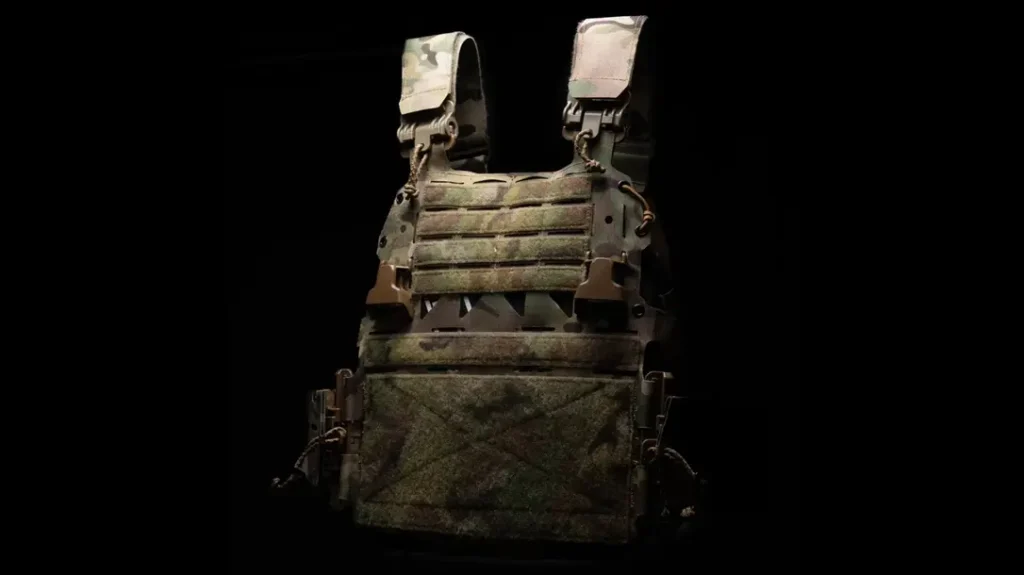
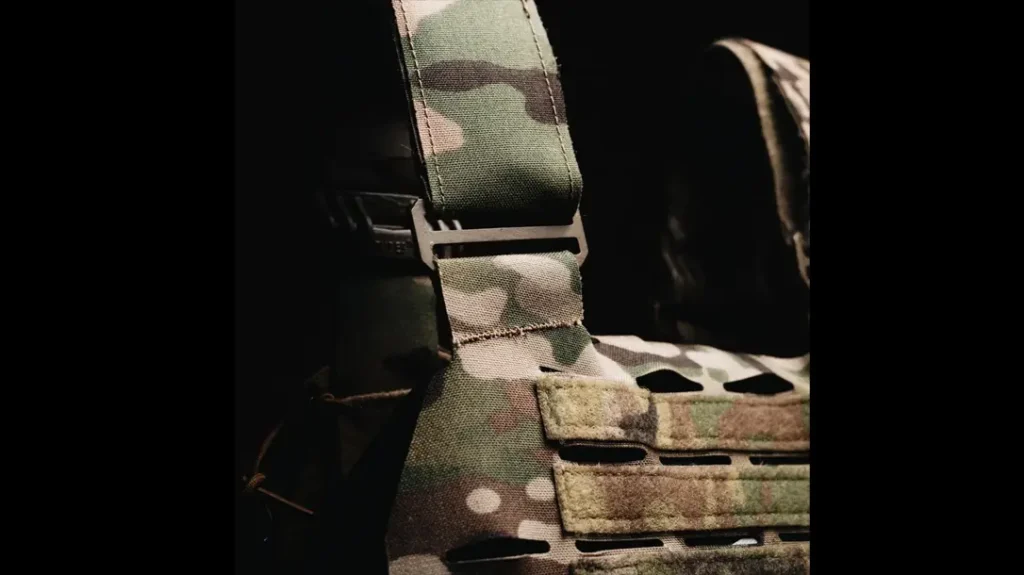



 Remember this order: Seatbelt → Window → Out → Up