Survival Gear is the most unused product until a natural disaster happens, then it’s the most desired products, but usually too late to help those that really need the help.

We sell around the World, and pride ourselves on offering a level of customer service that we would want to see ourselves if we were shopping online.
Our product ranges change regularly, so we hope that you come back to our sites to see some of the fantastic offers that we regularly have.

Get In Touch

12 Best Survival Knives For Taming The Wild

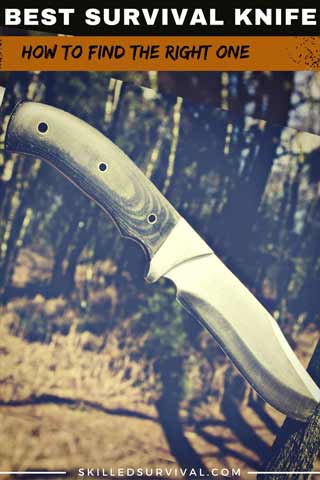
Best Survival KnifeFirst, I want to get one thing out of the way; there is no such thing as the “best survival knife.”

It doesn’t exist.

However, there’s quite possibly a “best survival knife for YOU.”

That difference may seem slight, but it’s of utmost importance.

Why? Because no two survivalists are alike.

We all have different goals and unique skills that make some survival knives better for you than others.

So this survival knife guide aims to provide you with the best information to make an informed decision on which survival knife to purchase.

Here’s exactly what we’ll cover in this guide:

As A Way To Introduce You To Skilled Survival, We’re Giving Away Our Ultimate Survival Gear Checklist. Click Here To Get Your FREE Copy Of It.

Best Survival Knives On The Market Today

Now that we have a general sense of what to look for in a good survival knife, let’s go through some detailed reviews of the top survival knives.

These detailed review videos will help you further understand what makes a good survival knife and get a sense of the best survival uses for each of these knives.

1 Our Top Pick


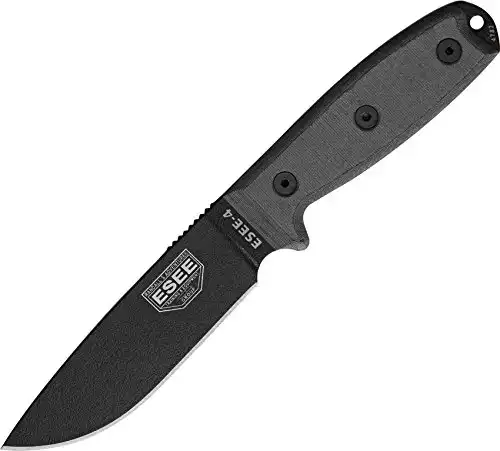
ESEE-4 Clip Point Survival Knife

The ESEE Model 4 was designed as an all-around tactical, survival, and bushcraft knife.

The minimalist design features full-tang construction, tough micarta or polymer grip scales, and easy to service hex-key screws. This makes it extremely durable and reliable.

It’s built of high-carbon 1095 steel, a great choice for all kinds of blades.

Many people will be tempted to go for a larger blade, but the 4-inch blade is perfect for the majority of tasks.

It holds an edge well and sharpens easily, though you do have to take care to keep it clean and lightly lubricated to prevent staining or rust.

The supplied sheaths seem to have varied over the production run, with some of the older versions missing the MOLLE attachments. Other versions sported a molded Kydex sheath which holds the knife securely in place.

The most recent version has a simple poly sheath, but ESEE still sells the Kydex sheath separately and at a reasonable price.

PROS

  • High quality 1095 steel blade
  • Minimalist design with few weaknesses
  • 4in blade is perfect for most knife tasks
  • Lifetime warranty

CONS

  • The blade does require regular maintenance
  • Different sheath designs may or may not include MOLLE attachments


Check Today’s Price

We earn a commission if you make a purchase, at no additional cost to you.

2


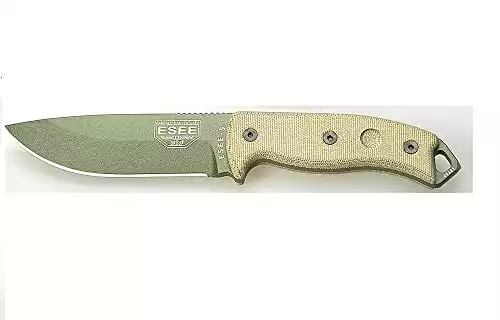
ESEE RC5POD-BRK Model 5

If the ESEE 4 just isn’t enough blade for you, ESEE still has plenty of models with a bit more heft.

The ESEE 5 is a solid survival and utility knife, with a 5.25″ blade carved from a single 1/4″ thick full-tang slab of high-carbon 1095 steel that’s over 1.5″ wide.

This gives the ESEE 5 an amazing level of durability for the heaviest chopping and batoning tasks.

The micarta handle scales are screwed on with hex key bolts, allowing you to fully service (and clean) your knife. The scales also feature a bow drill divot, designed to give you a secure point from which to apply pressure downward on the drill shaft when starting a fire.

It’s an excellent detail and WAY more secure than trying to find a rock or shell with a natural divot.

The heavy steel blade also features an extra survival detail – the pommel is a hardened point for breaking glass! 

PROS

  • Glass breaker on the pommel
  • Bow drill divot in the handle
  • High quality 1095 carbon steel
  • Durable micarta handles and Kydex sheath

CONS

  • Overall length (11in) might be unwieldy
  • Weight (16oz) is more than other similar sized blades
  • High carbon steel requires regular maintenance


Check Today’s Price

We earn a commission if you make a purchase, at no additional cost to you.

3


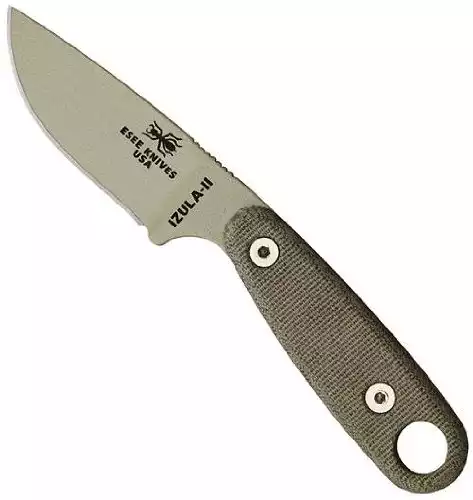
ESEE Knives Izula-II Fixed Blade Knife

When it comes to survival knives, bigger isn’t always better. The ESEE Izula-II is a perfect example of an EDC survival knife. Easy to carry, it’s the blade you can always have with you.

With a 2.625″ cutting edge and an overall length of only 6.25″, it’s one of the more compact knives in its class. But that doesn’t mean ESEE skimps on the features or construction

The Izula-II is built on a full-tang piece of high carbon 1095 steel, a great choice for all kinds of blades. It takes an edge well and is easy to sharpen.

The micarta scales are removable, in case you need to clean or repair them – but it also means you can strip the knife down and do a paracord wrap handle if you want.

However, the handle design is one of the key features of the Izula-II, making it easy to hold and work with on even the most delicate tasks (food prep, skinning, etc.), so I wouldn’t suggest that option unless you really want extra paracord on hand.

PROS

  • Compact and easy to conceal
  • High quality 1095 steel blade
  • Replaceable grip scales

CONS

  • The sheath does not include a belt clip
  • High carbon steel requires regular maintenance to prevent rust


Check Today’s Price

We earn a commission if you make a purchase, at no additional cost to you.

4 Budget Friendly Pick


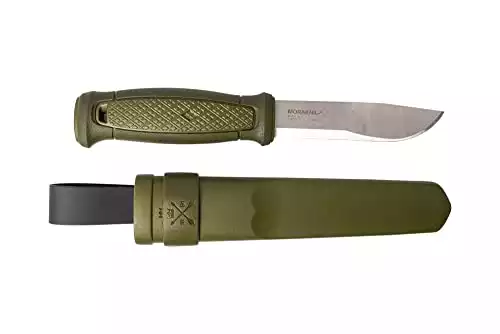
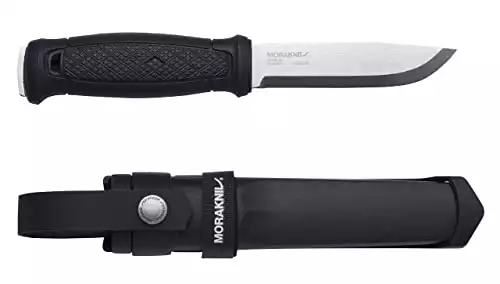
Morakniv Kansbol Fixed Blade Knife with Sandvik Stainless Steel Blade

If you’re looking for a high-quality stainless steel survival knife, the Morakniv Kansbol is a great option. It’s a versatile blade, built of the highest grade Swedish 12C27 stainless steel.

Right out of the box, the Kansbol is razor-sharp and exceptionally resistant to the rust and corrosion that plagues many knives. Stainless steel is also very hard, making it more difficult to ding or dull your blade.

The back of the blade is ground to a 90-degree edge, making a perfect surface to strike sparks and save wear and tear on the blade edge.

The tough polyamide injection molded handle and sheath are easy to grip and built to last.

They work well together, forming a click-lock closure that keeps the knife from accidentally falling out while on the move. In fact, there are two sheath options to choose from, depending on how you want to mount the knife. 

PROS

  • Highly resistant to corrosion
  • Durable handle and sheath
  • Holds an edge well
  • Lightweight for blade size
  • Multiple sheath options

Cons

  • Not a full tang design (partial tang)
  • Stainless is hard to sharpen


Check Today’s Price

We earn a commission if you make a purchase, at no additional cost to you.

5


Morakniv Garberg Full Tang Fixed Blade Knife

If you’ve looked into other Morakniv stainless steel survival knives, you know some of the benefits of a high-quality stainless blade. The Garberg takes all those benefits a few steps further.

It’s built on a full-tang slab of 14C28N stainless steel, extending 9 inches from the tip of the blade to the exposed pommel. This gives it unmatched durability and simplicity, with fewer parts to break.

The stainless steel comes razor sharp out of the box and will hold that edge for a long time, without corrosion or dulling. Like all stainless steel blades, you may find it more difficult to sharpen at home.

Similar to other Morakniv blades, the spine of the blade is square-ground to provide a good edge for sparking fire starters, which prevents damage to the sharp edge.

The Garberg also comes with one of three choices in sheath design, from a classic leather flap sheath to polymer belt or MOLLE compatible versions.

PROS

  • High-quality stainless steel resists corrosion
  • Multiple sheath options
  • Holds an edge well

CONS

  • Hard to sharpen
  • The handle is bulky, harder to hold if you have small hands


Check Today’s Price

We earn a commission if you make a purchase, at no additional cost to you.

6


Schrade Extreme Survival Full Tang Knife

Coming in somewhere between “knife” and “machete“, the Schrade SCH9 is over 12″ of full-tang steel with a (semi) kukri blade shape.

I say “semi” because there is little of the characteristic crook bend of a kukri, but the drop tip blade does have a large curve in the belly which puts the center of mass of the knife more towards the tip.

This makes it an efficient chopping knife for clearing brush, felling limbs and sharpening sticks, and splitting kindling. The blade is made of high-carbon 1095 steel, a great choice for all kinds of blades.

It takes an edge well and can be sharpened easily, though it does require regular cleaning and maintenance to prevent corrosion.

The textured elastomer handle is easy to grip and has great positive finger placements to keep the knife firmly in your control. It also makes it easier to use the exposed pommel as an improvised hammer to crack nuts, pound in stakes, or break glass.

The ballistic nylon sheath is workable but flops around a bit without the leg tie. However, I’d prefer a MOLLE compatible sheath and would consider an aftermarket upgrade.

PROS

  • Great for heavy chopping tasks
  • High quality 1095 steel
  • Solid handle design

CONS

  • The sheath is cumbersome in hip attachment configuration
  • The blade needs regular maintenance to avoid corrosion


Check Today’s Price

We earn a commission if you make a purchase, at no additional cost to you.

7


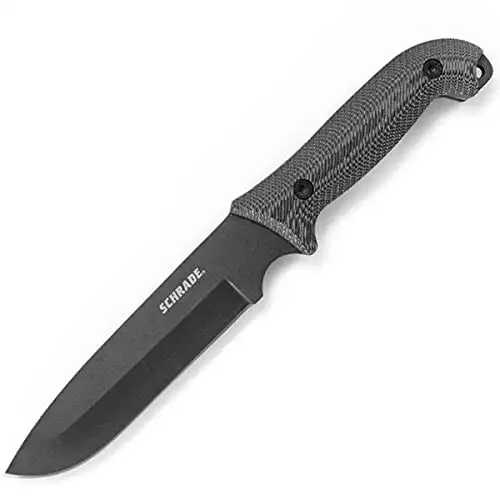
Schrade SCHF52M Frontier Survival Knife

The Schrade SCHR52M Frontier is a BIG knife, there’s no doubt about it.

The 7″ drop point blade is solidly built and up to all the heavy tasks you may find around camp. The high carbon 1095 steel holds a great edge and is a pleasure to sharpen.

At 13″ overall and nearly 18oz, it has the mass needed for chopping, splitting, and hacking at vegetation. The full-tang design even stands up to batoning and other high impact chores.

The micarta scales provide a great grip, while a large finger guard keeps your hand from slipping on to the blade. A lanyard hole means you can attach a paracord loop to clip off and keep from dropping the knife.

The polyester belt sheath is serviceable and holds the blade securely as well as the included Ferro rod firestarter and sharpening stone, but it’s not the most ergonomic or durable design. A MOLLE-compatible sheath would be a good addition and there are plenty available as replacements.

Finally, there have been some reports of QC issues from the company, but returns and warranty coverage have been good.

PROS

  • Solidly build full-tang design
  • Large

CONS

  • Heavy
  • The sheath isn’t the greatest


Check Today’s Price

We earn a commission if you make a purchase, at no additional cost to you.

8


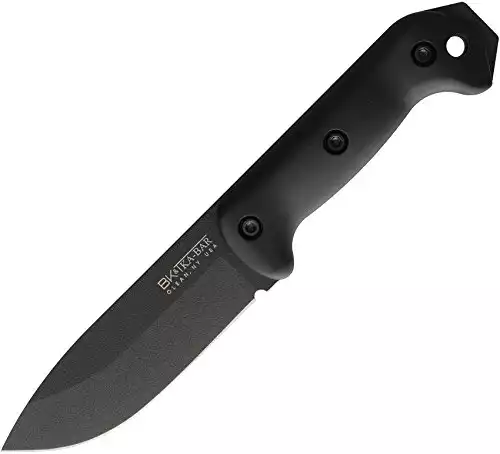
KA-BAR Becker BK2 Campanion Fixed Blade Knife

There may be no more storied fighting knife name than KA-BAR. They’ve accompanied US Marines for decades and earned a place in history.

The KA-BAR Becker BK2 Companion is a great design that takes some of the best features from both the legendary fighting blades and the most popular survival designs.

Built of high carbon/vanadium 1095 steel and featuring a full tang design, this is a solidly built and durable knife. At 10.5″ overall and over 5″ of sharpened edge, there’s a lot of blade to the Becker BK2, but it weighs in at just under 16oz.

The drop point blade design is perfect for fine detail tasks such as skinning and butchering game, with a smooth cutting edge that makes slicing easy.

The comfortable handle is made of Ultramid, a synthetic material that stands up to plenty of abuse, though they could stand a little more texture for grip.

A solid sheath made of glass-reinforced nylon keeps the blade sharp and secure, plus it attaches to nearly anything with a MOLLE compatible design.

PROS

  • Lightweight
  • Great blade design
  • Heavy-duty high-carbon 1095 steel

CONS

  • Knife lock-in sheath is hard to disengage
  • Ultramid scales are slick when wet


Check Today’s Price

We earn a commission if you make a purchase, at no additional cost to you.

9


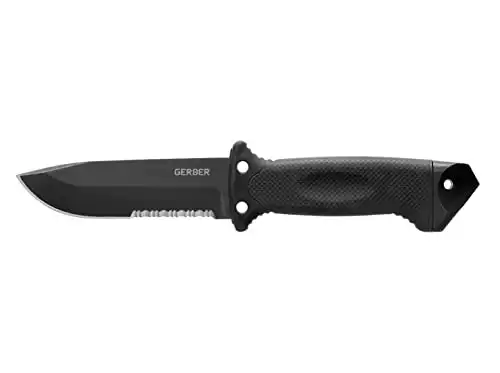
GERBER LMF II Infantry Knife

Gerber has been around for over 100 years, starting out in Portland Oregon in 1910.

The Gerber LMF was designed in cooperation with former military weapons experts and field-tested by US troops. This means you can trust the 10″ knife to stand up to the most rugged use.

The design gives you both fine cutting straight blade for slicing and the tough serrated edge to cut the toughest items (like seatbelts and rope).

The over-molded handle provides plenty of grip, ensuring that you don’t lose hold on the knife even in the worst conditions. It’s large enough to hold even while wearing gloves, but not too bulky for bare-handed use.

The pommel features a pointed stainless steel cap to punch through automotive glass, but it’s also separated from the steel of the blade, allowing for insulation to prevent electric shock. 

In a unique addition, the LMF II has lashing holes in the handle, designed to tie it securely to the point of a spear. Hopefully, you’ll never need it, but it does provide the option for a long-distance weapon in hunting or combat.

PROS

  • Lash points for use as a spear
  • Comfortable handle

CONS

  • Not a true full-tang design
  • Hard to sharpen serrated portion of the blade


Check Today’s Price

We earn a commission if you make a purchase, at no additional cost to you.

10


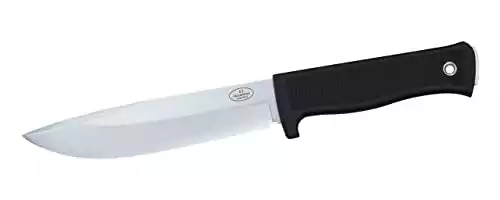
Fallkniven A1 Fine Edge Fixed Blade Knife

Fallkniven makes some of the best, most simplified survival knives out there.

They use extremely high-quality materials throughout and the craftsmanship is superb. In the case of the A1, this means a full 11″ of laminated vg10 steel, with a 6″ finely sharpened drop point blade.

The full-tang blade extends all the way to an exposed pommel, giving the option to use it as a striking surface. 

The rubberized handle is very grippy, with a slight diamond pattern. The finger guard is solid and keeps a good amount of material between your fingers and the blade.

The Zytel sheath is simple and protects and secures the blade nicely. It’s a rigid sheath, which does make it slightly less comfortable on the hip or thigh, but it does well attached to a pack or strap. Unfortunately, it’s not MOLLE compatible. 

However, as with any high-quality brand, there are plenty of attempted fakes. Laminated steel blades often show faint lines along the sharpened edge, similar to famous Damascus steel.

The fakes, made of lesser quality steel, often lack the fine striations but are otherwise identical in appearance. These inferior blades are prone to chipping and lose their edge quickly. So be sure to order from reputable dealers and inspect your blades immediately.  

PROS

  • Great VG10 laminated steel
  • Well balanced and solid design

CONS

  • Impostors abound
  • Expensive


Check Today’s Knife

We earn a commission if you make a purchase, at no additional cost to you.

11


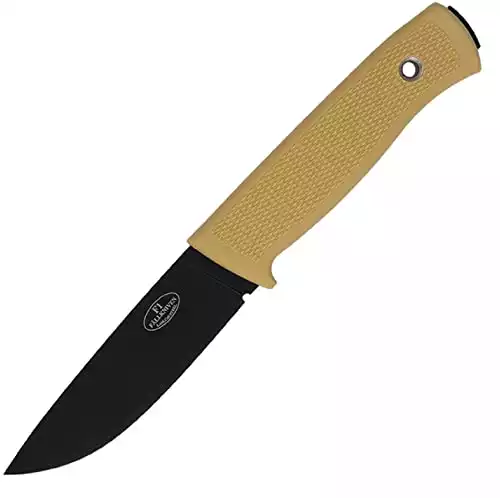
Fallkniven FN78 F1 Military Survival Knife

Fallkniven blades have a reputation for super high-quality materials and craftsmanship and the FN78 F1 is no exception.

At just over 8″ overall, it’s a compact survival knife with no gimmicks. The 4″ drop point blade is clean and simple, making it easy to sharpen and maintain. It’s perfect for detailed work like skinning and cleaning game. It’s not large enough or heavy enough for chopping or batoning kindling.

Built of COS steel, with a full-tang design and an exposed pommel, it’s built to last. The 90deg ground back edge makes it easy to strike sparks from a ferrocerium firestarter. The elastomer handle is easy to grip in any condition and doesn’t get brittle or tear with age and use. <

Like other Fallkniven blades, there are plenty of impostors for this one. As always, only buy from trusted dealers and be sure to inspect your knife on arrival. Inconsistent blade grinds and poor quality sharpening are the most obvious indications of a fake. <

PROS

  • Compact and well-balanced blade
  • COS steel is less prone to chipping

CONS

  • Impostors abound
  • Not big enough for chopping tasks
  • No sheath included


Check Today’s Price

We earn a commission if you make a purchase, at no additional cost to you.

12


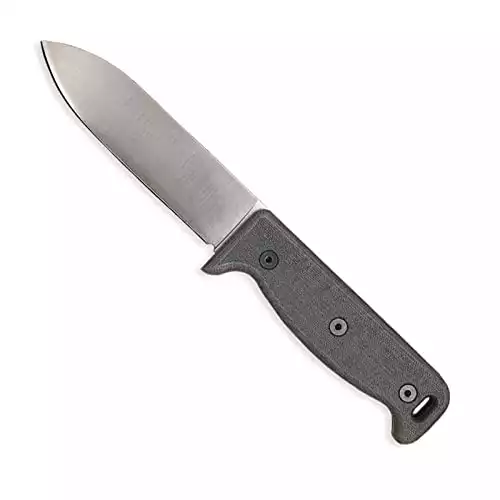
Ontario Black Bird SK-5 Knife w/ Sheath

Ontario Knife Company makes some very high-quality blades, and the Black Bird SK-5 follows through on that reputation.

A well-built stainless steel knife with a full-tang design, the SK-5 sports a 5″ blade, and a 10″ overall length.

It’s a great mid-size knife for nearly all the usual camp tasks. It might be a little small for batoning, but it chops, slices, and takes care of medium kindling with ease. 

The 154 CM stainless steel is highly resistant to corrosion and is built to last. It’s impressively hard and holds a fine edge as well. Of course, it can be hard to sharpen yourself.

The synthetic G10 handles are durable and easy to remove for cleaning, but the shape is rather blocky and not the most comfortable design. It IS possible to re-shape them yourself if you want to take the time to get it perfect. 

The MOLLE compatible sheath is well built and attaches well, making it convenient to keep your knife anywhere you need it. 

PROS

  • Stainless steel is corrosion resistant
  • Removable scales allow for cleaning and maintenance of the blade
  • MOLLEE compatible sheath

CONS

  • The handle is somewhat blocky


Check Today’s Price

We earn a commission if you make a purchase, at no additional cost to you.

As A Way To Introduce You To Skilled Survival, We’re Giving Away Our #78 Item Complete Prepper Checklist. Click Here To Get Your FREE Copy Of It.

The Best Survival Knife Features

Before deep-diving into all the available options for survival knives (such as blade design, blade edge, blade length, blade grinds, grips, etc.), let’s highlight the top survival knife features to choose the perfect survival knife.

These are the key survival knife features you’ll want in any survival knife you choose.

1. Size Matters

If it is too big, you’ll give up the ability to do detailed carving work like carving detailed snare sets or precision cutting.

Too small, and you’ll be compromising important survival skills like chopping, splitting, and batoning.

You need a knife small enough for precision yet large enough to be rugged for tougher tasks.

So you’re looking roughly in the 9 to 11-inch overall knife length.

2. Fixed Blade Only

A fixed-blade survival knife is exactly what it sounds like. The blade of the knife is in a fixed position. It does not switch, flip, or fold down.

The fewer moving parts mean a more durable knife for the long haul.

A tough, quality, constructed fixed-blade knife can handle some serious abuse. For example, one of the most abusive survival knife techniques is batoning.

Batoning with a knife is a brutal test.

I tried batoning with a high-quality folding knife once, and it destroyed the springs and clips within 5 minutes.

Since you need your knife to last while performing the most rugged survival skills, shop in the “fixed blade survival knife” category.

Don’t get me wrong, folder knives are awesome, and I carry a Kershaw Onion folder daily.

But they are not advisable for serious survival.

A fixed-blade knife is what you want for survival. It’s a blade you can stake your life on.

Folder blades have a weakness that fixed blades do not. They have a pivot joint that makes them foldable, and when you abuse a folding knife, the joint will eventually break.

3. Full Tang Only

The blade’s tang is the metal section wrapped in the knife’s handle.

A true full tang knife profile fills the entire handle with exposed metal around the edges, while a partial tang knife is where the metal is smaller and inside the handle.

Full tang knives are designed to withstand much more abuse than partial tang knives. If you beat on a partial tang knife, it will eventually come loose and develop play in the handle.

If the handle breaks off, it’s very difficult and dangerous to use a partial tang knife – while a full tang knife can be wrapped with some 550 paracord and still work nearly as well.

There are also rat-tail tangs and hidden tangs, which are even less durable than partial tangs.

So ideally, you want full tang for survival. But some partial tangs are decent for survival purposes as well.

The bottom line is the more metal in the handle, the better- yes, these knives cost a little more, but it’s worth it.

4. Sharp Spear Point Tips (or drop tips)

Many survival knife designers want to stand out from the crowd and design funky-looking knife blades with insane shapes.

They might look badass or cool, but they won’t function as well for you in survival situations.

Spearpoint or drop points are best for self-defense penetration and allow you to perform fine point work.

Unless you’re looking for a blade for your next Halloween custom – stick with the simple yet effective blade shapes of either a spear point or a drop point, and you won’t regret it.

5. Single-Edged Blade

Single-edged blades have only one side of the blade sharpened and are used for cutting, slicing, etc. – while double-edged blades are sharp on both sides.

And in survival, the flat side is as important as the sharp side.

First, it helps with detailed control. You can slide your thumb safely onto the flat edge, but this control technique is impossible if the edge is sharp.

Second, a double edge blade works against you when batoning to split wood. You beat down on a sharp blade and lose your striking power.

Third, using fire steel with a flat edge is much easier. A flat 90-degree grind is perfect for getting sparks from a Ferro rod.

6. Flat Handle End

Look for a survival knife where you can use the butt of the handle as a makeshift light-duty hammer. So you want the butt of the handle to be flat and not round.

This allows you to drive tent stakes into the ground or use your knife like a punch – where you drive the knife by hitting the bottom of it with a chunk of wood.

As A Way To Introduce You To Skilled Survival, We’re Giving Away Our Ultimate Survival Gear Checklist. Click Here To Get Your FREE Copy Of It.

A Deep Dive Behind Survival Knife Designs

In the next section, I want to dive deep into all the specific details behind different survival knife designs, the steel differences, the coatings, grinds, tangs, etc., and the pros and cons of each.

Specifically, we will be covering the following topics in detail:

  • Blade Design
  • Fixed vs. Folding
  • Blade Length
  • Blade Steel
  • Blade Grind
  • Tang Construction
  • Blade Coatings
  • Grips

Blade Design: Choosing The Right Blade

Deciding on the blade design shape is one of the most important factors when choosing your survival knife.

For example, in a survival situation, you’ll likely use every bit of the blade from the belly to the tip for all sorts of tasks.

So you need to have a basic understanding of all the blade shape options.

There are four main options when it comes to blade design (spear, tonto, clip, or drop point).

As we covered earlier, for survival, we recommend you go with a spear or drop for most survival knives.

Because these blade designs put the tip of the blade close to the centerline of the blade, which provides great control, it also lowers the weight at the blade’s tip, helping move the knife’s balance point closer to the hilt. This helps give the user greater tip control as well.

However, it’s always good to understand the applications for the other blade designs. You might already have your “go-to” survival knife, and you’re in the market for a specialty blade.

Here’s an excellent video overview of these main blade design options.

Fixed Blade Or Folding? Which Is Best For Survival?

Fixed-blade knives are what you want for wilderness survival.

However, fixed-blade knives are more cumbersome to carry. You can’t carry a large fixed-blade knife around unnoticed.

So for everyday carry needs, you should look into a folding knife. They are ideal for everyday carry situations when you’re not trying to build survival shelters or start fires in the wild.

But for a proper survival knife, you need something extremely durable that will not break under intense use and abuse.

Yes, a good pocket knife should be in your pocket, but it should never be your primary survival knife for extreme situations.

Blade Length: From Short To Long

The length of a knife’s blade determines how useful it is for certain tasks. Choppers are your larger machete-like blades, while precision bushcraft work is best with smaller carver blades.

You want a bit of both for survival, so the best survival blades tend to be in the medium-size range.

Survival Blade Steel: What’s It Make Of?

High carbon steel (i.e., 1095, 5160, 01 or A2) vs. stainless steels (i.e., 420HC, 440C, AUS-8 or AUS-10) – as you can tell, there are a lot of blade steel options.

In layman’s terms, high-carbon tool steels tend to be tougher than stainless steel, making them harder to break but more susceptible to corrosion.

They also are easier to sharpen than stainless, but they won’t keep an edge as well.

If you want to understand the difference in blade steels, you have to think like a knife maker. The following video deep dives into all the various steel options.

Worth watching if you want a great introduction to blade steel choices.

Blade Grinds: What’s The Difference?

There are several blade grind options for any knife design. Each grind has pros and cons, depending on how you want your tactical knife to perform.

However, for survival knives, two specific blade grinds stand above the rest, the saber and flat grinds.

The saber grind has a short primary bevel from the cutting edge to the back of the blade. This creates a thicker edge that’s harder to sharpen to a very fine point but will hold its edge better when chopping and splitting.

The flat grind is a compromise between the saber grind and a hollow grind.

A hollow grind concaves inward from the blade edge to the cutting point, making the cutting edge extremely sharp and prone to chipping and damage under intense use.

So a flat grind has a bevel that goes from the cutting edge all the way to the back of the blade. This allows for a much finer edge than the saber grind but is not as fragile as the hollow grind.

If this sounds confusing, watch the videos below for an excellent introduction to the basic knife grinds.

Tang Construction: Full Or Partial?

We only recommend you invest in a full-tang survival knife. We discussed it previously so I won’t go over it again.

However, some future knife enthusiasts may want an introduction to partial tangs (rat tail tang, narrow tangs, hidden tangs).

The following video gives a nice introduction to this interesting knife topic.

Blade Coating Options

The science of blade coatings is detailed and complex. However, it’s interesting chemistry.

This video provides a detailed overview of 6 different blade coatings put through an extensive series of tests. Make sure to watch to the end to find out which blade coating holds up the best.

Handle Material: Understanding Grips

The grip of a survival knife is critical to its performance. You need a tough grip that won’t break under intense forces. Yet it feels comfortable in your hands.

You also want a grip that won’t absorb moisture which can lead to handling rot.

A few of the most popular knife handle materials are Wood, Micarta, G-10, Zytel, Krayton, or Hypalon.

The following video goes into a nice introduction to some of these handle materials.

Grip Techniques

Finally, I wanted to share a bit of information on grip techniques. I think it’s as important (maybe more) to invest time learning how to use your new survival knife.

A survival knife is important but only useful in the right hands.

So watch the following video to get an introduction to how to use your survival knife once you decide on which one to buy.

Survival Knife Wrap Up

Survival knives come in all sorts of shapes, sizes, and designs.

You must decide for yourself which survival knife is best suited for your needs. The good news is you should invest in multiple survival knives. You should have a survival knife for your bug-out bag, one for your survival pack, one for your medical first aid kit, and one for your get-home bag.

I don’t know anyone serious about survival who owns just one knife. Over the years, we accumulated many survival knives, each serving a specific purpose.

For example, here’s a good video by a survival expert who shares his impressive collection of survival knives with us.

Remember: Prepare, Adapt, and Overcome,
“Just In Case” Jack

P.s. Are you ready for the tough times ahead?

Find out now by taking my short Readiness Score Quiz – it’s absolutely free.
Once complete, you’ll know exactly where you stand on the “fragile” vs.” resilient” spectrum.

The post 12 Best Survival Knives For Taming The Wild appeared first on Skilled Survival.
TESTED: Shooting the Smith & Wesson PC M&P9 M2.0 Competitor

@media (max-width:576px) { .read-more-content { height: 300em; } }

Smith & Wesson just announced an exciting new addition to its famed Performance Center line of guns. The new PC M&P9 M2.0 Competitor comprises a metal-framed pistol built right out of the box for competition.

S&W Performance Center M&P9 M2.0 Competitor

The metal-framed 9mm pistol comes with a 5-inch barrel. It features an enhanced sear for lighter, crisper let-off. It also includes a flared magazine well for fast and efficient reloads.

But what jumps off the page is the stylish new look. It includes aggressive lightening cuts on both the top and sides of the slide, ultimately reducing the amount of weight in front of the chamber. That design helps improve the recoil balance point, according to S&W. We know it sure looks pretty wild, and awesome we think, as well.

The slide features a cut for optics, but also includes a fiber-optics front sight and blacked out, serrated rear sight. The Competitor comes with an oversized mag release that is reversible for both right- and left-handed users. The pistol with with a total of four magazines. The pistol delivers an overall capacity of 17+1 (or 10+1). Finally, the pistol comes with a Tungsten Gray Cerakote or black Armornite slide finish.

The Competitor retails for $999. For even more info, please visit smith-wesson.com.

The M2.0 Competitor comes out-of-the-box ready for competition.

S&W Performance Center M&P9 M2.0 Competitor Specs

  • Caliber: 9mm Luger
  • Overall Capacity: 17+1
  • Optics: Yes
  • Overall Length: 8.25 inches
  • Front Sight: Green Fiber-Optics
  • Rear Sight: Serrated, Blacked-Out
  • Action: Striker-Fired
  • Grip: Interchangeable Backstrap Inserts (4)
  • Barrel Material> Stainless Steel
  • Slide Material: Stainless Steel
  • Barrel Twist: 1:10″
  • Overall Barrel Length: 5 icnhes
  • Overall Weight: 29 ounces
  • MSRP: $999

Editor’s Take:

Ok, S&W comes out swinging with the Competitor. We’ve been fortunate to get our hands on many Performance Center firearms in the past. And they simply never disappoint. Function and fit certainly always impress. Better still, these guns perform. A steel-framed M&P, radically cut and tuned to PC performance? Yeah, that one sure ought to be a winner. Shooters talk a lot about out-of-the-box ready guns. It appears S&W delivered just that with this blaster.

Didn’t find what you were looking for?

The post TESTED: Shooting the Smith & Wesson PC M&P9 M2.0 Competitor appeared first on Ballistic Magazine.

Canned Food Shelf Life: Read Before You Toss

Canned Food Shelf LifeCanned Food Shelf Life – Is It Really Safe One Day

And Then Bad The Next?

Are you getting ready to throw out that can of green beans just because it’s a week past its “best by” date?

Maybe you should.

Why chance eating something that could make you sick? If the label says it’s past its prime then IT’S EXPIRED. Right?

In normal times, that’s fine. I won’t challenge that logic. It’s hard to argue that taking the extra risk worth it if the only upside will only amount to saving a couple of dollars. I’m right there with ya.

But what about when times are not normal? Would you be so quick to toss your “expired” can of green beans if calories were as scarce as water in a desert?

After SHTF, those “best by” date guidelines won’t matter. Trust me, extreme hunger will blur those lines.

What if that can of “past its prime” green beans was the only food you came across for 3 days. What if that same can of green beans meant food for your starving family?

You’ll still toss that green bean can in the trash, but it will be entirely empty of all its delicious contents. You will eat it and it will taste amazing.

And what about the chance of getting sick? There’s still that risk, but depending upon several factors, that risk is way overstated.

So today I’m going to cover the following topics in detail, specifically:

Note: Feel free to skip ahead to the sections you are most interested in using the navigation links above.

As A Way To Introduce You To Skilled Survival, We’re Giving Away Our #78 Item Complete Prepper Checklist. Click Here To Get Your FREE Copy Of It.

Measuring Ruler

Are “Best By” Dates An Exact Science?

The simple answer is NO. How can they be?

There are too many variables outside of a food manufacturer’s control to come up with a reliable expiration date science.

The 2 main variables that affect canned food’s storage shelf life are:

1. Temperature Exposure

Extremely high temperatures will compromise most foods. Unless you are turning grapes into raisins or actually cooking your food for consumption, you don’t want to store canned goods in high-heat environments.

What’s worse is large temperature variations. Food left in high temperatures, then low temperatures, and then back to high temperatures, its shelf life will be compromised.

Unheated, uninsulated garages or attics = terrible storage locations.

2. Can integrity

The second variable to watch out for is can damage. If a can was dropped, crushed, or dented in any way then the integrity of the can comes into question. Damaged cans may have seal issues.

If a can is damaged then the odds go up significantly of air penetrating the can. Organic matter (food) exposed to air will tend to mold. Moldy food is bad and can make you sick.

Of these two variables, the food manufacturer can only really control the second one. And only before it ships. Once it’s shipped from the canning factory, they no longer control this variable either.

For instance:

  • A forklift could puncture the can during loading.
  • Shifting pallets often crush the cans on trailers in traffic.
  • A 17-year-old stock boy could accidentally drop it when distracted by a cute girl from his class saying “Hi”.
  • Your toddler might decide to toss it out of your grocery cart, just for fun.

These are variables that food manufacturers have no way to control.

So if you were in the same shoes as the food manufacturer and you’d be held responsible (i.e. sued) for someone getting sick on your food after the “best by” date, would you choose a conservative or liberal label date?

Would you err on the side of a shorter date? Or would you err on the side of a longer one?

Yeah, exactly, you would err heavily on the side of a shorter date. The shorter the better.

Plus, by erring on the side of a shorter date the food manufacturers are helping to sell more.

That’s the definition of a Win/Win (for them).

How’s that? If people follow their “expiration” dates and those dates are short (a couple of years) then people will either:

1. Consume the product faster

OR

2. Toss out the old stuff and buy new

Either way, it will equal more sales of their product.

Let’s imagine someone purchases their canned food product and the label said it was good for 20 years. A lot of people would let that sit on their shelves for a very long time. If enough people did that, then the food manufacturers are hurting their repeat sales volumes.

Another clue that canned food shelf life dates are arbitrary suggestions is that they now don’t even say “Expiration Date”.

Nowadays the majority of canned food stamps have “Best By” or “Best If Used By” labels on them.

This is a dead giveaway of the canned food expiration date hoax.

Of course, fresher food is always better. No one is arguing that fact. However, not being “best” and not being consumable are miles apart.

As A Way To Introduce You To Skilled Survival, We’re Giving Away Our Family First Food Planning Guide. Click Here To Get Your FREE Copy Of It.

Proof Of Longer Shelf Lives From The Past

Did you know that the excavation of canned goods over 100 years old, proved to be completely safe to eat?

In 1865, a steamboat loaded with canned provisions left port for the mining camps in Montana. Unfortunately, it had too many provisions and the weight of the vessel caused it to sink early on in its journey.

It sat at the bottom of the Missouri River for nearly a century. Among the provisions were cans of plum tomatoes, mixed vegetables, peaches, oysters, and honey.

In 1974, several scientists at the NFPA checked the content of the cans. They found that the products still had significant nutritional value and zero microbial growth.

In fact, the chemists found that these canned goods were just as safe to eat in 1974 as they were to eat 100 years earlier.

OK so now you know expiration dates are essentially meaningless when it comes to canned food. Does that mean canned food can never go bad? No…they definitely can.

You must learn how to tell the difference between canned foods that are safe to consume and those that are not.

As A Way To Introduce You To Skilled Survival, We’re Giving Away Our Family First Food Planning Guide. Click Here To Get Your FREE Copy Of It.

Check Expiration Dates At The Time Of Purchase 

If you’re stockpiling food for SHTF, then it is important to know which canned foods give you the most bang for your buck.

If you are going to invest in canned goods then it is best to check the “best by” dates when purchasing. As you might with a loaf of bread or gallon of milk.

Choose the cans from the back of the grocery store shelves that have the very furthest out “best by” dates.

This doesn’t mean that you have to discard them the day they expire. It’s just selecting the newest and freshest produce available at that time of purchase.

As A Way To Introduce You To Skilled Survival, We’re Giving Away Our #78 Item Complete Prepper Checklist. Click Here To Get Your FREE Copy Of It.

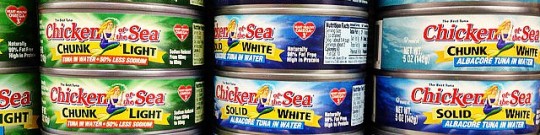
Canned Tuna

Best Canned Foods On The Market Today

In the canned food category, canned meat tends to last the longest. Meats such as beef stew, Spam, tuna fish, etc. tend to have quite long shelf lives.

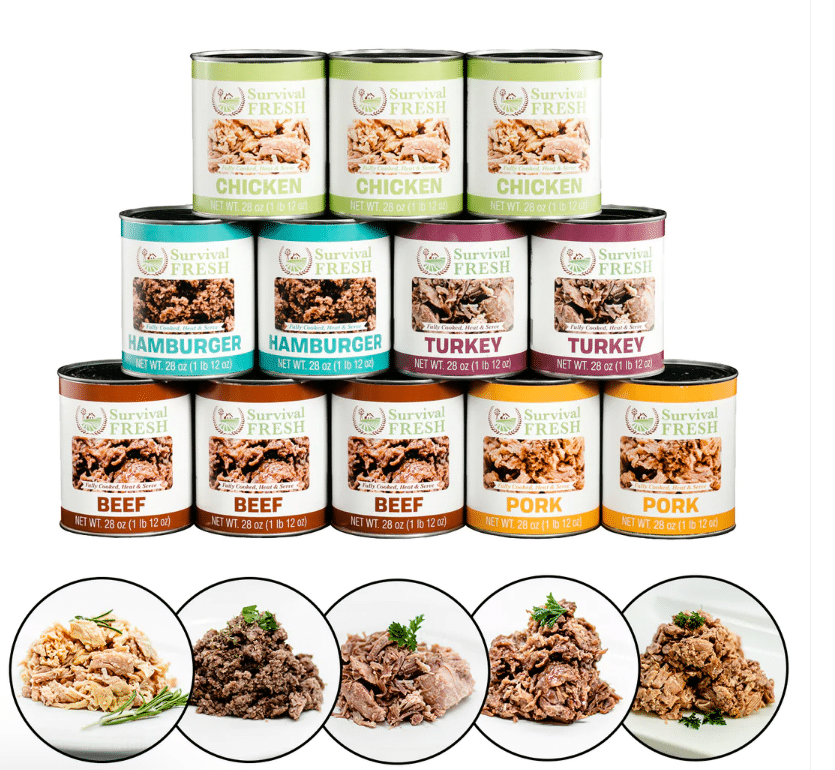
For example, these All-Natural Mixed Canned Meats By Survival Fresh have a 25-year shelf-life!

Survival Fresh Canned Meat Selection

If you want to stock high-quality canned meat for your emergency supplies with a single order – look no further than these deals from Survival Fresh!

First off, these canned meats are delicious.

Just check out some of these reviews – they speak for themselves. Preppers, campers, and meat lovers have rated them the “best survival food” time and time again.

The bottom line is: This ain’t your father’s can of Spam!

Not only does it taste great but Survival Fresh meats have an ultra-long shelf-life of 25 years! This gives you the confidence to buy in bulk and store them away in your survival pantry.

But how does Survival Fresh Canned Meat last so much longer than any you’d pick up at the grocery store?

Survival Fresh Canned Meat

The Survival Fresh Meat is first sealed uncooked into the cans, then its sealed and slow-pressure cooked. This provides a much longer shelf life. 

Grocery store cans of meat are lucky to have an 18-month expiration date. And they’re often loaded with fillers, preservatives, and growth hormones.

Only with Survival Fresh Meats can you enjoy all-natural healthy protein with a shelf life of 25 years.

But remember canned food shelf life has as much to do with how you store it, as with which foods you choose to buy.

For example, you can significantly increase the canned food shelf life of soup or canned bread by storing it correctly.

As A Way To Introduce You To Skilled Survival, We’re Giving Away Our Family First Food Planning Guide. Click Here To Get Your FREE Copy Of It.

Canned Food Shelf Life Storage

Best Canned Goods Storage Tips

To prolong your canned food shelf life, focus on good canned food storage techniques. Keeping any food fresh past its typical shelf life depends on the conditions in which you keep these emergency food items stored.

1. To begin with, never buy dented cans.

Sure, many people say there is no issue buying cans with dents. This is true if consumed quickly but if you’re stockpiling food goods, a dented can is a liability.

Don’t settle for cans or jars lids that have even minor damage. Cans with damage will lead to premature bacterial growth over time. This is often more important than the expiration dates label.

2. Canned food shelf life can be significantly affected by moisture.

You want to control the humidity in your storage environment.

Dry foods can pick up moisture that can lead to mold and bacterial growth. Moisture can also lead to the breakdown of packaging containers, such as aluminum or tin cans.

As these containers oxidize and rust, they can affect the canned food shelf life.

3. Mid-range temperatures are best to improve canned goods’ shelf life.

Shoot for temperatures ranging from about 40 to 70 degrees Fahrenheit.

A study conducted by Brigham Young on wheat over the long term showed that wheat kept in cool storage, such as a basement, would be edible for years.

Wheat stored in a hot environment such as an attic would only be acceptable for consumption for five years.

On the flip side, canned food shelf life can be significantly decreased if items become frozen even if just for a short period.

4. The shelf life of canned food can also be negatively affected by direct sunlight.

While you may enjoy laying in the sun and baking, your canned goods won’t take very kindly to this process. The heat from direct sunlight will speed up the deterioration of the cans and the contents as well.

Want a Downloadable and Printable Version Of This Prepper’s Checklist? Click Here To Get Your FREE Copy Of It.

Expiration Date

Are CAnned Goods Safe To Eat After Expiration?

Canned food expiration dates don’t mean you have to throw the food out. Yet they can serve as a guideline to help you rotate your usage of these products.

They can also serve to let you know which products last longer than others. Using them simply as a reference can be helpful, as long as they are not taken too seriously.

You will not die if your green beans are a month or even a year past their expiration date if you are storing your canned goods properly to ensure that these foods last as long as possible.

But how do you know if the canned goods on your shelf are still safe to consume years past the expiration date?

There are some tell-tale signs if the shelf life of your canned food has truly passed.

The following are some signs that the food in those cans may become contaminated.

1. Don’t just look at the expiration dates on canned food.

Look at the cans themselves. Do they have dents or rust, or are they bulging?

These are signs that the food items contained in them have become compromised.

Also, the shelf life of canned food can be compromised in jars that have signs of corrosion on the lid and liquid seeping under the lid of the jar.

You should discard jars with this appearance.

2. The nose really does know.

A bad smell is a helpful indicator of rotten food. So if you’re uncertain about the shelf life of canned soup, for instance, simply open it up and take a big whiff.

A bad odor will serve as a good indicator and will let you know in most cases if the contents of the can are bad.

3. A few more signs to look out for.

Discoloration. Although by itself this might not be anything to fear, with any other signs of contamination present, it’s best to discard this food.

Don’t consume eggs that float in water.

Also, any can or jar that spurts liquid upon opening is a good sign that the food is bad.

Mold is another indicator that the food has spoiled.

As A Way To Introduce You To Skilled Survival, We’re Giving Away Our Family First Food Planning Guide. Click Here To Get Your FREE Copy Of It.

Final Thoughts On The Food Expiration Date Myth

It is important to realize that the dates on canned goods simply don’t matter.

What really matters is what is in the can. If you store canned goods in ideal conditions and take good care of them, they can live well past the expiration on the can.

So when you ask yourself, “what is the shelf life of canned food?”

Keep in mind that the food is fine to eat for years to come. Using some basic common sense tips can go a long way in helping to feed your family through tough times.

If you have concerns about the quality of the contents of a can of food you are about to consume then err on the side of caution.

It’s better to be safe than sorry.

But don’t hesitate to use your five senses to assess the shelf life of canned food. This is a better way to tell if canned foods are still safe to eat than any arbitrary date printed on the packaging.

P.s. Are you ready for the tough times ahead?

Find out now by taking my short Readiness Score Quiz – it’s absolutely free.
Once complete, you’ll know exactly where you stand on the “fragile” vs.” resilient” spectrum.

Photo Credits: Top / Ruler / Ship Wreck / Date / Cans

The post Canned Food Shelf Life: Read Before You Toss appeared first on Skilled Survival.

We Are About To See The Biggest Escalation Of The War In Ukraine So Far


We are getting dangerously close to a point of no return.  For months, both sides have been continuously escalating the war in Ukraine, and now it appears that we are on the verge of the biggest escalation of them all.  As I have been repeatedly warning my readers for weeks, the Russians have been gathering hundreds of thousands of fresh troops for a massive winter offensive.  The exhausted Ukrainian forces are already stretched incredibly thin, and the losses that they have been suffering over the past couple of months have been nothing short of catastrophic.  If the Russians decide to bring the hammer down, the Ukrainians will be in very serious trouble.

Of course this is completely contrary to the propaganda that we have been fed for months.  We have been told over and over again that “the Ukrainians are winning”, but that was just a bunch of nonsense.

Now reality is setting in, and the Ukrainians are openly warning that “Russia is preparing for maximum escalation”

Russia is preparing to launch a major new offensive against Ukraine in the coming weeks, a top Ukrainian security official said, adding to mounting concerns in Kyiv and the West that the Kremlin is preparing a renewed push to seize large areas of the country.

“Russia is preparing for maximum escalation,” said Oleksiy Danilov, the secretary of Ukraine’s National Security and Defense Council, in an interview with Sky News published online early Wednesday local time. “It is gathering everything possible, doing drills and training.”

Yes, if the Russians send hundreds of thousands of fresh troops pouring into Ukraine, it will definitely be considered an enormous escalation of the conflict.

Another Ukrainian official is claiming that the Russians have gathered a total of 500,000 troops for the coming offensive…

Ukrainian Defense Minister Oleksii Reznikov told French media on Wednesday that Russia had 500,000 troops ready for an attack to come in weeks. That number is far higher than the 300,000 newly enlisted soldiers Russian President Vladimir Putin called up this past autumn.

“Officially, they announced 300,000, but when we see the troops at the borders, according to our assessments it is much more,” Reznikov said.

If that number is accurate, this Russian force is much, much larger than the force that originally invaded Ukraine.

In other words, it looks like the Russians have decided that it is time to stop messing around.

According to Reznikov, the Ukrainians are anticipating that the Russians will attack from the east and the south

He said Russia was likely to ‘try an offensive on two fronts’: In the country’s east, which has been at the centre of brutal fighting in recent months, and in the south.

That assessment may indeed turn out to be accurate.

But I think that the best move for the Russians would be to bring down a hammer blow from the north.

In any event, once the Russians commit hundreds of thousands of new troops to the war, there will inevitably be a response by the western powers.

So what will that be?

Well, former UK Defense Minister Sir Gerald Howarth says that it may become necessary to send NATO troops into Ukraine.

Of course if that happens we will have NATO troops and Russian troops directly firing at one another.

And once we get to that stage we are just a hop, skip and a jump away from nuclear war.

The Russians understand this very well, and Russian President Vladimir Putin just threatened us with nuclear weapons once again

“Those who draw European countries, including Germany, into a new war with Russia, and … expect to win a victory over Russia on the battlefield, apparently don’t understand that a modern war with Russia will be quite different for them,” he added.

“We don’t send our tanks to their borders but we have the means to respond, and it won’t end with the use of armoured vehicles, everyone must understand that.”

Here in the western world, the “experts” keep assuring us that the risk of nuclear war is very low.

But on Russian television, nuclear war has become a central theme.

In fact, just the other day a video that simulated a Poseidon doomsday weapon being used against the UK was broadcast to a nationwide audience

Russian state TV have broadcast a mock video of the UK being obliterated by a tsunami set off by a nuclear missile sent from Moscow.

The sick footage shows a Russian state anchor revelling as the missile plummets into to the North Atlantic Ocean, sparking a giant tidal wave that engulfs both Ireland and the UK.

We need to try to find a peaceful way out of this mess while we still can.

Because once the first nuke is used, there will be no going back.

Meanwhile, we just continue to get even closer to a war with China

Just days after a top U.S. military official warned that the United States should be prepared for a war with China over Taiwan in 2025, Beijing on Wednesday conducted the largest incursion of Taiwanese airspace in weeks.

Taiwan’s Ministry of National Defense reported that 34 Chinese military aircraft, along with nine naval vessels, were detected near the self-governing island at around 3 a.m. local time.

And the North Koreans are warning that recent actions by the U.S. have pushed matters on the Korean peninsula to an “extreme red line”.

On top of everything else, we have reached a point where a full-blown war between Israel and Iran could literally start at any moment.

When the missiles start flying, the elite will run off to their doomsday bunkers.

Where will you go?

You might want to start thinking about that.

As I discuss in my latest book, if you live anywhere near a nuclear missile silo or a military base, I would highly suggest relocating.

Leaders all over the globe seem to be catching “war fever”, and eventually somebody is going to push things too far.

We truly are on a collision course with destiny, and right now those that are running things have absolutely no intention of changing direction.

***It is finally here! Michael’s new book entitled “End Times” is now available in paperback and for the Kindle on Amazon.***

About the Author: My name is Michael and my brand new book entitled “End Times” is now available on Amazon.com.  In addition to my new book I have written six other books that are available on Amazon.com including “7 Year Apocalypse”“Lost Prophecies Of The Future Of America”“The Beginning Of The End”, and “Living A Life That Really Matters”. (#CommissionsEarned)  When you purchase any of these books you help to support the work that I am doing, and one way that you can really help is by sending copies as gifts to family and friends.  Time is short, and I need help getting these warnings into the hands of as many people as possible.  I have published thousands of articles on The Economic Collapse BlogEnd Of The American Dream and The Most Important News, and the articles that I publish on those sites are republished on dozens of other prominent websites all over the globe.  I always freely and happily allow others to republish my articles on their own websites, but I also ask that they include this “About the Author” section with each article.  The material contained in this article is for general information purposes only, and readers should consult licensed professionals before making any legal, business, financial or health decisions.  I encourage you to follow me on social media on Facebook and Twitter, and any way that you can share these articles with others is definitely a great help.  These are such troubled times, and people need hope.  John 3:16 tells us about the hope that God has given us through Jesus Christ: “For God so loved the world, that he gave his only begotten Son, that whosoever believeth in him should not perish, but have everlasting life.”  If you have not already done so, I strongly urge you to invite Jesus Christ to be your Lord and Savior today.

The post We Are About To See The Biggest Escalation Of The War In Ukraine So Far appeared first on End Of The American Dream.

How Much Emergency Food Should I Have? THIS Much

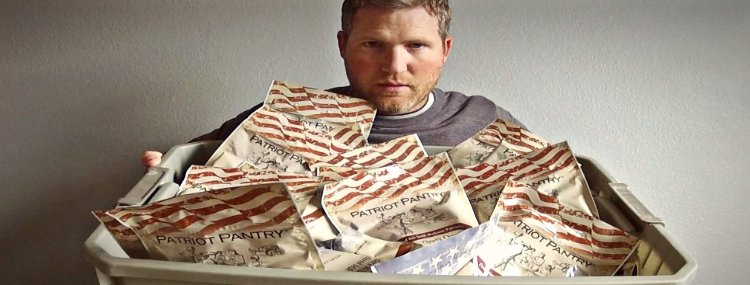
Today, I’m going to give you the definite answer you’ve been looking for on: “How much food you should be stockpiling?”
I’ve been helping people prepare since 2013, and one of the biggest questions I get asked is,

How Much Food Should I Be Stockpiling… 

So, let’s roll up our sleeves and figure this out once and for all!

As A Way To Introduce You To Skilled Survival, We’re Giving Away Our #78 Item Complete Prepper Checklist. Click Here To Get Your FREE Copy Of It.

Whenever I get the question, “how much emergency food should I have”? I immediately follow up with a question of my own.

How Much Emergency Food Do You Currently Have?

Calculating How Long Your Food Stockpile Will Last

To get the total number of days your stockpile will last, you need to take the:

Total calories in your stockpile ÷ Calories your family needs per day

Let’s start with the top half of the equation.

Calculating How Many Calories You Have

Ideally, your pantry is well organized, making the process much faster. But if it’s not…perhaps this will allow you to do so…?!?

Because you’re about to take inventory. Yup. Just like ALL successful retail businesses do regularly.

Now you may ask, “Should I count EVERYTHING” on my shelves? If it’s shelf stable and you replace it regularly, then YES, count it.

Sure, some items will fluctuate as you use them up and then buy more. But a snapshot of the shelf-stable calories in your pantry is “close enough” …

Obviously count all freeze-dried foods, MREs, canned meats, and #10 Cans.

Also, don’t count ANY calories in your refrigerator or freezer.

The only exception is if you have a robust backup energy plan or you are already living off the grid.

A robust backup energy plan means having a Power station (or a generator with a few weeks of fuel). Otherwise, I DON’T count your refrigerated and frozen goods.

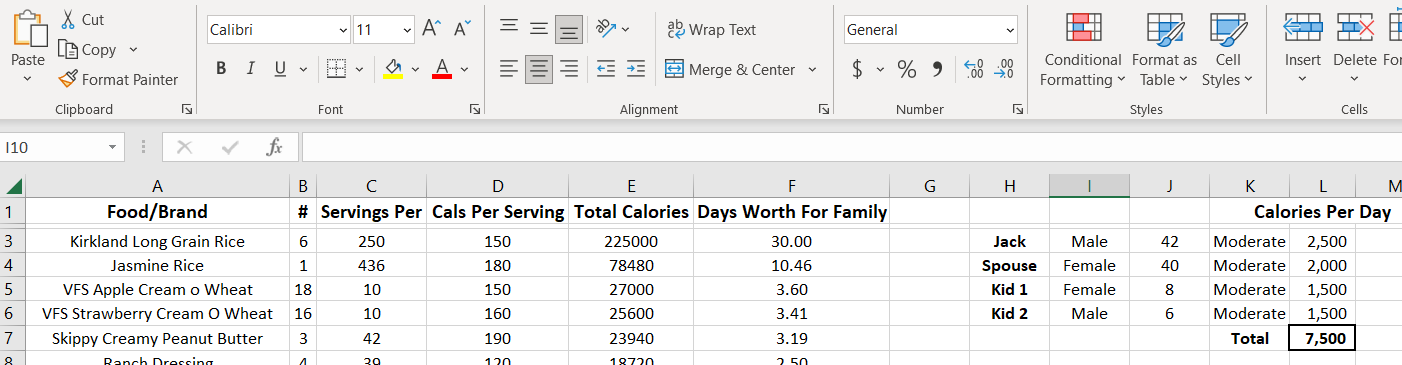
I used a simple spreadsheet for this to help make the calculations easy. Plus, I can sort and filter as needed later with a spreadsheet.

Jacks' Food Stockpile Spreadsheet Image

Start by making a few columns titled:

  1. Food – Brand
  2. Number of items (pouches, bags, containers)
  3. Servings Per Container
  4. Calories per Serving
  5. Total Calories

Once you fill out an entire row with that info, multiply the “number of items” by the “servings per container” by the “calories per serving.”

Note: watch the video above if you need help with this.

This will give you the number of calories you have in your inventory for THAT specific food item.

Now, you need to be careful here. I added the Brand to the first column because not ALL brands use the same servings/calorie info.

For example, separate Brands of canned beans may seem identical but often are not. The difference can add up, especially if you have a lot of green beans…

Now, IF the foods are the same, AND the info per serving is the same, you can put them in the same line. Otherwise, if any of those numbers are different, add a new line item.

Now keep going and inventory everything that makes sense for you. Once done, you should add up all the calories.

And now you know exactly how much non-perishable food you currently have.

This calorie number may seem massive if you’ve got a decent-sized stockpile.

Perhaps even a few hundred thousand calories, like 358,753 or something like that.

WOW. Massive, right? Not so fast…

Having your total calories may seem like an important number to know, but it’s not all that helpful…yet.

Why? Because it’s relative to the size of your family, right?

For example, 358,753 calories is a stellar emergency food stockpile for a retired couple of 2. But what about a growing family of 5? Not so much.

That’s why we need to figure out how many calories YOUR family consumes each day…

How Many Calories Does Your Family Need Per Day?

At first, this may seem like a difficult task, but with the proper tools, it’s easy.

You must figure out how many replacement calories each family member needs daily.

  1. And this is NOT the same for males and females.
  2. It’s also NOT the same for babies, kids, young adults, adults, or mature adults.
  3. And it’s NOT the same for those who live an active or sedentary lifestyle.

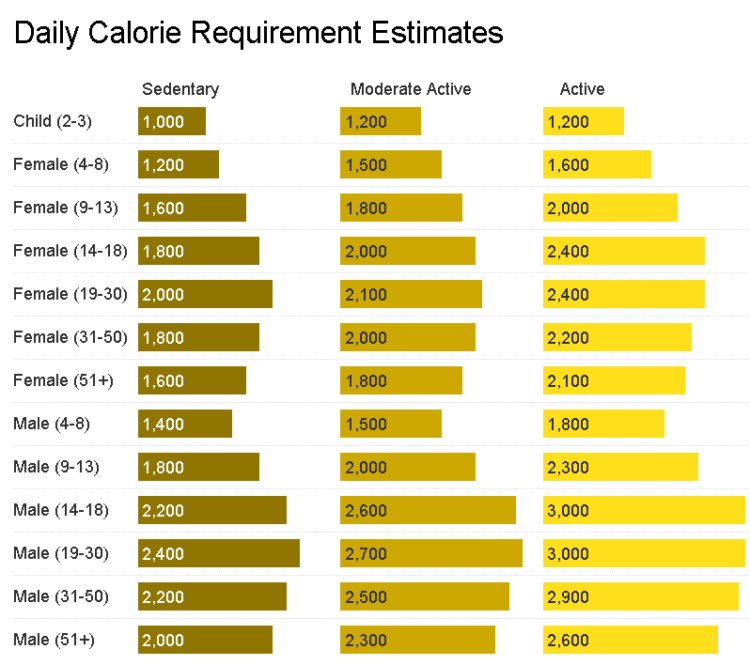
You need to consider ALL 3 of these variables to make an educated guess. The good news is I created a simple chart to do just THAT.

You can use this chart to determine your sex, age, and activity level for each family member. Then add up each number.

The TOTAL is how many calories you’re family needs per day.

Now, THIS is a very good number to know!

This is the number you need to figure out how long your food stockpile will last.

Your Final Calculation

Take your total calories and divide by your family’s daily calorie requirement.

Viola! THAT new number is a very good approximation of How Long Your Current Food Stockpile Will Last.

Perhaps your number is 58.63 days?

That means you’re very close to having 2 months’ worth of food in your emergency stockpile.

Now, of course, you may be able to ration those calories a bit in a longer-term emergency. But I don’t recommend “rationing” your calculation.

Why? Because I’d rather underestimate the duration of my stockpile by a few days and NOT the other way around. Said another way, I’d rather be pleasantly surprised…

You now know how long you have before starvation begins after the grocery store shelves go bare.

We can now finally circle back around to the original question:

How Much Emergency Food Should I Have?

Ok, are you ready for YOUR answer? Do you have a pen and paper ready?

A minimum of 2 weeks and a maximum of 1 year…

I can hear you booing at me already…You were probably hoping for something a bit more specific, weren’t you…

Like most things, everyone’s situation, risk tolerance, and resources vary.

I can hardly give a more specific answer for everyone.

But I CAN do better than THAT.

So let’s break things down into a few different categories. Only then can we zero in on something more meaningful.

Here are a few “how much emergency food should I stockpile” categories:

  1. Those ONLY Worry About High-Frequency, Short Term Natural Disasters
  2. Those Who Worry About Medium Term Disasters (natural and/or manmade)
  3. Those Worried About an Extensive Lawless, SHTF Type Event…

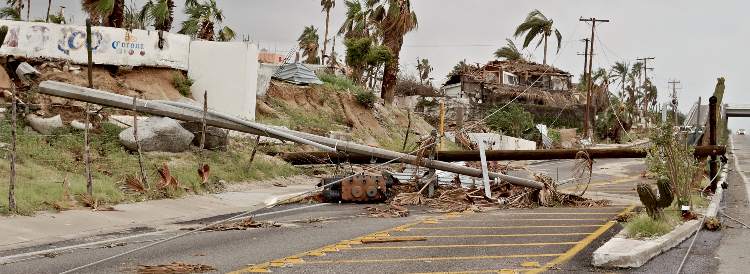
Hurricane Damage Street Blocked

1. Those Worried About Shorter-Term Natural Disasters

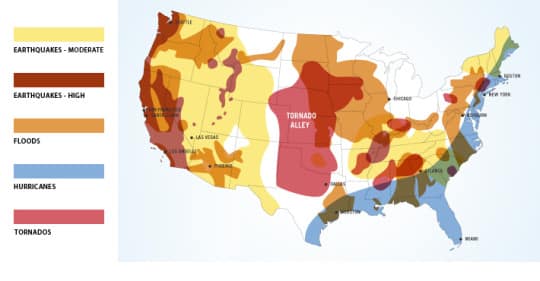
Some folks are mainly concerned with short-term natural disasters.

US Natural Disaster Map

They don’t accept that the world is becoming less stable and more uncertain by the day. They deny the risk of major societal upheavals is rising.

That’s NOT me, but hey, perhaps that’s you.

Well, in this case, you need to get 2 weeks’ worth of survival food in place. That’s the bare minimum, in my opinion. Any less, and you’re not living up to your primary adult responsibilities.

I recommend 2 weeks as the first target for 2 reasons:

  1. It’s meaningful – gives you a basic level of resiliency
  2. It’s achievable – everyone can hit this mark in a short period of time

Sure, some folks will scoff at only 2 weeks of emergency food. But it’s actually a solid start, good for MOST likely emergencies we’ll all encounter year in and year out.

And it’s way more resilient than MOST people…

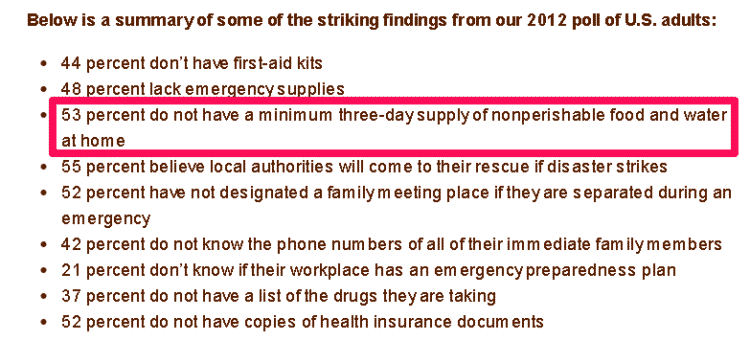
53% of Americans admit to having less than 3 days’ worth of nonperishable food and water.

That’s gross negligence!

Sorry but if you have only 2 or 3 days of emergency food, you’re completely fragile. You’re dependent on handouts in a crisis. This is unacceptable and irresponsible.

The Surprising Reason People Live A Fragile Life

So, get 2 weeks, and then I’ll stop the name-calling…

And perhaps I can encourage you to shoot for a month. A month is so much more resilient than 2 weeks.

At a month’s worth, you’ll be able to ride out 99.9% of natural disasters. And you’ll also have a bit of extra resiliency to civil unrest, chaos, famines, etc.

traffic chaos

2. Those Worried About Medium-Term SHTF Disasters 

Ok, this category is for those who don’t feel like 1 month is enough but also think a SHTF-type event way worse than the recent pandemic is zero…

I mean, the more widespread and the longer the emergency crisis, the LESS likely it is to occur, right? It’s simple statistics.

Yet, I believe there’s a greater than zero chance we do have a SHTF event in our lifetimes.

Why? Because the world is getting more vulnerable as:

  1. technology advances at a breakneck pace
  2. the world becomes more and more interconnected.

So, what’s “reasonable” for someone who sits between the two extremes? I recommend somewhere between 3 and 6 months.

That solid supply of calories will keep you fed for ALL but the most unlikely doomsday events.

Nuclear Attack Bomb Explosion

3. Those Worried About a Worst Case-SHTF Type Event…

Well, here we are…the resilient few. Those of us who think there’s a non-zero chance of life as we know it coming to an end in our lifetimes.

America’s Biggest Threats In 2023 (and Beyond)

We tend to see our emergency food stockpiles as cheap self-insurance. A policy you own that lasts up to 25 or 30 years if done right.

So why not go big and sleep really well at night, even as the world continues to crumble?

To enter this realm, you’ll be targeting at least 1’ year’s worth of emergency food…

Now perhaps we’re NOT there yet, but that’s ok; 1 year is an excellent goal. You can do more if you’d like, heck, 2 years if you’re really dedicated.

But after you hit 1 year, your time and energy are better spent elsewhere. At that point, I recommend focusing on skills to bring more calories into your storerooms.

I’m talking about:

  • Canning, Gardening & Seed Saving
  • Foraging and Gathering
  • Hunting & Fishing
  • Farming & Raising Farm Animals (chickens, rabbits, goats, etc.)
  • Aquaponics

These more advanced prepping techniques. Why? Because they not only give you a runway should grocery stores go bare. They extend your calorie runway into the future.

If all you do is stockpile (without adding any new calories), then your time to starvation is on a countdown clock.

You keep adding calories back into your stockpiles. This helps to extend that time to starvation even longer into the future.

If you ever get to more calories in than out, you’ll never starve, right?

Final Thoughts

Everyone reading this needs to build a stockpile that will last at least 2 weeks. no excuses!

Once you get there, I recommend you keep building for up to 1 month. And if you want even more protection, try to get to the 3 – 6 months window.

Or perhaps you want lots of food security. A nice long runway to give you ample time to let the post-modern world sort itself out – then go with 1 year.

After that, move to advanced skills such as farming, raising animals, aquaponics, etc.

Ok, if you’re ready to get started, you should check out my review of Valley Food Storage or watch the video below:

Valley Food Storage Review & Unboxing (Long-Term Survival Food)

Until next time,
Prepare, Adapt & Overcome
“Just In Case” Jack 

P.s. Are you ready for the tough times ahead?

Find out now by taking my short Readiness Score Quiz – it’s absolutely free.
Once complete, you’ll know exactly where you stand on the “fragile” vs.” resilient” spectrum.

The post How Much Emergency Food Should I Have? THIS Much appeared first on Skilled Survival.

Russia: Once WW3 Breaks Out, “Everything Will Definitely Be Turned To Dust”

Russian Security Council Deputy Chairman Dmitry Medvedev has repeatedly warned the West to stop supplying and justifying its involvement in the Ukraine/Russia conflict. Failure to do so could result in a third world war, and once that happens, “everything will be turned to dust,” according to Medvedev.

Russian rulers have repeatedly lambasted Western attempts to justify arms deliveries to Kiev as an alleged effort to prevent a world war. “Firstly, defending Ukraine, which nobody needs in Europe, will not save the senile Old World from retribution if anything occurs. Secondly, once the Third World War breaks out, unfortunately, it will not be on tanks or even on fighter jets. Then everything will definitely be turned to dust,” Medvedev wrote on his Telegram channel on Saturday, according to a report by TASS.

Is this a veiled nuclear threat? It sure sounds like one.

In this particular Telegram post, Medvedev commented, specifically, on Italian Defense Minister Guido Crosetto’s remarks that the Third World War would erupt if Russian tanks reached Kiev and “the borders of Europe”, and that the weapons sent to Ukraine were meant to stop the escalation. Medvedev equated his remarks to the calls from the United Kingdom to provide Kiev with all the weapons NATO has.

Russia Warns NATO A Nuclear War Will Ensue, If Western Weapons Defeat Russia

NATO continues to push into Russia’s redlines, and this is nothing more than one accident or false flag away from total global war. Even the World Health Organization has asked the ruling classes of the world to begin stockpiling for radiation emergencies.

WHO: Ruling Classes Should Prepare For Nuclear Radiation Emergencies

And this is not the first time in the past few months that it’s been recommended to be prepared for some kind of radiation on this planet.

Ruling Class Warned Germans To Prepare For “Nuclear Emergencies”

Russia Warns of a “Radiation Disaster”

Now might be a good time to consider adding a few potassium iodide tablets to your preparedness supply. They were not readily available at the time last year because of the threats of nuclear war, so get them will you can if you need to. These tablets won’t expire until October of 2032 – The NRC has stated that the shelf life of Potassium Iodide Tablets can be extended greater than 10 years due to the inherent stability of iodine salt mineral supplements. SUGGESTED USE: For short-term use only (up to 2 weeks). Adult/Adultescent: 130 mg (2 tablets). Children: 65 mg (1 tablet).

Simple Ways To Prepare For A Nuclear War


We Just Witnessed An Economic Sign That Hasn’t Happened Since The Peak Of The Great Depression In 1932

Economic conditions are much worse than you are being told.  Throughout the past year, prices have been rising much faster than most of our incomes have.  As a result, our standard of living has been rapidly declining.  It has become increasingly difficult for U.S. households to make it from month to month, and as you will see below, more than a third of all U.S. adults are actually relying on their parents to pay at least some of their bills at this point.  But even more alarming is what has been happening to real disposable income.  According to Fox Business, the most recent GDP report revealed that the decline in real disposable income that we witnessed in 2022 was the largest that has been measured since 1932…

The most troubling information in the GDP report is the precipitous drop in real disposable income, which fell over $1 trillion in 2022. For context, this is the second-largest percentage drop in real disposable income ever, behind only 1932, the worst year of the Great Depression.

Just think about that for a moment.

The last time real disposable income declined this quickly was literally during the peak of the Great Depression.

And as our incomes get squeezed tighter and tighter, more Americans are starting to fall behind on their bills.

For example, the proportion of subprime auto borrowers that are at least 60 days behind on their payments has just surged to the highest level that we have seen since 2008

In December, the percentage of subprime auto borrowers who were at least 60 days late on their bills climbed to 5.67% — a major increase from a seven-year low of 2.58% in April 2021, according to Fitch Ratings. It marks the steepest rate of Americans struggling to make their car payments since the 2008 financial crisis.

We are already beginning to witness the largest tsunami of repossessions that we have seen since the “Great Recession”, and it is only going to get worse in the months ahead.

One woman in San Antonio that knows that her vehicle could be repossessed at any time has decided that hiding it is the best strategy for now

For some, however, the only lesson is to try and outsmart the repo man: hardly the best long-term strategy. Take San Antonio native Zhea Zarecor who is currently trying to negotiate with her lender so her 2013 Honda Fit won’t get repossessed. In the meantime, she’s hiding it.

The 53-year-old, who is currently in school for her bachelor’s in information technology (and raking up massive student loans for an education she should have had some 35 years ago) splits the monthly bill for the car — about $178 — with her roommate. But then the roommate lost his job, and with prices for groceries and everyday items increasing, there just wasn’t enough for the car payments.

Zarecor is trying to make extra money with odd jobs like contract secretarial work and participation in medical studies, but it often feels hopeless, she said. “Our money doesn’t go as far as it used to,” she said. “I don’t see prices going down, so the only relief I see is when I get my degree.”

Sadly, most of the country is just barely scraping by at this juncture.

As I discussed in a previous article, one recent survey discovered that 57 percent of Americans cannot even afford to pay a $1,000 emergency expense right now.

And a different survey has found that a whopping 35 percent of all U.S. adults are still relying on Mom and Dad to pay at least some of the bills…

More than one third of adults (35%) admit they still have at least one bill on their parents’ tab. According to a new poll of 2,000 Americans, the top three expenses their parents still pay for are rent (19%), groceries (19%), and utilities (16%). In fact, almost one-quarter (24%) of millennials say their parents cover their rent.

Are things really this bad?

Unfortunately, economic conditions are only going to get even worse in the months ahead as countless more Americans lose their jobs.

On Monday, I was quite saddened to learn that electronics giant Philips will be giving the axe to another 6,000 workers

Philips announced Monday that it’s cutting another 6,000 jobs worldwide as it works to boost profitability.

The workforce reduction will occur over the next two years with the first 3,000 cuts taking place this year, the Dutch consumer electronics and medical equipment maker said on Monday. In its earnings report, the company revealed it suffered a net loss of 1.6 billion euros in 2022, which is down from a net profit of 3.3 billion euros last year.

And it is also being reported that one of my favorite toymakers has decided to eliminate approximately “15% of its global full-time workforce”.

I could go on and on if you would like.

In fact, every day I could fill up my articles with nothing but job loss announcements.

We have entered a very painful economic downturn, and one prominent Wall Street economist is warning that the full impact of this crisis will not be felt until the second half of 2023

According to one Wall Street economist, a looming recession this year will feel more like the 1970s than a 2008-07 slump.

“People are too focused on ‘08 and 2020. This is more like 1973, 74 and 2021,” Piper Sandler chief global economist Nancy Lazar said on “Mornings with Maria” Monday.

Lazar predicted feeling the full impact of a recession in the second half of 2023 as lag effects from the Federal Reserve’s rate hikes take hold.

Actually, it would be quite wonderful if her seemingly gloomy forecast is accurate.

Because I don’t believe that we are heading into a slowdown like we experienced during the early 1970s.

Rather, I see all sorts of evidence that indicates that we are in the very early stages of the economic equivalent of “the Big One”.

I believe that things will be very rough this year, and I believe that the long-term outlook is even worse.

Our leaders assured us that everything would be okay even as they were flooding the system with money and engaging in the greatest debt binge in all of human history.

Now a day of reckoning has arrived, and we will get to suffer the consequences of their very foolish decisions.

***It is finally here! Michael’s new book entitled “End Times” is now available in paperback and for the Kindle on Amazon.***

About the Author: My name is Michael and my brand new book entitled “End Times” is now available on Amazon.com.  In addition to my new book I have written six other books that are available on Amazon.com including “7 Year Apocalypse”“Lost Prophecies Of The Future Of America”“The Beginning Of The End”, and “Living A Life That Really Matters”. (#CommissionsEarned)  When you purchase any of these books you help to support the work that I am doing, and one way that you can really help is by sending copies as gifts to family and friends.  Time is short, and I need help getting these warnings into the hands of as many people as possible.  I have published thousands of articles on The Economic Collapse BlogEnd Of The American Dream and The Most Important News, and the articles that I publish on those sites are republished on dozens of other prominent websites all over the globe.  I always freely and happily allow others to republish my articles on their own websites, but I also ask that they include this “About the Author” section with each article.  The material contained in this article is for general information purposes only, and readers should consult licensed professionals before making any legal, business, financial or health decisions.  I encourage you to follow me on social media on Facebook and Twitter, and any way that you can share these articles with others is definitely a great help.  These are such troubled times, and people need hope.  John 3:16 tells us about the hope that God has given us through Jesus Christ: “For God so loved the world, that he gave his only begotten Son, that whosoever believeth in him should not perish, but have everlasting life.”  If you have not already done so, I strongly urge you to invite Jesus Christ to be your Lord and Savior today.

The post We Just Witnessed An Economic Sign That Hasn’t Happened Since The Peak Of The Great Depression In 1932 appeared first on The Economic Collapse.