Survival Gear is the most unused product until a natural disaster happens, then it’s the most desired products, but usually too late to help those that really need the help.

We sell around the World, and pride ourselves on offering a level of customer service that we would want to see ourselves if we were shopping online.
Our product ranges change regularly, so we hope that you come back to our sites to see some of the fantastic offers that we regularly have.

Get In Touch

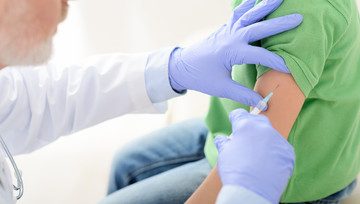
College Student Barred from Taking ONLINE Classes from HOME Because He’s Not Vaccinated

This article was originally published by Matt Agorist at The Free Thought Project. 

The arbitrary nature of the tyranny and rights-violating measures doled out by both government, college universities, employers, and others cannot be understated during this pandemic. While private businesses are within their rights — albeit highly unethically — to require employees to take the vaccine for employment, the idea of arbitrarily requiring it even though the employee may have already had COVID-19 — giving them better immunity against the virus than the jab — is utterly asinine and speaks to the nature of the clown show that is taking place. 

When government-funded entities, like state colleges and schools, force students to take the jab, this move is far less acceptable than a private business. What’s more, when a government-funded college, like Rutgers University in New Jersey, forces students to take a vaccine — to take virtual classes from home — they can no longer claim it is about the safety of other students and must admit it is about compliance only.

Why would someone need to take a vaccine to “protect others” if they are taking classes from home and not going to be around others? The only answer to that question is forced compliance. Logan Hollar, 22, is one of those students who — without logic, reason, or any shred of science — is being forced to comply with a vaccine mandate, despite never leaving his home.

Hollar is taking all virtual classes from his home over 70 miles away from the college, yet he was told he can no longer take virtual classes unless he gets the jab.

“I’m not in an at-risk age group. I’m healthy and I work out. I don’t find COVID to be scary,” said Hollar, according to nj.com. “If someone wants to be vaccinated, that’s fine with me, but I don’t think they should be pushed.”

He’s right too. According to the CDC’s own data, despite millions of people in his age group contracting the virus, only 1,232 people between the ages of 15-24 have died from the virus since January 01, 2020. Hollar has a much larger chance of dying in an accident or being murdered.

Despite what makes sense, however, Rutgers — a taxpayer-funded university — is forcing him to take the jab or take a hike.

This vaccine policy also goes against Rutgers’ terms as they didn’t require vaccination for those taking remote classes like Hollar. However, because Hollar is not part of a specific ‘online degree program,’ the university is forcing him to take the jab, in spite of the fact that he will be staying inside his home.

“When they put out the guidance in March, I was reading through all the verbiage, which was if you plan to return to campus, you need to be vaccinated,” Hollar said. “I figured I wouldn’t be part of that because all my classes were remote.”

Hollar told the paper that he jumped through all the university’s hoops, filled out all their surveys, and did everything they required in order for him to take online classes and be exempt from the vaccine mandate. But it wasn’t enough.

“After submitting the survey, I got no pop-up indication that I still needed the vaccine — like I had seen in the past — and since I was online and the survey said I was all set, I assumed the emails in my inbox pertaining to (the vaccine) must apply to in-person students,” Hollar said.

“This turned out not to be the case,” he said.

Last week, when Hollar logged in to pay his tuition online — for his online classes — he was locked out because he was not vaccinated. After making multiple phone calls to the university’s vaccine hotline, Hollar was told he could once again request an exemption — like he already had done — but that it would require him to miss the first month of classes.

In other words, he couldn’t go to school this semester without the jab.

“I believe in science, I believe in vaccines, but I am highly confident that COVID-19 and variants do not travel through computer monitors by taking online classes,” Hollar’s step-father, Keith Williams told nj.com, noting that he is vaccinated.

“He chose to remove himself from an on-campus experience so he would not need to be vaccinated,” Williams said. “Now to be removed and shut down from his Rutgers email and online classes during the start of his senior year seems a bit crazy.”

As for Hollar, he isn’t caving in and says he’ll like transfer to another college. He also pointed out how disturbing it is for a college to demand a vaccination when they know nothing about his health.

“I find it concerning for the vaccine to be pushed by the university rather than my doctor,” he said. “I’ll probably have to transfer to a different university.”

“I don’t care if I have access to campus. I don’t need to be there. They could ban me. I just want to be left alone,” he said.

The post College Student Barred from Taking ONLINE Classes from HOME Because He’s Not Vaccinated first appeared on SHTF Plan – When It Hits The Fan, Don’t Say We Didn’t Warn You.

14 Of The Most Over-Hyped and Under-Appreciated Prepping Topics

You’re probably spending way too much time in overhyped prepping topics. AND way too little time in the underappreciated areas.

That’s not good!

Your time and energy are limited resources. So using them wisely is critical to make meaningful progress.

That’s why today I’m going to share the 5 most overhyped prepping topics. And 9 serially underappreciated ones.

And I truly believe after you hear all 14 of these, I’ll change your mind on what’s important and what’s NOT.

NOTE: You can either continue to read this article OR just watch the following video (both cover the exact same content):

OK, let’s jump right into the first “Over-Hyped” prepper topic.

1. Wasting Time Trying to Predict The Next Disaster


To me, this is one of the biggest wastes of time out there.

As humans, we have a terrible track record of predicting anything.

Sure, we can predict a few more minor things like tomorrow’s weather or your dinner plans. But not bigger, broader “societal level” predictions. I’m talking about significant events related to financial markets or future disasters.

And the more specific the predictions, the bigger the waste of time they tend to be.

For example, here’s an excerpt from Howard Mark’s recent investing memo “Thinking About Macro”:

“In December of 2019, the median forecast on Wall Street held that the S&P500 would rise 2.7% in 2020. What was the actual return? 18.4%! It was too low by 16 percentage points. Worst yet, in April 2020, after the Pandemic had taken hold (and after the congress and the fed had taken action), the consensus forecast return was revised downward to a negative 11%. That’s nearly 30 percentage points below the eventual outcome.”

These “professional” forecasters are pretty much worthless. We can’t predict the future when it comes to markets and disasters.

So, instead of trying to predict the exact next disaster, focus on being more resilient. Spend time becoming less fragile to ALL future disasters!

You don’t need to predict a future disaster – just assume there will be future turmoil. And then focus on taking action to be ready for it.

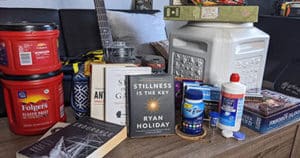
OK, here’s a quote from one of my favorite books on understanding risks in our lives, Antifragile:

“You can’t predict in general, but you can predict that those who rely on predictions are taking more risks, will have some trouble, perhaps even go bust. Why? Someone who predicts will be fragile to prediction errors….”

I think this is saying that those who spend time predicting and “believe” they can figure out BEFORE EVERYONE ELSE are just fooling themselves.

They’re fragile because they assume their prediction powers will help them see the future. Giving them time to “move out of the way” before disaster strikes.

But they’re relying on their “false sense of prediction accuracy” to protect themselves. Instead, they should be investing their time and energy to becoming resilient to ANY and ALL future mishaps.

One more quote from the book “The Black Swan” (by the same author) sums it all up by simply saying:

“Invest in preparedness, not in prediction.”

2. Mastering Wilderness Survival Skills


OK, now, before you start getting upset with me, let me say there is SOME value in learning Survival Skills. It’s just not as much as you think.

Let me ask you a few questions:

What are the odds of having to spend a night in a debris shelter?

Extremely low. You’d need to be stranded in the woods, without a vehicle, without a backpack. And be more than a day’s hike from any town or village. It’s just not likely to happen.

Or what about starting a fire with sticks?

Nearly zero if you keep an electric lighter or Ferro rod with you at all times.

How about making your own bow and arrows from scratch?

Perhaps this skill comes in handy in a worst-case, mass human extinction situation. But if that happens, you’ll find both by scavenging sporting stores or abandoned homes.

Now compare those bushcraft skills that you’ll likely never use to the following:

What are the odds of having to live without electricity for a week?

This happens to millions of people throughout the world ALL THE TIME.

What about a deadly pandemic worse than Covid 19 – where you don’t want to go into a grocery store without some type of gas mask?

Seems much more possible nowadays, right?

Or how about a wildfire tearing through your neighborhood?

Again, it happens every year, and it’s getting worse; that’s why you should have a bug-out plan

So, unless you become unlucky and end up stranded on an island, most bushcraft skills are just a fun hobby AT BEST. They’re mostly just for entertainment purposes (like the video below):

So, instead, focus more of your limited time, energy, and resources where you’ll get the most bang for your buck. Abilities that will significantly improve your overall resiliency to the most likely emergencies.

3. Buying All the Latest Survival Gadgets


I do enjoy checking out all the latest survival gear and gadgets that come on the market nowadays. It’s cool to analyze them and even test them out from time to time.

The latest tactical watches are chalked full of technology, but they have a high price tag to match.

But again, these fancy new gadgets are NOT likely to be the gear you need in most emergencies.

Most essential survival gear has already been invented. And while this “old school gear” seems dull, they’re proven and work.

For example:

These are “older” but proven technologies that are much more important than the coolest survival gadgets you see coming on the market today. Thus, making most of the latest survival gadgets an overhyped prepping topic.

4. Paying Attention To Overly Fear-Based Survival Products


I hate hyper-fear-based marketing.

Perhaps you know what I’m talking about. It’s those 30-minute video sales pitches that tell a doomsday story. Often these stories are about a 3rd world country OR the coming apocalypse. Ancient biblical predictions are being proven today and end times are here.

The reason marketers do this is BECAUSE IT WORKS. But it’s not accurate. It’s a fear-based story to get you to buy their product to reduce the discomfort they created.

In my opinion, it’s not ethical. It’s pure manipulation.

IT works because it preys on humans’ attention filter.

You see, we don’t have the mental capacity to consume even a fraction of all the available information that’s out there.

So we use a simple filter to ignore the mundane, boring stuff. And only allow the most dramatic and exciting stuff to get through.

That’s why most media stories are negative. They focus on storms, shootings, diseases, floods, building collapses, plane crashes, etc.

The more dramatic the news, the more we listen and give attention to it. It’s hardwired into our brains for evolutionary reasons. Because those who paid attention to a wild animal attack survived, those who didn’t – well, didn’t survive.

And the media and marketers know fear is the easiest way to grab your attention and keep your attention. Fear in the name of profits.

Instead, I use reason and logic to talk to you with respect. I want to see EVERYONE work towards becoming more resilient over time.

Sure, some urgency is called for; you never know when the next big collapse or disaster will be. And a bit of urgency can help create a healthy amount of motivation.

But I think you should make sure the product being pitched to you has real value first. They should be willing to EARN YOUR TRUST before you buy.

If everything you hear is the end of world scary and fear-based, AND their $37.95 product is the ONLY solution to this problem. AND everyone who doesn’t buy it will perish tomorrow.

Then shut it off immediately and look for a product that has more respect for you.

5. Continuous “News” Cycle Consumption


This prepping topic is somewhat related to the previous one.

What is objective truth nowadays? Who the hell knows?

Seriously, it seems like TRUTH is a myth of yesteryears. Or maybe the past truth was only an illusion held firm by a select number of media outlets…

But it’s seemingly harder to get to the heart of any issue without a political spin or a hidden agenda tied to it.

And the news media makes money off YOU PAYING ATTENTION. They put those flashing red scrolling emergency banners at the top and bottom of your screens because they help increase the amount of time you watch.

The more people who watch, the longer they watch, the more they can charge advertisers during commercial breaks.

Most news outlets (cable, radio, newspapers, etc.) use “controversy” and “fear” to get you hooked.

For example: when listener numbers on hardcore political talk radio shows start to soften, the producers prod the on-air hosts to stir up the pot, to create some anger, to get their listeners hot and bothered. It’s an outrage machine (listen to the video below for more details).

And if you consider yourself to be “tuned in” and “in the know,” you’re probably paying a high price to be “informed.”

You’re paying for this “informed status” with the cost of your internal peace and happiness. You’re handing over your calm for what?

Restless nights, arguments with family and neighbors, mistrust of anyone who has a different political stance…

I think it’s a terrible trade-off. Because I believe statistics and narratives can be spun in any way the media desires. So what you hear is what you WANT to hear.

Instead of having a productive discussion about how best to live as a society – nowadays, it’s all about hate, blame assignment, and finger-pointing. And it’s just not helpful.

Instead, I try to primarily focus most of my time and energy on things I CAN CONTROL. And for the most part, the 24-hour news has minimal impact on my own life and resiliency.

It’s got an insanely high noise-to-signal ratio.

Most “news” you consume daily is noise. Very little of it is essential a few months or even a year later (minimal signal). It’s mostly just junk (or noise).

The more information you consume daily, the more noise gets in.

And if something is truly a signal, don’t worry; you’ll hear about it in other ways. Your neighbors will mention it, or your emails will include a reference.

Here’s what the book Antifragile has to say about the “signal to noise” problem:

“Thanks to [constant news cycles], we are living more and more in virtual reality, separated from the real world, a little bit more every day, while realizing it less and less. Consider that every day, 6,200 persons die in the United States, many of preventable causes. But the media only reports the most anecdotal and sensational cases (hurricanes, freak incidents, small plane crashes) giving us a more and more distorted map of real risks. In an ancestral environment, the anecdote, the “interesting” is information; no longer today. Likewise, by presenting us with explanations and theories the media induces an illusion of understanding the world.”

Well said.

OK, let’s move onto the over-appreciated prepping topics. These are the thing you should be paying more attention to but probably are not.

6. Measuring How Resilient You Are (OR Not)


I want to start with a couple more quotes from Antifragile (again, it’s one of my favorite books):

“It is far easier to figure out if something is fragile than to predict the occurrence of an event that may harm it.”

“Not seeing a tsunami or an economic event coming is excusable; building something fragile to them is not.”

So stop spending so much you’re your time-consuming news and trying to predict the next disaster. Instead, reallocate that same time and energy into activities and self-improvement that have a REAL IMPACT when a future disaster arrives.

Just go ahead and assume the future holds several major disasters in your lifetime. Then do something about it.

Go from being a part of what I call “The Fragile Masses” into “The Resilient Few.” That’s what my website community, “The Resilient Life,” is all about.

We challenge you to take care of the preparedness basics. And then once those are covered, we give you the motivation to keep going.

To become as resilient to the unknown future as you’re comfortable with.

Go here if you’re interested in learning more about TheResilientLife

7. Don’t Ignore The Prepping Basics


Prepping basics may seem boring to some:

2 weeks of food, 2 weeks of water, medical supplies, yawn…

But the problem is, those “basics” are the building blocks becoming resilient.

If only everyone in the world had the prepping basics in place. We as a human species would be much more resilient to all future tragedies (global or local). But unfortunately, it’s more fun to focus on more interesting topics.

So, if you’re watching this right now and you don’t have your prepping basics in place (or you’re wondering what basics I’m talking about), then go here now.

8. Honing Your Situational Awareness


Here’s the deal. Some folks have a good sense of situational awareness, while others don’t.

I don’t know if some folks are just blessed by their DNA and brain makeup, or perhaps it’s the way their parents raised them. It’s probably some combination of both.

But man, if you don’t have good situational awareness, you’re in real trouble when things get chaotic.

It’s hard to think straight when you’re in the grip of fear. And situational awareness is not just during times of chaos – it’s anytime you’re in new or public spaces.

When I go somewhere new, I take stock of the “situation,” like the place’s layout, before relaxing and enjoying myself.

I want to know where the exits are (in case of a fire OR a mass shooting).

I want to take stock of the folks I’m with and keep an eye out for anyone who doesn’t quite belong.

Heck, since I have little kids, when I go to the grocery store, I strategically park where they don’t have to walk behind any cars or cross streets. Sure, it’s a further distance to walk, but it removes the risk of my kids getting run over on accident.

You should learn how to stop and think about the world around you more. To work on improving your sense of situational awareness. That way, this prepping topic can reduce many unnecessary risks in your life.

9. Plenty Of Water Filtration


AlexaPure Large Water Filter

“When the well is dry, we know the worth of water” – Benjamin Franklin

This is so true. That’s why you should stockpile water today.

But what if you have some water, but it becomes contaminated or compromised?

If you’re ever forced to drink contaminated water, you’re putting yourself at extreme risk – especially during an emergency.

Severe uncontrollable diarrhea is deadly during an emergency – especially if you can’t get any medical assistance.

Water filtration is one of those “boring, forgotten about” topics in preparedness. It’s one of those “yeah yeah, I get it” topics. And that’s fine IF you’ve got your water filtration plan in place.

Suppose you have a LifeStraw, or a few sawyer minis, and AlexaPure Gravity Filter or a Big Berkey, great. Just make sure you have plenty of water filtration at your disposal NOW.

If not, then please heed this warning and make this happen TODAY.

Other prepping topics can wait a few days but not water filtration – it’s THAT important.

10. Not Having Any “Plan B” Extreme Weather Strategies


TACT Bivvy In Hand

Tact Bivvy Mylar Survival Blanket

Most of the time, having an abundant supply of clean water is the number 1 survival priority.

However, occasionally, this priority can get trumped by extreme weather conditions.

In general, you can survive about 3 days without water. But you can perish in 3 hours (or less) due to severe heat exhaustion or hypothermia.

So, what’s your plans should the power go out and force you to live in below-freezing conditions for a week?

Or perhaps it’s the opposite – what about 110-degree weather with no AC?

You need to have a plan for these potential extremes to protect yourself and your family.

Now maybe you have a wood stove in your home and a nice pile of firewood. Perfect, you’re good to go.

Or maybe you have a backup generator and a bunch of gasoline to keep it running in the middle of the summer. Great.

But what if these options are outside of the range of what you can afford…

I recommend you get some mylar space blankets for the cold. OR you could also check out building a makeshift heater with small candles and some clay pots.

And for the summer heat, basements are the easiest way to “beat the heat” if you have one. Otherwise, shade, a bit of a breeze, and a spray bottle with water are the next best options.

Extreme temps are dangerous. So please, figure out your backup plans NOW before you’re cooking or freezing to death.

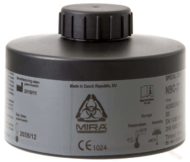
11.  Not Investing In A Gas Mask & Filters


Mira Safety’s CM-7M

OK, we went from 3 days with dehydration to 3 hours with hypothermia, and now we’re going to go down to 3 minutes.

If you can’t breathe, you can survive for about 3 minutes before you pass out. And then, over the next 10 mins or so, your body and brain will go into permanent shutdown mode.

Smoke from a fire can significantly impair your ability to breathe. SO, in such an emergency, a gas mask can be a literal lifesaver. But it has so many more uses than just for traditional smoke.

It can prevent you from breathing in potentially deadly toxins or pathogens. I’m talking nuclear fallout, chemical agents, never gases, debris dust, or harmful viruses.

In a worst-case scenario, anyone breathing in deadly air without protection could be a part of the “real walking dead.” Those folks whose time on earth is severely limited but don’t know it yet.

The bottom line is gas masks are a critical part of a basic preparedness plan.

Unfortunately, many folks feel they are overly advanced or too doomsday-like to own. But that’s just wrong.

They are critical Personal Protection Equipment (PPE) and should be a part of your preps. It’s something you get early in your preparedness journey.

12. Physical Fitness


The hard truth is:

Being overweight or living with a chronic illness is a significant survival disadvantage.

Now, for many folks, there’s not a lot of choice in the matter. Sometimes, the hand of cards you’re dealt is not ideal, and you’ll just have to make do the best you can.

But for everyone else, you shouldn’t ignore your physical fitness. You want to be strong and healthy, with plenty of endurance, should a widespread disaster hit.

You want to be the one helping your family and not becoming a burden to them.

At the very least, be someone who pulls your own weight from both a physical standpoint as well as a mental one.

Fitness can help with both of those goals.

13. Personal / Local Emergency Prep


What is more likely in the next 10 years?

A worldwide EMP disaster, a supervolcano explosion, a nuclear holocaust?

OR

You get in a car wreck, lose your job, deal with a flood, tornado, earthquake, hurricane, etc.

Yup, it’s the local/personal emergencies that are WAY MORE likely to occur any given year.

But again, planning for those events is not as “interesting” and not as “entertaining” as trying to guess the cause of “the end of the world as we know it.”

But that’s a mistake. You should focus on becoming more resilient for everyday emergencies first and foremost.

When it comes to prepping topics, spend time where the likely payoff is best.

14. Not Performing Simulated Practices


You’ll never know if your survival and preparedness plans have holes in them unless you practice.

We had a Resilient Life member who simulated a weeklong power outage. They reported several things they were mistaken about.

For example:

They were surprised by how much water they actually went through. And underestimated their water needs due to using water for cleanup, cooking, and pets.

They also discovered the value of having many non-electronic entertainment options, such as board games, puzzles, and books.

I’ve also heard many stories from folks who saw a “perfect” bug-out route on a map. Only to discover the trail was impassable once they tried it.

The bottom line is if you haven’t practiced, then you’re not prepared.

“Just In Case” Jack

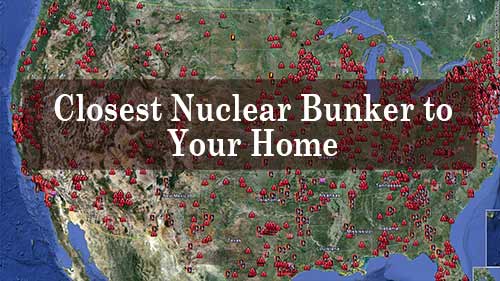
P.s. Do you know where the closest nuclear bunker is from your home?

There are a lot of natural nuclear shelters in the US that are absolutely free. And one of them is near your home.

Click on the image above to find out where you need to take shelter.

The post 14 Of The Most Over-Hyped and Under-Appreciated Prepping Topics appeared first on Skilled Survival.

This Is The Weirdest Employment Market That We Have Ever Seen

Things just continue to get crazier and crazier.  In all of the years that I have been writing about the economy, I have never seen anything like this.  The latest employment report that was released on Friday is being described as a “huge disappointment” because the number of Americans that were hired last month was way, way below expectations.  Employment only rose by 235,000, but economists were expecting a number about triple that size.  Normally when this sort of thing happens it is because of a lack of available jobs.  But that is definitely not the case right now.  There are literally millions upon millions of jobs that are open, but for a variety of reasons people simply don’t want them.

A lot of experts are blaming COVID for the “worker shortage”, and without a doubt fear of COVID is causing some potential workers to stay home.

In other cases, mask mandates and vaccine mandates are causing people to reject open jobs that they would otherwise accept.

But I don’t think that those are the biggest reasons for the “worker shortage”.

The types of jobs where we are seeing the most severe shortages of workers are jobs that require long hours and hard physical work.  These days, there are millions upon millions of Americans that just don’t want to drive trucks, load trains, stock shelves or work at our ports.

Unfortunately, the machinery of our economy comes grinding to a halt without such workers, and we are seeing that right now.

These days, millions of Americans would rather stay home and collect government benefits rather than work a difficult low paying job.  In fact, the numbers clearly show that unemployed workers are going back to work much faster in states where enhanced unemployment benefits have been cut off.

That is an easy problem for our politicians to fix, but we are facing another growing trend that won’t be so easy to rectify.

Our young people are increasingly gravitating to the “Internet economy”.  They are figuring out that it doesn’t make much sense to put in endless hours at an entry level job when so many others are making big bucks as “social media influencers” instead.

During this pandemic, the White House has invited quite a few top “social media influencers” to the White House, but I don’t think that they have invited a single truck driver.

Of course there are others that have made millions upon millions of dollars buying and selling cryptocurrencies.

Nobody is ever going to become a millionaire unloading container ships, but tons of people have become millionaires by trading cryptos or by becoming social media celebrities.

So why should our young people choose to do the low paying work that nobody else wants to do, when the Internet offers so many other promising opportunities?

I believe that this is the biggest reason why the number of Americans that are employed is still more than 5 million less than it was just prior to the start of the pandemic

Nearly a year and a half into the recovery, the US economy remains 5.3 million jobs short of where it was in February 2020, before Covid-19 threw a wrench into the gears.

It has been reported that there are currently 9.8 million job openings in the United States.

If you want a job, you can go out and find one.

But the vast majority of the jobs that are available are low paying jobs that are not particularly pleasant.

And the rampant inflation that we are now experiencing is rapidly causing those jobs to lose the limited appeal that they once had.

In a desperate attempt to keep their low paid workforce, officials at Walmart just announced that they will be raising wages for hundreds of thousands of workers

Walmart is raising the pay for more than 565,000 store employees.

The world’s largest retailer announced Thursday that U.S. store workers in its frontend, food and consumable, and general merchandise workgroups will receive at least a $1 an hour raise.

Elsewhere, a McDonald’s in Oregon has now decided to hire kids as young as 14 after raising wages to 15 dollars an hour did not work

Businesses across the country are turning to teens as young as 14 to cope with a dire labor shortage, with one McDonald’s in Oregon drawing attention with a huge banner touting the new policy.

The McDonald’s franchise in Medford hung the banner after finding that raising the minimum wage to $15 didn’t bring in many new applications, but opening the door to younger applicants did, operator Heather Coleman told Business Insider.

And earlier today I was stunned to learn that Amazon has decided to start recruiting pot smokers to drive their delivery vehicles…

But it’s not just Amazon’s in-house workforce that needs expanding. Bloomberg reported Wednesday that Amazon has found a solution for the contract delivery drivers it uses to deliver packages from its fulfillment centers to customers’ doorsteps: Recruit pot smokers.

That’s right: despite the fact that driving while high on any substance is illegal, the company is advising its delivery partners to prominently advertise that they don’t screen applicants for marijuana use, according to emails between Amazon and contractors reviewed by Bloomberg.

But no matter what these companies do, it is just going to be really tough to recruit low paid workers in this environment because our leaders have flooded the system with so much cash.

Young people will continue to gravitate toward opportunities on the Internet that they think will make them rich, but meanwhile the machinery of our economy will continue to break down.

The widespread shortages that we have been witnessing just continue to get worse, and earlier today the Wall Street Journal ran a big story about the nightmare that the U.S. auto industry is currently facing…

The U.S. auto industry is heading into one of its biggest selling weekends of the year with dealership lots stripped bare of inventory and some buyers having to drive great distances to secure a new ride.

For a second year in a row, car shoppers are facing bleak prospects in trying to buy a car this Labor Day weekend. The period has historically been a time of blowout deals and big sales events for car companies and dealerships trying to clear out old vehicle stock to make way for the new model year.

On a very basic level, we need workers that will build stuff, move stuff and sell stuff.

Unfortunately, those jobs just aren’t very appealing today.

But if you think that you may want a job at some point in the foreseeable future, I would encourage you to grab one while you still can.

Because this current state of affairs will certainly not last indefinitely, and it won’t be too long before we see some pretty dramatic shifts in the employment marketplace.

***It is finally here! Michael’s new book entitled “7 Year Apocalypse” is now available in paperback and for the Kindle on Amazon.***

About the Author: My name is Michael Snyder and my brand new book entitled “7 Year Apocalypse” is now available on Amazon.com.  In addition to my new book I have written five others that are available on Amazon.com including  “Lost Prophecies Of The Future Of America”“The Beginning Of The End”“Get Prepared Now”, and “Living A Life That Really Matters”. (#CommissionsEarned)  By purchasing the books you help to support the work that my wife and I are doing, and by giving it to others you help to multiply the impact that we are having on people all over the globe.  I have published thousands of articles on The Economic Collapse BlogEnd Of The American Dream and The Most Important News, and the articles that I publish on those sites are republished on dozens of other prominent websites all over the globe.  I always freely and happily allow others to republish my articles on their own websites, but I also ask that they include this “About the Author” section with each article.  The material contained in this article is for general information purposes only, and readers should consult licensed professionals before making any legal, business, financial or health decisions.  I encourage you to follow me on social media on Facebook and Twitter, and any way that you can share these articles with others is a great help.  During these very challenging times, people will need hope more than ever before, and it is our goal to share the gospel of Jesus Christ with as many people as we possibly can.

The post This Is The Weirdest Employment Market That We Have Ever Seen first appeared on The Economic Collapse.

Bear Attack – Best Safety Measures While Camping

When it comes to camping, there is nothing more exciting than experiencing the raw natural feeling of the great outdoors. From the tranquil streams, amazing scenery, the quiet whispers of the forest, to a bear attack.

Yes, you read that right. Let’s be clear; if you are in the wilderness, there is a chance that you might have an encounter with actual wildlife. Now, this can normally range from birds, bunnies, and maybe the occasional skunk, but there are times where a bear encounter is possible.

Here we will take a look at how to ensure that everyone is, in fact, safe in the off chance of a bear encounter in the wild. In this article, I have provided some important tips to avoid bear attacks while enjoying the outdoors.

RELATED: How to Survive a Bear Encounter

Bear Attack – Best Safety Measures While Camping

Types of Bearstwo brown bears fight on the shore of the lake where dozens of bears gather to fish for salmon-bear attack

North America is home to different species of bear, namely the black, brown, grizzly, and polar bear. Of these, only polar bears are interested in humans as a source of food. The rest typically do not attack you, unless you give them a reason to.

Although, these bears rarely attack humans for predatory purposes, and there is no need to have an irrational fear of a bear attack while camping, one must definitely consider this issue with the utmost seriousness.

You need to take certain precautions and equip yourself with proper knowledge about countering a bear attack while camping in bear country; more so, if you intend to take kids along.

Safety Tips to Avoid a Bear AttackA Grizzly Bear in Alaska taking a rest on a fallen tree-bear attack

If you’re planning on entering a bear country, you need to be prepared for the possibility of a bear attack. However, taking certain precautions for bear safety when camping can prevent the risk of ‘face-to-muzzle’ encounter with a bear.

Before CampingA sign board in the Lynn Headwaters Regional Park telling hikers to Be Bear Aware-bear attack

Before setting up the tent at a campsite, it’s important to talk to park officials regarding any recent sightings of bears. Forest rangers or park officials are often well-informed about the characteristics and habits of individual bears in the region. This information can help you in evaluating the relative safety of your campsite.

Be sure to inspect the campsite yourself for any signs of bears. Crushed bushes, upturned rocks, uprooted small trees, often indicate bear activity. You can also, look for bear trails, markings on trees (bears often leave claw barks on trees as a sign of their territory), and their scat.

If you find the campsite littered with remains of food or garbage from previous campers, then it is best to leave as soon as possible. Nothing attracts bears better than the sight and scent of food.

Instead, you should opt for a campsite that offers clear visibility and has tall, climbable trees close by. Most bear attacks occur in areas that are shady and hidden from the main trail. If you have to camp at a site covered with dense trees, make sure you make your presence known to the wildlife in the surrounding area by making plenty of noise.

Startling or sneaking up on them only increases your chances of getting attacked. Remember, most bear attacks occur because the animal feels scared and threatened. The fact is that they are simply defending themselves from us as much as we are from them.

Educate everyone in your group regarding how they should behave in the wild. Explain the rules and regulations for camping in a bear country.

During CampingHappy friends setting up their tent in the countryside-bear attack

While setting up your tent, make sure it’s large enough for your family and that there is space between the walls of the tent and its occupants. Bears tend to bite at anything that projects from the tent walls!

It is best to cook and eat at least 100 yards away from your tent, and in the direction away from the wind. Immediately clean up the sight where you cooked and ate. Dispose of any that food remains and place all garbage inside bear-proof trash cans. Clean the dishes and store them in an airtight bag along with all of the other utensils.

Cook only as much as you are likely to consume. If you must store food, put it in a plastic bag and hang it from a tree. If there are no tall trees around, store food in layers of several Ziploc bags and place it in a large cooler.

If your vehicle is with you at your campsite, you can also place the cooler in the trunk of your car. Just remember, bears have a keen sense of smell and if they suspect there is food nearby, chances are they will not rest until they find it. Preventing them from gaining ascent is the real key here.

Likewise, be sure to clean yourself after cooking and get a fresh change of clothes, as the smell of food lingering on your clothes can also attract bears. Either pack your dirty clothes in airtight plastic bags or hang them from trees, a few meters away from your tent.

Make sure you make a lot of noise to make bears aware of your presence. As they have poor eyesight, they largely depend upon sound and smell. So, talk, laugh, and clap at various intervals. While there is no harm in using bear-bells, a human voice is more likely to ward off a curious bear.

Always move in a group of 6 or more people while hiking, when possible. Lone hikers are more likely to attract bears, while a large group tends to scare them away. Besides, a large group is naturally noisy and loud.

When hiking, keep a canister of pepper spray in your pack or pocket. Practice the act of drawing it out and spraying its contents a few times (you never know when you’ll need it, and the last thing you need is a can to malfunction when you are only a few inches from a bear!).

Most importantly, be vigilant at all times and watch out for signs of any bears around. Know and be aware of your surroundings. If anything seems out of place or different, it may be a sign that a bear is in the area.

During a Possible Bear AttackLost man in the middle of the forest. Disoriented person in the fog-bear attack

So, what do you do if you find yourself in a close encounter with a bear, despite taking all of the above precautions? Should you run? Never! You will not be able to outrun a full-grown bear on any terrain, much less in its natural habitat.

So, the best option for you is to stay where you are and assess the situation. This should give you enough time to think, as the bear is doing the same exact thing.

First, remain calm and try to estimate the distance between you and the bear. If it is far enough away (say more than 100 Ft.), start backing away from its sight, without attracting too much attention towards yourself.

Chances are, the bear may not have even sensed your presence unless you made it obvious.

If the bear is looking directly at you and seems to charge in your direction, stay calm. More often than not, bears only bluff charge, just to scare you away. So, take this opportunity to get as far from the bear as possible without turning your back toward them.

If the bear is rather close and you have nowhere to go, locate a tall tree and start climbing as quickly as you can. Do not stop until you are well above 10 meters (around 30 Ft.) from the ground.

Remember, black bears are good climbers while grizzlies can chase you up to a few meters. Besides, they can reach a distance of 10 Ft. while they are still on the ground.

If the bear looks like he means business, try talking to him in a calm voice. Of course, he won’t understand you, but a human voice may make him believe that you are not a threat.

Wave your arms frantically to show him that you are a human and not a predator. You can also raise some sticks and bang them together. Looking as big as possible may deter the bear from wanting to engage with you.

If nothing works, pull out your bear spray and start spraying. However, spray only when the bear is less than a few feet away. This will startle and disorient the bear, thereby giving you enough time to escape.

Should you happen upon a stray cub, even though it may seem cute and harmless, please remember that there is most likely a mama bear nearby. You should never approach or attempt to feed a bear in the wild.

If you encounter a female with her cubs or a pack, your chances of winning a fight against them are pretty slim. In this case, play dead and pray! Assume a fetal position on the ground and cover your neck with your hands while lying as still as possible.

Actually, in the end, your chances of encountering a bear, especially an aggressive one, are very rare. Nonetheless, you must prepare yourself for every eventuality of a possible bear attack to ensure your vacation memories are bear-free.

While sighting a bear can certainly add an element of thrill and excitement to your trip, just be sure that if you see one that you enjoy it only from a very safe distance.

Steve Sanders is an avid camper with more than 20 years of camping experience. For more tips and information on how to make your camping experience the best, it can be, be sure to visit us here [http://gottabecamping.com]!

Article Source: https://EzineArticles.com/expert/Steve_Sanders/2291341

Up Next:

Calling all preppers, craftsmen, bushmasters, outdoorsmen, and all-around skilled people, Survival Life needs YOU! Click here if you want to write for us.

Don’t forget to stay connected with us on FacebookTwitterPinterest, and Instagram!

Article Source: http://EzineArticles.com/