Find out more survival uses for paracord here and you’ll never take this tool for granted ever again!
RELATED: 36 Awesome Paracord Projects For Preppers
Uses for Paracord Every Prepper Should Know
1. Tying Tarp to Trees
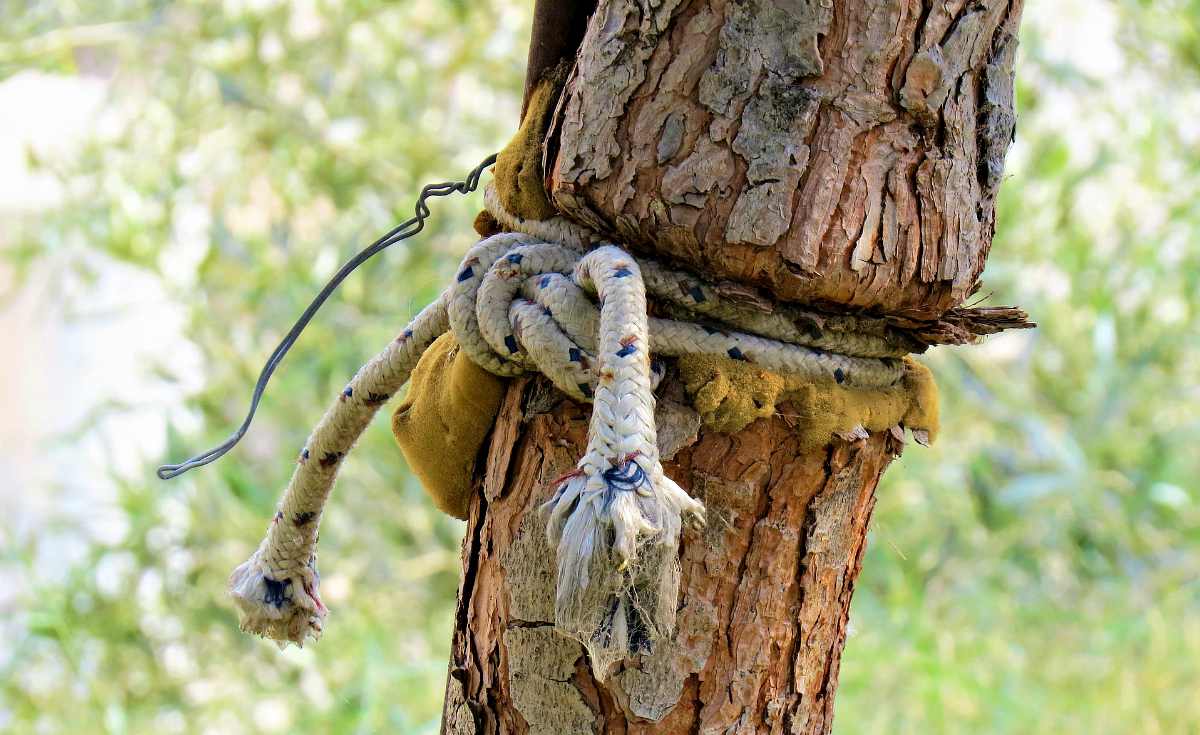
Paracord is even sturdier than rope and it’s always a great piece of gear to have on hand when you need to secure a tarp for your shelter.
2. Lanyard to Hold Items
There are plenty of lanyard projects for paracord, owing to the great flexibility and versatility of the material. A paracord lanyard provides easy access to your essential items while on the go.
Grab some paracord here.
3. Emergency Paracord Wristband
Having a paracord wristband is like carrying around an amazing multi-purpose tool, ready to be used anytime, anywhere. It’s not just a mere accessory — it’s truly a must-have for any prepper and survivalist.
4. Emergency Snare
If you get hungry out in the wilderness, use one of the strands inside the paracord to trap food. What’s even better, it can trap human foes as well.
5. Fishing Line
You can also catch fish using the inner strands of your parachute cord. If you have a fishing hook and a rod, whether ready-made or improvised, you’re ready to get some food.
6. Boot Laces
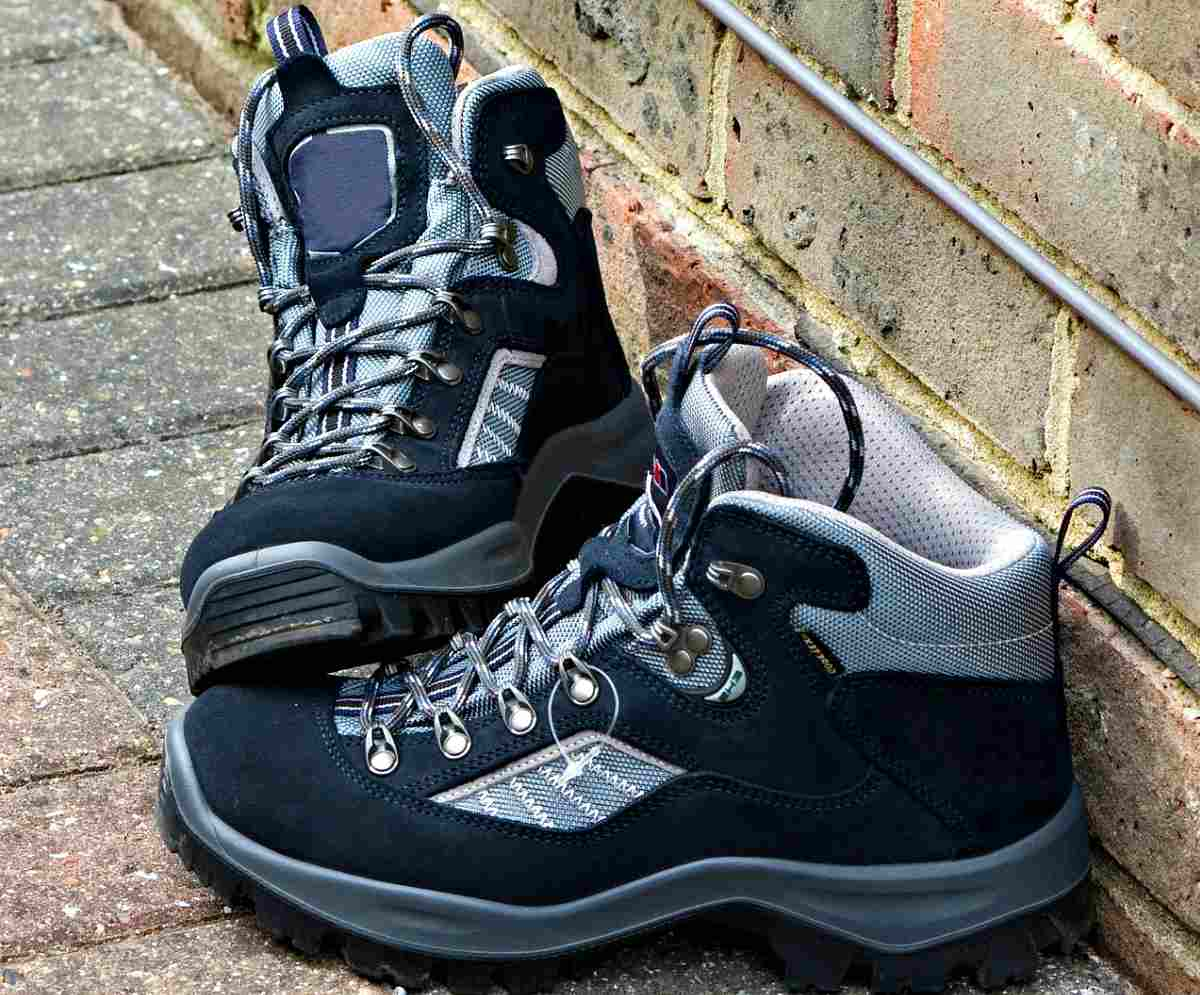
This is one of the many ways to bring along lots of paracord without anybody knowing. Boots can hold long stretches of cordage. Of course, you don’t want to walk barefoot after using some of the paracords, so you can try a new trick: double lacing.
Check out my favorite Life Laces, perfect for paracord-loving survivalists.
7. Floss with the Inner Strands
In survival scenarios, personal hygiene might be sacrificed for more important things. But who says you can’t keep your teeth clean?
Just cut up the outer shell of the paracord and you can use the strands to remove the food and plaque between teeth. Even when SHTF, remember to keep an eye on your dental hygiene!
8. Dog Leash
Preppers and survivalists who love dogs will definitely enjoy working on this project. I mean, who would expect to have yards and yards of paracord from a dog leash?
9. Emergency Suture from Inner Strands
Serious injuries can happen anytime, anywhere. Add some paracord to your first aid kit because it might help in closing cuts or wounds. Take a first aid course to learn how to suture wounds and you’ll have an easier time of it when it happens!
10. Wrap Knife Handle
Sometimes, a knife handles a break from hard use, but don’t worry because any prepper knows you may use the paracord as a substitute. A paracord handle makes the knife easier to hold. You can also make a loop at the end of the handle for an added handling option.
Check out a brutal paracord knife here!
11. Bow Drill
Making fire with friction is primitive but effective and of course, you can use a paracord to do this! A bow drill can help you make a fire faster and better than using your hands.
It is even better if you’re not used to making a fire from scratch. We wouldn’t think twice about packing a bunch of paracord survival bracelets in our gear.
12. Clothes Line
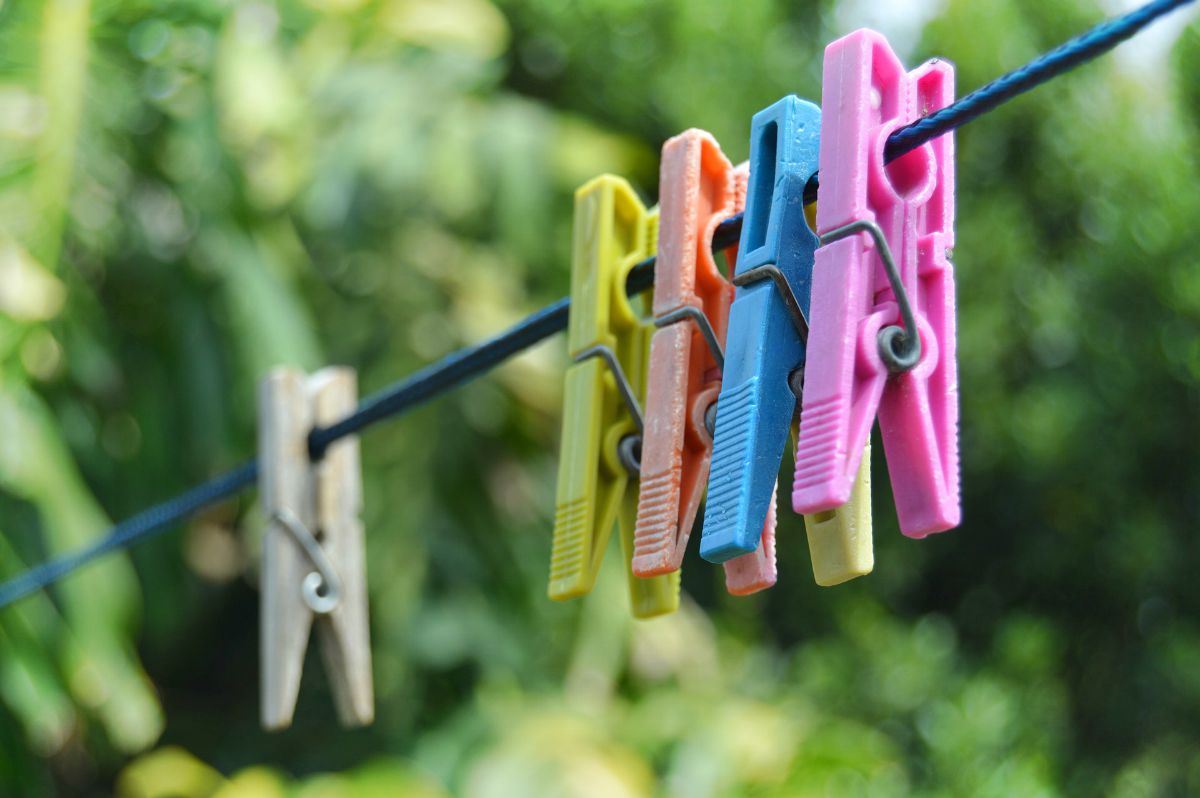
Drying clothes may become difficult when you have bugged out. However, stalking around the wild in dirty clothes can also cause disease, so don’t ignore your laundry.
Set up a clothesline using paracord and you will have warm, fresh and dry clothes. You can also set up a paracord clothesline at home if you like.
13. Improvised Seats in the Wild
With a paracord, you can set up an improvised seat by lashing a long log horizontally to two trees. We’ve been doing this for a long time with ropes but using a paracord is just as good, too. You can rest after a long day of hunting and gathering.
14. Emergency Repair for Sails
A torn sail, while you’re sailing or canoeing at sea, can spell disaster. Leave the cursing and blaming behind and mend that sail with paracord so you can keep going.
15. Belt for Trousers
This is probably one of the most popular paracord projects. A belt is a great way to store and bring along a huge volume of cordage.
It also looks pretty fly. Just because society has crumbled and everything is anarchy doesn’t mean you should let your fashion sense go.
16. Hanging a Kettle Over Fire
Outdoor cooking is easier with paracord. Simply use it to hang your kettle or pot over the fire. You can also build a campfire crane with the help of this super useful cordage.
17. Emergency Sewing Thread
There are so many strong and tough threads inside a parachute cord. You can use them to sew things together if you run out of a thread.
18. Making a Fishing Net
And you thought fishing with paracord only meant using it as a line for your hook and rod. But that’s not all: you can also fabricate a fishing net from the strands.
19. Making a Hammock
These days a hammock is not only good for a cool nap. It can be used as a temporary dwelling when you bug out. If you’ve already made a net, you can use that as a hammock instead.
20. Improvise a Sling
Use a paracord sling to make bundling and carrying cargo easier. A paracord sling has another benefit, which is having cordage available to you anytime you need it.
21. Hobble Animals
Prevent animals from straying by using paracords as hobbles.
22. Perimeter Tripwires
A tripwire gives you a sense of security when you have camped out in a strange place. Use a paracord to connect tin cans or anything that makes noise to create a tripwire. You can rest easy knowing that you will get a warning if there is an intruder.
23. Watch Strap
A paracord watch strap should be on every prepper’s wrist, aside from paracord survival bracelets, of course. You can make one or buy one, and you will not regret it.
24. Rigging Up a Quick Bow Stringer
It is dangerous to string your bow without any stringer. If you have been into archery for some time, you know exactly what we mean. It’s always a good idea to have some paracord with you, like when you forget to bring your stringer.
25. Marking Trail
It’s easy to get lost in the wilderness. But with a paracord, you can easily mark your trail. Simply unwind your paracord bracelet then tie it around tree trunks and other visible spots in the area.
26. Carry Gear on Your Back

TOUGH-GRID 750lb Camo Green Paracord/Parachute Cord – Genuine Mil Spec Type IV 750lb Paracord Used by The US Military (MIl-C-5040-H) – 100% Nylon – 50Ft. – Camo Green
- PREMIUM CORD… AT A BARGAIN PRICE. NOTE: PACKAGED ACCORDING TO LENGTH. (50, 100 and 150 footers come coiled in bags, 200 footers on a tube and 500 and 1000 footers on a spool. 1000 footers may come in up-to 2 non-spliced sections. PLEASE SEE PACKAGING IMAGES ON LEFT.) Cord diameter measures 3/16″ (+/- 1/32″). We want to be your “go-to” source for great Type 4 Mil-Spec Paracord. Thousands of Reviewers agree this is the best paracord they have ever used!
- PEACE OF MIND. THERE’S NOTHING QUITE LIKE IT. Go ahead, string up a hammock, rig your sails, secure your tent or make an emergency tourniquet. The extra 200 pounds of strength beats regular 550 cord and is there to protect you when you really need it! Our 100% Nylon (11 Triple Strands) TOUGH-GRID cord is NEVER Spliced and is made with USA pride and craftsmanship which gives you that great feeling that you got what you paid for and are helping keep America strong.
Preppers and survivalists must know how to improvise gears. With a paracord, you can make a makeshift rucksack to carry your things.
27. A Platypus Hose Cleaner (by tying granny knots in it and pulling it through)
Hoses collect dirt as time goes by, not only on the outside but also on the inside. That mud, grease, or dirt will clog up the hose.
Plus, they make the hose look disgusting. Get your paracord, tie granny knots in it, and pull it through that dirty hose.
28. Tying House Keys
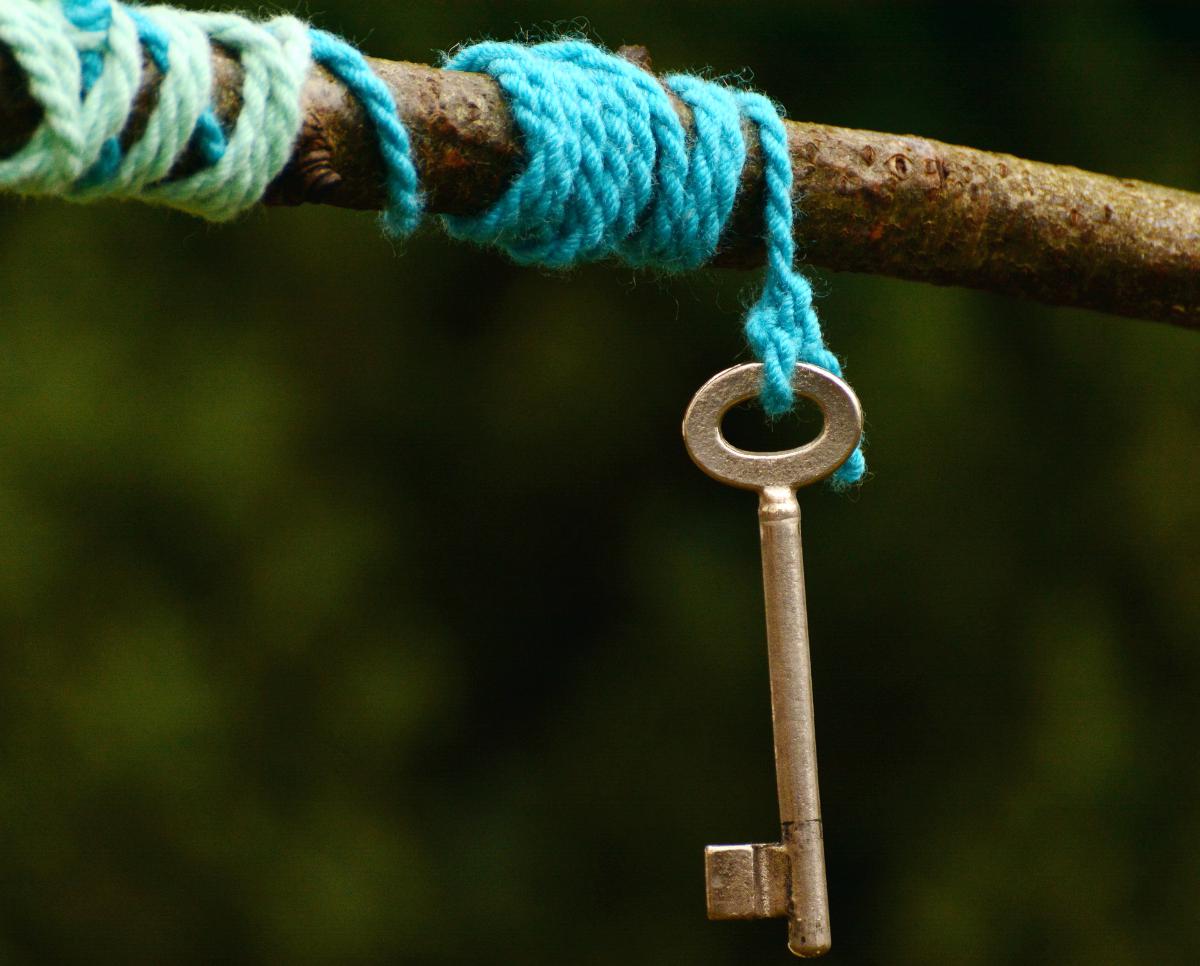
With all the distractions kids are dealing with, they often tend to forget the more important things. Make key holders from paracords and tie them to your child’s wrist or favorite bag.
29. Emergency Tow Rope
It’s a fact of life that things break down sooner or later, and that includes your vehicle. If you don’t have a tow rope when your car is not working, your bundle of 550 cord or 600 cord will come in handy. Admittedly, you need several strands, but it is surprising what a few together will hold!
30. Pulley Line
It doesn’t take a genius to figure out that moving large chunks of wood demands lots of physical exertion. Factor in a hill and the problem only gets worse, but a pulley line made from paracord will make the work much lighter.
31. A Standby Strop
Stropping is a quick and easy way to keep the edges of your razors or blades sharp. And you can use a paracord for this. By stropping, you are maintaining as well as extending the life of your tools.
32. Skipping Rope for Kids (needs a heavy knot in middle)
Give the children a fun activity. Skipping rope is a great way for them to exercise and maybe divert their attention from the aftermath of a disaster. You can even join in if you like!
33. Hanging Mesh Frames in the Greenhouse
Be creative with your homesteading garden. With a mesh made from paracord, you don’t need to buy a wire trellis anymore.
34. Bear Bag
Keep bears away from your food. Hang your food supplies on a tree branch up high and keep those Grizzlies at bay.
35. Rudimentary Swing for Kids
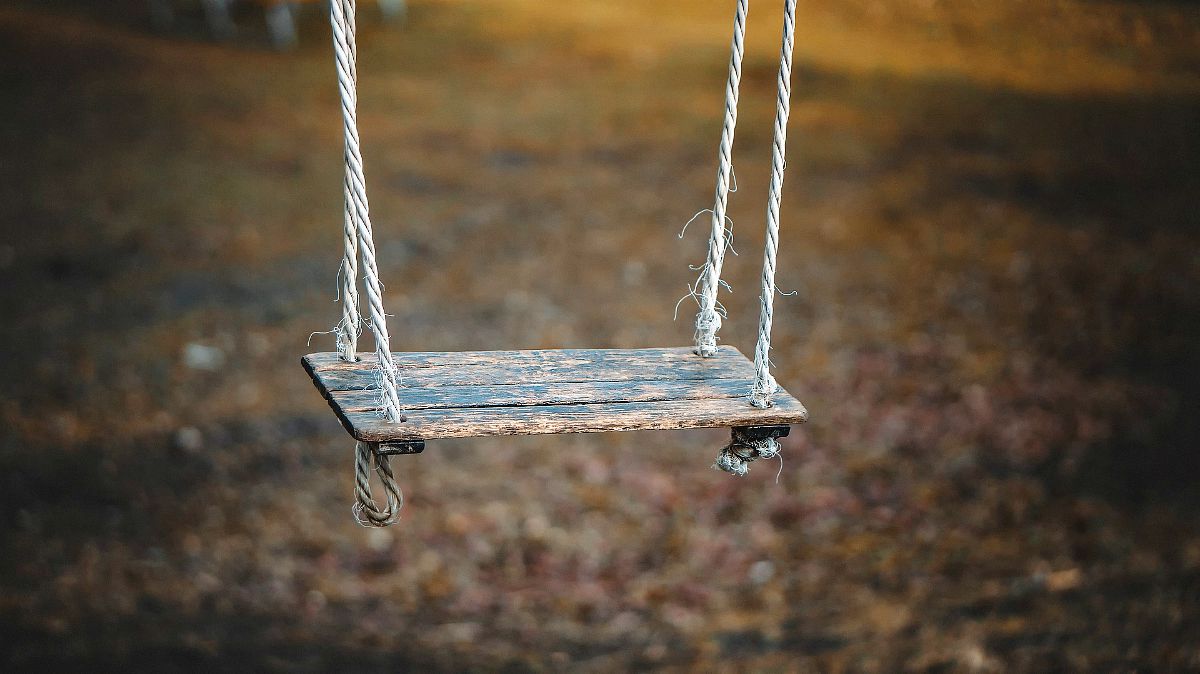
The children will get bored when you have camped out for some time. The parachute cord is strong enough to make a swing for the kids. Set up one and you’ll keep the kids happy.
36. Securing Rolled Items
Rolling items like clothes can maximize space in a backpack. But you might need extra help to keep the items tightly rolled. Of course, you can secure them with a paracord.
37. Abseiling Down a Cliff
When you don’t have a rope with you, a paracord can take its place. Just make sure you have enough and you know the proper way of rappelling.
38. Headband or Hair Tie
This paracord hack will keep the ladies looking nice and neat. Of course, the guys with long hair will also benefit from paracord hair tie.
39. Bundling Firewood
Carrying firewood back to camp is a daunting task. Bundle them together with your 550 cord and it becomes a piece of cake.
40. Dragging Things with a Sled
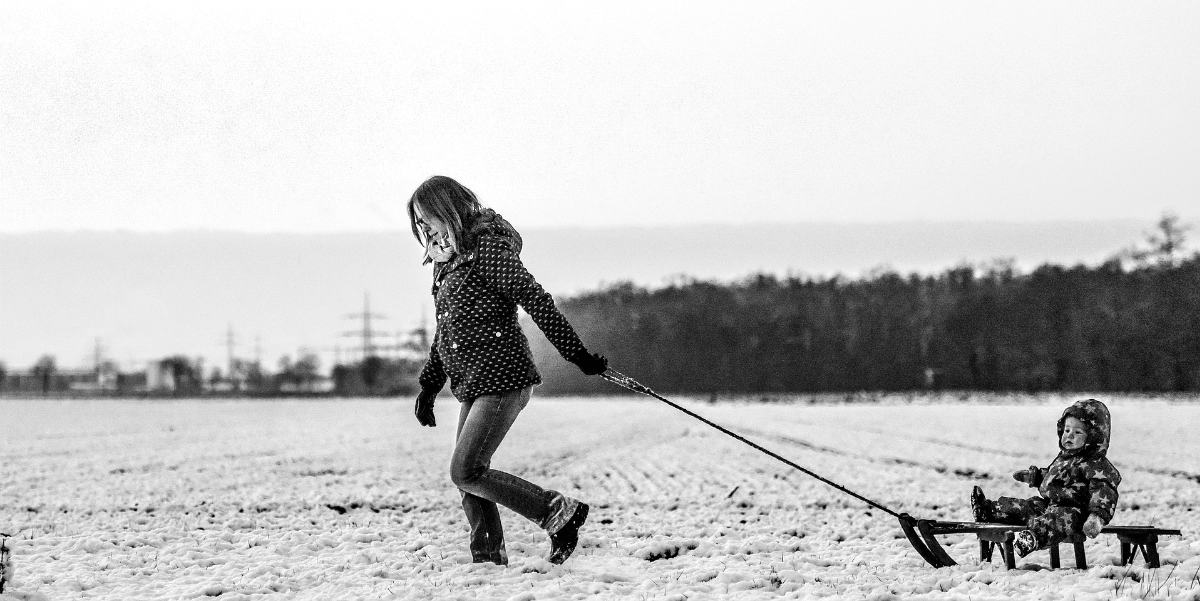
Walking with a heavy load when it’s snowing can make movement impossible. Your feet will only sink deeper with every step. It is better to put your cargo on a sled and drag it along with paracord than carrying all that weight on your back.
41. Hanging a Light on the Latrine
Finding the toilet in the dark is a difficult, if not disastrous, proposition. Make it easier for yourself by setting up a light near the latrine. And paracord is very helpful in setting up that light.
RELATED: Top 10 Reasons To Never Leave Home Without A Paracord Bracelet
42. Replace a Snapped Pull String
It’s so frustrating when light, is difficult to turn on because the pull string is missing. Paracords make a great replacement.
43. Strap Wrench
Use a paracord to make a rudimentary pulley system like a strap wrench for moving heavy weights.
44. Improvise a Fuse
Did the fuse burn up on your oil lantern? Not a problem. Paracord burns great and can be used to make an improvised fuse.
45. Hanging Home Decor
When bugging out, you might need to improvise a little when it comes to home decor. Paracord is strong enough to keep mirrors and other large, heavy objects suspended.
46. Halter for Horses

If you’re in need of horse tackle, don’t fret. Paracord can be used to produce a makeshift knotted halter.
47. Improvised Bore Snake
Cleaning your weapons can be tricky without the proper equipment. Once again, it’s paracord to the rescue. Improvise a bore snake from paracord to clean your firearms.
48. Making a Tire Swing
As previously mentioned, it’s easy for kids to get bored in a bug out situation. Have them help you make a tire swing out of paracord.
Doing the project itself provides hours of entertainment and once the tire swing is done, they’ll be occupied all the same.
49. Hanging Your Hammock
We mentioned earlier that you can make a hammock with paracords. But even if you already have a hammock of your own, paracords still come in handy when it’s time to hang it.
50. Strap for Whistles
An emergency whistle is important to have in a disaster situation or when bugging out with a group. Make sure you have a whistle on you at all times with this paracord hack.
51. Pull Cord for Chainsaw
This is just another way paracords can help you with your woodworking projects or when building a shelter.
52. Pull Cord for Boat Engine
It can be nerve-wracking when you’re out on the water and need to repair your boat. Sailors and boaters should always have a spool of paracord nearby in case of emergencies.
53. Pull Cord for Lawn Mowers
Without a pull cord, that lawnmower is just a very large, expensive paperweight. Use a paracord and save money on costly repairs.
54. Emergency Tourniquet

If you’re injured or suffering from heavy bleeding, and you can’t get to a hospital immediately, make a tourniquet from a paracord as a last resort.
What is a tourniquet? A tourniquet stops blood flow through a certain vein during emergency situations. One can use a paracord or tight bandage to compress the limb.
55. Tying Rucksacks When Traveling
When traveling with a lot of gear, it can be easy to drop or lose track of what you’re carrying. Tying it all down with paracord can keep your cargo in place and account for.
56. Replacing a Drawstring Cord

Keep the items in your rucksack secure with this quick and easy paracord fix.
57. Tent Guy Lines
Tie paracords between two trees to construct a tube tent. With just a few materials, you can create a makeshift shelter while you’re bugging out.
58. Make a Monkey Fist
A monkey fist is an effective self-defense tool when you don’t have other weapons on hand. If you find yourself without a weapon in the wilderness, remember that you still have your paracord!
A monkey fist is a simple bludgeoning weapon made of a cord with a weight tied to an end. It’s pretty much a flail you can put in your pocket.
You can make a monkey fist with your paracord and a weighted ball or a perfectly rounded rock. In no time at all, you’ll have a self-defense weapon in your pocket.
Make your own monkey fist with this custom jig!
59. Securing Rucksacks When Buckles Break
Need to make your rucksack more secure? Tie down the lid with a paracord and keep your items in place.
60. Improvised Stretcher
Make an improvised stretcher with paracords by lashing poles together and making a net. In an emergency medical situation, this project could literally be a lifesaver.
61. Making a Shelter
Lash poles together to set up a temporary shelter. Make sure your shelter can withstand the elements by securing it with strong 550 cord.
62: Hunting Spear
When you need to hunt, lash a blade to a long pole to create a spear. Improvised weapons are great for hunting in the wild, especially when you don’t have traditional weapons on hand. Paracord is perfect for constructing a spear.
63. Wrapping a Mini Maglite Handle for Grip
No need to worry about your flashlight slipping out of your hands when you’ve got a paracord grip!
64. Lowering Packs Down Cliff Edges
Lowering cargo down a cliff can be a precarious situation but your trusty paracord will help you get the job done.
65. Handcuffs for Bad Guys
When tied correctly, you can be sure that these makeshift handcuffs will keep your captive from escaping or turning on you. Make sure you know some paracord knots or it’ll be pointless.
66. Entertainment During Stressful Times
In a survival situation, it’s important to take some time to relax and let your mind wander. Tying and untying paracord knots is a great way to unwind (no pun intended). Plus, you get to practice tying knots, so you know exactly what to do when you actually need them.
Here’s another way to stay entertained in a bug out situation.
67. Zipper Pull
A broken zipper is one inconvenience you don’t want to deal with in a survival situation. Use paracord to remedy a broken zipper pull.
68. Making a Ladder
A ladder isn’t exactly practical to carry with you in your bug out bag. But paracords and some sticks or boards make a perfect makeshift one.
69. Hanging Kills in Rucksacks
There’s nothing more frustrating as a hunter than having your kill stolen overnight by predators. Paracord can help you hang it out of their reach.
70. Mooring Your Boat to a Dock
Keep your boat safe and secure by using paracord to dock it.
71. Replacing a Broken Water Ski Rope
Sure, this might not be a “survival” necessity. But on your next trip to the lake, you won’t have to worry about broken ski ropes if you’ve got paracord handy.
72. Tie Life-saving Knots
A paracord is easy to manipulate, so it’s great to learn to tie basic and more advanced knots. Once you learn the basics of tying the knots, you can start working with a thicker, heavier rope.
73. Collecting Water
Using a paracord, tie a knot and place it inside a plastic bottle. Hang it on a rock or damp surface and the water will collect on the cord and drip into the bottle.
74. Climbing a Tree
Wrap a paracord around a tree to use as a grip. It’ll make it easier for you to climb the tree.
75. Making Snowshoes
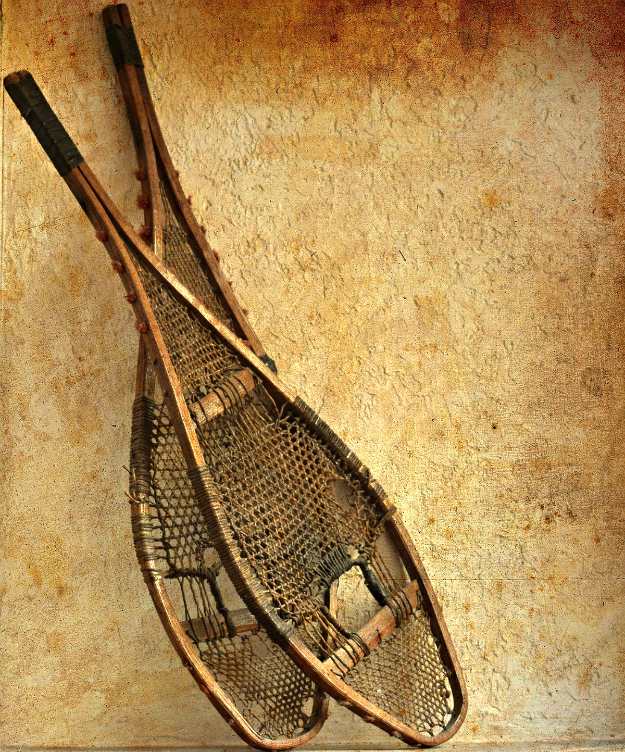
Keep your feet warm and dry with these improvised paracord snowshoes.
76. Sling to Hunt Small Animals
Hunting and trapping are much easier when you’ve got plenty of paracord on hand.
77. Creating a Bullwhip
A paracord bullwhip is fun to play around with. You can also use it for self-defense when needed.
78. Creating Trotlines when Fishing
When you’re bugging out and hungry, you’ll be glad you brought some paracord along to help you catch your next meal.
79. Create a Gill Net for Fishing
If you didn’t pack a fishing net, don’t worry. As long as you brought some paracord along, you can construct your own.
80. Making a Stronger Cord
The great thing about paracords is that they’re so versatile. If one strand isn’t strong enough for your needs, weave multiple strands together to make a sturdy rope.
81. Hilt Grip
Swords and blades can get really hard to hold, especially when your handles have smoothed out from use. To remedy that, wrap your paracord around the hilt to produce a DIY hilt grip. This gives you a better grip on your blade and prevents accidental slipping.
82. Tow Rope
Vehicle bogged down in the mud and you don’t have a tow rope? You have paracords! Weave several cords together and make a sturdy tow rope.
Tie one end on your car and pull it from a tree trunk and you’ll get your car out in no time.
Watch this video from EverydayTacticalVids for more uses for paracord tips:
Who would’ve thought there are nearly a hundred paracord uses? The time you need to bug out or just go camping in the wild, make sure you have a handful of survival bracelet supplies. You’ll never know when you might need them.
What other uses for paracord do you know? Share them with us in the comments section!
Up Next:
For awesome survival gear, you can’t make at home, check out the Survival Life Store!