Survival Gear is the most unused product until a natural disaster happens, then it’s the most desired products, but usually too late to help those that really need the help.

We sell around the World, and pride ourselves on offering a level of customer service that we would want to see ourselves if we were shopping online.
Our product ranges change regularly, so we hope that you come back to our sites to see some of the fantastic offers that we regularly have.

Get In Touch

Bugging Out With Your Best Friend

If you’re reading this, you’ve probably given some thought to “bugging out.” You may even have a solid kit and plan. It’s relatively simple when you’re a single manor woman. When you start adding in children, spouses, and pets, things get complicated. If faced with the situation, you may choose to leave your dog at home to protect the house. Personally, I wouldn’t leave my dog at home. She would pee on my nice clean carpet, get into the trash, jump on the couch, and puke everywhere. If the fire or police department came by to check on the place, she would either charge them and get hurt or show them where my valuables are, I have no idea.
By J. Bridger, contributing author to SHTFblog and Survival Cache

Bugging out with your dog has advantages: Dogs are good for your morale. Dogs don’t nag or complain, they’re just happy to be dogs. They provide security because their ears and sense of smell are sharper than ours. Lastly, they provide protection. If your dog is decently sized, their presence may deter someone from choosing you as their next potential victim.  

 Getting Ready

Now is the time to prepare your dog. Take them camping. This will give you a chance to test your bug out bag and see how your dog behaves (if you don’t already know). You should start training your pooch on the basics: Sit, stay, come, heel, and walking on a leash. Anothergood one is “drop it!” I can’t tell you how many times I’ve been walking my dog, and suddenly she is chewing furiously on something she’s found and swallowed it before I can ID it. Is your dog healthy enough to walk several miles? Walking or running with your dog every day is a good way to keep you both in shape. A trip to the vet to ensure your pup is up to date on immunizations is important. In some states, if your dog bites someone and does not have a recent rabies vaccine, they may be put down. If they tangle with a wild animal, it’ll be one less thing you will have to worry about. Make sure they have a collar with your information on the tag. Keep in mind tags and collars can slip off. You should consider microchipping your pet.

Also read: Survival Debate – Dog or No Dog?

Your furry companion should be on a good flea and tick medication. It’s the humane thing to do and will make your life easier too. If your dog is infested, you may be next on the bug tour. Fleas and ticks carry diseases! There are many brands and kinds of medications out there including chewables, collars, and medications you apply topically between the shoulders. You should ask your vet which medication is best in your area, as this will vary by region. 

 Your Dog’s Kit

You have enough to carry, so keep this simple. Don’t overload yourself or your dog. They should carry no more than 10-15% of their body weight. Keep in mind if their pack gets wet, it will get heavier.

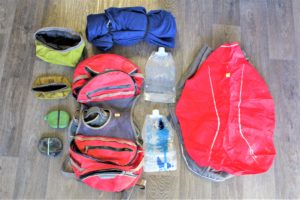
When we take the pooch on an adventure, we measure out her normal amount of dog food, divided evenly between two 1-gallon Ziplock bags. One goes on each side of her pack. In a perfect world, we would stow her food in dry sacks, but haven’t made the change yet. Wet food is heavy, I would steer clear of it for this application. Freeze dried dog food is available but is expensive and must be reconstituted with water. If you know you’ll be near a water source, that may be a good option for bugging out. Otherwise, I’d stick to dry food for convenience sake. Water is heavy. We use two 1L Platypus bags when we won’t be near water. Bladders are great because they’re lightweight and don’t slosh around. If you’re near a safe source, your dog can drink creek water without treatment (keep in mind, your dog CAN get Giardia, but it is not common). To check if your dog is dehydrated, pinch some of their skin. It should be elastic and rebound normally. If it doesn’t, they are dehydrated. If you hear someone talk about checking skin turgor for “tenting,” this is what they are referring to.  

A leash is a no-brainer. We also carry two 12’ lengths of webbing, in case we need some assistance getting the dog up or down a steep scramble. Depending on the weather, you may want to pack something for your dog to sleep on. Cold ground can suck the heat out of them. A blanket, cut down Therm-A-Rest Z-lite, or cut down Walmart sleeping pad are good places to start. Our dog has a fleece sweater, a down jacket, and a rain coat. It can get pretty chilly on the mountain, and these don’t weigh much. Your dog’s favorite toy would be a nice addition. Ideally its rugged and won’t get water logged. Our dog likes a hard bone you can stuff treats into. It keeps her occupied when we’re setting up a tarp or cooking.

Related: The Best Guard Dog for TEOTWAWKI

There are tons of companies making dog packs. Ruffwear and Granite Gear are our favorite. Mountainsmith, Ezy Dog, and Outward Hound make good packs. I would recommend looking for a used one on Ebay, they can get expensive. Make sure it has a beefy lifting strap and drain holes, these get heavy when wet! Our dog’s pack, bladders, leash, collapsible bowls, webbing, bedding, fleece, jacket, and raincoat weighs 5.2 lbs when dry. She weighs 70 lbs, so adding a couple pounds of food and water is well within her weight limit.
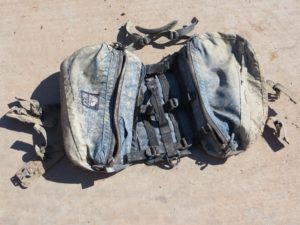
You may want to include a small survival kit in your dog’s pack for redundancy. Water treatment tablets, a fire starter, and a small pocket knife would weigh next to nothing and give you an added layer of security should you lose yours.

 Canine Medical

Dogs are tough. I had a chubby little beagle mix that got bit on the face by a rattlesnake. She swelled up and laid around for a few days and was good as new. I called up the vet and she told me there wasn’t anything to do, but some Benadryl may help her feel a little better. If I got bit, I’d probably die or lose a limb.

Even though dogs are tougher than people, you should seek out medical training specific to canines. You may be able to find a course through your local REI. Even the American Red Cross lists some canine first aid classes. There is far more advanced training available but be prepared to pay for it. Techline Trauma in Pennsylvania offers a K9TC3 course (Canine Tactical Combat Casualty Care) that runs for two days and costs $850.00. If I had the time and money, I’d do this twice. TCCC is one of the most fascinating and informative trainings I’ve ever had. In the K9TC3 course you will learn canine assessment, legal considerations, how to manage penetrating trauma injuries, severe bleeding, poisoning, blunt trauma, airway emergencies, cardiac arrest, IO/IV/IM/SQ, intubation, hypo/hyperthermia, and more. The University of Colorado offers a Wilderness Emergency Canine Care class for $145. Your vet may also be able to point you in the right direction.

There are a lot of canine specific first aid kits out there. You should have a medical kit, and a lot of the same things will work on your pup (ie: bandages). That being said, you should never assume human medications are okay for dogs. Don’t give your dog ibuprofen, aspirin, or acetaminophen (Tylenol).
A lot of people say you can use hydrogen peroxide to make your dog vomit in case they ingest something poisonous. That may be so, but I’ve never met a vet who recommended this. Your dog can aspirate the vomit and develop lung problems. I trust the experts on this one.

One dog specific medical device I would invest in is a good muzzle, in case your dog is injured. They won’t like it, but it will protect you or someone caring for them.

If your dog is walking on roads or rocks, their paw pads may become sore or raw. You may consider booties or rubbing paw balm on your dog’s feet when you stop. Unless you and your dog are active, chances are you’ll both be sore if you bug out. Massaging your dog’s muscles and stretching them will help prevent soreness and stiffness. There are a ton of YouTube videos about how to stretch your dog, and it’s easier than you’d think. If your dog is older or not used to the distance, they’ll appreciate it.

 Other considerations

  • Keep in mind if for some reason you hitch a ride in an ambulance, they may not take your dog.
  • You should be burying or packing out your waste, but now you will be pulling double duty with your dog’s doodie.

  • If your dog isn’t well trained, bugging out will be a headache. You may want to consider an obedience school or trainer.
  • If your dog becomes tired or injured, you may be carrying their pack (and them). Make sure you have a comfortable way to secure it to yours before the time comes.

 Conclusion

Choosing to take your pet with you or not is a choice you have to make. In most situations, I think the advantages are clear. The companionship and security they provide more than make up for double doodie duty.  

 

Most Versatile Optic for the AR-15

Most Versatile Optic for the AR-15

Most Versatile Optic for the AR-15

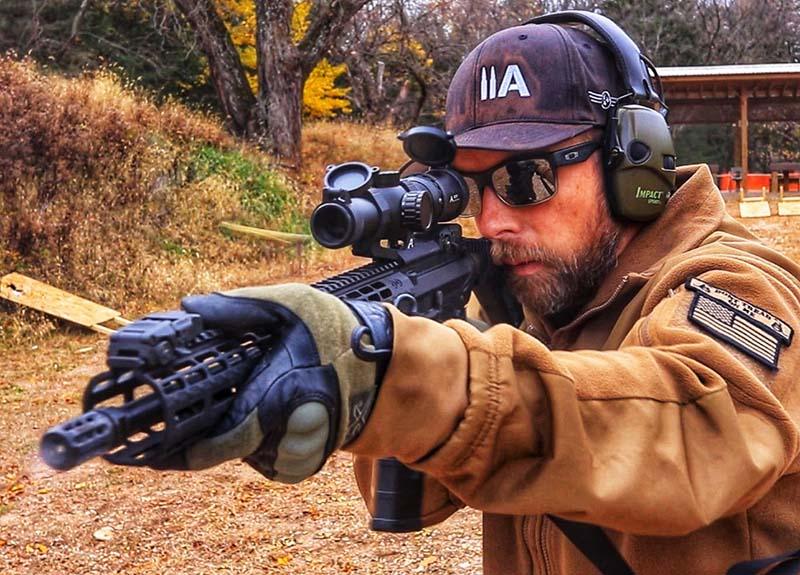
The political climate has risen to a boiling point in the United States. It would seem that the possibility, while improbable, of another civil war could erupt at any given moment. With that in mind, it is always good to be ready for any type of civil unrest to defend yourself, your family and your home. But, when equipping your AR-15 with an optic which one would serve you best if you are in a “bug in” situation that could last one or more weeks? What optic would best suit you in a close quarter combat (CQB) and an open environment situation? That is what we are going to explore.

What Types of Optics Should I Consider?

With the booming popularity of the AR-15 in the last 15, or so, years, we have also seen a surge of innovation in the optics market. Starting with the Aimpoint M68 CCO red dot, we found that an optic could quickly be a combat multiplier in giving the shooter not only fast acquisition of a target but also the ability to place well aimed shoots up to 300 yards away. As technology advanced, more optics became desirable due to their ability to provide more features. Optics like the EOTech 512, and later the XPS-2, the Trijicon ACOG fixed 4 power optic, Primary Arms 1-6x24mm variable scope with the ACSS reticle are just a few of the advancements in sight technology.

Why a Red Dot May Not Be the Best?

There is no doubt that a red dot is an excellent choice in an optic for your AR-15. The Trijicon MRO or Aimpoint Micro T-2 are excellent choices. They have the ability to find and engage a target quickly. In low light situations, some red dots can be coupled with night vision goggles to increase your lethality. High end red dots also have battery life that can sustain operation for 50,000 hours of continued use. However, they do have limitations. Shooting targets at distance can be challenging without the use of an added magnifier. This will add more items to your rifle that translates to a heavier rifle. In addition, if you have astigmatism, red dots can be difficult to use since the dot may be hard to see. Depending on the severity of your astigmatism, a red dot may appear as a star burst or several dots in a line. This may eliminate this sight for a lot of people.

Are Holographic Sights Better than Red Dots?

As mentioned, red dots are an excellent option; however, a holographic sight like the EOTech 512 or XPS-2 may be superior to the red dot. For those that are plagued with astigmatism, a holographic sight will not look distorted due to the use of mirrors and a laser to generate the reticle. A red dot uses a LED light that reflects off the front lens to the shooters eye. A sight like an EOTech can sustain damage to the lens, or lose it completely, and still project a reticle making it far more durable. Any damage to a red dot’s front lens could spell disaster for the shooter due to the design and technology required for a red dot to work. However, a holographic sight does have one disadvantage to the red dot and that is battery life. A laser requires far more energy to operate than a LED light and battery life is usually relegated to about 1,000 hours of continuous operation. That could also be an issue for someone that does not have access to replacement batteries.

Fixed Power Optics Suck for CQB…

Fixed power optics, like the Trijicon ACOG, are another great option for AR-15s. In the last 5 to 10 years, we have seen more military units begin to use fixed power optics to allow additional lethality to the Soldiers or Marines. These sights allow a shooter to better see a target which allows for more accurate round placement. Newer versions of the ACOG even have fiberoptic illuminated reticle that assists in finding the reticle. Yet, with the increased magnification does hinder a fixed power optic from being the best option for CQB. If you are in an urban environment and must maneuver in and/or around homes, apartments, or other types of buildings the ACOG may be too much optic for what you need.

Why LPVO are the Most Versatile?

Red dots, holographic sights, and fixed power optics are all fine choices; however, the low power variable optics (LPVOs) have the most versatility built into them. A great example is the Primary Arms 1-6x24mm FFP ACSS scope. This optic is a first focal plane sight that can be set on a magnification from 1 power up to 6 power for long range shots. The ACSS reticle is the pinnacle of innovation with optic technology by providing a reticle that allows the shooter the ability to be precise in aiming but also provide ranging capabilities as well as bullet drop compensation. It even allows the shooter to shoot moving targets by using the built-in lead points. A first focal place LPVO mimics a red dot at 1 power since the ACSS reticle will reduce in size to appear to be a dot. The reticle for the Primary Arms LPVO can be illuminated and features 11 brightness settings. In most higher end offerings, the reticle will be etched into the glass that will ensure durability if the optic gets knocked around.

Wrapping It Up…

All modern optics are going to suit most people well on their AR-15. Yet, having the ability to use an optic like a red dot or increase the magnification to 6 power quickly makes the LPVO the best option. Every sight will have pros and cons; however, the LPVO pros outweigh the cons. For a reality where you may be forced to protect your family and property for prolong periods of time, the ability to have an illuminated sight, if desired, and the flexibility to choose the magnification needed for the scenario that is front of you makes it the optimal option for a “bug in or out” situation. Since the reticle is not dependent on being illuminated, batteries may not be a major concern when put in a situation where they are not readily available. Regardless what optic your preference is, you can only be as lethal as your training allows. Choose a sight and train to ensure your proficiency gives you the best opportunity to make it out of any situation.


About Mark Grimsley

Mark Grimsley is a former U.S. Army Officer that started his career as an enlisted Abrams crewman. He has served in 3 overseas tours that include Korea in 2002, Iraq in 2003 as a tank gunner and Afghanistan in 2010-11 as a logistics officer. He completed numerous schools in the Army to include Air Assault and Airborne. Currently, Mark is an Army spouse and enjoys running a YouTube channel


The post Most Versatile Optic for the AR-15 appeared first on Off The Grid News.

Survival Gear Review: Magpul M-LOK Tripod Adaptor

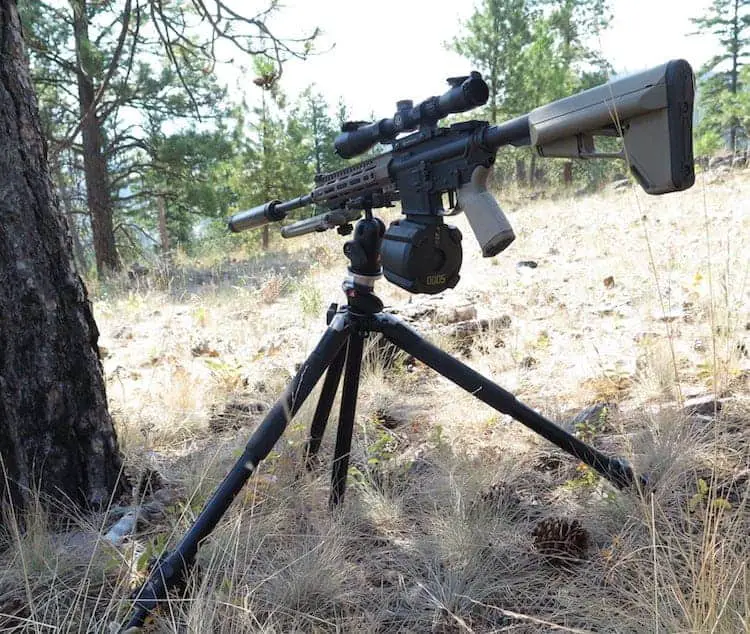
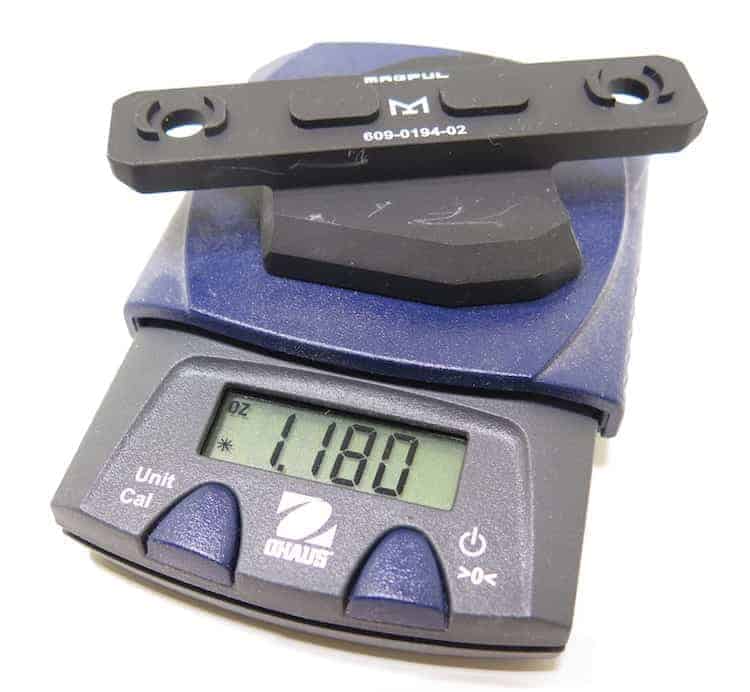
If only the speed and dexterity of camera tripods could extend to rifle stability. Ahh, but there is a saddle-like apparatus that snipers have been using for years. But the three drawbacks of the saddles include price (good ones exceed $300), weight (good ones hover round one pound), and the saddles completely consume the tripod head thus preventing it from quick use with other attachments including spotting scopes, cameras, rangefinders, and the like. Enter the Magpul Magpul M-LOK Tripod Adaptor, a tremendous solution that solved all three problems in one ounce-and-a-half $50 plate that seamlessly integrates the rifle into a stable support platform that is common across photography, and it follows the massive number of photo-oriented stability options.
By Doc Montana, contributing author to Survival Cache and SHTFblog

Stable shooting platforms are not rare. From sticks and sandbags, to fence posts and pickup truck hoods, standard rifles smoothly slide around providing the shooter an optimum position. Then came the popular bench rests like the Caldwell Lead Sled. Now I love my Lead Sled for traditional rifle stocks, but the AR15 with its plethora of handguard configurations and accessories, tactical stocks, and especially the magwell filled with a stick up to a foot long. Further the stock-to-handguard alignment of an AR platform rifle tends to make it sit quite high in traditional rests. But what if you could just snap your AR into a tripod with the ease and security of a DSLR with large telephoto lens? Obviously you can since that is the point of this article. Enter the Magpul M-LOK Tripod Adaptor.
 Also Read: Back to Basics – The KISS AR-15

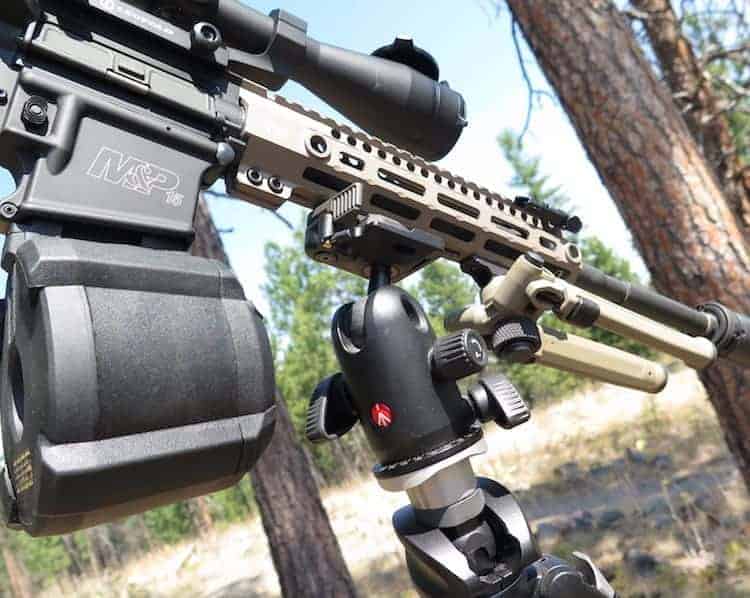
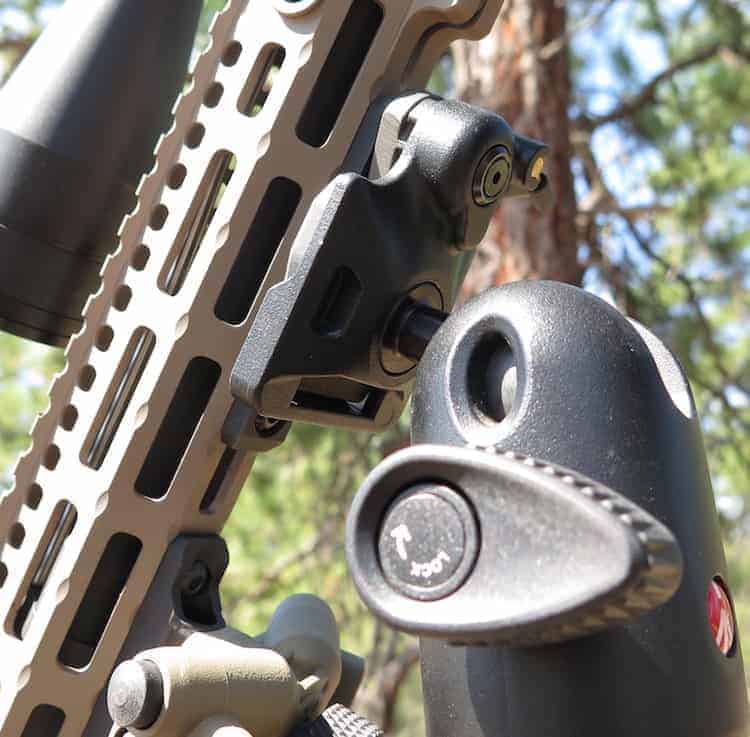
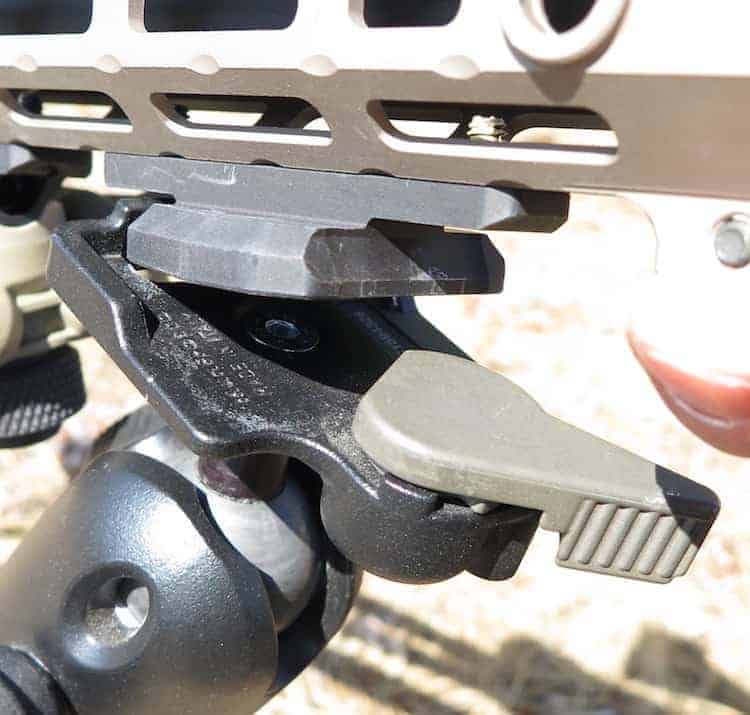
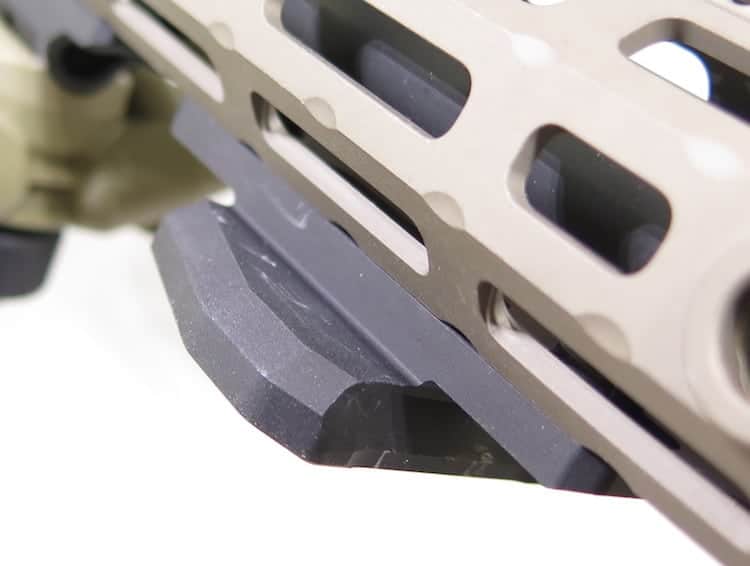
Bolting onto the underbelly of your handguard, the Magpul M-LOK Tripod Adaptor is barely apparent until it’s needed. In fact it makes are reasonable good handhold upgrade although not as efficient as Magpul’s own AFG.
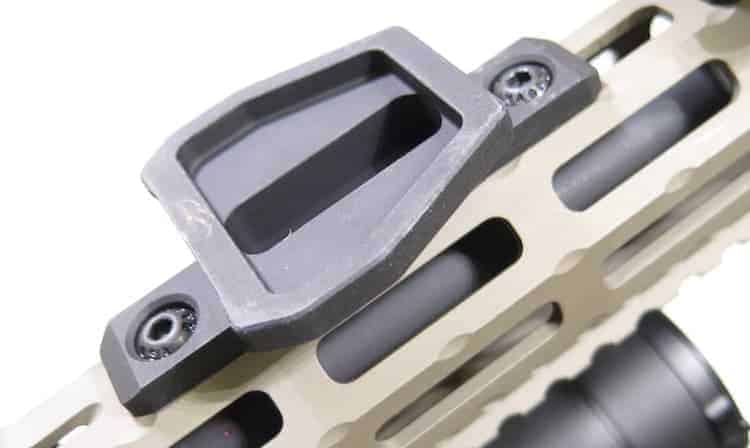
The CNC machined aluminium plate is designed to integrate with the popular Manfrotto RC2 and Q2 interfaces. The small footprint of the plate provides ample strength to the system. With the average balance point of a typical AR15 somewhere around the magwell, the Magpul M-LOK Tripod Adaptor, mounted just forward of the magwell, safely and secures an AR platform rifle up to 10 pounds, in my estimation anyway. And that’s based on a quality tripod with an equally quality tripod head.

And speaking of tripod heads, a popular choice for the Magpul M-LOK Tripod Adaptor is a ball head tripod head, in specific one of Manfrotto’s heavy duty choices. A quality ball head allows both freedom of movement and adjustable drag giving a fluid (but not literally fluid as with fluid-head video tripod heads) motion.

One of the amazing aspects of using a Magpul M-LOK Tripod Adaptor and tripod support is the extreme diversity of shooting positions, heights, and angles. Basically, any direction a camera on a tripod can point at, an AR15 can as well.
Depending on the particular tripod, from ground level to seven feet plus is possible, and pretty much any angle that allows the rifle to remain balance is possible as well. Many quality (and I mean quality) tripods have legs that can extend far beyond the usual 66 degrees or so. And speaking of tripod legs, I fully recommend metal or carbon fiber over anything plastic. And of the metal, I suggest round aluminium over rectangular or channeled aluminium. Of course you can use whatever you like, but it will be a rude awakening when you start popping off shots only to have your lightweight tripod collapse, twist or bend.

Related: Survival Cache Podcast: The AR-15 Part 1

For those with more extensive needs, Magpul makes solutions for a popular railed tripod mount that not only mates with more advanced tripod heads, but slides back and forth for additional balance preferences. Magpul’s Dovetail Adapter chassis rail for RSS and ARCA tripod head interfaces is the next step for those with greater stability needs. If the future for rifle tripod adapters looks bright, Magpul just makes it blindingly bright.
 

All Photographs by Doc Montana


The post Survival Gear Review: Magpul M-LOK Tripod Adaptor appeared first on Survival Cache.

Why You Must Practice Off-Hand Shooting For Survival

off-hand shooting

off-hand shooting

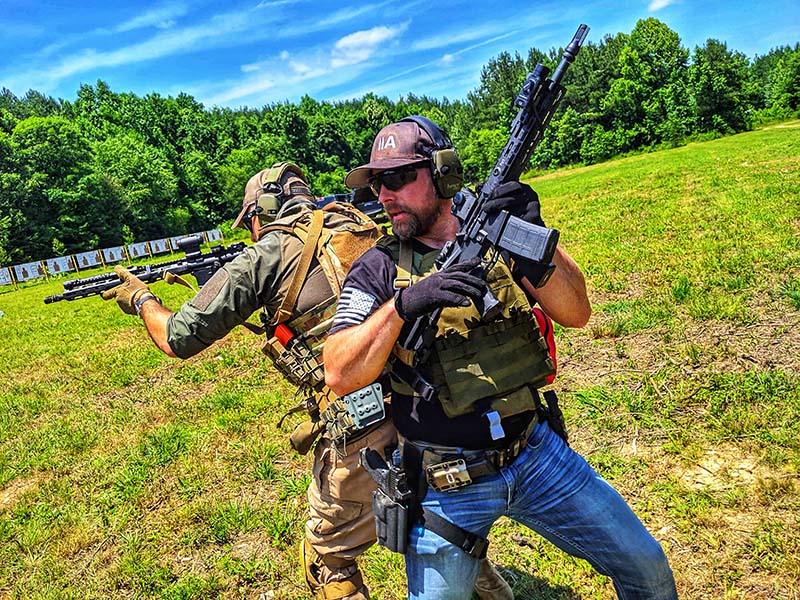
The average range environment tends to box shooters into a situation that focuses more on safety than it does on developing the skills you need to survive a gun battle. The safety angle isn’t necessarily a bad thing. Most shooting ranges are designed to accommodate both the expert shooter and the first-time shooter who has never handled a weapon in his or her life. In order to accomplish this mission, ranges operate under a series of safety rules that prevent things like prone, crouching, or kneeling shooting positions as well as any sort of movement or deviation from the firing line. Drawing from the holster is usually not permitted, unless the shooter happens to be law enforcement. The net result is that range shooters will typically have an incredibly narrow and focused shooting ability that is far less tactical than their military or law enforcement counterparts.

While you may not have access to a shooting area that permits any of the above described alternate shooting positions, there is a segment of your shooting that you are probably not as well practiced at. The one that you can practice in any indoor range – off-hand shooting.


Off-Hand Shooting

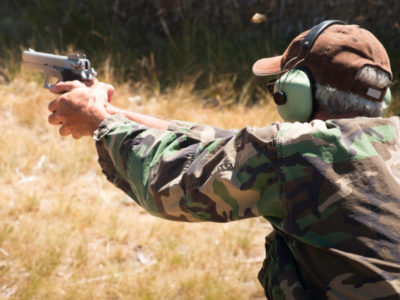
Sometimes referred to as weak-hand shooting (as opposed to strong-hand shooting), off-hand shooting is simply shooting with your non-dominant hand; if you’re right-handed, this means shooting with the left hand, and vice versa. To some people, switching hands results in the feeling of the gun being totally new and foreign to them; the feel is different. The angle over the sights might even be different depending on how you normally hold the gun in your dominant hand. Everything about off-hand shooting is different when you try it for the first time. Everything of course, except the fundamentals of marksmanship, which remain the same no matter the hand or the weapon you use.


Off-Hand Shooting Fundamentals

It’s easy to say that the fundamentals of marksmanship remain the same no matter the hand you use, but it’s difficult to put into practice. Sight picture and sight alignment will be almost identical; same for breath control. Trigger squeeze, however, often presents a problem since your dominant hand trigger finger may have learned to gently but firmly squeeze the trigger over the course of thousands of trigger pulls, whereas your non-dominant or off-hand has no such experience.

Handheld solar generator provides power in emergency situations


So why should we even practice off-hand shooting in the first place?

  1. Because you have two hands. They should know how to do the same things as each other, especially with regards to firearms.
  2. Because in a firefight there is no guarantee that you will be allowed to use your dominant hand. Circumstances will dictate with which hand you will reach for that gun.
  3. Your dominant hand may become injured or unusable prior to or during a firefight.
  4. You may be forced to shoot from behind a barricade or obstacle that favors your weak hand. For example, if you are right-handed and lean up against a corner, and want to shoot towards your right side, around the corner. To expose yourself to the target the least, you will have to shoot with your left hand.

Off-hand shooting is a skill that must be mastered. Try it at the range by simply switching hands – it’s that easy! For handguns, most people will do just as good – or sometimes better – than they do with their dominant hand. This is because they tend to spend more time lining up the shot. They more careful than they would be with their dominant hand, and thus are just as accurate. The downside is speed; few people unpracticed in off-hand shooting can crack off as many rounds as accurately as they could while shooting with their dominant hand – but thankfully that changes with practice.


Rifles

As far as rifles or shotguns go, the learning curve is a little steeper. You are holding the gun on a different side of your body than you normally would. A pistol held in the off hand is still in the middle of your body more or less. While a rifle is fully on the other side of your body than it normally would be. It’s like viewing your back yard from a neighbor’s house – the details are the same, but the viewpoint is different. Off-hand rifle shooting is a particularly useful skill for shooting around barricades that face the “wrong” angle and thus prevent you from using your dominant hand.

If you’ve never practiced off-hand shooting, consider picking up that handgun with the other hand. Or placing the butt of that rifle on the other shoulder. In doing so, you’ll pick up a new skill plus add a measure of versatility to your shooting.


The post Why You Must Practice Off-Hand Shooting For Survival appeared first on Off The Grid News.

Emergency Food for Pets

When preparing for disaster, it is necessary to consider our pets. When unpredictable disasters strike, it is not uncommon that thousands of animals are left behind or left to fend for themselves. Remember, house pets are not equipped for this kind of survival. Our furry friends have basically been spoon fed since birth. We have taken care of their every need, and we can’t expect that they will turn from lap pets to wild animals overnight. Preparing might be as easy as having an extra bag of dry food with you but that’s not the case for all pets. Consider their individual needs and current diets. Then get prepared for your animals by stocking up on food for them that can get you through a week, minimum. Here are some basic tips and foods that can give you a good start.

  • Be sure you can feed them for 1-2 weeks.
  • Food that can also be used for human consumption is ideal
  • Know your pet’s current digestive/health needs and adapt
  • Purchase dry nutrient powders for your pets to add to food or water
  • Consider purchasing a bin of freeze dried pet food

Cats

We suggest having a bag of dry food set aside, but some cats have dietary needs that will require you to have softer foods on hand. Aside from stocking up on wet canned food for cats, grab some bags or cans of tuna that are versatile and can be used for you as well. Cats love tuna and it is very nutritious, giving them lots of protein.

You should also have a bag of dry white rice that can be boiled. Mixing this with tuna is a great, nourishing option for both you and your cat.

Dogs

Dogs need vegetables and meat sauce. They tend to do better with richer grains so brown rice is a better option. We recommend having a bag of brown rice, dried meat such as a good quality beef jerky and freeze dried vegetables. With this, you have everything you need for nutritious and filling meals as long as you can boil some water and add these items to your cooked rice. The best part, man’s best friend can share this hefty meal. Again, a bag of dried dog food is also wise to have on hand, but consider the heavy weight as you make your survival plan.

If you have a variety of pets in your home, be mindful of the different needs and pack accordingly. Our animals deserve our preparation. Animals also need an adequate supply of clean drinking water, a food bowl and a cooking pot. Your beloved pets will be grateful for your extra planning when SHTF.

Home Defense Gun Storage: In 5 Different Rooms-Here’s Why.

Home Defense Gun Storage

When it comes to home defense, gun storage is very important. Know where your weapons are and how to access them.

While I may be a bit over the top with my home defense gun storage, I would rather be way overprepared than underprepared.

I’ve put a lot of thought into where weapons should be placed throughout my house. Each one is in a very specific location, and serves its own distinct purpose. The way that I have placed my weapons was based on a few different threat levels that I assessed. All total, I store weapons in five rooms.


Level One Home Defense Gun Storage

The first threat level that I considered was an immediate threat. To me, an immediate threat constitutes someone actively breaking into my house. In this situation, I would like a firearm easily accessible and ready to rock.

The weapon that is best in an immediate threat is a shotgun in the bedroom. I view the most dangerous situation to be someone breaking into my house in the middle of the night. I generally still have my daily carry weapon in my nightstand, so it’s easy to grab on the way out the door.  A shotgun permanently lives on the wall above my nightstand in a custom concealed weapon case. The reason that I decided to go with a shotgun in the bedroom is that I’m a pretty heavy sleeper, and in the event that someone is actively breaking into my house, I like the point-and-shoot ease-of-use of a shotgun.

The next weapons that I considered for use against an immediate threat are handguns. Handguns are kept in the rooms that I am most frequently in.  I have a revolver tucked away in my living room and in my kitchen. Similar to my shotgun, these are all concealed in some type of box or case that is easy to open.

Pocket Sized Solar Generator Provides Dependable Power In Times Of Crisis


Level Two Home Defense Gun Storage

To me, a secondary threat constitutes someone lingering suspiciously around my house or poking around my vehicles too much. It’s a situation where I’m not planning on immediately engaging a threat, but I’m getting the feeling that something is wrong and I want to be ready in the event the unpredictable happens. For a secondary threat, I want a handgun with a higher ammunition capacity near the back door and the garage door of my house, so that I can easily grab it and throw it in a sweatshirt pocket or the waist of my pants to see what’s going on. I conceal these in boxes on shelves.


Level Three Home Defense Gun Storage

The last threat level that I considered is the unlikely chance that I’m engaged in some type of firefight or a gunfight that moves out of the house. To me, these are the kind of weapons that can be tucked away in a closet or in a safe. It is not necessary for me to have them immediately accessible. In my situation, I have my AR-15 with three loaded magazines in my closet.


Safety First

Lastly, I will touch on safety. A headline we see all too frequently involves young children getting a parent’s weapon and accidentally harming or killing someone – perhaps themselves. Since I don’t have any children, I have absolutely no qualms leaving my weapons completely ready to go. Every single weapon in my house has a round in the chamber, with the exception of the AR. However, as soon as I do have kids, things will be different. I’ll still keep the magazines loaded, but I will refrain from keeping a round in the chamber. A habit that I will have to break is simply leaving my daily carry weapon on my nightstand. Weapons should be up high and even locked away where a young child can’t reach.

Like I said, I am probably over the top on home defense. I feel that being overprepared is far superior to being underprepared. My biggest concern when it comes to home defense is being adequately prepared to engage any threat that may face me or my family.

Where do you keep your guns in your home? And if you have children, how do you keep your weapons out of reach? Share your home-defense tips in the section below:  

The post Home Defense Gun Storage: In 5 Different Rooms-Here’s Why. appeared first on Off The Grid News.