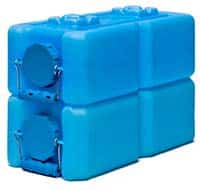
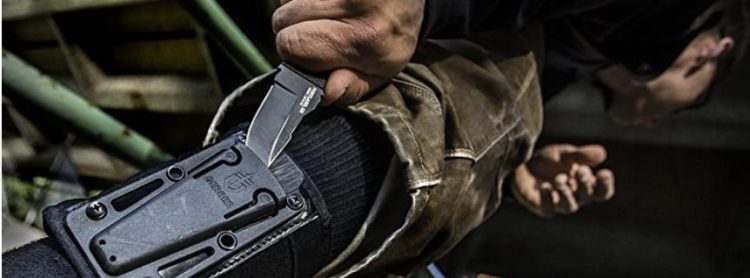
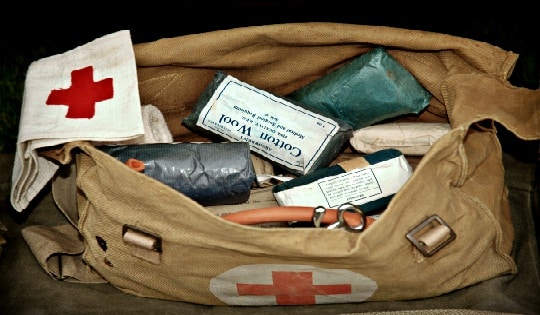
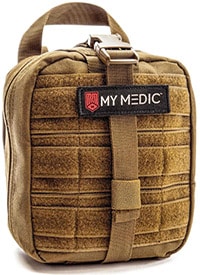
Survival Gear is the most unused product until a natural disaster happens, then it’s the most desired products, but usually too late to help those that really need the help.

We sell around the World, and pride ourselves on offering a level of customer service that we would want to see ourselves if we were shopping online.
Our product ranges change regularly, so we hope that you come back to our sites to see some of the fantastic offers that we regularly have.

Get In Touch

Non Electric Heaters: How To Keep Warm During A Power Outage

Old Man Heating His HandsToday we’re giving you a comprehensive guide on the best indoor heaters that don’t require electricity.

OR how to keep you and your family warm when there’s a major power outage.

Because having an emergency heat is key to living a resilient life.

Every responsible adult should have a plan B for heat without electricity. It can save you and your family’s life in a worst-case scenario.

There are many different options for using a heater without electricity. And we are going to cover ALL your options. Prices range from cheap to expensive – from “just warm enough to survive” to “hot enough to thrive.”

Ok, before diving into all the different non-electric heater options, you first must understand how the body generates and loses heat…

Frost Bite Hiker 1

How The Body Generates/Loses Heat

Have you ever experienced a power outage in the middle of winter? It’s no summer picnic, that’s for sure. You start losing copious amounts of body heat fast through:

  • Radiation – The body naturally radiates thermal heat. And this electromagnetic radiation moves from hot to cold out of your body.
  • Respiration – The air inside your body is warm, and as you exhale, it’s lost.
  • Evaporation – As we sweat, our body’s heat is vaporized.
  • Conduction – Conduction is the heat transfer from direct contact with another object. The transfer will continue until there the two temperatures are in balance.
  • Convection – As air or water moves across our bodies, it draws warm air away, and cooler air replaces it.

Note: If your clothes are wet, the heat loss goes up exponentially. So avoid being wet, in a cold-weather emergency, which includes profuse sweating.

Ok, now that you know how your body loses heat, let’s get into the first tasks in an emergency. Reducing heat loss due to unnecessary leakage.

Reducing Heat Loss

First things first, when in a power outage, reducing heat loss is as important as gaining heat. You can’t allow heat to escape from your home and certainly not from your body.

Cracks and holes in your house are where heat escapes. And an open window is like shoveling hot coals into the snow. It’s wasted energy when you don’t have any to spare.

Go around and make your home airtight. Use towels along the bottom of doors if you have to. You must preserve any heat that you do have.

Indoor Heater That Doesn't Require Electricity

The Ultimate List Of Indoor Heaters That Don’t Require Electricity

Your Own Body

Let’s start with your meat suit.

Your body is a fantastic machine that generates heat as it operates. You need to preserve it at all costs. You also need to generate more heat.

Preserving

Before thinking of generating, persevere what you make.

Bundle up with extra layers of clothing like sweatpants, socks, and sweaters. Hats and gloves are essential too. Have extra blankets on the bed and ones for the couch. Duvets keep the heat in.

Generating

Physical activities like working out or briskly walking around can generate heat. So can frontier lifestyle activities such as chopping firewood or hauling water.

Heck, wrestling with the kids or intimacy with a partner will generate copious amounts of heat as well. Combined body heat is an effective way to share yourself by cozying up in a sleeping bag.

This works with ANYONE. But it is much less awkward with those you love (like your kids, spouse, or pet).

Just remember: Avoid working out so hard that you end up drenched in sweat. The wet body and damp clothes can quickly become counterproductive in the frigid cold.

Eating

Who’d have thought filling your face could keep you warm?

Digesting food raises your body temperature through thermogenesis. So eat foods high in carbs, protein, and healthy fats. Add some extra spice to sweat from the inside.

Hot drinks help too but need an external source of heat to make.

Sun Radiation

The sun is your friend and is among the integral alternative heat sources for power outages.

While the sun is out, take advantage of its thermal power during the day. How? By opening up curtains and blinds, so it radiates inside the home.

This is when you should charge solar-powered devices—equipment like:

While the sun is shining, open your curtains and let the sun’s rays come through your windows. It’s one FREE way to heat a room without electricity.

Another “trick’ is to fill up all your plastic water bottles and leave them in the direct light. Then bring them inside after the sun fades so they can release that heat slowly over time.

This “trick” is even more effective for larger vessels like barrels. Heck, you could even invest in a water wall that passively absorbs the heat during the day and releases it at night.

Stones can also retain the heat from the sun if they are adequately insulated. Wrap hot rocks in a towel and put them at the end of your bed to keep you warm while sleeping.

The sun is free so take full advantage of it.

Electric Lighter Used To Lite Candle Wick

Candles

Candles are natural nonelectric heaters that you can buy in bulk or make your own from your beehives. They give you two essential sources for survival; heat and light.

A candle is an essential prepper item you should add to your emergency stockpile. As well as stored in abundance at your home, bug out location, and DIY bunker.

Know this… A candle isn’t going to heat your entire house or cook a steak.

Having said that, any emergency heating is going to help. And you can light up a bunch of candles to contribute to the solution. Just be safe when using candles as they are an open flame.

Beeswax candles give off a pleasant scent and release negative ions in the room to clear the air. Lovely smells can become more important the longer you hunker down inside.

Coconut wax is a great option. It’s a highly renewable, non-toxic wax and burns cleaner and longer than other wax candles.

Tea candles are handy to stack together to form a more concentrated heat zone. And can be safely used with various holders.

clay pot candle heater

You can also build your own candle heater with tea candles and a couple of clay pots.

Check out our article on How To Build A Clay Pot Candle Heater and Do They Really Work? for more info.

TACT Bivvy Main Image

Blankets

Blankets are a bit of a no-brainer, but most people only have one blanket per bed in their homes. This strategy is a mistake because when the power grids are down, you need extra blankets for beds, couches and to keep pets warm.

But the truth about blankets is that they don’t produce any heat by themselves. That’s your body’s job.

Instead, a good blanket will trap the heat. There are different materials used in making blankets, and the best for keeping warm are:

  • Down Filled – Mature birds have the warmest fill.
  • 100% Wool – This comes from sheep, and it’s evolved to keep them warm.
  • Fleece- Made of synthetic material to mimic wool.
  • Mylar – This is space-age aluminum and acts as a reflector for body heat.

TACT Bivvy In HandMy favorite option is the Mylar Blankets (like the Tact Bivvy).

Why? Because they are lightweight and trap nearly all the heat your body can generate. Making them more efficient than even the best fabric blanket money can buy.

I tested a TACT Bivvy Mylar blanket in frigid temps in my backyard and after only a few minutes, I was toasty warm inside.

Outside Temp / Inside Blanket

Honestly, I think EVERYONE should put a TACT Bivvy in their glove boxes for winter car emergencies.

AND they’re also a very cheap way to stay warm during a winter power outage as well!

Check out our article on 9 Best Mylar Space Blankets On The Market Today for more info.

Frozen Fingers On Cold Hands

Warmer Packs / Hand Warmers

Several manufacturers make portable body warmer packs, including:

They are great for giving you fast, long-lasting warmth.

And these devices can slip inside your gloves, in your pockets, and shoes. Or with some, you can even have adhesive to stick to your back, shoulders, or anywhere else you need them.

Different chemicals inside them react when shaken or exposed to air to produce heat. Some have iron powder or sodium acetate to make a thermal reaction. But they all are safe to use for all members of the family.

You should always have these emergency heater packs on hand. They’re crucial for outdoor winter activities and emergencies. And they’re an excellent backup if the electricity stops working in your home.

There are also portable hand warmers like the:

They can be charged and ready for use when needed.

Check out our article on 9 Best Hand Warmers For Cold Weather Emergencies for more info.

Soap Stone

Soapstone is a natural type of metamorphic rock made primarily of talc. And people have been using it for carving material for thousands of years. Why? Because it’s relatively soft. Some grades feel like soap, and that’s how it got its name.

Besides its carving ability, soapstone is a fantastic heat retainer. It quickly absorbs heat and will radiate it back out slowly for several hours. Basalt also works similarly.

Make your own soapstone bed warmer. First, drill two holes in the top and bend some sturdy wire to make a pail-type handle.

Then you can hang it near the fire or even in a window to absorb heat during the day. At night, drag it up and down your bed and wrap it in a towel to stay at the bottom, underneath the blankets.

This setup will keep you toasty all night.

Non-electric Heater Options

If you want to heat an entire room without electricity, you’ll need something a little bigger. Several fuel-based heaters do everything from cooking to heating.

They use radiant heat or convection heat and use these different fuels:

kerosene tank

Kerosene

These heaters use kerosene liquid to heat quickly. And can provide either radiant or convection heat.

The convection type carries fuel at the base with a combustible chamber. This chamber ignites and heats in all directions through a circular design.

Radiant heaters send their heat straight out using a reflector or blower.

You can find kerosene at most home improvement stores. And they use a soaked wick with an ignition starter or a burn chamber where you use a match to light the wick.

propane tank

Propane

Propane heaters come in various sizes and use refillable tanks. They come in canister sizes ranging from16 ounces to 20-pound tanks in size.

Smaller units are better indoors and work well moving from room to room. Bigger units usually are left stationary for safety with the tank left outside.

The BLUU propane heater for outdoor and indoor use is perfect for your emergency heat.

Or this simple heater mounts to the top of a propane tank.

Check out our article Kerosene vs Propane Heaters – The Best Solution For Survival for more information.

Natural Gas

Natural gas heaters work like propane heaters. But instead of a refillable tank, you can attach the natural gas line from your home.

That is IF it’s still available in your home after a power outage.

You have to attach it to a fixed gas connection on your home. So it isn’t portable like the propane or kerosene tanks, but you do have a steady supply of fuel.

Biofuel Heaters

Biofuel is any fuel that comes from living matter. It includes wood, ethanol, methanol, biogas, and biodiesel.

They even have tabletop biogas fireplace heaters that look great and heat your space. They require you to fill up the fuel tank, and it burns for a long time without any fuss.

You can also get biofuel reusable fuel cans for portable heating on the go or in an emergency. They can heat food and provide some warmth, and they are very affordable and portable.

You can even refill them.

Every prepper should have these by the stack and in storage for an emergency.

Butane Heaters

Small portable butane heaters can get you through an emergency power grid interruption. They provide some warmth and the ability to do some rudimentary cooking.

Units like this duel butane and propane heater can provide sustainable heat indoors.

Always make sure to have a well-ventilated area when using this type of fuel.

Solar Heaters

These heaters don’t use combustible fluids. Instead, they get thermal energy from the sun. This device collects energy throughout the day and stores it until needed.

Cold air travels down into the unit and picks up the thermal heat to blow it into your room. They are expensive, but your heat is free once set up.

stack of firewood

Fireplace and Wood Stove

Wood stoves are the perfect solution to indoor heaters that don’t require electricity. You’re in business as long as you keep your supply of dried and split wood at the ready.

A standard fireplace is best when designed into a house’s structure. And they usually require the professional skills of a bricklayer.

Proper venting, hearth, and mantel are essential components. But your fireplace will mostly radiate heat in the main room. This design is just OK tho because much air will escape out of the house and up through the chimney.

A wood stove is much better for heating!

And you can also install them during a build, but it is doable to add at a later date vs. a fireplace. It just takes a protective floor and wall solution and cutting a hole in the wall or roof to bring the stack outside.

An insulated chimney pipe passes through the framing components of a home—that way; there’s no heat touching flammable material.

A properly maintained wood burner set up can burn all night. Thus, providing all the emergency heating you need to survive without electricity.

Note: A wood stove is “THE solution” I choose for my family as a backup non electric heater!

Small Generator For Camping

Backup Generators

Emergency home heating sometimes needs a powerful generator. A large generator turns fuel and combustion into electrical current to tie into your home.

You can install large units on a concrete pad beside your home. These are ready to provide full power to run everything with the flip of a switch.

A standard “camping” gas generator can be stored until needed for smaller emergency heating. It’s easy to run a few power cords to get vital electric appliances and lights on.

You’ll need to refill with diesel, gas, natural gas, or use a solar unit.

A large solar generator is called a power station and you’ll need to pair this unit with solar panels.

Heck, you could even invest in hand crank or pedal crank generators to power a few personal items during a blackout. Plus, by cranking or pedaling, you’ll generate some of your own heat…

Check out the following articles for more information:

Wind Power

You can similarly harness the power of the wind to solar. Your wind turbine unit can store battery power and then runs some or all of your electrical needs.

If you want to use it to store power for heat, pair it with an electric heater that can plug into the battery system.

Final Thoughts

Disruption to the power grid requires planning, supplies, and equipment.

The best options include indoor heaters that don’t require electricity. Invest in these various nonelectric heater options, so you’re never left out in the cold.

Prepare, Adapt, & Overcome,

“Just In Case” Jack

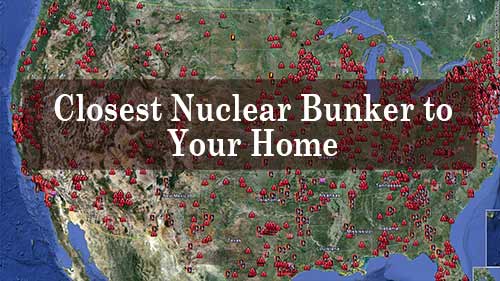
P.s. Do you know where the closest nuclear bunker is from your home?

There are a lot of natural nuclear shelters in the US that are absolutely free. And one of them is near your home.

Click on the image above to find out where you need to take shelter.

The post Non Electric Heaters: How To Keep Warm During A Power Outage appeared first on Skilled Survival.

ESCALATION: NATO Starts Military Drills Near Russian Boarder

More escalation has begun as NATO starts military drills near the Russian border. The large-scale NATO (North Atlantic Treaty Organization) military drills started in Estonia on Monday.

This is going to be seen as an escalation, if not provocation, by the Russian ruling class. The exercise, dubbed “Hedgehog 2022”, is one of the largest in the Baltic nation’s history, according to the military bloc. The drills will involve some 15,000 troops from 14 nations, including both military bloc members and their partners.

According to a report by RT, soldiers from Finland, Sweden, Georgia, and Ukraine are among those that will take part in the exercise, Finnish public broadcaster Yle reported. The drills will include all branches of the armed forces and will involve air, sea, and land exercises, as well as cyber warfare training, according to the broadcaster.

According to a NATO statement, the drills will also see the US Navy Wasp-class landing ship ‘Kearsarge’ take part in the exercises. Both the military bloc and Estonian Defense Forces deputy commander, Major General Veiko-Vello Palm, have denied that the drills just over 60km from the Russian border have anything to do with Moscow’s ongoing military action in Ukraine. –RT

These drills are taking place as both Sweden and Finland have made their determination to join NATO clear. Russia has already vowed to “respond” to the expansion of NATO.

Russia Vows To Respond To NATO Expansion in Finland and Sweden

This is certainly going to escalate tensions in the region.

The exercises in Estonia are, however, just one part of NATO’s large-scale military activities near the Russian border. Another Baltic state, Lithuania, is hosting the ‘Iron Wolf’ exercise, which involves 3,000 NATO troops and 1,000 pieces of military equipment, including Germany’s Leopard 2 tanks.

Two of NATO’s biggest exercises – ‘Defender Europe’ and ‘Swift Response’ – are taking place in Poland and eight other countries, involving 18,000 troops from 20 nations, according to NATO’s statement on Friday.-RT

“Exercises like these show that NATO stands strong and ready to protect our nations and defend against any threat,” the military bloc’s spokesperson, Oana Lungescu, said, adding that the drills “help to remove any room for miscalculation or misunderstanding about our resolve to protect and defend every inch of allied territory.”

Russia continues to assert that NATO’s expansion is a direct threat to their security. A response is likely, and we will monitor this closely as tensions continue to rise.

The post ESCALATION: NATO Starts Military Drills Near Russian Boarder first appeared on SHTF Plan – When It Hits The Fan, Don’t Say We Didn’t Warn You.

Now We Are Being Told To Expect Food And Diesel Shortages For The Foreseeable Future

If you think that the food and diesel shortages are bad now, then you will be absolutely horrified by what the globe is experiencing by the end of the year.  All over the planet, food production is being crippled by an unprecedented confluence of factors.  The war in Ukraine, extremely bizarre weather patterns, nightmarish plagues and a historic fertilizer crisis have combined to create a “perfect storm” that isn’t going away any time soon.  As a result, the food that won’t be grown in 2022 will become an extremely severe global problem by the end of this calendar year.  Global wheat prices have already risen by more than 40 percent since the start of 2022, but this is just the beginning.  Meanwhile, we are facing unthinkable diesel fuel shortages in the United States this summer, and as you will see below there are “no plans” to increase refining capacity in this country for the foreseeable future.

If you had told me six months ago that we would be dealing with the worst baby formula shortage in U.S. history in the middle of 2022, I am not sure that I would have believed you.

But that is precisely what we are now facing.  One young couple in Florida searched stores in their area for four hours and couldn’t find anything

When Erik and Kelly Schmidt, both 35, went into a Central Florida Target store this week to buy their usual baby formula, Up & Up Gentle, for their five-month-old twins, they found an empty shelf.

The pair then embarked on a half-day journey in search of formula, any formula, and their quest didn’t end there. “We spent over four hours going to every Target, different Walmarts, different grocery stores, just finding absolutely nothing,” Erik Schmidt said.

Of course the Biden administration has made sure that there is enough baby formula for migrants that are illegally crossing the border, but for millions of ordinary American families this crisis has become a complete and utter nightmare.

One father actually broke down in tears right in the middle of the baby formula aisle in Walmart because things have become so desperate for his family…

Sara Owens, of Florence County, said she was hunting for baby formula for his six-month-old daughter, Namoi, amid a nationwide shortage when she encountered a dad break into tears after driving from store to store looking for his daughter’s brand of formula.

‘As tears continued to stream down his face he said ‘I never thought I would be crying because I can’t find what my child has to have,” Owens wote in the Facebook post that’s been shared more than 180,000 times. ‘My heart broke to 100 pieces on the formula aisle in Walmart.’

Sadly, we shouldn’t expect any improvement any time soon.

As I discussed last week, the Biden administration shut down one of the most important baby formula manufacturing facilities in this country a while ago, and the CEO of Abbott Nutrition says that it will take a few months to get products back on the shelves once the FDA finally allows them to reopen the plant…

Meanwhile, the plant remains closed as the company works to make upgrades to the facility to meet the FDA’s recommendations. Abbott says it can have products from the facility back on store shelves after a few months once the FDA signs off on them doing so.

Needless to say, baby formula is not the only thing in short supply right now.  As shortages grow and prices spiral out of control, grocery stores are increasingly becoming prime targets for thieves.

In fact, things have already gotten so bad in the Midwest that one major supermarket chain has decided to post armed guards in their stores

The shoulder patches say, “A Helpful Smile in Every Aisle,” but the police-style uniforms, complete with belts with holstered taser and possibly handguns, may send a very different message as Hy-Vee deploys a new retail security team in its stores.

The West Des Moines-based supermarket chain will begin introducing its own security force “as part of its ongoing efforts to ensure the health and safety of both its customers and employees,” the company announced in a news release on Dec. 29. The program will roll out throughout 2022, but security teams are already present in some stores.

As I have warned for many years, eventually we will see armed guards in supermarkets and on food delivery trucks all over the nation.

In the months ahead, food production is going to be way below expectations all over the globe.  The following summary of what farmers are currently facing comes from Zero Hedge

Across the world, top wheat-producing regions are experiencing adverse weather conditions that could threaten production. In places like Ukraine, a military invasion by Russia has slashed production significantly. All of this suggests the world is on the cusp of a food crisis.

Droughts, floods, and heatwaves have plagued farmland in the U.S., Europe, India, and China. As for Ukraine, the world’s largest wheat producer, the war could slash production by upwards of a third.

As I have previously detailed, some countries have already decided to ban certain types of agricultural exports as they brace for the coming global food crisis.

And we just learned that India has now decided to ban the export of all wheat

India, the second-largest producer of wheat, has banned exports of the commodity, due to a risk to its food security.

A Friday notice in the government gazette signed by Santosh Kumar Sarangi, the Director General of Foreign Trade, said that a “sudden spike” in the global prices of wheat was putting India, neighboring and other vulnerable countries at risk.

This is huge.

Supplies of food are getting tighter with each passing week, and this is already starting to spark food riots all over the world.

For example, we witnessed some very emotional protests in Iran last week

Protests broke out in Iran Thursday after the government cut subsidies for food, sending prices through the roof as authorities brace for more unrest in the following weeks.

In videos shared on social media, protesters can be seen marching through Dezful and Mahshahr in the southwestern province of Khezestan, chanting “Death to Khamenei! Death to Raisi!” referring to Iranian President Ebrahim Raisi has promised to create jobs, lift sanctions, and rescue the economy.

And in Sri Lanka the citizens are so angry that they are actually burning down the homes of politicians

Protesters in Sri Lanka have burned down homes belonging to 38 politicians as the crisis-hit country plunged further into chaos, with the government ordering troops to “shoot on sight.”

Police in the island nation said Tuesday that in addition to the destroyed homes, 75 others have been damaged as angry Sri Lankans continue to defy a nationwide curfew to protest against what they say is the government’s mishandling of the country’s worst economic crisis since 1948.

This is just the tip of the iceberg.

Things will get really crazy in the months ahead as global food supples get a whole lot tighter.

Meanwhile, we are being warned that there is likely to be a “diesel fuel shortage on the East Coast” during the months ahead…

The possibility of a diesel fuel shortage is being monitored as diesel fuel prices across the country and in Maryland continue to surpass all-time highs.

According to fuel industry experts, all signs are pointing to a potential diesel fuel shortage on the East Coast that could cripple an already fragile supply chain.

Last week, the price of diesel fuel in the U.S. rose to an all-time record high of $5.62 a gallon, and it is only going to go higher.

The biggest reason why we are facing such a supply crunch right now is because there are “simply too few refineries turning oil into usable fuels”

From record gasoline prices to higher airfares to fears of diesel rationing ahead, America’s runaway energy market is disquieting both US travelers and the wider economy. But the chief driver isn’t high crude prices or even the rebound in demand: It’s simply too few refineries turning oil into usable fuels.

Surely more refineries are being built to meet the growing demand, right?

Wrong.

Mountains of regulations that have been instituted by our politicians make it extremely difficult to build and operate a new refinery in this country.

As a result, we are being told that “the supply squeeze is only going to get worse” for the foreseeable future…

More than 1 million barrels a day of the country’s oil refining capacity — or about 5% overall — has shut since the beginning of the pandemic. Elsewhere in the world, capacity has shrunk by 2.13 million additional barrels a day, energy consultancy Turner, Mason & Co. estimates. And with no plans to bring new US plants online, even though refiners are reaping record profits, the supply squeeze is only going to get worse.

To a very large degree, we have done this to ourselves.

And as I keep telling my readers, decades of very foolish decisions are starting to catch up with us in a major way.

Our trucks and our trains run on diesel, and so a shortage of diesel will only make our ongoing supply chain crisis even worse.

This nightmare never seems to end, and there will be plenty of pain in the months ahead.

***It is finally here! Michael’s new book entitled “7 Year Apocalypse” is now available in paperback and for the Kindle on Amazon.***

About the Author: My name is Michael and my brand new book entitled “7 Year Apocalypse” is now available on Amazon.com.  In addition to my new book I have written five other books that are available on Amazon.com including  “Lost Prophecies Of The Future Of America”“The Beginning Of The End”“Get Prepared Now”, and “Living A Life That Really Matters”. (#CommissionsEarned)  When you purchase any of these books you help to support the work that I am doing, and one way that you can really help is by sending digital copies as gifts through Amazon to family and friends.  Time is short, and I need help getting these warnings into the hands of as many people as possible.  I have published thousands of articles on The Economic Collapse BlogEnd Of The American Dream and The Most Important News, and the articles that I publish on those sites are republished on dozens of other prominent websites all over the globe.  I always freely and happily allow others to republish my articles on their own websites, but I also ask that they include this “About the Author” section with each article.  The material contained in this article is for general information purposes only, and readers should consult licensed professionals before making any legal, business, financial or health decisions.  I encourage you to follow me on social media on Facebook and Twitter, and any way that you can share these articles with others is a great help.  These are such troubled times, and people need hope.  John 3:16 tells us about the hope that God has given us through Jesus Christ: “For God so loved the world, that he gave his only begotten Son, that whosoever believeth in him should not perish, but have everlasting life.”  If you have not already done so, I strongly urge you to ask Jesus to be your Lord and Savior today.

The post Now We Are Being Told To Expect Food And Diesel Shortages For The Foreseeable Future appeared first on The Economic Collapse.

The Difference Between Rim Fire vs Center Fire Ammunition – And Which is Better

Two terms get used frequently among shooters: rimfire and centerfire. Rimfire and centerfire ammunition are the two flavors of cartridges with which we work on a daily basis. Most shooters never give the terms a second thought until someone asks them to describe the difference between rimfire ammunition and centerfire ammunition. Rimfire ammunition has the…

The post The Difference Between Rim Fire vs Center Fire Ammunition – And Which is Better appeared first on Survival Cache.

Never Underestimate The Power Of The Federal Government To Mess Things Up


Just when you think that it can’t get any worse, the clown show in Washington somehow finds a way to make it happen.  Our politicians like to tell everyone else in the world how they should be running things, but meanwhile the Biden administration is putting on a display of incompetence that is absolutely breathtaking.  Biden administration officials keep pivoting from one crisis to another, but they can’t seem to solve any of them.  This week, their focus is on the epic baby formula shortages that have erupted all over America.  In 25 different states, out of stock levels have now risen to at least 40 percent.

In my entire lifetime, I have never seen anything quite like this.

But there is one group that apparently has more than enough baby formula right now.

According to Congresswoman Kat Cammack, the Biden administration has been sending huge pallets of baby formula to the southern border

According to videos posted by a Florida lawmaker, the Biden administration has been shipping “pallets” of baby formula to migrant holding facilities.

“They are sending pallets, pallets of baby formula to the border,” said Republican Rep. Kat Cammack in one of two online postings yesterday. “Meanwhile, in our own district at home, we cannot find baby formula,” she added, holding a photo of empty shelves where the formula would be.

From the photos provided to her by a border agent, it appears that illegal immigrants crossing into the United States will have plenty of baby formula for the foreseeable future.

Meanwhile, young mothers all over the country are having an exceedingly difficult time finding any right now.

This isn’t right.

Cammack says that if she was a young mother it would make her “blood boil” to see these pictures…

Cammack was not critical of migrants receiving the formula but said the administration should put American parents first.

“I don’t know about you, but if I am a mother, anywhere anytime in America, and I go to my local Walmart or Target or Publix or Safeway or Kroger or wherever it may be that you shop and you are seeing their shelves and you are seeing signs that you are not able to get baby formula. And then you see the American government sending by the pallet thousands and thousands of containers of baby formula to the border, that would make my blood boil,” she said.

Of course we never would have been in this situation in the first place if the feds had not kept one of the most important baby formula factories in the entire country shut down for months on end.

Now they are telling us that it may reopen “in as little as two weeks”, but it could take a couple of months after that before products get back on store shelves once again…

The owner of a key baby formula manufacturing plant said Wednesday it is looking to restart its plant in as little as two weeks — but said it would take between six to eight weeks to get formula products back on store shelves once production gets going again.

The shutdown of the facility, owned by Abbott Laboratories and located in Sturgis, Michigan, has prompted a severe shortage of infant formulas including Similac, Alimentum and EleCare. The plant was shut down in February pending a federal investigation into the deaths of two infants and reports of illnesses among other children who consumed certain baby formula products. The plant remains closed.

And after a very careful investigation, it turns out that this particular facility was not even linked to the infant illnesses that prompted the closure in the first place.

So if you are a young mother that can’t find any formula for your baby right now, you should thank the federal government for your troubles.

Meanwhile, the Biden administration is also dealing with an unprecedented energy crisis.

On Tuesday, the average price of a gallon of gas in the U.S. hit a record high of $4.37.

And then on Wednesday it reached another brand new record high of $4.40.

But things are much worse for those that drive diesel vehicles.

In fact, one expert is projecting that the price of diesel could hit 10 dollars a gallon “by the end of the summer”

Leading energy economist Phil Verleger worries that the tight supply could send the average US price of diesel to $10 a gallon by the end of the summer, up from its current record average price of $5.56, according to AAA. Diesel prices that high could put the brakes on the US economy, he said.

“Until the invasion of Ukraine, we’ve never seen anything like this,” Verleger said. “The market is totally distorted. And we’re likely to see much slower economic activity as a result.”

Of course absurdly high prices aren’t the only problem.

As inventories continue to plummet, many are anticipating widespread diesel shortages in the coming weeks.  In an article that he just posted, Mike Adams is calling this “Dieselgeddon”…

In what we are now calling Dieselgeddon, the supply of diesel fuel in the United States is plunging. By the end of May or early June — unless something changes dramatically — diesel fuel will go into extreme scarcity and have to be rationed across America.

Others are sounding the alarming as well.

In fact, industry insider John Catsimatidis actually expects that diesel will be “rationed on the East Coast this summer”

“I wouldn’t be surprised to see diesel being rationed on the East Coast this summer,” said Catsimatidis during a phone interview, the outlet reported. “Right now inventories are low and we may see a shortage in coming months.”

National inventory levels are reportedly at a 17-year low after President Joe Biden’s ban on Russian oil imports in March. Fuel stockpiles on the East Coast, however, have reached their lowest in 32 years, according to the outlet.

Did you ever imagine that we would be facing such a crisis in the middle of 2022?

I didn’t either.

But here we are.

And even though we are now facing the worst energy crisis in U.S. history, the Biden administration has just decided to cancel “a massive oil and gas lease sale”

The Biden administration canceled one of the most high-profile oil and gas lease sales pending before the Department of the Interior Wednesday, as Americans face record-high prices at the pump, according to AAA.

The DOI halted the potential to drill for oil in over 1 million acres in Alaska’s Cook Inlet, along with two lease sales in the Gulf of Mexico. The move comes as Biden has taken a few actions to combat high gas prices, despite his administration’s generally hostile approach to the oil industry.

Why would Biden do such a thing?

Is he insane?

Of course Biden is not exactly mentally there these days, and so a lot of these decisions are likely being made by Biden’s minions.

One should never underestimate the power of the federal government to mess things up, and that is especially true when Democrats are running things.

Our country is literally falling apart all around us, and the people at the top are completely and utterly clueless.

***It is finally here! Michael’s new book entitled “7 Year Apocalypse” is now available in paperback and for the Kindle on Amazon.***

About the Author: My name is Michael and my brand new book entitled “7 Year Apocalypse” is now available on Amazon.com.  In addition to my new book I have written five other books that are available on Amazon.com including  “Lost Prophecies Of The Future Of America”“The Beginning Of The End”“Get Prepared Now”, and “Living A Life That Really Matters”. (#CommissionsEarned)  When you purchase any of these books you help to support the work that I am doing, and one way that you can really help is by sending digital copies as gifts through Amazon to family and friends.  Time is short, and I need help getting these warnings into the hands of as many people as possible.  I have published thousands of articles on The Economic Collapse BlogEnd Of The American Dream and The Most Important News, and the articles that I publish on those sites are republished on dozens of other prominent websites all over the globe.  I always freely and happily allow others to republish my articles on their own websites, but I also ask that they include this “About the Author” section with each article.  The material contained in this article is for general information purposes only, and readers should consult licensed professionals before making any legal, business, financial or health decisions.  I encourage you to follow me on social media on Facebook and Twitter, and any way that you can share these articles with others is a great help.  These are such troubled times, and people need hope.  John 3:16 tells us about the hope that God has given us through Jesus Christ: “For God so loved the world, that he gave his only begotten Son, that whosoever believeth in him should not perish, but have everlasting life.”  If you have not already done so, I strongly urge you to ask Jesus to be your Lord and Savior today.

The post Never Underestimate The Power Of The Federal Government To Mess Things Up appeared first on End Of The American Dream.

7 Best Gas Cans For Storage, Everyday Use, And Prepping Disasters

Best Gas CanGas Cans are the best way to safely and reliably store some extra fuel for transportation.

For example, in a mass evacuation, you want to be able to drive your way to safety, the future the better.

And you can’t rely on gas stations to be in operation. And even if they are, they will run out FAST.

Sure, you may have some fuel in your vehicle for local driving. But if you need to head to your bug-out location or off-grid DIY bunker the ability to carry extra gas is vital.

Oh, and gas cans are also great for shorter-term emergencies such as supplying your backup fuel-based generators. Or everyday needs such as keeping your lawnmower topped off.

That’s why today we’re going to look at:

**Note: If you want to see our favorite Gas Cans, feel free to SKIP AHEAD HERE.

GAS… that combustible elixir that powers so many things. But with that power comes some risk. I mean you can’t just go to the gas station and get a bucket full. You need a sealed container engineered to carry fuel, and that’s the mighty Gas Can.

Click Here Now To Get 2 FREE Clickable Checklists! (Prepper & Bug Out Checklists)

Sneak Peek Of The Prepper’s Checklist Below…


These 2 Clickable Checklists Will Help Get You Prepared FAST!

Reasons Why You Should Invest In Quality Gas Cans

We could drive around with friends in a perfect world and never run out of gas. The world would be full of candy floss and beef jerky for all to enjoy, and nobody would ever die!

Sorry folks… this isn’t Barbie’s Dream House Adventures. Because in real life, catastrophes happen; just look at history for proof.

And one of the first things that are in short supply is fuel. Here are just a few scenarios where you need extra fuel:

OK, so you need to have available gas on hand. Why invest in a quality gas can?

Durability

Sure, you could put gas in milk jugs, but you’re basically building a crude DIY bomb.

You must have a container designed for fuel made of a durable material like hard plastic or metal. This keeps the gas safe inside and protects it from accidental ignition.

Stability

Besides the material used, the gas can must be able to stay upright during storage and transport.

We’ve all seen different liquid containers tip over every time you bump it or turn a corner in your vehicle.

Quality gas cans should have a strong base and won’t easily overturn.

They are also boxy, so you can stack them side-by-side to stabilize the fuel load without any open gaps.

No Spills

This is very important. A quality gas can should make a tight seal, no matter how many times you open and close it.

You can’t have gas leaking in your vehicle or all over your clothes while refueling machinery.

It must be able to keep the flammable liquid inside, even if it gets knocked over.

As A Way To Introduce You To Skilled Survival, We’re Giving Away Our #78 Item Complete Prepper Checklist. Click Here To Get Your FREE Copy Of It.

Types Of Gas Cans (Pros & Cons Of Each)

While you could call anything you put fuel in a “gas can,” the official designated gas can has two different types. These include:

Type 1 Gas Cans

This fuel can type has only a single opening for filling and dispensing the fuel. And includes a funnel to accurately pour the gas out. This type is best used for receiving tanks with larger openings.

Pros

  • More economical

Cons

  • More prone to spilling because of the funnel

Type 2 Gas Cans

Type 2 has, you guessed it, two openings.

One is for filling, and one is for pouring. The filling hole also serves as a vent, and this opening usually includes a spout.

Pros

  • They cost more than type 1

Cons

  • Has a spout that securely attaches
  • They are easier to pour

Jerry Cans

In the 1930’s Germany invented the Jerry Can. A jerry can is a container that can carry large amounts of fuel on army vehicles.

They weren’t stackable but had 3 handles, so soldiers could carry two of them using just one hand.

The allied forces had their own design that was stackable with thinner metal. But they were leaky and needed a wrench to open and a funnel to pour.

Today’s gas cans come in different colors that designate the type of fuel stored inside. These are:

  • Red for gas
  • Yellow for diesel
  • Blue for kerosene
  • Green for oils

This color scheme is an excellent way to prevent accidental mix-ups of your fuels.

Pro Tip: Also, never use any gas can to store water. It will make the water unpotable and rust the inside of the container.

Gas cans are typically constructed out of either metal or plastic.

Metal Gas Can

Metal gas cans are great for the long-term storage of fuel. The gas can does have the potential to rust.

Also, if they are inside a building during a fire, they could explode. You should keep all fuel storage spaces well ventilated for safety.

Plastic Gas Cans

Hard plastic is a versatile material used for gas cans, and it can be puncture resistant.

When in a fire, they will melt, and plastic can expand and contract as the temperature changes. But if you are storing gas for several months, fuel can leach into the plastic.


Exclusive Bonus Content –
Skilled Survival’s 104 Item Bug Out Bag Checklist – the only bug out checklist worth using. Click Here To Get Your FREE Copy Of It.

Different Sizes Of Gas Cans

5 Gallon Gas Can - Jerry CanGas can sizes vary and depend on your immediate and long-term needs.

So, the BEST Gas Can for YOU depends on your equipment needs and lifestyle choices. And one of the first things you should get right is the appropriate size and number of containers.

There are many sizes of gas cans, but the standard sizes are 1g, 1.5g, 2.5g, 5g, and beyond.

A 5-gallon gas can is your primary size for a survivalist. Why? Because they’re easy to carry and have an adequate amount for an emergency.

Consider buying several 5-gal gas cans to fill ahead of time. And then haul them with you when bugging out or setting off to an undisclosed off-grid location.

A 10-gallon gas can is helpful for static storage and is perfect for prepping extra fuel. But it’s heavy to haul around by hand. So, 5 gallons is better unless you have a permanent mounting location on board.

If you have a chainsaw and are hiking into the bush to do some clearing, a 1-gallon gas can is ideal. These small gas cans are easy to carry in one hand while keeping your chainsaw in the other.

When storing fuel, make sure to have it safely stowed in well-ventilated storage shed. A shed far away from any potential ignition sources.

It’s always a good idea to have an extra gas can spout around, too, in case you lose one.

Pro Tip: 5 gallon gas cans are your ideal fuel storage size. You can easily fill and transport these up to your survival cabin. And fill up larger metal fuel storage tanks every time you go.

Make sure to use up gas within 3-6 months (a year max). Unless you regularly treat your gasoline with a stabilizer.

As A Way To Introduce You To Skilled Survival, We’re Giving Away Our Ultimate Survival Gear Checklist. Click Here To Get Your FREE Copy Of It.

Types Of Gas Can Nozzles (Pros & Cons Of Each)

When it comes to gas can nozzles, there are two basic types: flexible nozzles and rigid nozzles.

Flexible

This is the most common type and one you have probably used many times. It has a flexible shaft that allows for a variety of pouring positions.

And it can come in a wide or narrow nozzle to regulate the flow rate.

You are also able to reach pouring openings on your machinery better. Flexibility is determined by the density of the nozzle material and thickness.

Pros

  • These are the most common, so replacement is easy
  • Allows you to direct the flow in hard-to-reach openings
  • Some are telescopic

Cons

  • Is often under tension while pouring, and as you pull the nozzle out, it can flick gas around
  • They can crack because they are thin and always being bent and manipulated

Rigid

Rigid is the opposite in that it has a firm nozzle with no give.

The big plus is that you have a fast fuel flow as the polymer plastic can be more expansive.

The length of the shaft comes in different sizes. Some have a bend on them to allow a better angle without spillage.

Pros

  • Gives you a fast flow, so filling up happens quicker
  • No handling a flexible nozzle

Cons

  • More prone to spilling if you can’t get at the machine’s gas tank opening
  • Harder to get the nozzle in when lifting a heavy gas can

Some nozzles are interchangeable with a standard-sized, threaded hole. Use both and see what works best for your various uses.

As A Way To Introduce You To Skilled Survival, We’re Giving Away Our #78 Item Complete Prepper Checklist. Click Here To Get Your FREE Copy Of It.

Gas Can Safety Features

Fuel is a powerful substance that we need to have on hand as survivalists, so it is vital to use a good quality fuel can.

Here are key features to look for:

Pressure Relief

This is how you prevent a gas can from exploding. The container will vent automatically when the pressure increases to 3-5 pounds. And then will reseal itself.

Spring Loaded

Unsecured lids can easily spill from accidents like getting knocked over or sloshing. These self-closing lids make sure you are spill-free.

Flame Arrestor

Gas vapors are highly flammable and can ignite outside of the gas can. A flame arrestor screen prevents a fire from igniting the vapors within.

As A Way To Introduce You To Skilled Survival, We’re Giving Away Our Ultimate Survival Gear Checklist. Click Here To Get Your FREE Copy Of It.

Best Gas Cans For Everyday Use

When the world functions normally, you can get by with just a can or two.

Most folks own a standard 5-gallon gas. Once you fill up regularly when needed. And a smaller 1 or 2 gallon container fills the lawnmower or chain saw.

Here are a few top picks for these everyday gas cans:

1. GARAGE BOSS GB310

GARAGE BOSS GB310This is the Garage Boss GB310, and it is a great gas can for around the home.

They have made it easy for every family member to safely dispense gas with their press’ n pour system.

Pouring gas shouldn’t be hard, and spills are the worst.

With Garage Boss, you simply put the spout into your desired tank and press a button, and the fuel starts flowing.

Then watch the flow through the translucent spout and release the button when you are full. You can also unscrew the extension spout for a faster rate of flow.

It comes in 1 gallon, and 5 gallon gas cans to meet your primary fuel storage and transportation needs.

2. No Spill 1450 Poly Gas Can

No Spill 1450 Poly Gas CanThe No-Spill 1450 5-Gallon Poly Gas Can is another excellent buy for everyday use.

It is a wide, stable design to prevent tipping over and has an extra handle on the back for heavy lifting.

No-Spill prides itself on the fastest flow in the industry at 3 gallons a minute. So, your refueling happens quickly and painlessly.

The spout design features a handy push-button control with an auto flow stop. So, you can now say goodbye to smelly messes.

No Spill Gas Cans come in several sizes, including 1 1/4, 2 1/2, and a 5 gal gas can. They also have yellow and blue fuel cans for your diesel and kerosene.

3. SureCan 5 Gal Gas Can

SureCan 5 Gal Gas CanSurecan’s 5 Gallon Self Venting Gasoline Fuel Can Container is what you want for all your yard duties.

This innovative gas can removes all the bending, tipping, and holding of a heavy container as you pour.

It measures out at 13.1×10.24×15.61 gas can 5 gallon capacity, so you can power all your machines.

It also has a 180-degree flexible rotating nozzle. So pouring is made easy, and because it’s self-venting, you get a smooth fuel flow.

A thumb trigger puts you in total control of what you are dispensing, making spills a thing of the past.

Surecan even adds a child-proof cap with a tether, so you never misplace it. Well done, Surecan!

As A Way To Introduce You To Skilled Survival, We’re Giving Away Our #78 Item Complete Prepper Checklist. Click Here To Get Your FREE Copy Of It.

Best Gas Cans For Prepping & Storage

Now it’s time to check out your worst-case scenario gas cans.

These are hefty ones designed to give you the fuel resources required when TSHTF.

4. Scepter USA 6792 Duramax 14 Gallon Flo-N-Go Fuel Caddy

Scepter USA 6792 Duramax 14 Gallon Flo-N-Go Fuel CaddyFor your prepping, you need a bigger solution, don’t you? We have it here with Scepter.

Their 14 gallon portable gas container is built for mobility and large capacity.

It’s made from durable polyethylene and has built-in 6 inch wheels on the high-density structure. That means you are taking 14 gallons of gas with you on wheels!

When needed, there is no lifting and pouring. You just use the siphon hose pump system to refuel all your machinery and other gas cans.

The hand pump also eliminates spillage by stopping and restarting gas flow, and it has a fast 2 gallon flow rate.

5. ARCTICSCORPION Gas Can

ARCTICSCORPION Gas CanSometimes bugging out happens on your motorbike or ATV. In this case, you’ll want a portable fuel-carrying solution.

The ArticScorpion is that solution.

This 1.3 gallon gas can is ideal for emergency fuel-ups with your motorbike or quad. And it’s light enough to even take on your mountain bike.

It has an upgraded mounting system with a locking mechanism. And a key that allows you to easily install on any bracket of your off-road vehicle.

It’s made of high-density polyethylene plastic, so you know there is no chance of rust or UV issues to deal with.

The gas can has a thickened inner wall with a through-hole design. This makes it resistant to high pressure and high falls.

It also auto vents, so there is no dangerous buildup of vapors, making it explosion-proof.

This is a low-capacity fuel can but essential for its intended use and design.


6. Justrite 5 Gallon AccuFlow Galvanized Steel Type II

Justrite 5 Gallon AccuFlow Galvanized Steel Type IIJustrite is a company founded in 1906 and is a leader in safety equipment manufacturing.

Among their line of items is the Accuflow 5 gallon gas can.

It is a type 2 steel container with an easy-to-use squeeze trigger for pouring gas in a controlled fashion.

There’s a 9″ flexible stainless-steel hose for targeted pouring. And the steel container has a powdered paint finish to stand up to heavy use.

The sizes include 1, 2, 2.5, and 5 gallon gas cans with all the fuel colors for gas, diesel, kerosene, and oil.

7. Wavian 3009 5.3 Gallon 20 Liter Authentic CARB Jerry Can

Wavian 3009 5.3 Gallon 20 Liter Authentic CARB Jerry CanFinally, here’s a gas can many folks deem as the ultimate option for a bug-out vehicle.

The Wavian 3009 5.3 gallon Jerry Can is made out of 0.9-millimeter cold-rolled steel. This provides ultra durability for the long term.

It has a unique, extra-wide channel breather for a smooth pouring spout.

This metal gas can is lined with a petrol, water, and alcohol coating to prevent rusting.

And its locking security pin won’t allow for accidental leaks or spills during transport.

It’s one of the best prepper gas cans on the market today.

Final Thoughts

That is today’s upgraded knowledge on the survivalist’s best gas can. Before you buy, remember…you often get what you pay for…

Prepare, Adapt & Overcome,

“Just In Case” Jack

P.s. Do you know where the closest nuclear bunker is from your home?

There are a lot of natural nuclear shelters in the US that are absolutely free. And one of them is near your home.

Click on the image above to find out where you need to take shelter.

The post 7 Best Gas Cans For Storage, Everyday Use, And Prepping Disasters appeared first on Skilled Survival.

How the “Ministry of Truth” Can Censor You Without (Technically) Censoring You​​​​​

This article was originally published by Matt Hampton at The Foundation for Economic Education. 

When centralized authorities are responsible for sorting truth from lies, it creates a situation prone to abuse.

The Department of Homeland Security’s creation of a Disinformation Governance Board last week has a lot of people drawing comparisons to George Orwell’s Nineteen Eighty-Four.

On CNN, Dana Bash pressed DHS Secretary Alejandro Mayorkas to address concerns that the board will restrict freedom of speech. Mayorkas said that the board will not monitor Americans.

The board does not have any operational authority or capability. What it will do is gather together best practices in addressing the threat of disinformation from foreign state adversaries, from the cartels, and disseminate those best practices to the operators that have been executing in addressing this threat for years.

If anyone can translate that from bureaucrat-speak to explain what specifically DHS does to “[address] the threat of disinformation,” I would appreciate it. Almost all of the initial reporting on the DGB lacked any specifics of what concrete powers the group will exercise to “counter,” “combat,” and “crackdown on” so-called disinformation.

For the sake of argument, let’s assume Mayorkas is telling the truth, that the DGB will not censor information it labels false. The problem is that it doesn’t matter. It could still be used to stifle free speech even if it doesn’t violate the First Amendment.

The government has several ways to control behavior other than officially and directly mandating or prohibiting it.

One example is funding that has strings attached. This is the subject of the book Purchasing Submission: Conditions, Power, and Freedom by Columbia University law professor Philip Hamburger. Though conditional funding is often legitimate, Hamburger explains how the federal government uses it as a loophole to go beyond its legal powers.

​​​​​​It works by using a carrot instead of a stick. The federal government offers money to a state or private entity on the condition that it does X ​​​​​— something that the federal government couldn’t legally do itself ​​​​​— or it threatens to remove existing funding unless this condition is met. Then, when the organization does X, the government got what it wanted without technically violating the Constitution.

Law professor Johnathan H. Adler summarizes in National Review:

Hamburger raises a particular alarm about “the growing use of conditions to control third parties.” Sometimes this occurs with conditional grants to states, which may induce state or local governments to adopt measures the federal government could never constitutionally impose itself. Unlike the federal government, states are not constrained by limited and enumerated powers, so there is ample incentive to encourage state enlistment in federal causes, such as land-use controls, aimed at reducing greenhouse gases, that might not pass muster if adopted as federal regulation of interstate commerce.

The government also uses this power to induce private institutions to require people under their control to do things “that no level of government could impose directly,” Adler explains. For example, this is how the government gets universities to enforce Title IX sexual assault hearings that lack due process, and how the Joe Biden administration extends its vaccine mandate to healthcare providers that accept Medicare and Medicaid reimbursements.

The government can also use the implied threat of regulations to influence private actors. This is what happened in the case of restrictions on comic books in 1954, the film rating system in 1968, and “explicit content” labels on music albums in 1985. Also, during the COVID Pandemic, the U.S. surgeon general urged social media companies to “stop online spread of health misinformation.”

It’s not hard to see how the government could use both of these influences to silence what it determines to be “disinformation” — especially when it has admitted to coordinating with social media companies to do so.

The threat of regulation is present, with politicians slamming big tech from both sides. We can only speculate what specific ways the government might use financial or other leverage, but when the state is connected to almost every area of society, opportunities are plenty, whether through schools or financial institutions or some other industry.

When centralized authorities, instead of individuals, are responsible for sorting truth from lies, this creates a situation prone to abuse. In the words of political scientist Yascha Mounk: “The real reason for free speech is not that all opinions have value or are worth airing. It’s that there is no individual or institution whom I trust to make the decision as to which opinions are worthless on my behalf. And nor should you.”

Editor’s note: This is a version of an article published in the Out of Frame Weekly, an email newsletter about the intersection of art, culture, and ideas. Sign up here to get it in your inbox every Friday.]

The post How the “Ministry of Truth” Can Censor You Without (Technically) Censoring You​​​​​ first appeared on SHTF Plan – When It Hits The Fan, Don’t Say We Didn’t Warn You.

How to Survive a Nuclear War: 10 Ways to Stay Alive

While a nuclear war would be catastrophic, it is not an unstoppable force. Read on to learn how to survive a nuclear war!

Related: How To Survive A Nuclear Bomb | 7 Things You Need to Know

How to Survive a Nuclear War

Click here to jump to the infographic
post-apocalyptic world. A man surviving a nuclear apocalypse.

Nuclear war is a terrifying prospect. The thought of nuclear explosions going off all around us is enough to make most people’s hair stand on end. Even so, you can do things to prepare for the worst-case scenario.

10 Steps to Survive a Nuclear War

Step One: Have a Nuclear War Survival Plan

How to Survive A Nuclear War | Man wearing a gas mask on his face and holding a city map | Step One: Have a Nuclear War Survival Plan

The first thing to do to ensure your nuclear war survival is to have a plan.

These are all critical questions you need to answer:

  • What will you do if an attack happens?
  • Where will you go?
  • Who will you contact?

If you don’t have a plan, then the stress of the situation could lead to chaos and disaster.

Step Two: Build a Survival Kit

Items for emergency on wooden table | Step Two: Build a Survival Kit | How to Survive A Nuclear War

It is not possible to walk away from a nuclear war. So if an attack happens, you will need to be well-prepared for the aftermath.

Have a survival kit ready to go.

Your survival kit should include everything you might need to survive.

A nuclear war survival kit includes food, water, medical supplies, and shelter.

Check out this Comprehensive Checklist For A 72 Hour Survival Kit.

Step Three: Stay Informed

Portable radio (FM and shortwave); man's hand on tuning dial | Step Three: Stay Informed

Stay informed about the latest news and developments on nuclear war. So, you can prepare for anything that might happen.
Make sure to have a radio or TV to stay up-to-date on the latest news. Check out these Top Emergency Radios for Preppers.

Step Four: Get Prepared

Clothes, canned food, money and documents are in a suitcase | Step Four: Get Prepared

One of the most important things you can do to prepare for a nuclear war is to prepare financially.

Have a stash of cash on hand if there is a bank holiday or other financial emergency.

Check out this list of What To Own When The Dollar Collapses.

Have a stockpile of food and water. Check out these items to stockpile for economic collapse.

Step Five: Build a Fallout Shelter

Ark Two Underground Nuclear Shelter | Step Five: Build a Fallout Shelter

If an attack happens, you will need to take shelter from the radioactive fallout. So have a fallout shelter ready to go.

A fallout shelter can be as simple as a trench in your backyard or as elaborate as an underground bunker. The important thing is that it has radioactive protection.

After a nuclear explosion, radioactive particles will flow through the air. Your fallout shelter should be able to protect you from that.

Your shelter should still be underground and as far below the surface. It needs to have thick walls and ceilings.

It could be a basement, garage, or subway tunnel. But unfortunately, even these are unlikely to survive a direct hit. Use the Nukemap application to determine a safe location. The app simulates a nuclear denotation. You can enter a specified world area, and it can show you the fallout area.

The fallout forms the main risk for those “lucky” enough to be outside the fateful lethal areas.

At ground level, the radioactive fallout will spread fast at an incredible speed. Speed is of the Essence.

Avoid windows at all costs.

A thick-walled building makes for a suitable alternative to basements if need be.

If in a building, stay at the center – high up but not too close to the roof.

Never take refuge in a car. Vehicle structures offer zero protection.

Step Six: Learn how to Survive in a Nuclear Wasteland

Photo of a stalker in jacket and gloves holding gas mask | Step Six: Learn how to Survive in a Nuclear Wasteland

If the worst does happen and you live in a post-nuclear world, you will need to know how to survive.

Learn how to find food and water.

Protect yourself from the elements and stay safe from dangers in a nuclear wasteland.

Step Seven: Stay Calm

Post apocalyptyc image, brunette beauty posing with wrecked cars | Step Seven: Stay Calm

When it comes to nuclear war survival, one of the most important things is to stay calm.

If you panic, you will be more likely to make mistakes that could cost you your life.

Take a deep breath and stay focused. You will need all your wits about you to survive.

Step Eight: Have a Nuclear War Survival Backup Plan

Survivor soldier in gas mask and with russian assault rifle | Step Eight: Have a Nuclear War Survival Backup Plan

No matter how well you plan, there is always the possibility that something will go wrong. That’s why a backup plan is a must.

If your primary goal fails, you will be able to fall back on your backup plan.

A nuclear war survival backup plan could be anything if things get too dangerous. It could be from a second survival kit to a safe place to go.

Step Nine: Connect with Others

Nuclear post-apocalypse survivors | How to Survive a Nuclear War | Nuclear War Survival Skills

In times of danger, you need to connect with others. Connecting with others can provide emotional support and increase your chances of survival.

Two heads are better than one. To join or create a local disaster preparedness group. And connect with others preparing for the worst.

Step Ten: Don’t give up

The final step to nuclear war survival is never to give up. No matter how bad things get, keep fighting.

Remember, you are not alone in this. There are others out there who are fighting as hard as you are. So never give up and never give in.

Here’s an infographic guide that you can use. Feel free to download, save and share it with your loved ones:
HOW TO SURVIVE A NUCLEAR WAR

How to Survive a Nuclear War Without a Bomb Shelter: Tips and Tricks

How to Survive a Nuclear War Without a Bomb Shelter _ Nuclear War Survival Skills _ on destructed apocalyptic wasteland city

In a world where nuclear warfare is becoming more and more a reality, it’s essential to know how to survive.

Many people think you need a bomb shelter for nuclear war survival, but this isn’t the case. You can do many things to protect yourself from radiation and fallout. Here are some tips and tricks on surviving a nuclear war without a bomb shelter!

Create a fallout shelter. A fallout shelter can be anything from a simple trench to a full-blown bunker. The important thing is that it provides some protection from radiation and fallout.

Stock your fallout shelter with enough food and water to last for two weeks.

Create a radiation shield. You can use thick walls, earth mounds, or even water. The wider the barrier, the better it will protect you from radiation.

Avoid radiation exposure as much as possible. Stay indoors and avoid contact with radioactive materials.


If you must go outside, wear a radiation suit and carry a radiation detector.

Have a plan for when the worst happens. Have an evacuation plan and a shelter-in-place plan. It’s also essential to have enough food and water to last for at least two weeks.

These are a few tips on surviving a nuclear war without a bomb shelter. The clock is ticking. How long do you think it will be until a nuclear bomb detonates in a major city? If you’re like most people, the answer is you have no idea. But that doesn’t mean you should not prepare for a nuclear war.

How to Survive a Nuclear Apocalypse

What should you do when you hear the sirens? Do you know how you can survive a nuclear apocalypse?

Watch this video of How to Survive to learn How to Survive a Nuclear Apocalypse:


Note: There is a poll embedded within this post, please visit the site to participate in this post’s poll.

The clock is ticking. How long do you think it will be until a nuclear bomb detonates in a major city? If you’re like most people, the answer is you have no idea. But that doesn’t mean you should not prepare for a nuclear war.

How do you think the world will end? Comment below about how you would survive a nuclear war. And be sure to share this article with your friends and family so that they can learn too!

You Might Also Like:

Don’t forget to stay connected with us on FacebookTwitterPinterest, and Instagram!