Survival Gear is the most unused product until a natural disaster happens, then it’s the most desired products, but usually too late to help those that really need the help.
We sell around the World, and pride ourselves on offering a level of customer service that we would want to see ourselves if we were shopping online. Our product ranges change regularly, so we hope that you come back to our sites to see some of the fantastic offers that we regularly have.
Why have so many scientists that were working at the top levels of the U.S. space program suddenly died? This is a story that I have been monitoring for quite some time. In some cases, these scientists are dropping dead without any explanation. In other cases, they are simply disappearing and are never heard from again. It is like something out of a really bizarre science fiction novel. If a very unusual tragedy had happened to one or two scientists, that would be easy to overlook. But now we have a list of 9 dead scientists, and people are demanding answers.
As you will see below, many of these scientists were connected in some way. In fact, as Alexis Williamson has aptly pointed out, all of them worked at highly sensitive facilities located either in California, New Mexico or Ohio…
In the geometry of American defense research, three cities form the backbone of the nation’s most classified aerospace programs: Southern California, where the Jet Propulsion Laboratory and Caltech’s infrared processing centers anchor NASA’s planetary work; Albuquerque, home to Kirtland Air Force Base and Sandia National Labs; and Dayton, Ohio, where Wright-Patterson has for decades been the nerve center of the Air Force Research Laboratory. Since July 2024, at least nine scientists, engineers, and defense-connected personnel tied to these exact nodes have died under unexplained circumstances, disappeared without a trace, or been found murdered. Congress is alarmed. The FBI is involved. And the institutions that lost these people have, in nearly every case, said as little as possible.
I think that it is great that the FBI has decided to get involved.
But weren’t they supposed to get to the bottom of the Epstein scandal too?
Ultimately, it doesn’t take a genius to see that we have a pattern here.
The following partial list of victims was posted on X by RedWave Press…
—Carl Grillmair: Astrophysicist at Caltech. “He worked on a NASA-supported space telescope project and infrared systems. Now, he was shot and killed at his home just two months ago.”
—Frank Maiwald: Senior Scientist at NASA’s Jet Propulsion Lab. “He died nearly two years ago but his cause of death has never been made public.”
—Monica Reza: Connected to NASA’s Jet Propulsion Lab Project. “She went missing last summer while hiking in California.”
—William Neil McCasland: Retired Air Force General that oversaw advanced space and surveillance programs. He’s been missing since February. (Connected to Monica Reza)
—Melissa Casias: Worked at Los Alamos National Labs. “She has been missing since last summer.”
—Anthony Chavez: Connected to Los Alamos National Labs. “He disappeared during a walk.”
Overall, there are 8 prominent scientists that have either died or disappeared under mysterious circumstances during the past couple of years.
And now a ninth name has surfaced.
A research scientist at NASA’s Jet Propulsion Laboratory named Michael David Hicks suddenly died on July 30th, 2023…
Another scientist with ties to America’s space program has now joined the growing list of deaths and disappearances around the US.
Michael David Hicks, a research scientist at NASA’s Jet Propulsion Laboratory (JPL), passed away on July 30, 2023 at the age of 59, but the cause of death was never made public, and no record of an autopsy being performed could be found.
Hicks, who worked at JPL from 1998 to 2022, was credited with publishing over 80 scientific papers and was part of multiple teams helping NASA understand the physical properties of comets and asteroids.
The reason why the death of Hicks is getting so much attention now is because he had direct connections to Reza, Maiwald and Grillmair…
Moreover, three of these scientists had close ties to Hicks, as all of them worked at the Jet Propulsion Lab or participated in NASA missions there. Monica Reza, JPL’s new Director of the Materials Processing Group, vanished without a trace in June 2025, just months after beginning her tenure at the NASA lab.
Two other men with deep ties to JPL died recently, including a long-time coworker of Hicks, Frank Maiwald, who died in July 2024 at age 61, with even less public acknowledgement of his untimely passing.
Meanwhile, astrophysicist Carl Grillmair, 67, was murdered on the front porch of his home on February 16, 2026. The California Institute of Technology researcher’s work was heavily supported by NASA’s JPL, and Grillmair was personally involved with major space telescope missions led by NASA.
Hicks may be the key to this whole thing.
If we can determine why he was killed, we may be able to determine why Reza, Maiwald and Grillmair were killed as well.
Clearly, something nefarious is going on.
When U.S. Representative Tim Burchett was asked about the deaths and disappearances of these scientists, he openly admitted that he believes that “there is a connection there”…
Burchett also weighed in on the alarming string of disappearances and deaths among the country’s top researchers in the field — including the mysterious disappearance of retired Air Force Gen. William McCasland in February and his former colleague, rocket scientist Monica Reza, eight months earlier.
“There are no coincidences in this town. These folks have disappeared or died mysteriously,” he said. “I think overall, I think there is a connection there. People just do not disappear … not in this day and age.”
I concur with Burchett.
There is no way that all of this is just a coincidence.
During that same interview, Burchett dropped an even bigger bombshell.
He claims that if the government released all of the information that it has about aliens, the country would “come unglued” and that all of us would be up at night worrying about “this stuff”…
“If they were to release the things that I’ve seen, you’d be up at night, worrying about, thinking about this stuff,” he ominously warned, adding he’s sat down with “just about every alphabet agency this is.”
Just two weeks ago, he recalled, he was briefed “on an issue” involving extraterrestrial life “that would have set the Earth on fire.”
“This country would have come unglued, I think, if they would have heard all that I heard. They would demand answers and they … need to. But, you know …unfortunately it just keeps getting covered up and covered up,” he said.
I would really love to see the information that he has been briefed on that is so hot that it would “set the Earth on fire”.
Burchett is not someone that tends to make extreme claims, so I do consider him to be a credible source.
Former congressman Matt Gaetz does not have the same level of credibility that Burchett has, but he has also been making some very interesting disclosures.
During a recent interview, he sensationally claimed that the U.S. has been secretly breeding aliens and humans. According to him, the goal is to create a hybrid race that “could engage in intergalactic communication”…
Former Florida congressman Matt Gaetz has claimed that the US is secretly running ‘forced breeding programs’ working to create alien-human hybrids.
The controversial conservative firebrand added that a member of the US military described this program to him in detail, saying there were six to 12 secret facilities around the country engaged in abducting humans to mate with extraterrestrials.
Gaetz said: ‘I had someone come and brief me who was in a military uniform, worked for the United States Army, that was briefing me on the locations of hybrid breeding programs where captured aliens were breeding with humans to create some hybrid race that could engage in intergalactic communication.’
That is really weird.
But apparently Gaetz is 100 percent convinced that this is true.
Of course he is not the only one that has been making such claims.
Retired Air Force Major David Grusch says that alien-human hybrids are already living on this planet and that President Trump knows all about it…
In fact, noted UFO whistleblower and retired US Air Force Major David Grusch has claimed that President Trump was ‘fully briefed’ on the existence of alien-human hybrids currently living on Earth.
Grusch, whom Gaetz also referenced during his interview last month, spent 14 years in the Air Force before becoming an intelligence officer for the National Reconnaissance Office, which builds surveillance satellites for the Pentagon.
In 2023, he testified under oath before Congress, claiming that secret government departments had been running UFO retrieval and reverse-engineering programs for decades.
Last year, Missouri congressman Eric Burlison claimed that Grusch had also briefed the president on the existence of at least four alien species humans secretly know about.
How much of this is true, and how much of this is false?
I would love to know, and I am sure that you would too.
Hopefully we will start to get some answers.
In recent months, there has been so much speculation that the federal government is about to make some major revelations.
Two newly registered federal website domains — Alien.gov and Aliens.gov — are drawing attention after records showed they were created this week by a U.S. government agency, fueling speculation as questions around UFOs and extraterrestrial life return to the spotlight.
The timing is notable: the domains surfaced weeks after President Donald Trump said he would push for the release of government files related to UFOs and extraterrestrial life, reigniting debate over what information the federal government has kept classified.
No information has been posted at either of those two domains yet.
But observers are watching them very closely.
Personally, this is a topic that I have been writing about for many years, and I am convinced that we are entering a time of great deception.
I don’t think that our government agencies will ever reveal everything that they know or the very twisted things that they have been doing in secret.
The truth is out there, but if you are expecting to get it from the feds you will be waiting for a very, very long time.
Iran is accusing Israel of attacking Hezbollah even after the ceasefire was agreed upon. Iranian media outlets have reported that Tehran was suspending tanker traffic through the Strait of Hormuz and was considering pulling out of the deal with Washington over Israel’s actions in Lebanon.
The United States has denied that the vital waterway has been closed again. White House press secretary Karoline Leavitt said President Trump was aware of reports saying the strait had been closed, but said the reports “are false,” reported CBS News.
It isn’t just Israel, either. Iran has also accused the U.S. of violating multiple clauses of the deal framework.
According to a report by the Associated Press News (APNews), Israel’s attacks on Beirut resulted in the deadliest day in the country since the war began. Iranian Foreign Minister Abbas Araghchi has insisted that an end to the war in Lebanon was part of the ceasefire deal, but Israeli Prime Minister Benjamin Netanyahu and Trump said it was not. Iran’s parliament speaker warned Thursday that continued Israeli attacks on Hezbollah in Lebanon would bring “explicit costs and STRONG responses.”
Talks to seek a permanent end to the war could begin in Islamabad in the coming days.
Talks to seek a permanent end to the war could begin in Islamabad in the coming days. The White House confirmed that U.S. Vice President JD Vance will lead the U.S. negotiating team.
This news comes as fuel prices continue to undermine the country’s economic stability, exacerbating the affordability crisis already gripping the U.S. Relief seems to be fleeting, and the ruling class doesn’t care at all about those they rule over. They have shown this time and time again as we stand on the precipice of an economic apocalypse and third world war.
At a Glance: Salt curing meat is a preservation method that uses salt to remove moisture via osmosis, lowering water activity to prevent bacterial growth. Key steps for dry curing meat at home include a heavy salt rub, cold curing at 36°F–40°F, and air-drying until the meat loses 35% of its original weight. Whole muscles are generally safe with salt alone, but according to USDA safety standards, ground meats require nitrates to prevent botulism.
Why is Salt Curing Meat Essential for Survival?
In a long-term grid-down scenario, your freezer is a liability. Once the power fails, you have roughly 48 hours before your protein assets become a biohazard. Meat preservation without refrigeration is the only way to lock in calories for 6 to 12 months.
Supplies Needed for Salt Curing Meat
Non-iodized salt: Coarse sea salt or Kosher salt (Avoid table salt with additives).
Digital scale: Must be accurate to 0.1g for weight-loss tracking.
Breathable wrap: Cheesecloth or muslin.
Non-reactive container: Glass, food-safe plastic, or stainless steel.
Cool environment: A space maintaining 36°F–40°F for the initial cure.
How Does Salt Curing Meat Work?
Salt curing works by dehydrating meat through osmosis to create an environment where bacteria cannot physically survive. When you pack a cut in salt, the high concentration on the outside forces moisture out of the muscle fibers while drawing salt inward. This process effectively lowers the “water activity” of the meat; since spoilage-causing microbes require a specific level of moisture to hydrate and reproduce, the “Salt-Shield” renders the protein biologically inert.
Is Salt Curing Meat Safe for Long-Term Storage?
Yes, salt curing is safe for long-term storage provided you match the curing method to the specific type of meat. For whole-muscle cuts like hams or loins, salt alone is a sufficient barrier against spoilage if you hit the 35% weight-loss target. However, safety margins change for ground meats:
Whole Muscles: Safe to use salt alone. The dense structure of a whole muscle prevents oxygen from reaching the center, and the salt penetrates before surface bacteria can migrate inward.
Ground/Punctured Meats: These require nitrates (Pink Salt #2). Grinding meat introduces oxygen and surface bacteria into the center of the mix, creating a high-risk environment for Clostridium botulinum (botulism) that salt alone cannot reliably neutralize.
The Golden Rule: Never attempt to cure ground or punctured meat without nitrates. For whole muscles, the “Salt-Shield” is sufficient if environmental controls are met.
What is the Best Process for Curing Meat at Home?
We utilize a 3-Layer Storage Protocol to ensure the salt penetrates the core before the surface can spoil.
The Clean Prep: Trim excess fat (fat does not cure well and can go rancid) and weigh the meat.
The Salt-Box Rub: Cover the meat entirely in salt. Use the 1/3 Rule: Ensure the salt layer is at least one-third the thickness of the meat itself.
The Cold Cure: Store the meat at 36°F–40°F (2°C–4°C). Flip the meat daily and pour off accumulated liquid.
The Rinse and Wrap: Once firm (approx. 1 day per pound), rinse off excess salt and wrap in cheesecloth.
The Long Hang: Hang in a dark area with gentle airflow (55°F / 70% humidity) until it hits the target weight.
Once the “Rinse and Wrap” phase is complete, you need a reliable way to hang weight. These stainless steel S-hooks are non-reactive (crucial when dealing with salt) and can support heavy whole-muscle hams for the 6 to 12 months required for total shelf stability.
Package included: 20 PCS 5.9 inch S-shaped meat hooks.
Easy to clean: The surface of the hook is very flat,easy storage and reusable.
Last update on 2026-04-08 / Affiliate links / Images from Amazon Product Advertising API
How Can You Tell if Cured Meat Has Gone Bad?
Do not rely on the “smell test.” By the time you smell rot, the toxins are already present. You must use the Go/No-Go Weight Gate.
Warning: If the outside felt like leather but the inside was a grey, stinking mush. This is “Case Hardening.” It happens when the outside dries too fast, trapping moisture inside and allowing anaerobic bacteria to bloom. If your meat hits the weight goal too quickly (under 14 days for a large cut), you likely have a hollow, rotten center.
The 35% Math Box
Use this formula to determine when your meat is shelf-stable:
Example: You start with a 5lb (2268g) pork loin.
The Calculation:$2268 times 0.65 = 1474.2$
The Goal: Your meat is not safe to eat until the scale reads 1474g or less.
A standard kitchen scale that rounds to the nearest ounce is useless here. You need a high-precision digital scale to ensure the weight loss is tracked to the gram. Here’s what I use:
???????????????????????????????????????? ????????????????????????????????: Supports 5 units (oz/lb:oz/fl’oz/g/mL), tare…
???????????????????????????? ????????????????????????????: Accurately weighs up to 11 lb/5 kg with 1 g increments
Last update on 2026-04-08 / Affiliate links / Images from Amazon Product Advertising API
Frequently Asked Questions (FAQ)
Q: Can I use table salt for curing meat?
A: No. Iodized table salt contains anti-caking agents and iodine that create a bitter, metallic taste and can interfere with the chemical process. Use coarse sea salt or Kosher salt.
Q: What is the best temperature for salt curing?
A: The “Cold Cure” phase must be between 36°F and 40°F. If it is too cold (freezing), the salt won’t penetrate. If it is too warm (above 45°F), the meat will spoil before the salt can shield it.
Q: How do I prevent case hardening?
A: Maintain humidity between 60% and 75%. If your environment is too dry (like a modern frost-free fridge), the surface will seal. If this happens, vacuum seal the meat for 7 days to “equalize” the moisture, then resume hanging.
POLL: Salt curing meat at home. Essential survival skill or food poisoning waiting to happen?
It is difficult to believe the pace at which global events are now moving. Apocalyptic threats are being thrown around recklessly and severe damage is being done to the global economic system every single day. A lot of people still seem to think that economic conditions will snap back to normal once the war ends, and that is because they don’t understand the level of destruction that has already taken place. Even if the war ends tomorrow and commercial traffic starts flowing freely through the Strait of Hormuz once again, the world won’t be getting nearly as much energy from the Middle East because dozens of oil and natural gas facilities have either been damaged or destroyed. That means that widespread rationing and global energy shortages are baked in no matter what happens next.
According to the executive director of the IEA, 75 energy sites in the Persian Gulf region have been attacked, and approximately a third of those sites have experienced severe damage…
International Energy Agency (IEA) Executive Director Fatih Birol was interviewed by the French newspaper Le Figaro earlier on Tuesday and warned that the Gulf energy shock “is more severe than those of 1973, 1979, and 2022 combined” because it is affecting oil, gas, food, fertilizers, petrochemicals, helium, and global trade all at once.
Birol said in the interview that more than 75 energy sites across the Gulf region have been attacked, with about a third severely damaged, suggesting tens of billions of dollars in repairs and a prolonged disruption of some energy flows, further tightening global supplies and compounding the disruption at the Strait of Hormuz chokepoint.
It is going to take years to rebuild the damage that has already been done by this war.
So what will things look like if this war stretches on for many more months?
Tankers that traveled through the Strait of Hormuz before the war began have still been arriving at their destinations.
But this month that is going to stop happening, and Birol is warning that we are entering a “black April”…
These countries are producing just over half of pre-war levels. As for natural gas, exports have stopped entirely. March was already difficult, but April will be worse. If the Strait remains closed throughout April, we will lose twice as much crude and refined products as in March. We are entering a “black April.” In the Northern Hemisphere, April usually marks spring—but now it may feel like the beginning of winter.
Even in a wildly optimistic scenario in which the war ends immediately, conditions will continue to deteriorate for quite some time to come.
Right now, Asia is being hit harder than anywhere else, because they are the most dependent on Middle East energy…
In South Korea, the president urged citizens to take shorter showers to save energy. Butter chicken has disappeared from some restaurant menus in India because it needs to simmer for a long time, which is a challenge when there’s a shortage of cooking gas. In the Philippines, the government asked officials to reduce electricity usage by taking the stairs instead of elevators.
We haven’t seen anything like this in decades.
Bangladesh is already experiencing widespread fuel shortages, and we are witnessing fights, robberies and panic-buying at gas stations all over the country…
In Bangladesh, the fuel shortages and panic have resulted in a spike in robberies, as people raid gas stations and fuel trucks in order to stockpile supplies.
Mohammad Najmul Haque, president of the Bangladesh Petrol Pump Owners Association, told the Washington Post that attacks are reported every day across the roughly 3,000 fuel stations in the country. The appearance of huge lines of people panic-buying fuel has contributed to a cycle of fear, leading others to do the same. Some gas station managers have been beaten—or even killed—Haque and Bangladeshi officials reported, over the fuel shortages.
Things will soon get even worse in nations all over Asia because the tankers are going to stop arriving this month.
Of course Europe is going to experience a tremendous amount of pain too.
Around 18% of French petrol stations are currently facing fuel supply shortages, the government said on Tuesday, while rising prices at the pump prompted some drivers in western France to block a road in a sign of rumbling discontent.
As the US-Israeli-led war on Iran enters its sixth week, a supply crunch on oil deliveries has led to a surge in crude and fuel prices in many parts of the world.
Here in the United States, we don’t have to worry about any gasoline shortages at this stage.
But in many areas of the nation gasoline sure is getting quite expensive…
For Connie Lear, driving even her hybrid car is a luxury she can rarely afford.
Lear lives in the rural town of June Lake, California, a picturesque community of 300 people near Yosemite National Park and the Nevada state line.
June Lake is part of Mono County, which has the highest average gas price in the United States.
“My husband and I were watching the news this morning, and it came on about $4 gas and I said, ‘Well, where are you? Ours is $7.50!’” she said, citing the price at the only gas station in her town. The Mono County average was $6.72 as of Monday, according to AAA.
What are people going to do if the price of gasoline hits 10 dollars a gallon?
Of course if this war persists we could eventually be dealing with shortages too.
“The longer this goes on, the scarier it is. Today we might not have a shortfall, but eventually we will,” said Andy Lipow, president of Lipow Oil Associates.
“If we continue on the path we are on now, we will run out of fuel,” he warned.
It appears that supplies of jet fuel are even tighter.
Europe’s airports have begun imposing restrictions on refueling due to a shortage of jet fuel, and airlines have preemptively canceled flights.
In Italy, four airports in Bologna, Milan, Treviso and Venice placed some restrictions on jet fuel through Thursday, according to an official notice, which says that “due to limited fuel availability from Air BP Italia, refueling services for operators contractually linked to Air BP Italia may be subject to restrictions.”
As I stated yesterday, if you need to fly somewhere you should do it as soon as possible.
Supplies of jet fuel are only going to get tighter from here.
The same thing can be said about petrochemicals.
I wish that this was not true, but without sufficient supplies of petrochemicals the global economy will not be able to function.
So the fact that major petrochemical facilities in the Middle East are being destroyed should deeply alarm all of us.
In Iran, two facilities that account for over 85 percent of Iranian petrochemical exports have been destroyed…
Israeli Defense Minister Israel Katz confirmed the operation, stating that the strike on Assaluyeh marks the second major petrochemical complex targeted by Israel in Iran. He said that the two facilities together account for more than 85 percent of Iran’s petrochemical exports and are now no longer operational following the attacks.
Iranian media, including Fars News Agency and Mehr News Agency, reported multiple explosions in the South Pars Special Economic Energy Zone in Assaluyeh following the strikes. The reports indicated that the operation involved U.S. and Israeli fighter jets and that several key installations were hit, including the Jam and Damavand petrochemical plants.
Iranian ballistic missiles struck Al-Jubail Industrial City, Saudi Arabia
The target was the Middle East’s largest petrochemical company, Saudi Basic Industries Corporation (SABIC), the fourth largest petrochemical manufacturer in the world after DuPont, BASF and Sinopec
If you do not understand how things are made, you may not think that this is that big of a deal.
But the truth is that almost everything that you buy either contains petrochemicals or is wrapped in packaging that is made from petrochemicals.
Goldman analysts, led by Georgina Fraser, warned clients on Monday that the petrochemical shock is worsening across Asia, with textile and packaging plants emerging as the first major downstream casualties.
“The supply shock is transmitting faster and at a greater magnitude than we had anticipated,” Fraser emphasized in the note.
She said the supply shock is moving beyond higher energy prices into production cuts, margin compression, and early demand destruction, adding that “signals are materializing fastest, with textiles and packaging among the first downstream sectors affected.”
This is not a hypothetical scenario that may or may not happen someday.
This is an unprecedented global nightmare that is happening right now.
About a third of all fertilizer shipped globally goes through the Strait of Hormuz because Gulf countries such as Saudi Arabia, the United Arab Emirates, Kuwait and Iran are big global producers. Some plants in India, Bangladesh and Pakistan have stopped fertilizer production entirely because of a shortage of natural gas.
We can’t get the fertilizer that is trapped in the Persian Gulf through the Strait of Hormuz.
And we can’t get fertilizer plants all over the globe the natural gas from the Middle East that they need to operate.
Spring is planting season all over the northern hemisphere, and if nitrogen fertilizer is not applied within a certain window of time it won’t work.
Global food production is going to be way down in 2026.
The number of people facing acute hunger around the world was already at a record high before the war started, and now we are facing a scenario in which we could see widespread famine in many areas of the planet.
Even if the war ends tomorrow, it is going to take many years for the global economy to recover.
So what kind of crisis are we talking about if this war keeps raging for a long time to come?
A Complete Guide On Finding The Best Manual Wood Splitter For YOU
Splitting firewood by hand is a time-honored tradition—great for staying warm, building muscle, and working up a proper appreciation for modern tools.
But swinging an axe all day? That’s a fast track to a sore back and a bad attitude.
That’s where manual firewood splitters come in—giving you a smarter, safer, and more efficient way to split logs without the fuel costs or noise of gas-powered machines.
If you’re ready to upgrade from brute force to brainpower, this guide will walk you through everything you need to know about manual firewood splitters, including:
✅ The best manual firewood splitters on the market
✅ Key features to look for when buying one
✅ How to use a manual firewood splitter (so you don’t wreck your hands or dignity)
✅ Who should get one (and who should stick to an axe or hydraulic splitter)
Let’s dive in (but first)…
Manual Firewood Splitters
Not all manual splitters are created equal. Some are great for big, tough logs, while others are better suited for kindling and small jobs. Here are the top-rated manual firewood splitters:
1. Kindling Cracker
???? Best for: Splitting small logs and making kindling
???? Why it’s great: Stationary wedge design—just hit the log with a mallet
???? Max log size: 6.5-inch diameter logs
???? Why you’ll love it:Zero maintenance and safe for all ages. Perfect for campers, cabin owners, and anyone who loves a good bonfire.
???? Best for: Splitting medium logs and making kindling
???? Why it’s great: Stationary wedge design—just hit the log with a mallet
???? Max log size: 9-inch diameter logs
???? Why you’ll love it: Same as the previous one, just a big larger/heavy to accommodate larger log sizes.
Note: These are the only 2 I recommend. Everything else has too many compromises to be considered a top option.
Key Features to Look for in a Manual Firewood Splitter
A good manual firewood splitter should be strong, stable, and safe. Here’s what you should consider before buying:
???? Splitting Mechanism – Hydraulic pump? Slide hammer? Wedge-and-mallet design? Pick one based on your strength and log size needs.
???? Max Log Size – Some splitters handle only small logs for kindling, while others can split thicker, tougher pieces of firewood.
???? Portability – If you need something lightweight for camping or off-grid use, avoid bulky hydraulic models.
???? Durability – Cast iron and hardened steel blades last longer than cheap aluminum or plastic parts.
???? Ease of Use – If your goal is less effort, go for hydraulic splitters or wedge-based designs that don’t require brute force.
How to Use a Manual Firewood Splitter (Without Wrecking Yourself)
Using a manual firewood splitter the right way will keep you safe and make the job much easier. Here’s the step-by-step process:
1. Prep Your Work Area
✔️ Set up on solid, level ground (concrete or packed dirt works best)
✔️ Wear safety gear – gloves, boots, and eye protection (flying wood chips are no joke)
✔️ Stack logs nearby so you don’t have to stop and reload every few minutes
2. Position the Log
✔️ Place the log upright and centered on the splitter
✔️ If using a wedge-style splitter, align it straight over the grain for a clean break
3. Apply Force
✔️ For hydraulic splitters – Pump the handle until the log splits
✔️ For slide hammer splitters – Lift the hammer and slam it down onto the wedge
✔️ For wedge-style splitters – Strike the log with a heavy mallet until it cracks
4. Remove & Repeat
✔️ Clear the split logs away before placing another one
✔️ If a log doesn’t split completely, rotate it and try again
Pro Tip:Don’t rush. Splitting firewood is about technique, not just strength.
Let the tool do the work!
Want a free 78 item preppers checklist?
Enter your email below to instantly download this Complete Checklist PDF. No purchase necessary. 👇 👇
Who Should Get a Manual Firewood Splitter?
A manual firewood splitter isn’t for everyone—but it might be perfect for you if:
✅ You want a safer alternative to an axe – If you’re tired of swinging a maul (or just worried about missing your target), a splitter gives you more control and less risk.
✅ You don’t want to deal with gas-powered machines – Hydraulic and electric splitters are great, but they require maintenance, fuel, or electricity. Manual splitters work anywhere.
✅ You need something portable – If you’re heading to a cabin or off-grid property, a small manual wood splitter is easier to transport than a heavy-duty hydraulic model.
✅ You want to save money – Manual splitters cost a fraction of electric or gas-powered splitters. If you’re only splitting firewood for personal use, a $100–$300 splitter will get the job done without breaking the bank.
❌ However…If you need to split massive logs all winter long, you might want to invest in a powered splitter instead. Manual splitters are fantastic for smaller jobs, but they’ll wear you out if you need to process cords of wood regularly.
Final Thoughts: Should You Get a Manual Firewood Splitter?
So if you love the idea of splitting firewood without gas, electricity, or unnecessary effort, a manual firewood splitter is a smart buy. It’s safer than an axe, cheaper than a power splitter. And far more efficient than splitting logs the old-fashioned way.
???? For small logs and kindling? Go for a wedge-based splitter like the Kindling Cracker.
???? For medium-sized logs? A slide hammer splitter gives you controlled power.
???? For big logs? A hydraulic manual splitter is your best bet.
At the end of the day, the right tool makes all the difference. If you want faster, easier, and safer firewood splitting, a manual wood splitter belongs in your shed.
Now, go forth and split wood like a pro. ????????
Prepare, Adapt & Overcome,
P.s. – I just found out 2 out of 3 Americans don’t feel prepared for a 3 day disaster!!!
I guess this goes to show how modern society continues to embrace ‘living a fragile life.’ What’s crazy is… it’s so easy to fix.
To make sure YOU have the basics, watch our FREE training on “10 Simple Steps To Basic Preparedness” that shows you HOW.
Nothing crazy here… this isn’t doomsday prepping… just the basics every responsible adult should have before a disaster strikes.
In a post on Truth Social on Sunday, Trump warned that Iran would be “living in hell” unless the Strait of Hormuz is opened by Tuesday, 8 PM Eastern Time (midnight GMT). Iranian Parliament Speaker Mohammad Baqer Qalibaf has said that this was “dragging” Americans “into hell.”
Trump also repeated his threat to bomb Iranian power plants and bridges, unless the vital waterway is reopened to shipping vessels. When responding to Trump’s expletive-laden post on X, Qalibaf urged Trump to end what he described as a “dangerous game.” He also called out Israeli Prime Minister Benjamin Netanyahu for his role in the war that is “dragging” Americans into a “living hell.”
“Your reckless moves are dragging the United States into a living HELL for every single family, and our whole region is going to burn because you insist on following Netanyahu’s commands,” Qalibaf wrote.
“Make no mistake: You won’t gain anything through war crimes,” the Iranian official added.
Traffic through the strait normally accounts for 20–25% of global oil shipments and around 20% of liquefied natural gas (LNG) trade. Disruptions linked to the ongoing conflict are driving up energy prices, including in the US, where the average price of gasoline has risen to $4 per gallon for the first time since 2022. –RT
While the U.S. continues to deliver ultimatums that go unanswered, Russia has commented on the interesting attempts at diplomacy by Trump, too. Russia’s envoy to international organizations in Vienna, Mikhail Ulyanov, said Washington fails to understand that Tehran would only accept agreements based on “reasonable compromises,” not ultimatums.
Traffic through the strait normally accounts for 20–25% of global oil shipments and around 20% of liquefied natural gas (LNG) trade. Disruptions linked to the ongoing conflict are driving up energy prices, including in the US, where the average price of gasoline has risen to $4 per gallon for the first time since 2022.
Trump declares ‘core strategic objectives met’, threatens 2-3 more weeks of bombing, no mention of ceasefire
Iranian President Masoud Pezeshkian has released an open letter to the American people, questioning whether Washington is truly putting “America First” or merely acting as a “proxy for Israel” willing to fight “to the last American soldier.”
Air defenses have been activated in Dubai, taking out 5 ballistic missiles and 35 drones launched from Iran
Iran’s new Ayatollah tweets, “I emphatically declare that the consistent policy of the Islamic Republic of Iran, following on the path of Imam Khomeini and the martyred Leader, is to continue supporting the Resistance against the Zionist-US enemy.”
“Not true”: Iran rejects Trump’s claim that the “new regime president” asked for a ceasefire (which has been Pezeshkian since 2024)
UAE mulls becoming first Gulf country to directly join US-Israeli war against Iran, lobbies for firm UNSC security resolution.
Trump to Reuters: will be “out of Iran pretty quickly” and could return for “spot hits” if needed. Also says he’s open to exiting ‘paper tiger’ NATO after Iran war is over, angry over lack of help in Hormuz crisis.
An oil tanker leased to QatarEnergy was struck by an Iranian cruise missile in Qatari waters on Wednesday.
IRGC has newly vowed to keep attacking with “full intensity and power” – suggesting this is far from over, as ceasefire talks remain theater lacking in much substance. Ayatollah praises Hezbollah in written statement.
Oil Spikes As Trump Vows To Hit Iran “Extremely Hard Over Next 2-3 Weeks”, Threatens To Send It “Back To The Stone Ages”
After 48 hours of messaging triumphalism about US achievements, escalatory warnings tied to the Strait and energy targets, frustration with allies, and signals of de-escalation with a shortened timeline for reduced US involvement… President Trump addressed the nation tonight about the war in Iran.
Trump began by stating that the US is targeting the world’s number 1 State-Sponsor of terror – Iran.
There have been many “swift, decisive, overwhelming victories on the battlefield” in Operation Epic Fury against Iran, he continued.
Trump describes the military operations as “quick, lethal, violent” and “respected” all over the world.
*TRUMP: IRAN’S NAVY IS GONE, AIR FORCE IN RUINS
*TRUMP: MOST OF IRAN’S LEADERS ARE DEAD
*TRUMP: IRAN’S ABILITY TO LAUNCH MISSILES AND DRONES CURTAILED
*TRUMP: DON’T NEED OIL FROM MIDDLE EAST
*TRUMP: WILL NEVER LET IRAN HAVE NUCLEAR WEAPON
Trump went to explain why he took us to war in Iran, focusing strongly on preventing Iran’s nuclear capabilities, and correcting prior Presidents’ mistakes.
“Essentially I did what no other president was willing to do.”
Then came the quasi-mission accomplished moment:
*TRUMP: CORE STRATEGIC OBJECTIVES IN IRAN NEARING COMPLETION
*TRUMP: THESE STRATEGIC OBJECTIVES NEARING COMPLETION
*TRUMP: MUST COMPLETE MISSION IN IRAN
*TRUMP: WE WILL FINISH THE JOB VERY FAST
*TRUMP: GETTING VERY CLOSE TO FINISHING JOB IN IRAN
*TRUMP: WE ARE ON TRACK TO COMPLETE ALL MILITARY OBJECTIVES
Hormuz is not America’s problem…
Trump again says that other countries that rely on oil coming through the Strait of Hormuz should take control of it: “We will be helpful, but they should take the lead.”
*TRUMP: US HAS PLENTY OF GAS
*TRUMP: WE IMPORT ALMOST NO OIL THROUGH HORMUZ
*TRUMP: COUNTRIES THAT GET OIL THROUGH HORMUZ MUST TAKE THE LEAD
*TRUMP: COUNTRIES RECEIVING OIL VIA HORMUZ MUST CHERISH IT
*TRUMP ON HORMUZ: WILL OPEN NATURALLY WHEN CONFLICT OVER
And the clarification for American voters:
Trump pins the runup in gas prices entirely on “the Iranian regime launching deranged terror attacks against commercial oil tankers in neighboring countries that have nothing to do with the conflict.”
*TRUMP: INCREASE IN GASOLINE PRICES DUE TO IRAN ATTACK ON TANKERS
*TRUMP: SHORT-TERM GAS PRICE INCREASE DUE TO IRAN’S ATTACKS
*TRUMP: US NEVER BEEN BETTER PREPARED ECONOMICALLY
*TRUMP: WE’RE IN GREAT SHAPE FOR THE FUTURE
*TRUMP: OIL PRODUCTION WILL SOON BE SUBSTANTIALLY HIGHER
*TRUMP: ECONOMY WILL SOON COME ROARING BACK
Then came the threats:
*TRUMP: WE WILL NOT LET MID EAST ALLIES GET HURT OR FAIL
*TRUMP: WILL HIT IRAN EXTREMELY HARD OVER NEXT 2-3 WEEKS
*TRUMP: WILL BRING IRAN BACK TO STONE AGE WHERE THEY BELONG
*TRUMP: NEW LEADERS IN IRAN LESS RADICAL, MORE REASONABLE
*TRUMP: IF THERE IS NO DEAL, WILL HIT IRAN’S ELECTRIC PLANTS
*TRUMP: WE HAVE NOT HIT THEIR OIL EVEN THOUGH EASIEST TARGET
*TRUMP: WILL HIT IRAN WITH MISSILES IF WE SEE THEM MAKE A MOVE
*TRUMP: WE HAVE ALL THE CARDS THEY HAVE NONE
And ended on an optimistic note:
*TRUMP: ON THE CUSP OF ENDING IRAN’S THREAT TO AMERICA
Oil had been selling off heading into Trump’s address, with traders looking for clearer signals on whether Washington will end the war in the coming weeks, but started to rally strongly as Trump began speaking, as traders did not hear the ‘mission accomplished’ they were hoping for, erasing all of yesterday’s ceasefire chatter…
Not what many were expecting…
“In a triumph of hope against experience, some oil traders had been looking for clarity from Trump’s speech. He has provided no direction, repeating past comments and mixing bravado and threats with the prospect of an imminent end. That has pushed Brent and WTI higher,” said Bloomberg’s Clara Ferreira Marques.
and not one mention of the word ‘ceasefire’ or ‘uranium’.
For crude traders, producers and users, the main takeaway from Trump’s remarks is that the global oil-supply crunch triggered by Iran’s closure of the Strait of Hormuz is probably set to persist through April.
Each day the waterway’s been shuttered has translated into the loss of about 11 million barrels, according to an earlier Bloomberg tally.
* * *
Trump To (almost) Declare “Mission Accomplished.”
Trump will use his primetime 9 pm ET Oval Office address Wednesday night to declare – against a backdrop of deteriorating poll numbers -that the month-long war in Iran is winding down, and that others need to resolve the Strait of Hormuz blockade, Politico reported. The president telegraphed that message in interviews, social media posts, and public comments over the past 24 hours, laying the groundwork for a speech that is expected to claim that all military objectives have been met, according to six people familiar with the planning and granted anonymity to speak candidly. He also intends to slam NATO allies for the biggest unresolved matter of the war, Iran’s ongoing restrictions on shipping traffic through the Strait of Hormuz.
Steve Bannon, Trump’s former White House chief strategist, said the president will essentially declare victory, laying out what he’s achieved in Iran and what he will do before the U.S. leaves, along with “dumping on the NATO allies – it’s their issue. Two to three weeks, definable objectives. ‘I came, I saw, I conquered’ — and we are hanging around a couple of weeks to conquer some more — maybe even then a ceasefire, while reiterating that the Hormuz situation is the Gulf Emirates’ and the Europeans’ to solve, and declare victory,” he added.
With the conflict ongoing, the speech offers Trump an opportunity to lay out the war’s objectives, what amounts to victory, and how he intends to move forward if ceasefire talks sputter. The president’s decision to deliver a major address about the war’s endgame, coming as an additional 2,500 U.S. Marines make their way to the region, may be primarily an attempt to assuage voters’ concerns and Wall Street’s unease about energy markets and the knock-on effects of the strait closure.
“This is a big challenge for President Trump because it’s not his natural environment. It cannot be confrontational. It needs to be reassuring,” one of the people familiar said. “It needs to be very direct because he’s not just communicating with the American people but the Iranians, our allies in the region, and our allies in Europe.”
The president’s first primetime address since the war began comes about two weeks ahead of an oft-repeated four-to-six-week timeline for military operations in Iran.
Although Trump has made several public statements declaring that indirect talks with Iran are making progress, there is still little evidence that the two countries are anywhere close to an agreement – and some in the Iranian regime continue to insist that no talks are happening at all. In a social media post Wednesday morning, Trump asserted that Iran “has asked…for a CEASEFIRE!” But he added a key condition for accepting: “We will consider when the Hormuz Strait is open, free, and clear.”
* * *
Iran’s President Releases Open Letter to the American People,
Iranian President Masoud Pezeshkian has released an open letter to the American people, questioning whether Washington is truly putting “America First” or merely acting as a “proxy for Israel” willing to fight “to the last American soldier.”
In the Wednesday message, which traces the roots of US-Iran tensions back to the 1953 coup while condemning recent bombings of Iranian infrastructure, Pezeshkian notes that Tehran harbors no enmity toward ordinary Americans. Instead, he urges the U.S. populace to look past “manufactured narratives,” arguing that the perceived Iranian threat is an invention of the military-industrial complex and Israeli political interests.
In the name of God, the Compassionate, the Merciful
To the people of the United States of America, and to all those who, amid a flood of distortions and manufactured narratives, continue to seek the truth and aspire to a better life:
Iran—by this very name, character, and identity—is one of the oldest continuous civilizations in human history. Despite its historical and geographical advantages at various times, Iran has never, in its modern history, chosen the path of aggression, expansion, colonialism, or domination. Even after enduring occupation, invasion, and sustained pressure from global powers—and despite possessing military superiority over many of its neighbors—Iran has never initiated a war. Yet it has resolutely and bravely repelled those who have attacked it.
The Iranian people harbor no enmity toward other nations, including the people of America, Europe, or neighboring countries. Even in the face of repeated foreign interventions and pressures throughout their proud history, Iranians have consistently drawn a clear distinction between governments and the peoples they govern. This is a deeply rooted principle in Iranian culture and collective consciousness—not a temporary political stance.
For this reason, portraying Iran as a threat is neither consistent with historical reality nor with present-day observable facts. Such a perception is the product of political and economic whims of the powerful— the need to manufacture an enemy in order to justify pressure, maintain military dominance, sustain the arms industry, and control strategic markets. In such an environment, if a threat does not exist, it is invented.
Within this same framework, the United States has concentrated the largest number of its forces, bases, and military capabilities around Iran—a country that, at least since the founding of the United States, has never initiated a war. Recent American aggressions launched from these very bases have demonstrated how threatening such a military presence truly is. Naturally, no country confronted with such conditions would forgo strengthening its defensive capabilities. What Iran has done—and continues to do—is a measured response grounded in legitimate self-defense, and by no means an initiation of war or aggression.
Relations between Iran and the United States were not originally hostile, and early interactions between the Iranian and American people were not marred with hostility or tension. The turning point, however, was the 1953 coup d’état—an illegal American intervention aimed at preventing the nationalization of Iran’s own resources. That coup disrupted Iran’s democratic process, reinstated dictatorship, and sowed deep distrust among Iranians toward U.S. policies. This distrust deepened further with America’s support for the Shah’s regime, its backing of Saddam Hussein during the imposed war of the 1980s, the imposition of the longest and most comprehensive sanctions in modern history, and ultimately, unprovoked military aggression—twice, in the midst of negotiations—against Iran.
Yet all these pressures have failed to weaken Iran. On the contrary, the country has grown stronger in many areas: literacy rates have tripled—from roughly 30% before the Islamic Revolution to over 90% today; higher education has expanded dramatically; significant advances have been achieved in modern technology; healthcare services have improved; and infrastructure has developed at a pace and scale incomparable to the past. These are measurable, observable realities that stand independent of fabricated narratives.
At the same time, the destructive and inhumane impact of sanctions, war, and aggression on the lives of the resilient Iranian people must not be underestimated. The continuation of military aggression and recent bombings profoundly affect people’s lives, attitudes, and perspectives. This reflects a fundamental human truth: when war inflicts irreparable harm on lives, homes, cities, and futures, people will not remain indifferent toward those responsible.
This raises a fundamental question: Exactly which of the American people’s interests are truly being served by this war? Was there any objective threat from Iran to justify such behavior? Does the massacre of innocent children, the destruction of cancer-treatment pharmaceutical facilities, or boasting about bombing a country “back to the stone ages” serve any purpose other than further damaging the United States’ global standing?
Iran pursued negotiations, reached an agreement, and fulfilled all its commitments. The decision to withdraw from that agreement, escalate toward confrontation, and launch two acts of aggression in the midst of negotiations were destructive choices made by the U.S. government—choices that served the delusions of a foreign aggressor.
Attacking Iran’s vital infrastructure—including energy and industrial facilities—directly targets the Iranian people. Beyond constituting a war crime, such actions carry consequences that extend far beyond Iran’s borders. They generate instability, increase human and economic costs, and perpetuate cycles of tension, planting seeds of resentment that will endure for years. This is not a demonstration of strength; it is a sign of strategic bewilderment and an inability to achieve a sustainable solution.
Is it not also the case that America has entered this aggression as a proxy for Israel, influenced and manipulated by that regime? Is it not true that Israel, by manufacturing an Iranian threat, seeks to divert global attention away from its crimes toward the Palestinians? Is it not evident that Israel now aims to fight Iran to the last American soldier and the last American taxpayer dollar—shifting the burden of its delusions onto Iran, the region, and the United States itself in pursuit of illegitimate interests?
Is “America First” truly among the priorities of the U.S. government today?
I invite you to look beyond the machinery of misinformation—an integral part of this aggression—and instead speak with those who have visited Iran. Observe the many accomplished Iranian immigrants—educated in Iran—who now teach and conduct research at the world’s most prestigious universities, or contribute to the most advanced technology firms in the West. Do these realities align with the distortions you are being told about Iran and its people?
Today, the world stands at crossroads. Continuing along the path of confrontation is more costly and futile than ever before. The choice between confrontation and engagement is both real and consequential; its outcome will shape the future for generations to come. Throughout its millennia of proud history, Iran has outlasted many aggressors. All that remains of them are tarnished names in history, while Iran endures—resilient, dignified, and proud.
* * *
Air Defenses Activated in Dubai
Stocks were spooked with 90 minutes to go in Wednesday trading, as this morning’s Trumpian optimism melted like a popsicle in July. Not only has fighting intensified throughout the day, the UAE Ministry of Defence officially stated that air defense systems intercepted 5 ballistic missiles and 35 drones launched from Iran.
???????? فيديو الدفاع الجوي الإماراتي يقول “الهدف تم تدميره” .. ما أقدر أتجاوزه!
يرسل قشعريرة في القلب لما نشوف الفريق يشتغل بكفاءة عالية لحمايتنا. فخورين جداً. ????
I simply can’t get over this video of UAE air defense saying “Target Destroyed”. It sends chills to my heart seeing our… pic.twitter.com/XgatfMNopp
— ????????????????ℝ ????????????ℝ???????????? (@omoruyi_valz) April 1, 2026
* * *
US, Iran Discussing Ceasefire In Exchange for Iran reopening the Strait of Hormuz: Axios
Ahead of Trump’s address tonight at 9 pm ET, Axios reports citing three sources that the US and Iran are discussing a potential deal that would involve a ceasefire in exchange for Iran reopening the Strait of Hormuz “The officials did not say whether those discussions had taken place directly or only through mediators, and they cautioned that it was unclear whether a deal could be reached. But the officials said President Trump was discussing the possibility with officials inside and outside the administration.”As a reminder, earlier in the day, Trump claimed on Wednesday that Iran had asked the U.S. for a ceasefire, but stressed he would only consider it if the strait was reopened. In response, Iran countered that it had not requested a ceasefire.
????Three U.S. officials told me discussions are taking place about a possible ceasefire with Iran in return for the reopening of the Hormuz strait. The officials said it is unclear if a deal can be reached https://t.co/an8vwqcEj6
Iranian Supreme Leader Vows To “Continue Supporting The Resistance Against The Zionist-US Enemy”
Amid speculation that he is dead or badly wounded, moments ago Iran’s new supreme leader Ayatollah Mojtaba Khamenei said on X that he “emphatically declare that the consistent policy of the Islamic Republic of Iran, following on the path of Imam Khomeini and the martyred Leader, is to continue supporting the Resistance against the Zionist-US enemy.”
* * *
Iran: Not True that Iran Requested a Ceasefire
Iran has again rejected Trump’s narrative, after he hours ago claimed that “Iran’s New Regime President” has just “asked the United States of America for a CEASEFIRE!” Iran’s Foreign Ministry has responded by saying “there is no truth” to “Trump’s statements that Iran requested a ceasefire.” The Iran FM spox statement continues:
“No decision has been made yet. We have many considerations. Our conditions for ending the war are very clear. We do not accept a ceasefire; We seek a complete end.”
As a reminder, President Masoud Pezeshkian has been Iran’s president since July 2024 – and he’s made public appearances in Tehran, even over the last days. There is not a “new regime president”.
Additionally, Trump is now threatening to bomb Iran “back to the stone age” if Hormuz is not reopened, but just yesterday suggested he’s fine with it staying closed and that ultimately others should open it.
Here’s a clue that the new president of Iran has not in fact begged for a CEASEFIRE:
President Trump has issued new words to Reuters on his highly anticipated speech tonight (9 pm ET):
The United States will be “out of Iran pretty quickly” and could return for “spot hits” if needed, President Donald Trump tells Reuters, hours before he was scheduled to make a primetime address to the nation.
Trump also says he would state in the speech that he is considering withdrawing the US from the NATO alliance.
There’s expected to be a heavy focus on chastising NATO. If this is indeed the Bush-style ‘mission accomplished’ moment, it may be that he’s ready to blame Western allies for the closure of the Hormuz Strait – a problem which didn’t exist before Operation Epic Fury.
Trump: Iran President has asked for a ceasefire
President Trump on Truth Social has claimed the US has been directly asked for a ceasefire; however, he coupled this with the typical threat of bombing Iran “back to the Stone Ages!!!” Here’s what he said (note: Iran does not have a new president):
Iran’s New Regime President, much less Radicalized and far more intelligent than his predecessors, has just asked the United States of America for a CEASEFIRE! We will consider when Hormuz Strait is open, free, and clear. Until then, we are blasting Iran into oblivion or, as they say, back to the Stone Ages!!! President DJT
And yet the Hormuz question lingers, after just yesterday, Trump strangely said the vital energy shipping waterway would “automatically open”. Oil prices initially dumped on the Trump message, and quickly rebounded – perhaps based on the latter part of Trump’s statement. A lot would have to happen – for one, Washington is likely to require that Tehran give up charging some $2 million fee for tankers to make safe passage. Oil unimpressed…
First Gulf Country to Directly Join War?
The small but wealthy country of the United Arab Emirates appears to be edging toward open confrontation, with Arab officials saying it is preparing to join the US and allied powers in forcibly reopening the Strait of Hormuz after absorbing Iranian strikes. If so, the move would mark the first time a Persian Gulf state formally enters the conflict as a combatant. Behind the scenes, Abu Dhabi is reportedly pushing hard at the UN, lobbying for a Security Council resolution to legitimize military action, while simultaneously urging Washington and its European and Asian partners to assemble a coalition willing to act, according to The Wall Street Journal.
At the same time, the UAE is quietly assessing what it can bring to the fight, from mine-clearing operations to broader logistical and naval support aimed at securing the vital shipping lane. But the ambitions don’t stop there, amid an opportunity to settle old grievances and a territory dispute. Gulf sources say the Emiratis are also floating a far more aggressive idea: that the US should seize key islands in the waterway, including Abu Musa – held by Iran for decades but claimed by the UAE.
However, the fine print is important here…
Headline: The UAE is “ready to join the fight” to open Strait of Hormuz!
In an interview with The Telegraph newspaper, the president described the alliance as “paper tiger” and, when asked if he would reconsider American membership in the bloc, Trump responded: “Oh yes, I would say [it’s] beyond reconsideration.”
“I was never swayed by NATO. I always knew they were a paper tiger, and Putin knows that too, by the way,” he said, in the remarks published Wednesday. He’s, of course, angry at the refusal of allies to join a military campaign to force back open the Strait of Hormuz.
“Beyond not being there, it was actually hard to believe. And I didn’t do a big sale. I just said, ‘Hey, you know, I didn’t insist too much. I just think it should be automatic,” he continued. “We’ve been there automatically, including Ukraine. Ukraine wasn’t our problem. It was a test, and we were there for them, and we would always have been there for them. They weren’t there for us.”
And here’s what Secretary of State Marco Rubio told Al Jazeera on Monday: “If NATO is just about us defending Europe if they’re attacked but then denying us basing rights when we need them, that’s not a very good arrangement. That’s a hard one to stay engaged in and say this is good for the United States. So all of that is going to have to be reexamined.”
Anadolu/Getty Images
Oil Tanker in Qatari Waters Struck; Kuwait Airport Hit Again
A tanker leased to QatarEnergy was struck by an Iranian cruise missile in Qatari waters on Wednesday, in another escalation spilling directly into critical energy corridors. According to Qatar’s defense ministry, three missiles were launched from Iran, with two intercepted, but the third slammed into the Aqua 1 fuel oil tanker. While there were no casualties and damage remained above the waterline, the hit came just 17 nautical miles off Ras Laffan, home to the world’s largest gas facility, as Reuters has detailed. Bloomberg has noted, “Since the start of the war in Iran, UKMTO has reported 16 attacks on vessels operating in the Persian Gulf, Strait of Hormuz and Gulf of Oman.”
Elsewhere, Kuwait reported a “large fire” at fuel tanks near its international airport following another Iranian strike. This marks the seventh time during the war that the international travel hub was hit, and the last time it took emergency crews well over two days to put out the fires.
The Pentagon continues moving thousands of Marines, Special Forces, and Airborne troops into the region. This is not enough for a full ground invasion force, but could be preparation for a campaign to cut Iran from its strategic islands, such as oil export hub Kharg Island…
As I said here during this term, whenever Trump builds up forces in a region, it leads to escalation despite whatever conflicting statements he makes. Right now, we’re seeing a buildup for ground ops targeting Iranian islands, and I still believe we’re moving in that direction. https://t.co/lzjb6aKBYk
Meanwhile, diplomacy continues to look like theater. Iranian Foreign Minister Abbas Araghchi said he has “no faith” in talks with Washington, confirming that while messages have been exchanged, “no negotiations are underway.” On the battlefield, Iran’s IRGC claims its latest barrage – spanning more than 100 heavy missiles, attack drones, and roughly 200 smaller rockets – hit targets across Israel and US military positions in the Gulf. Installations in Bahrain and Kuwait have also been hit, the group said, claiming that a US helicopter was destroyed. The IRGC has newly vowed to keep attacking with “full intensity and power” – suggesting this is far from over.
Ayatollah Breaks Silence with Message Praising Hezbollah
The new, younger Ayatollah Khamenei – who may have been wounded in the early days of US-Israeli strikes- hasn’t been seen in any public way, not even on TV, throughout the war. There have not so much as been any official recent images of him circulated.
But Mojtaba Khamenei has apparently been issuing some limited written statements, mainly encouraging foreign proxies to join the war against US and Israeli forces in the region. State media have indicated he’s not making public appearances, given the ongoing relentless bombing campaign and the Islamic Republic’s wartime footing.
The 56-year old Khamenei has on Wednesday praised Hezbollah for joining the war against Israel. Hezbollah has been launching hundreds of rockets on northern and central Israel, amid an emerging ground campaign in southern Lebanon, and Israel bombs Beirut from the air. In the new words carried by Iranian state media, he praised Hezbollah for its “perseverance, steadfastness and patience” against “the most ruthless enemies of the Islamic world.”
Potassium iodide can help protect the thyroid during certain nuclear emergencies, but it is not a general radiation shield. Here’s what KI does, who should take it, proper dosage, and its limits.
We are locked in a steel cage with Iran and nobody can seem to find the key. But if we don’t find a way out, the global economy is going to collapse, global food production is going to decline precipitously, and it is likely just a matter of time before someone uses weapons that should never be used under any circumstances. President Trump sent Iran a 15 point plan to end the war this week, but the Iranians just laughed at it. The Iranians have no intention of ending this war until “its own conditions are met”…
Iran has rejected a US proposal to end the war and set out conditions for any ceasefire, Press TV reported on Wednesday, citing a senior official.
“Iran will end the war when it decides to do so and when its own conditions are met,” the official said, adding: “No negotiations will be held prior to that.”
“Iran’s defensive operations will continue until its conditions are met,” the official said, describing the US proposal as “excessive.”
A complete halt to “aggression and assassinations” by the enemy.
The establishment of concrete mechanisms to ensure that the war is not reimposed on the Islamic Republic.
Guaranteed and clearly defined payment of war damages and reparations.
The conclusion of the war across all fronts and for all resistance groups involved throughout the region.
Iran’s exercise of sovereignty over the Strait of Hormuz is and will remain Iran’s natural and legal right, and it constitutes a guarantee for the implementation of the other party’s commitments, and must be recognized.
The U.S. and Israel will never pay for the damage that they have done inside Iran.
And Israel will certainly not stop fighting against Hezbollah.
But that last one is the kicker. There is no way that the Trump administration will ever agree to Iranian control of the Strait of Hormuz.
So there will be no negotiated settlement no matter how much the Trump administration may want one.
The Iranians are eagerly anticipating the appearance of the Mahdi, because he is supposed to come during a time of great chaos and war.
So why would they surrender if they think that the Mahdi is about to show up?
To them, that wouldn’t make any sense at all.
They are trapped in this war by their own ideology.
They are absolutely convinced that they are going to win, and they have just released a video that depicts the Statue of Liberty being blown up by an Iranian missile…
A crazy Iranian AI-generated video shows a missile blowing up the Statue of Liberty — and also references the Epstein scandal and lefty anti-war talking points
The minute-long clip, which ends with the ominous slogan “One vengeance for all,” has been attributed to Iranian state broadcaster IRIB and was later shared by Russian regime outlet RT.
Sequences invoking Native American dispossession, the dropping of the atom bombs on Japan, the Vietnam War, and more recent Middle Eastern conflicts are featured in the video, casting the US as the world’s enemy.
The U.S. is trapped in this war as long as Iran continues to paralyze traffic through the Strait of Hormuz and as long as Iran continues to attack our allies in the region.
On Wednesday, the White House announced that President Trump is ready to “unleash hell” if a negotiated settlement is not possible…
President Donald Trump is prepared to “unleash hell” if negotiations with Iran fail, the White House said Wednesday, after Tehran rejected an initial U.S. proposal and thousands of American troops were enroute to the Middle East.
“Iran should not miscalculate,” White House Press Secretary Karoline Leavitt said at a briefing, adding that if Iran refuses to make a deal to end the war, “President Trump will ensure they are hit harder than they have ever been hit before.”
I don’t know if they got the memo yet, but negotiations have already failed.
So what is Trump planning to do that he is not doing already?
Donald Trump is massing a 7,000-strong ground invasion force on Iran’s doorstep after the Islamic regime snubbed a 15-point peace plan with a series of ‘ridiculous’ demands.
Pentagon chiefs ordered around 2,000 paratroopers from the 82nd Airborne Division to the Middle East last night to join some 4,500 Marines already en route to the region.
The President is prepared to pull the trigger on a full-scale invasion if Tehran continues to rebuff his diplomatic overtures, according to members of his inner circle.
Needless to say, 7,000 troops would not be nearly enough for a ground invasion of Iran.
When you add together the IRGC, the Basij forces, the regular Iranian army and the Iranian reserves, it comes to a grand total of more than a million fighting men.
7,000 U.S. soldiers may be enough to take Kharg island or a couple of smaller islands in the Strait of Hormuz, but then those soldiers would be sitting ducks as the Iranians endlessly bombard them with drones and missiles.
In the end, we would see a lot of dead American service members.
Iran has been laying traps and moving additional military personnel and air defenses to Kharg Island in recent weeks in preparation for a possible US operation to take control of the island, according to multiple people familiar with US intelligence reporting on the issue.
The Trump administration has been weighing using US troops to seize the tiny island in the northeastern Persian Gulf — an economic lifeline for Iran that handles roughly 90% of the country’s crude exports — as leverage over the Iranians to coerce them to reopen the Strait of Hormuz, CNN has reported.
But US officials and military experts say there would be significant risks involved in such a ground operation, including a large number of US casualties. The island has layered defenses, and the Iranians have moved additional shoulder-fired, surface-to-air guided missile systems known as MANPADs there in recent weeks, the sources said.
I don’t think that taking Kharg Island would be a wise move.
It would not reopen the Strait of Hormuz, and it would not force the Iranians to capitulate.
So why do it?
It was really easy to start this war, but there is no easy way out.
As long as the Iranian regime exists, it is going to continue to threaten traffic through the Strait of Hormuz.
They have made that very clear.
So if the U.S. and Israel want to reopen the Strait of Hormuz, either they will have to give the Iranians everything that they are asking for, conduct a full-blown ground invasion to overthrow the regime, or use nuclear weapons (which should be unthinkable).
At this stage, all of those options are completely unacceptable to the Trump administration.
The Iranians understand that they are the ones with the leverage now, and they are going to be ruthless.
The U.S. and Israel will continue to pummel Iran from the air, but that won’t change the state of play.
Approximately 93 million people live in Iran, and the regime has had 47 years to deeply embed itself in every element of Iranian society.
Trying to get rid of it now will be exceedingly tough.
But allowing it to block traffic through the Strait of Hormuz is intolerable, because that will crash the global economy.
We are caught between a rock and a hard place, and our choices are only going to get even more difficult in the days ahead.
I’ve seen those six-hour security lines on the news lately. People are missing connections over a single misplaced lithium battery or a bottle that wasn’t packed right. That’s why I’m re-checking my travel bag and reviewing the TSA do’s and don’ts because I refuse to be the one stuck in a terminal. Below, I’m sharing exactly what I’m doing to stay ahead of the crowd. This guide covers everything from updated TSA rules to compliant gear so you can go through pre-check smoothly and land on time.
Why TSA Lines Are Worse in 2026 (And Why It Matters)
Spring travel surges are pushing airport infrastructure to its absolute limits this year. High passenger volumes combined with strict screening protocols mean checkpoint lines are fully saturated. If they require you to undergo secondary screening due to a misplaced item, it’ll cost another 20 to 40 minutes at pre-check.
That delay creates a cascade effect. One flagged item can delay your security clearance, leading to late boarding and losing your overhead bin space. In worst-case scenarios, you’ll end up missing flights. Passing through security smoothly requires everyday preparedness and a reliable system.
What Can I Bring Through TSA? (Packing Rules)
Knowing the baseline rules keeps you out of the secondary screening line. The goal is to pass through the scanners without triggering a manual bag search.
TSA Rules for Carry-Ons
To ensure you pass through pre-check smoothly, you have to organize your gear into three distinct categories: electronics, food, and medical supplies.
Electronics
Organizing your tech for carry-on is about speed and complying with FAA safety standards for lithium batteries.
Item
Carry-On Status
Precise Handling Instruction
Laptops
[ALLOWED]
Must be removed from your carry-on bag and placed in a separate bin for X-ray.
Power Banks
[ALLOWED]
Must be in your carry-on bag (strictly banned in checked luggage). Keep it accessible for inspection.
Cell Phones
[ALLOWED]
Can stay inside your carry-on or personal item. Don’t leave it in your pocket.
Tablets / E-Readers
[ALLOWED]
Any device larger than a phone must be removed from your bag and placed in a bin.
Loose Lithium Batteries
[ALLOWED]
Carry-on only. Must be under 100 Wh; keep them in your carry-on bag with the terminals taped.
Chargers & Cables
[ALLOWED]
Can stay inside your carry-on bag. Keep them coiled to avoid “clutter” flags on the X-ray.
Food & Snacks
[ALLOWED]: Solid food only (granola bars, sandwiches, nuts, fruit).
[ALLOWED]: Empty water bottle (fill after security).
[ALLOWED]: OTC meds over 3.4 oz (allowed, separate from 3-1-1 bag).
[ADVICE]: The TSA Cares program is available for travelers with medical needs (call 72 hours before your flight).
What Are the Current TSA Rules For Carrying Liquids? (Updated 2026)
The TSA defines a liquid by its consistency rather than its intended use. If an item pours, pumps, spreads, or squishes, it’s legally categorized as a liquid. This means items you might consider “solid” or “food”, such as peanut butter, gel deodorant, or toothpaste, are subject to the same strict restrictions as water.
Which Liquids Can I Pack, and Which Get Confiscated?
When carrying liquids through TSA, you must follow the 3-1-1 system. If a container is larger than 3.4 ounces (100ml), it’ll be confiscated, even if it’s only half-full.
The 3-1-1 Rule
3: 3.4 ounces (100ml) is the maximum size allowed for any individual container.
1: 1 quart-sized, clear, zip-top bag (3-1-1 bag) must hold all of those containers.
1: 1 bag is allowed per passenger in the security lane.
Liquid Consistency Guide: Obvious vs. Hidden TSA Red Flags
Obvious Liquids (Follow 3-1-1 rule)
“Sneaky” Liquids (Often Confiscated)
Hydration: Drinking water, juice, and energy drinks
Spreads: Peanut butter, hummus, and jam
Hygiene: Shampoo, conditioner, and liquid soap
Gels: Toothpaste, gel deodorant, and lip gloss
Aesthetics: Perfume, cologne, and lotion
Aerosols: Shaving cream and spray-on sunblock
TSA-Approved Way of Carrying Liquids
Use TSA-approved travel bottles (3.4 oz or under).
Switch to solid alternatives like bar soap, solid shampoo, and stick deodorant.
Store your 3-1-1 bag in the outer pocket of your carry-on for fast access.
Exceptions
You don’t need the 3-1-1 Bag for the following items:
Medications (prescription and OTC, declare separately)
Baby formula, breast milk, juice (reasonable quantities, notify officer)
Duty-free liquids (allowed if sealed in a tamper-evident bag with the receipt)
What are the TSA Prohibited Items?
You don’t want to surrender expensive gear, so pack your loadout correctly the first time around.
Never Allowed (Carry-On or Checked)
Explosives, flares, strike-anywhere matches
Loose lithium batteries over 100Wh
Carry-On Only Restrictions (Fine in Checked Bags)
Knives over 2.36 inches
Multi-tools with blades
Firearms (must be checked and declared with the airline)
Aerosols over 3.4 oz
Pepper spray
Checked Baggage TSA Rules: Checked Luggage Sizes and Checked Bag Weight Limit
Oversized bags and prohibited checked items cause massive delays behind the scenes. Know the hard limits for your checked baggage.
Carrier Type
Max Size
Max Weight
Most US domestic
62 linear inches
50 lbs
Oversize fee triggers at
63+ inches
51-70 lbs
What TSA Checks in Your Checked Bag
Dense or irregular packing triggers manual inspection.
Loose lithium batteries will be confiscated (they must be in your carry-on).
Firearms must be declared, unloaded, and secured in a hard-sided locked case.
How to Pack a Checked Bag Properly
Place heavy items on the bottom and build flat layers as you move up.
Keep all electronics in your carry-on bag.
Use TSA-approved locks only (Travel Sentry- or Safe Skies-certified).
TSA-Approved Gear and Baggage Check-In Loadouts
Now that you know the TSA rules, your gear needs to physically match them. Slapping a generic “TSA-Approved” label on a product means nothing if it fails at the scanner. The gear below meets the specific legal criteria for dimensional limits, transparency, and battery compliance.
Best TSA-Approved Carry-On Luggage: Samsonite Omni PC
Why it passes: TSA guidelines dictate that your bag must physically fit through their X-ray tunnel and meet standard airline carry-on limits. The Omni 20-inch has an overall exterior dimension of roughly 22 x 15 x 9.5 inches, including the wheels. This clears the standard domestic size limits, which means agents will let it roll straight through the scanner.
Field-Tested Proof Tip: If an agent ever questions the size of your bag, do not argue. Confidently drop it directly into the metal airline sizer bin at the gate to instantly prove it complies.
Best TSA-Approved Locks for Luggage: FORGE Re-settable Combination with Alloy Body
Why it passes: TSA requires passengers to use officially recognized locks to secure their checked or carry-on bags. These Forge locks feature the official red diamond Travel Sentry logo. This indicates that TSA agents possess the specific master key code to unlock, inspect, and relock your gear without cutting the cable.
Field-Tested Proof Tip: Always ensure the red diamond logo is facing outward when you lock your zippers. If an agent sees that logo immediately, they’ll know they have the master key on their belt and won’t reach for the bolt cutters.
Best TSA-Approved Toiletry Bottles & Bags: Mrsdry Travel Bottles
Why it passes: TSA strictly enforces the 3-1-1 liquids rule. These specific silicone bottles hold exactly 3 ounces (89ml), sitting safely below the 3.4-ounce legal limit. The set also includes a transparent, one-quart compliant bag, which allows agents to visually clear your liquids instantly.
Field-Tested Proof Tip: Agents don’t care how much liquid is left inside the bottle; they only look at the container’s maximum capacity. A Sharpie mark or a custom sticker saying “3 oz” means nothing to them. Only use bottles like the Mrsdry as they have the capacity physically molded into the silicone.
Best TSA-Approved Power Banks: Nitecore NB10000 Gen II
Why it passes: The FAA legally caps loose lithium-ion batteries at 100 Watt-hours (Wh) for carry-on transport. The NB10000 holds a 10,000mAh capacity, which translates to exactly 38.5Wh. Because it falls drastically below the strict 100Wh restriction and has the specs printed directly on the chassis, it ‘s 100 percent legal for cabin travel.
Field-Tested Proof Tip: If you carry a rugged power bank for years and the factory spec label rubs off, TSA will treat it as an oversized battery and confiscate it. The day you buy your power bank, put a piece of clear, heavy-duty packing tape directly over the printed specs to seal the proof permanently.
Samsonite Omni PC Hardside Expandable Luggage with Spinner Wheels, Teal, Carry-On 20-Inch
TSA Approved Cable Luggage Locks, Re-settable Combination with Alloy Body
What are TSA carry on rules in 2026? You are allowed one carry-on and one personal item. The maximum size is 22 x 14 x 9 inches for most carriers. Liquids must follow the 3-1-1 rule. Large electronics may need to be removed for screening. No blades over 2.36 inches are allowed.
What is not allowed in a carry-on bag? You cannot bring knives, multi-tools with blades, firearms, aerosols over 3.4 oz, or loose lithium batteries over 100Wh. You can find the full comprehensive list of prohibited items at TSA.gov.
How strict is TSA about the 3-1-1 rule? They are very strict. The container size itself is what gets measured, not the fill level. Oversized containers will get confiscated even if they are nearly empty.
Can I bring a tactical pen or multi-tool on a plane? You can bring tactical pens through carry-on as long as they have no blade. Multi-tools with blades are strictly limited to checked bags only.
What’s the weight limit for checked bags? The limit is 50 lbs for most US domestic carriers. Going over 50 lbs triggers overweight fees. Bags over 100 lbs are generally refused by the airline entirely.
Are TSA-approved locks required for checked bags? They are not required by law, but they are strongly recommended. Non-TSA locks will be permanently cut off if security agents need to inspect the inside of your bag.
What happens if TSA finds something prohibited? You will be asked to return the item to your car, mail it home, or surrender it. In serious cases involving weapons, you will be referred to law enforcement. You cannot bring prohibited items through.
QUICK POLL
What is an actually acceptable wait time to get through airport security?
I wanna hear your take. Is this the ‘new normal’ we should prep for, or a temporary glitch? Tell us more in the comments!







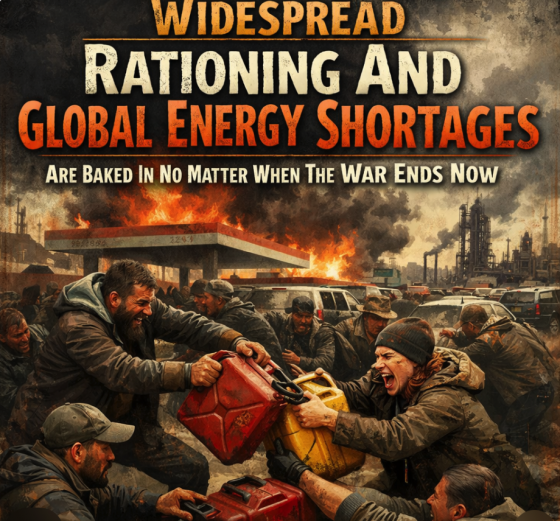
 A Complete Guide On Finding The Best Manual Wood Splitter For YOU




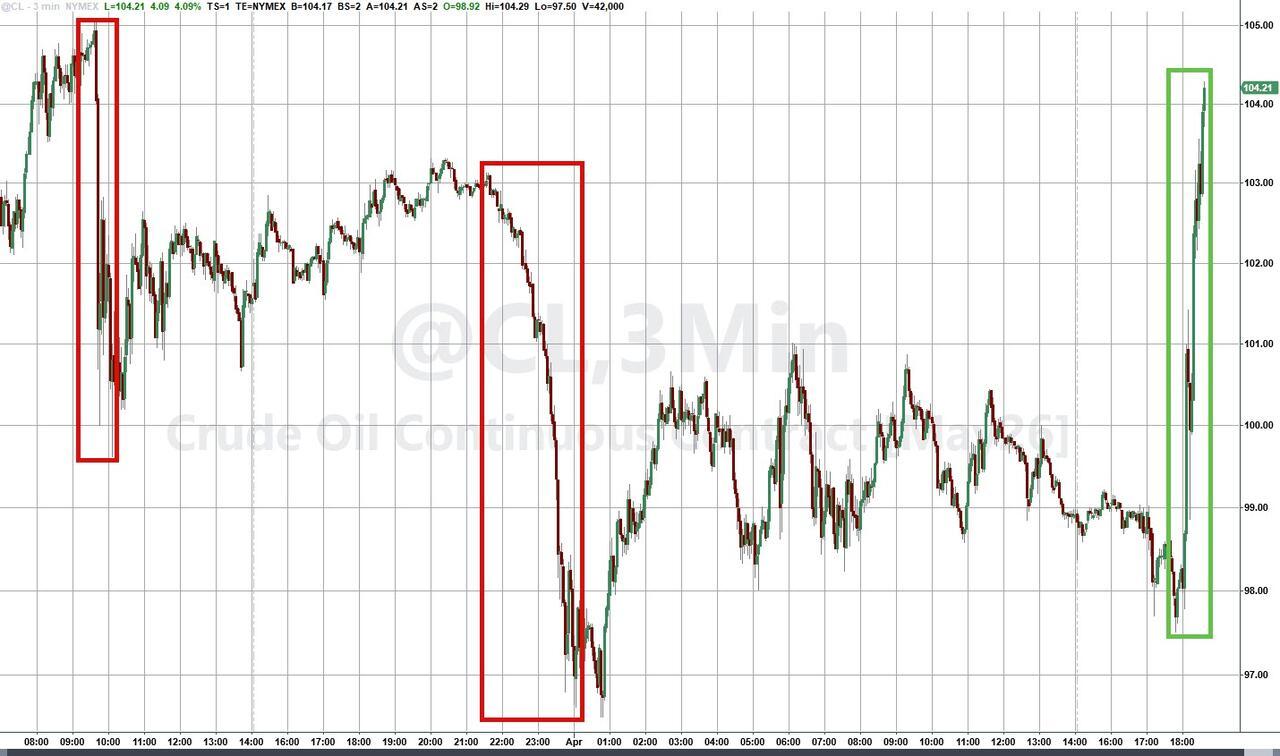
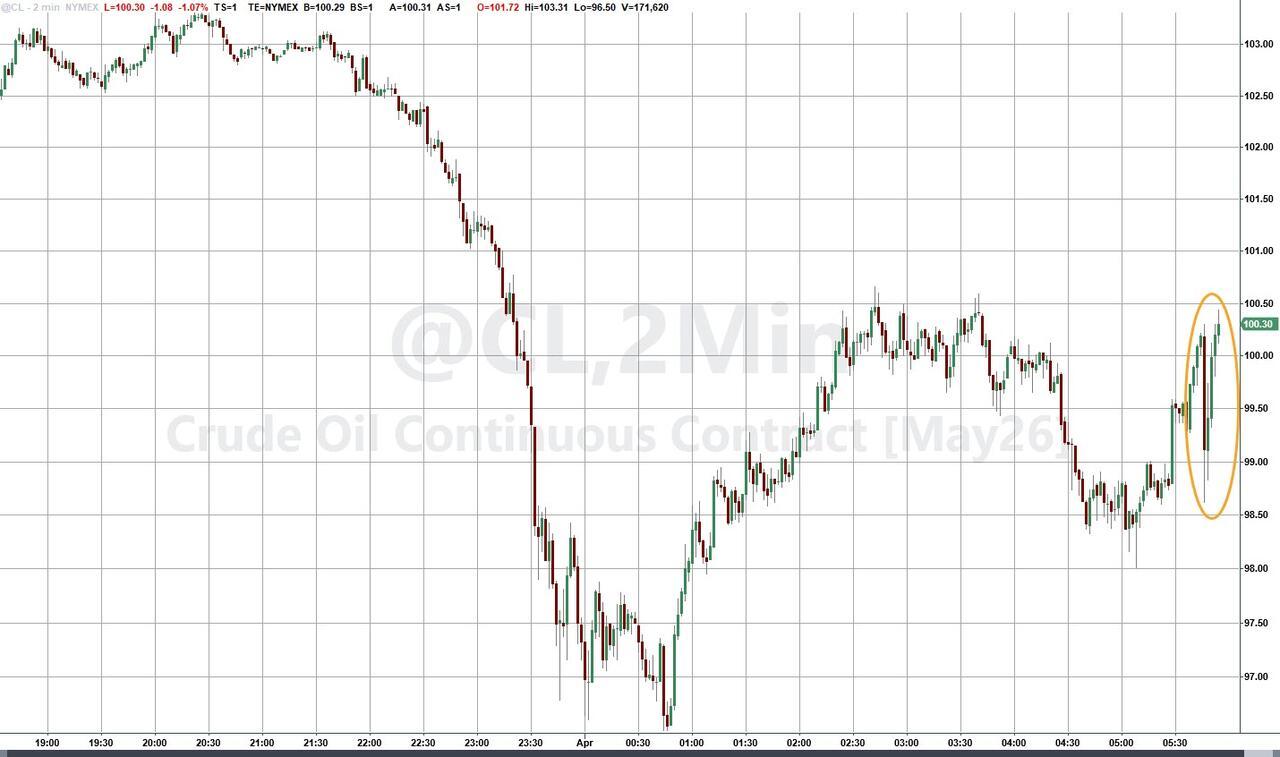
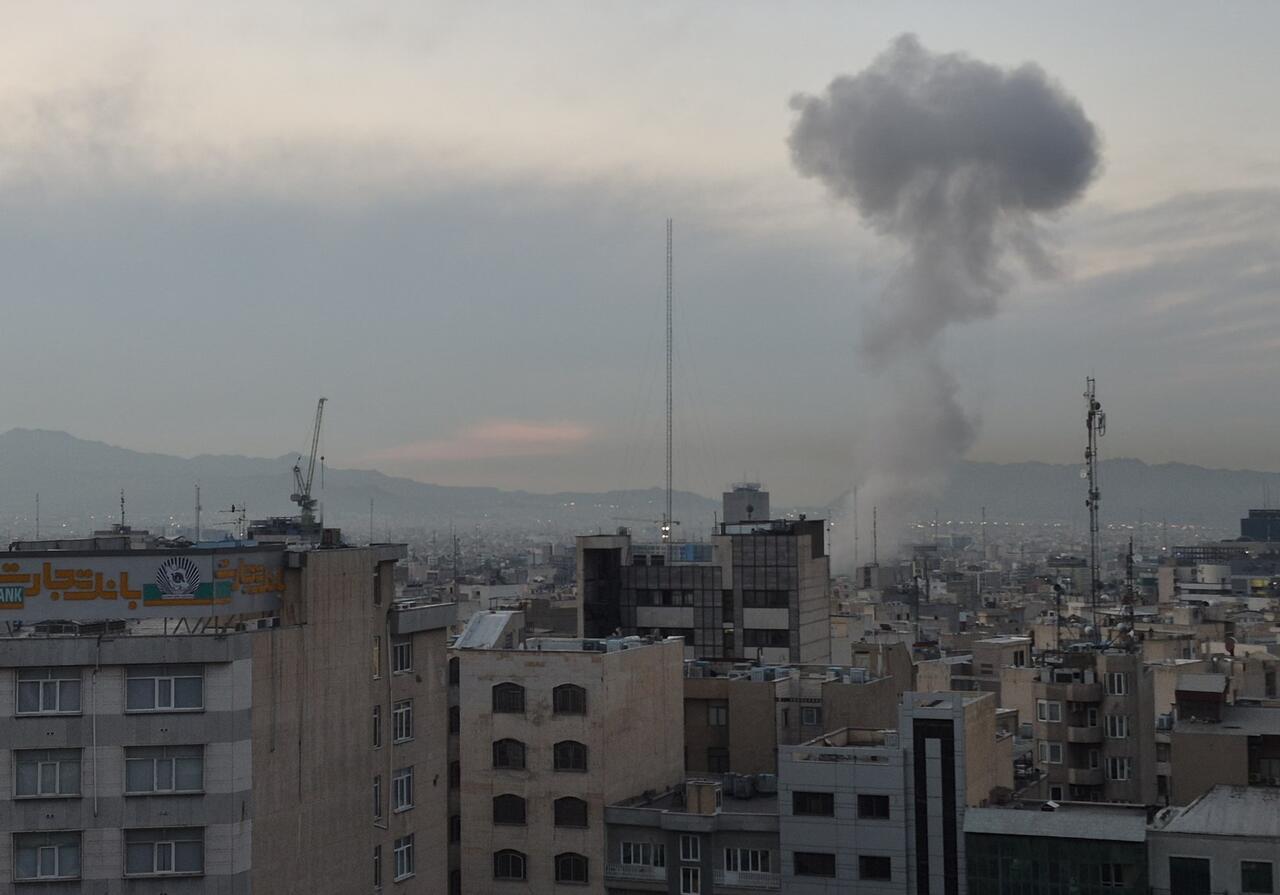
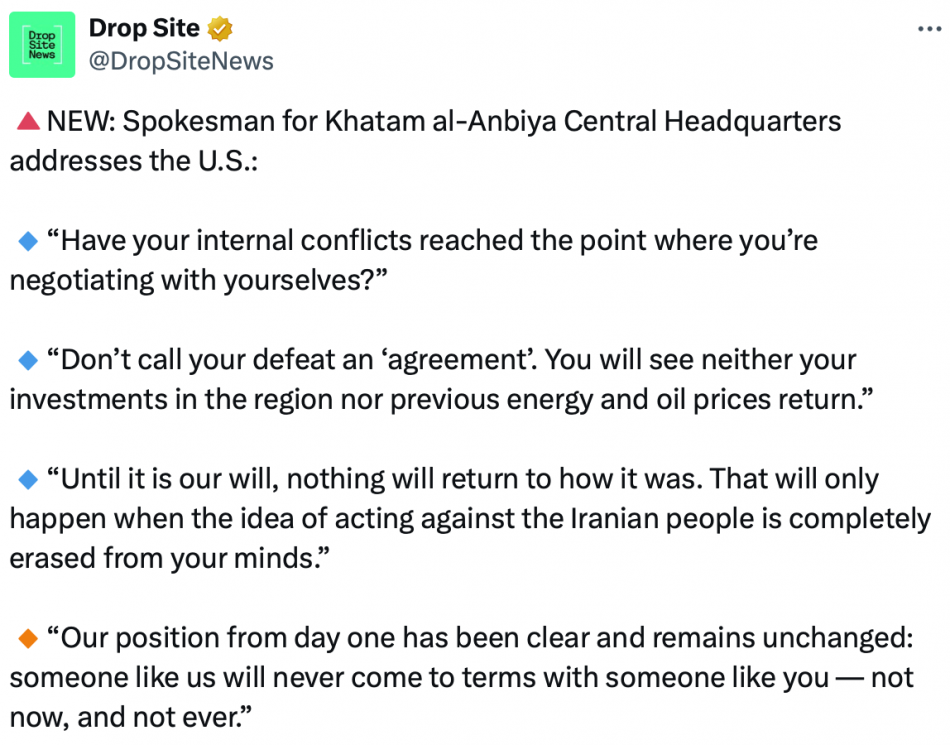

 [ALLOWED]
 [BANNED]: Peanut butter, hummus, dips, applesauce, yogurt (liquid rule applies).
 [CAUTION]: Declare all food at international checkpoints.
 [ADVICE]: The TSA Cares program is available for travelers with medical needs (call 72 hours before your flight).