Survival Gear is the most unused product until a natural disaster happens, then it’s the most desired products, but usually too late to help those that really need the help.

We sell around the World, and pride ourselves on offering a level of customer service that we would want to see ourselves if we were shopping online.
Our product ranges change regularly, so we hope that you come back to our sites to see some of the fantastic offers that we regularly have.

Get In Touch

How To Use A Portable Jump Starter (& Best Ones For Survival)

How to Use Portable Jump StarterAre you looking for a portable jump starter to keep your vehicle running, no matter what?

Today, we are leveling up your knowledge on how to use a portable jump starter. And the best ones on the market today.

Specifically, we’ll be covering:

**Note: If you want to see our favorite Portable Jump Starters, feel free to SKIP AHEAD HERE.

Click Here Now To Get 2 FREE Clickable Checklists! (Prepper & Bug Out Checklists)

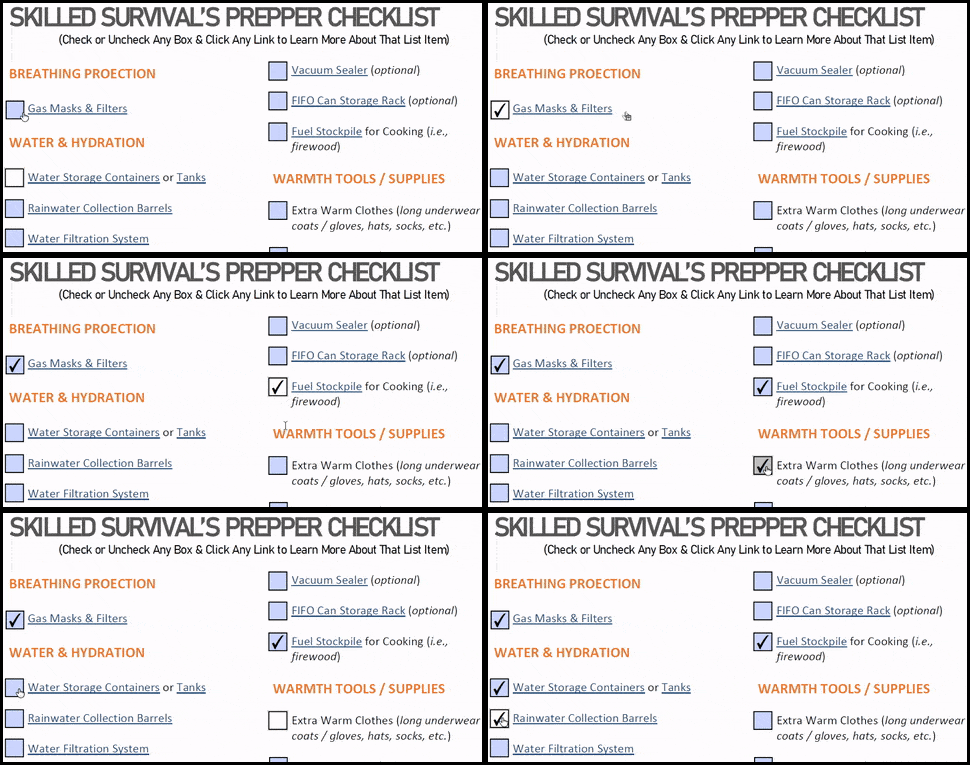
Sneak Peek Of The Prepper’s Checklist Below…


These 2 Clickable Checklists Will Help Get You Prepared FAST!

Why EVERYONE Needs A Portable Jump Starter

Even in normal times, a dead vehicle battery is a massive inconvenience.

Sure, no one’s going to die, but you might be late to an important meeting. Or you may have to postpone a weekend getaway you’ve been planning for weeks.

BUT in a real emergency, you can’t afford a dead vehicle battery. The outcome quickly moves out of the “inconvenience” bucket to more severe results.

Perhaps it amounts to:

  • Being stranded in the mountains during a blizzard
  • Getting stuck when a fast-moving wildfire is approaching
  • Having a buddy fall in the wilderness and can’t get them to help fast enough
  • Or perhaps it undermines your bug out plan (this is a survival and preparedness site!)

The bottom line is this:

Every responsible adult MUST invest in a powerful backup to get your vehicle started. Why? Because there may not be any other car around to jump-start your battery in a crisis.

If you own a vehicle, it’s irresponsible not to invest in a way to jump it in a pinch.

You need your own portable jump starter.

And portable jump starters have come a LONG way over the years. In the past, you had to carry large, clunky power stations or thick jumper cables.

But those units were cumbersome to store, and jumper cables required a second vehicle to use.

Nowadays, innovation in battery technology and portable power has eliminated these problems. And as you’ll learn shortly, the safety of these devices has skyrocketed as well.

As A Way To Introduce You To Skilled Survival, We’re Giving Away Our Ultimate Survival Gear Checklist. Click Here To Get Your FREE Copy Of It.

12V battery bank 1

What’s a PORTABLE Jump Starter

First, what is a portable jump starter?

It’s a compact battery pack that’s powerful enough to boost a dead vehicle’s battery.

Now, you can get them with a host of other features like:

  • USB ports
  • LED lights
  • Radio
  • Plug-ins

But those features are just icing on an essential survival cake. The jumper should be your primary focus.

Ok, so you went out and bought one. Awesome. Now what?

As A Way To Introduce You To Skilled Survival, We’re Giving Away Our #78 Item Complete Prepper Checklist. Click Here To Get Your FREE Copy Of It.

How To Use Portable Car Jump Starter

The good news is, with portable jump starters, you don’t need a mechanical engineering degree to use one. Unlike older intimidating portable jump starters, nowadays, they’re convenient, safe, and simple to use.

But each unit has unique instructions. So while they’re all very easy, they are not universal.

However, with that said, below are the general set of instructions for MOST portable jump starters today:

Here’s how:

1. Turn Off Vehicle And Any Power Draining Accessories

A portable vehicle charger is designed to give you full voltage in the first few attempts. Then it will, unfortunately, decrease in power.

You need to make sure the first jumps count, so take the keys out of your vehicle.

2. Connect The Jumper Cables

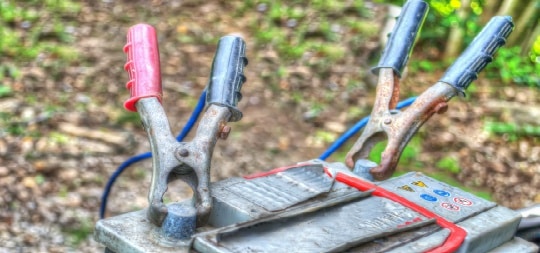
Your Portable Jump Starter has two cables coming out of it with alligator clamps. These clamps allow for a secure connection to your battery posts.

Make sure you make the proper connections. Red clamp to positive and black clamp to negative.

3. Turn On The Portable Jump Starter

Always turn on the jumper starter unit first. This will send the flow of electricity to your battery so your vehicle can use it.

Give it a few minutes BEFORE attempting to start your vehicle.

Note: Some portable jump starters use a sequence of beeps to signal when it’s ready to “start your vehicle”.

4. Then Start Your Vehicle

Once ready, turn the key over for about 5 seconds max. The portable jump starter will send a short burst of electricity. And most of the time, this will allow enough power to turn your engine’s starter.

But, if it doesn’t within 5 seconds, stop.

Try again if needed until it starts. But each successive failed attempt will reduce your chances of a successful jump.

This is why it’s critical to KEEP your portable jump starter full of juice at all times…


Exclusive Bonus Content –
Skilled Survival’s 104 Item Bug Out Bag Checklist – the only bug out checklist worth using. Click Here To Get Your FREE Copy Of It.

How to Charge A Portable Jump Starter

Your portable jump starter is there for when you need it, but it is only as good as the power charged in its battery.

When you buy your jump starter, it may have some charge, but you don’t want to take any chances.

Take it out of the box and plug it in until it reads fully charged.

There will be a power adapter to plug into any standard outlet. Once charged, you are good to go.

Put it back in the box and into your trunk or lockbox in your vehicle. The box will protect it from getting bumped around and stack well with your other gear.

At least once a month (or more often), make sure it still has a full charge, so you never get stuck without juice.

And if you use it to charge a phone or small electronic device in a pinch, make sure to top it back up the next chance you get.

Sure, it’s a nice feature to use some of the portable power for convenience. But NEVER let convenience undermine the REAL reason you’ve invested in it!

As A Way To Introduce You To Skilled Survival, We’re Giving Away Our Ultimate Survival Gear Checklist. Click Here To Get Your FREE Copy Of It.

Can I Use A Portable Jump Starter On My Motorcycle?

Yes. You can use your portable jump starter on a motorcycle. Even a motorcycle that’s been sitting for a while,

All motorcycle batteries are 12 volts, just like your car or truck. And your portable jump starter is also a 12-volt system.

Jump starting your motorbike is safer this way, too, because its battery is smaller. AND trying to jump it from a car or truck may damage the electrical system or battery.

It’s easy to use and pretty affordable as well.

Now you can see how versatile a portable jump starter is and why you need one. It’s a great emergency tool for your car, truck, motorcycle, as well as ATVs and snowmobiles.

Now, maybe you don’t have a portable jump starter yet. That’s ok; we’re going to show you the best ones on the market today.

As A Way To Introduce You To Skilled Survival, We’re Giving Away Our #78 Item Complete Prepper Checklist. Click Here To Get Your FREE Copy Of It.

6 Best Portable Jumpers On The Market Today

1. Clore Automotive Jump-N-Carry JNC660

Clore Automotive is a company that specializes in jump and carry jump starters. And they’re a trusted brand.

Their 1700 Peak Amp 12 Volt Jump Starter is precisely what you need when your vehicle’s battery is dead.

It is a 22Ah Clore Proformer battery that gives you multiple jumps per charge. And has a powerful 1700 peak amps of starting power.

It also has auto-recharging circuitry. So you can leave it in and always have charging capabilities when needed.

It has 42” heavy-duty #2 AWG welding cable leads with industrial clamps. And a DC outlet for charging 12-volt accessories, all housed in a heavy-duty case.

It also has a voltmeter to check the status of the battery by pressing an onboard button.

This is a great portable jump starter for your 12V vehicles.

2. DEWALT DXAEJ14 Digital Portable Power Station Jump Starter

We all know the Dewalt name, and while they make exceptional tools, their jump station won’t let you down either.

The DXAEJ14 has added bells and whistles to your standard portable jump starter unit.

It has 1400 peak amps and 700 instant starting amps to get you up and running in no time.

It also has a patented alternator check function. This is especially handy to check that your alternator is working correctly.

This unit can do much more, though.

It has a 120 PSI digital compressor to pump up low tires with its surefit nozzle and auto-stop features.

It has 2 USB connections that allow you to charge multiple devices.

And it also comes with a powerful LED light and an LCD screen that has real-time information you see in the dark.

Make sure to charge up the unit every 30 days to ensure you have total capacity.

It comes with a 1-year warranty, and the Dewalt brand speaks for itself.

3. Autowit SuperCap 2 Jump Starter

How about a portable jump starter that doesn’t require recharging? Sound too good to be true? Nope.

The SuperCap 2 has a built-in supercapacitor. That means it only requires hooking up to your weak battery to take a quick charge.

There are no worries about remembering to charge it up because it is always ready to go. Just stow it in your vehicle and forget about it until you need it.

Besides the SuperCap 2 jumper, in the box, you get:

  • a carrying case
  • connections for a cigarette lighter
  • USB charging cable
  • alligator clamps
  • and a user manual

It will protect you from sparks and explosions. Why? Because there are no internal batteries.

And it also has over-current protection, overload protection, over-voltage protection, and reverse-polarity protection.

Operational temperatures include -40C/40F to +70C/158F. So don’t need to worry about it failing you with extreme weather.

And with 100,000 repeated use that it can withstand during its long, ten year+ lifespan.

Plus, it comes with a one-year warranty, so you won’t regret buying this portable jump starter.

4. NOCO Boost Plus GB40

NOCO has a 24 Watt-hour lithium-ion battery jump starter that has 1000 amps. So it can quickly jump cars, boats, lawnmowers, and so much more.

You will get up to 20 dead battery jumps with a full charge. And with its reverse polarity protection and spark-proof technology, it’s safe.

Having a lightweight compact portable jump starter is ideal for smaller cars. Why? Because you can easily stow it in the trunk and be ready when your battery goes dead.

It’s made for almost any environment and has a water-resistant enclosure. And rubber over-molded casing, making it a rugged unit that can stand up to all your adventures.

Included on the unit are some great additional features like:

A 100 lumen, 7-mode, high-output flashlight. It also flashes and sends out SOS emergency signals.

A USB charger for your devices and a 12-volt car charger. That means you can charge it on the run.

Rounding it out is this USA-designed jump starter comes with a 1-year warranty.

5. GOOLOO Jump Starter Battery Pack 1200A

Gooloo has been around since 2012. And they’ve dedicated themselves to manufacturing:

  • Battery chargers
  • Power stations
  • And yes, jump starters

This model is their 1200A peak 18000mAh supersafe car starter, and you need one.

It’s going to quickly start up your dead 12 V battery and get you running fast.

It comes with intelligent jumper cables that include multiple safety features like:

  • High-temperature protection
  • Hover-current protection
  • Overload protection
  • Over-voltage protection
  • And over-charge protection

We’ve run out of possible things this unit can protect because it’s that good!

The unit includes twin USB charging ports for any gadgets you need to get back online and a 12V plug.

Do you need a powerful LED work light? It’s included onboard with three settings; a flashlight, strobe, and SOS signaling.

All this, and it only weighs 1.2 pounds and is just 6.4” X 3’ X 1.4 inches, so it fits right in your pocket or stowed in your go-bag.

With Gooloo’s innovation and detail, they can supply you with any portable power solution.

6. Imazing Power Portable Car Jump Starter

Another manufacturing leader in the jump starter space is Imazing Power.

They’ve been in the game for 20 years, and it shows with this 2000A peak 1800mAH unit.

They use high-rate lithium power systems to get you up and running fast.

They also have advanced protection jumper cables that feature:

  • Reverse polarity
  • Reverse connection
  • Over-current, overload, over-voltage, over-charge, and over-discharge
  • And short circuit protection

So you never have to worry again if you’re doing it “right” or “safe.”

Built into the jumper unit is a bright LED flashlight with three settings.

And dual USB ports allow you to charge multiple devices at once. And includes options for charging via a cigarette lighter.

Imazing Power’s team has up to 100 R&D designers. And they hold over 180 core patents and 178 international certifications.

They know what they are doing!

Wrap Up

Now go gear up with your own portable jumper starter. It should be an essential piece of your bug out checklist, prepping checklist, and survival gear checklist!

Prepare, Adapt & Overcome,

“Just In Case” Jack

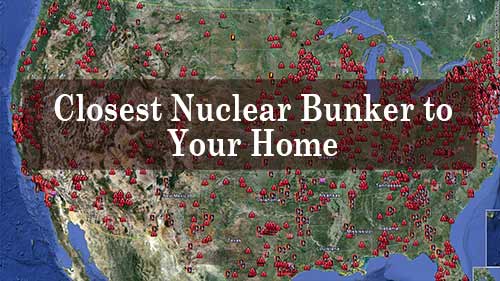
P.s. Do you know where the closest nuclear bunker is from your home?

There are a lot of natural nuclear shelters in the US that are absolutely free. And one of them is near your home.

Click on the image above to find out where you need to take shelter.

The post How To Use A Portable Jump Starter (& Best Ones For Survival) appeared first on Skilled Survival.
How to Build Bomb Shelter | 15 Steps on How to Build a Bomb Shelter

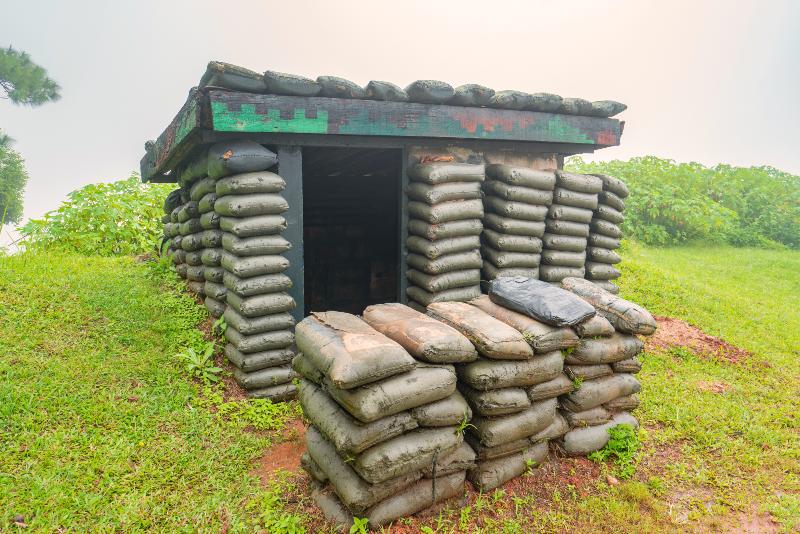
Knowing how to build a bomb shelter can give you peace of mind, especially during these uncertain times when the world is on the brink of war. It can protect you and your loved ones from a bomb blast or nuclear explosion.

Keep reading to learn how to build a bomb shelter.

RELATED: How To Survive A Nuclear Bomb | 7 Things You Need to Know

How to Build a Bomb Shelter | a Step-By-Step Guide

Air Raid Shelter or Bomb Shelter | How to Build a Bomb Shelter

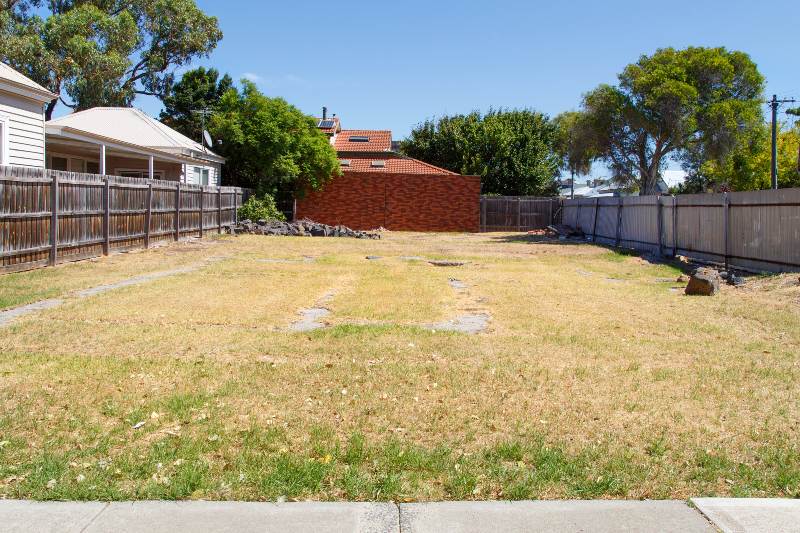
1. Select a Location

Large Garden Area | How to Build a Bomb Shelter

Keep in mind to consider these factors when choosing a location to build your bomb shelter:

  • Water: Do not choose a downhill place or at the base of a steep slope. Additionally, ensure that you are far from a large body of water to avoid flooding.
  • Nearby structures: Select a place that is not near any flammable structures. If a nuclear weapon detonates, it can cause systems to catch fire, and you do not want to be near a burning structure. In addition, avoid a location surrounded by vegetation and trees, as cutting their roots can be harmful to the local geography.
  • Utility lines: Avoid utility lines in your yard.
  • Stability: You must build your bomb shelter on solid ground.

2. Have a Blueprint

Female Architect Working on New Construction Project | How to Build a Bomb Shelter

After choosing a location, measure the area and design your blueprint. A blueprint will help you build a stable and adequate bomb shelter, just like constructing a house.

You have three options on how to develop a bomb shelter plan:

  • Research online.
  • Hire an architect or a drafter.
  • Sketch your design.

The size of your bomb shelter depends on your preference. But to give you an idea, a basic bomb shelter measuring 10 x 10 x 10 feet can fit four people.

Essentially, think of it as a small house and maximize its space. Ensure that you plan for your safety, security, efficiency, and comfort.

3. Prepare Your Materials

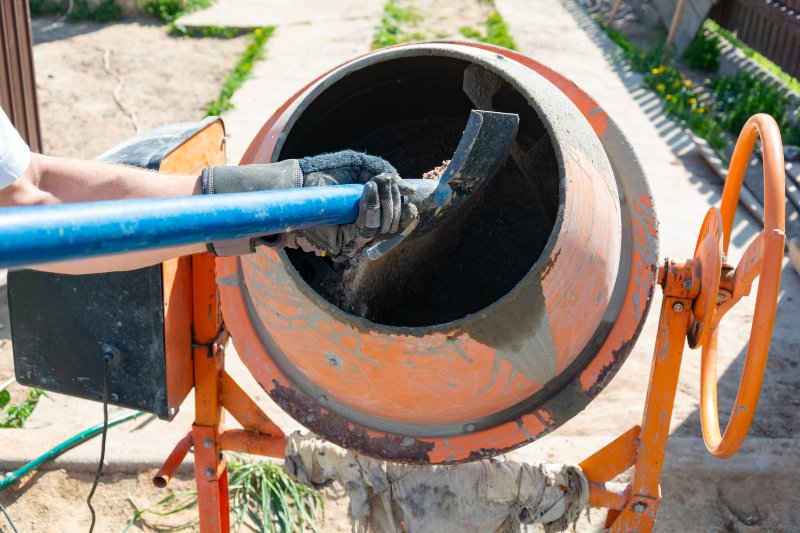
Builder Working with Shovel during Concrete Cement Solution Mortar Preparation | How to Build a Bomb Shelter

Be sure that you are building your bomb shelter out of materials that are sturdy enough and will not fall to pieces.

Some of the most common materials you may use are:

  • Concrete: This material is relatively affordable and can withstand high loads. What’s more, self-healing concrete can last for 200 years!
  • Metal sheet: This material is solid and water-resistant. However, it can be pricey, and you would need to add insulation when using this material.
  • Bricks: This type of block is inexpensive, an excellent insulator, and weatherproof. You may also add color and style to this material.

4. Clear the Site for Construction

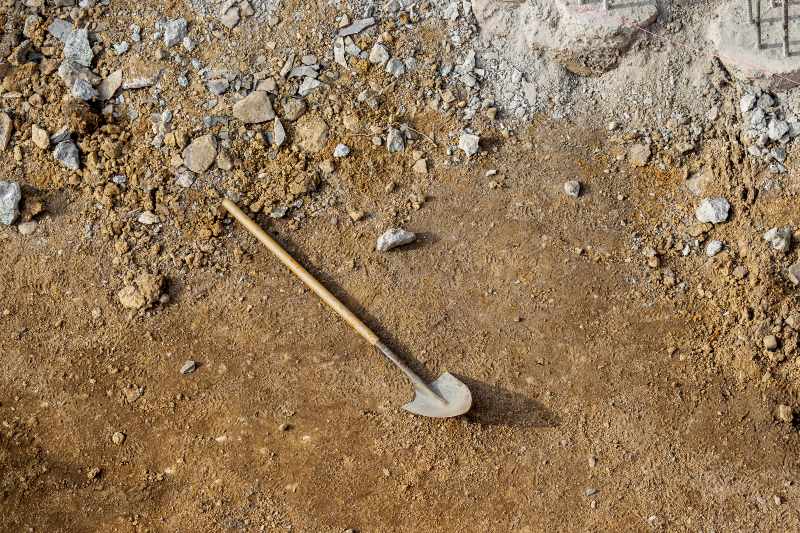
Spade Shovel with Long Handle | How to Build a Bomb Shelter

Plant garden stakes into the ground to outline the perimeter of your bomb shelter. Afterward, use tools to dig up rocks and other waste in the area.

But, if using axes and shovels is laborious and time-consuming, you may use a backhoe instead to make your work faster. This alternative can be costly, but it can speed up the digging process.

Clear the land around 10 feet beyond the perimeter of your shelter so you would have enough space to work with. In addition, this prevents the dirt from falling back into the ground.

5. Start Digging

Male Feet Wearing Rubber Boots Digging the Ground | How to Build a Bomb Shelter

When you are about to excavate, use the cut-and-cover method – this is how subways are built underground.

In this technique, you dig a trench, build trench support, create your bomb shelter, then cover it.

However, before you start digging, keep in mind that this procedure is one of the most dangerous construction jobs. So practice trench excavation safety by installing support systems.

The three most common types of protective systems are:

  • shielding
  • shoring
  • sloping

Excavate deep enough to protect you from disasters, blast waves, and radiation, but not too deep that you might trap yourself inside your bomb shelter.

6. Create an Emergency Exit

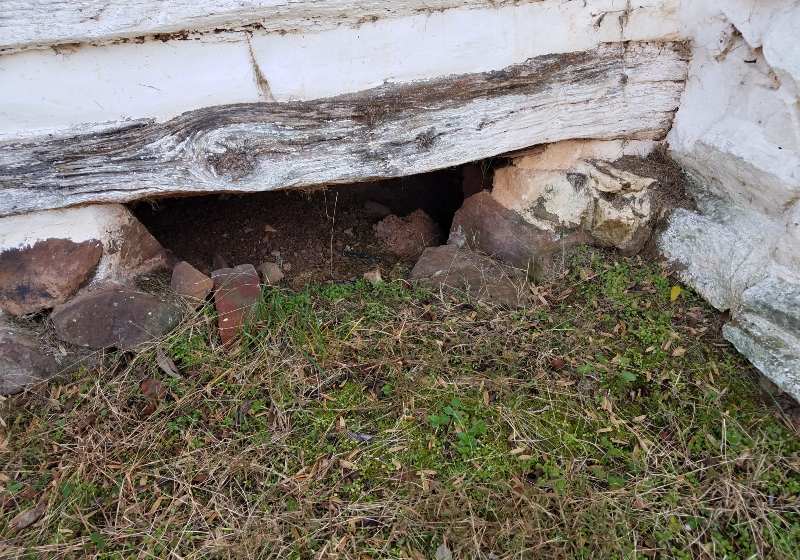
Crawl Space or Hole Underneath White Wood | How to Build a Bomb Shelter

Ensure to create an emergency exit in your bomb shelter. This exit must be on the excavation side and opposite the main Entryway.

This particular exit will not only allow for faster evacuation but will also provide additional ventilation.

Dig a crawl space around two feet wide and three and a half feet deep below the soil’s surface. This crawl space must have a small trench at its end to connect it to the outside world.

7. Create the Main Entrance

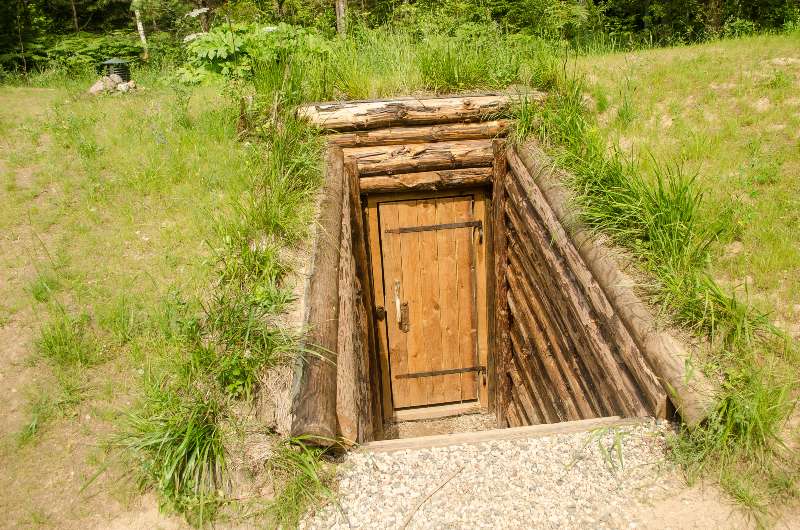
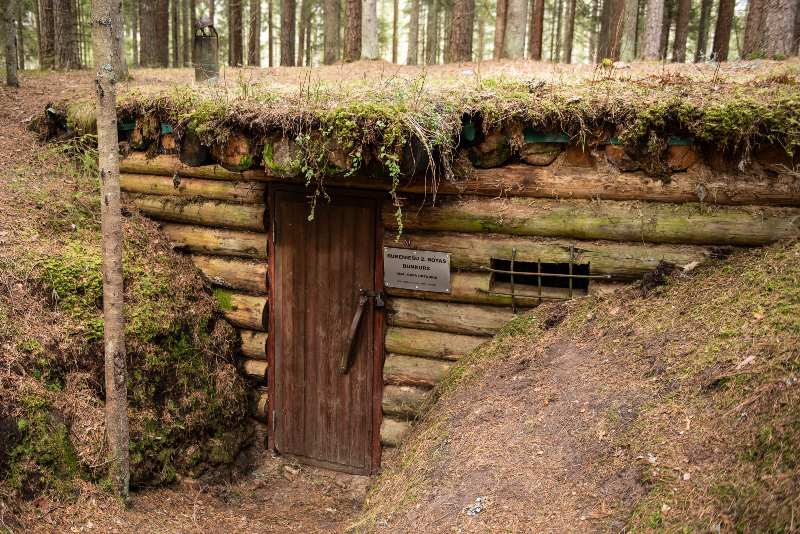
Entry of Forest Bunker | How to Build a Bomb Shelter

After creating your bomb shelter’s emergency exit, it is now time for you to dig your main Entryway.

Construct the main entrance the same way you created your emergency exit but on the opposite end. You can make it wider so you can quickly enter your shelter. Ensure that it is below ground.

8. Build the Roof

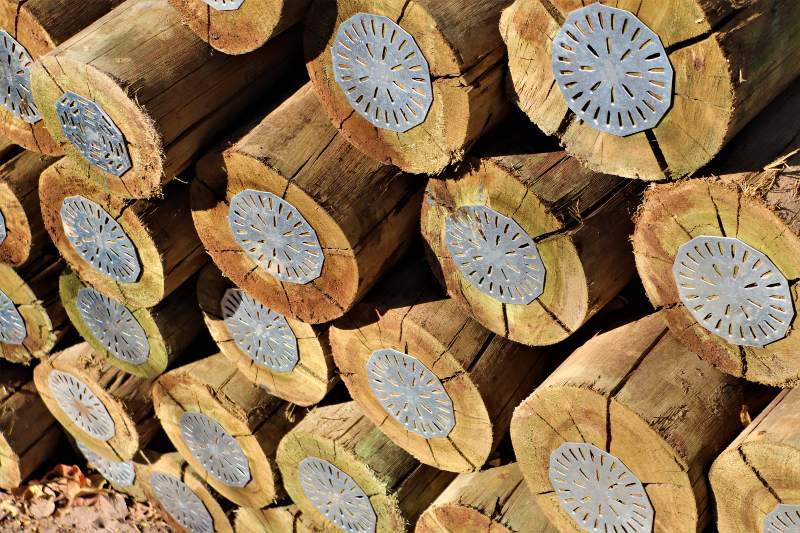
Wooden Poles | How to Build a Bomb Shelter

The next step on building a bomb shelter is to put wooden roofing poles above your trench. These poles are lengthy, uncut pieces of timber that you can find in a home improvement store or lumberyard.

The roofing poles must extend on each side of your trench to prevent bomb shelter collapse.

For instance, if your trench is five feet wide, your poles should measure nine feet.

Then, assemble the side of the poles by the side over your trench, minimizing the gaps.

RELATED: Putin is Using Bomb-Sniffing Rats to Fight ISIS

9. Add Roof to the Entryway

Bunker-Subterranean Building | How to Build a Bomb Shelter

Pile up some poles in front of the entrance. These poles will help prevent dirt from entering your bomb shelter.

Put some poles between your trench and the edge of your Entryway. Tie these wooden roofing poles together using a rope or wire.

Afterward, tie them to the poles that you used as the Roof of your bomb shelter.

10. Protect the Logs

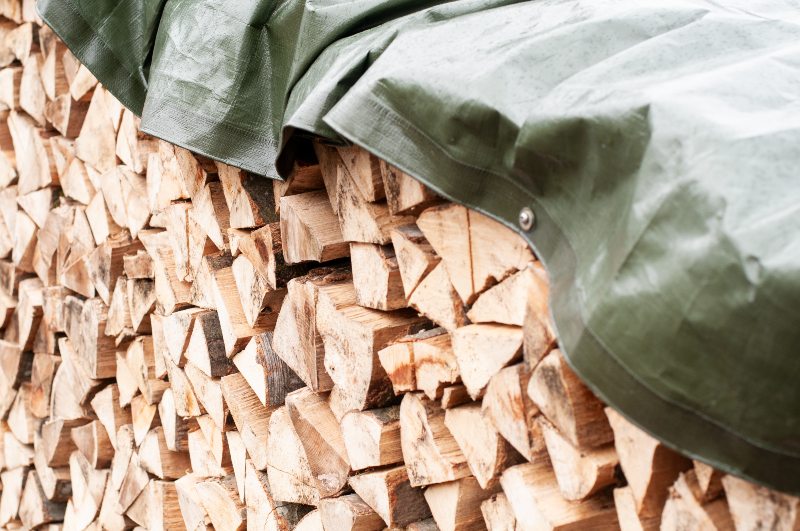
Close-Up of a Stack of Chopped Firewood Covered with Tarpaulin | How to Build a Bomb Shelter

Waterproof your wooden roofing poles by adding a layer of any plastic material over them. Remember to cover all gaps between the poles to keep water and dirt from falling into your bomb shelter.

You may use either a big tarp or several small tarps that can cover your whole trench.

11. Cover up the Logs

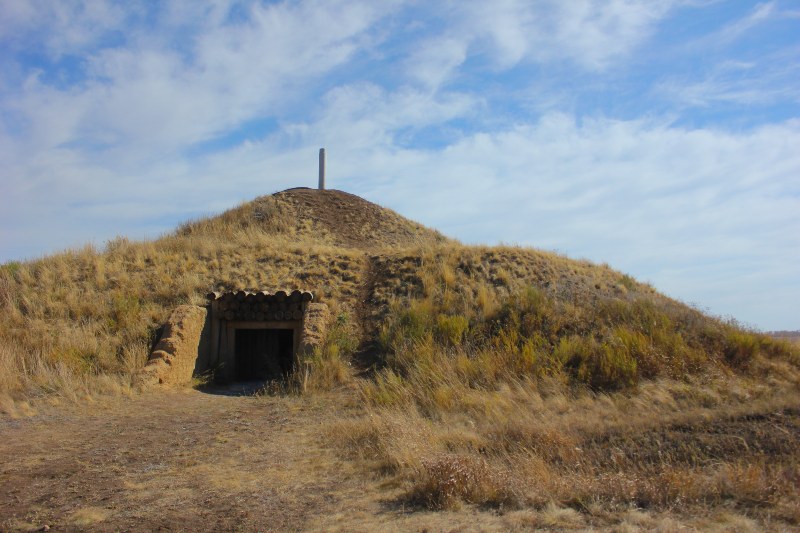
Underground Dwelling | How to Build a Bomb Shelter

After waterproofing your poles, cover them with an earth dome.

Move your excavated dirt and pile it up on top of your logs, shaping it into a round mound. This will make your bomb shelter roof more firm and solid.

Make the dome deep enough so you can be fully protected from radiation. You may also put another tarp over the dome, then pile up more dirt on it to make its walls thicker.

12. Set Up a Ventilation Pump

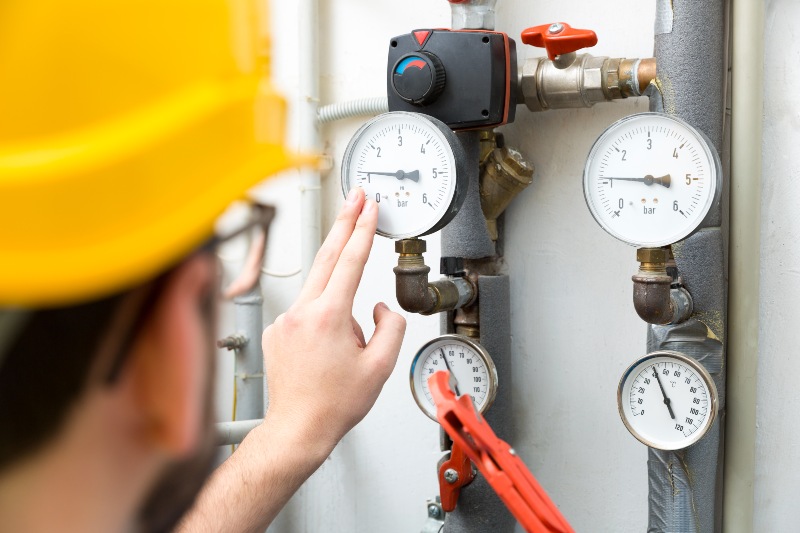
Technician Checking Pressure Meters for House Heating System | How to Build a Bomb Shelter

Put a ventilation pump near your emergency exit to keep the air in your bomb shelter clean. The pump should have a manual or hand-operated option so you can operate it in case of an emergency.

Place its filter on the floor, then run its pipe along your crawl space. The pipe should measure around 36 inches tall and 20 inches wide.

13. Install a Toilet

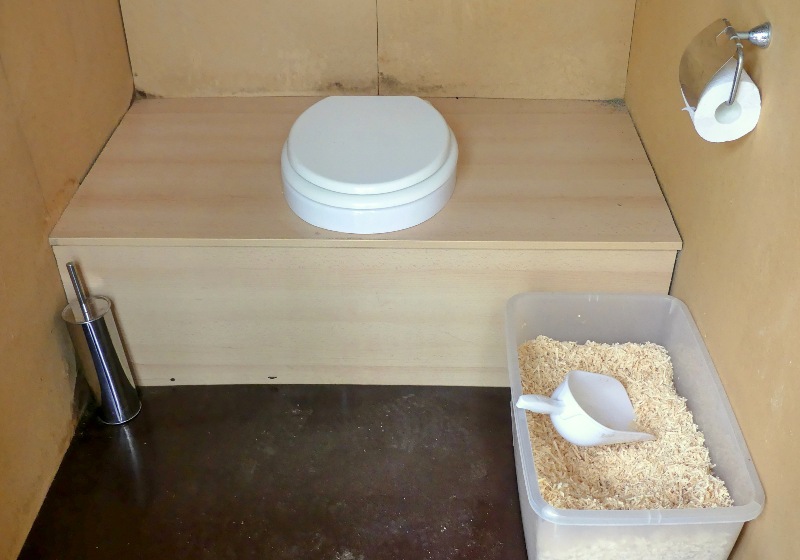
Unoccupied Recycling Composting Public Toilet | How to Build a Bomb Shelter

In another part of your bomb shelter, create your toilet. You may opt for a composting toilet for efficiency.

However, remember to install another ventilation pump for your toilet. With this, you may install your toilet near the exit far from your sleeping area.

Additionally, keep in mind that bomb shelters typically do not have running water. So if you want clean, running water, you may install tanks, filters, and pipes. However, this can be expensive and elaborate.

14. Build Furniture

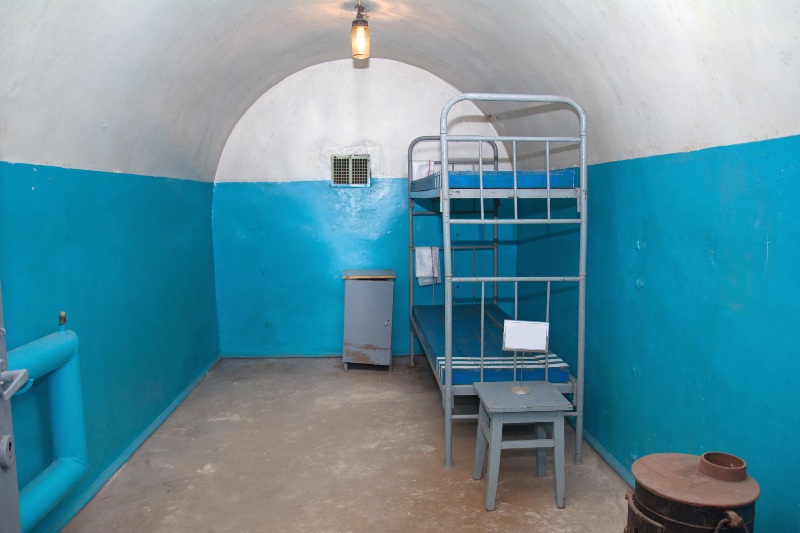
Military Soviet Bunker | How to Build a Bomb Shelter

In a bomb shelter, you do not need to have oversized furniture. So now is your chance to practice your creativity!

For instance, you may use a hammock as your bed. Just loop strong ropes around the ceiling poles to hang your hammock. Alternatively, you may stack blankets or pack together pine needles for quick and inexpensive makeshift bedding.

15. Keep Stocks of Your Daily Necessities

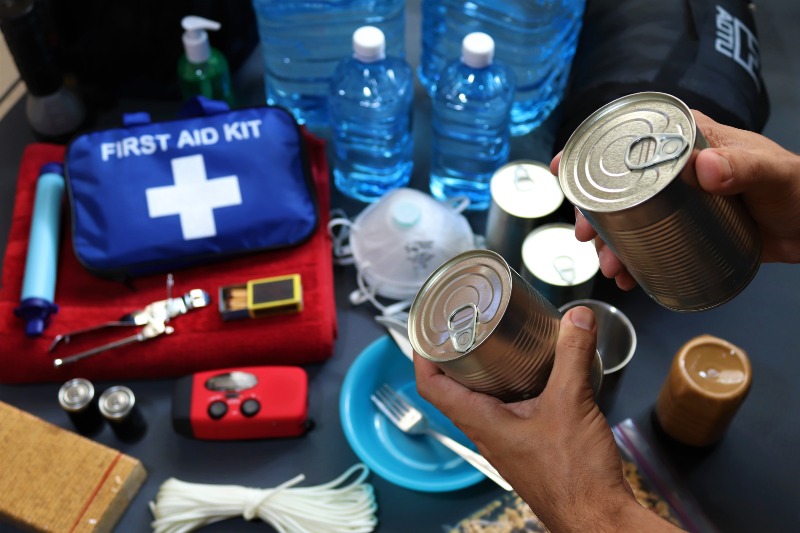
Disaster Management Includes Preparing a Disaster Kit | How to Build a Bomb Shelter

Since you will be spending some time in your bomb shelter in case of nuclear fallout, you must have a food and water supply that can last for at least two weeks.

Pack dry, non-perishable foods that are easy to prepare, such as:

  • canned/dried meats, beans, soup, fruits, and vegetables
  • protein bars
  • nuts/seeds
  • dry and non-dairy milk
  • grains
  • peanut butter

You may also want to prepare a microwave or a portable butane stove in your bomb shelter. In addition, you may want to stock candles and a pot to serve as your emergency cooking solution in case of a power outage.

Furthermore, bring extra clothes, a first-aid kit, and your medications.

Check out this video by Riddle to see what could happen if nuclear warfare breaks out:

A bomb shelter can help you prepare for any eventuality–be it an economic collapse, natural disaster, World War 3, or nuclear attack.

However, a bomb shelter tends to be expensive. Fortunately, you can create your very own that can meet all your needs!

Just follow these step-by-step instructions on how to build a bomb shelter so you can have a liveable environment if worse comes to worst.


Note: There is a poll embedded within this post, please visit the site to participate in this post’s poll.

In what other ways can we survive a nuclear attack? Please share your survival tips with us in the comments section below!

Up Next:

Don’t forget to stay connected with us on FacebookTwitterPinterest, and Instagram!

If You Feel Like Something Bad Is Coming, You Are Right On Target


Do you ever feel like you are banging your head into a wall?  I certainly do.  For years, I have been trying to warn people about very specific things that were coming, and now many of those things are literally making headlines on a daily basis.  You would think that should be enough to wake most people up, but unfortunately most of the population is still in a deep state of sleep.  Thankfully, there is a sizable minority that is awake, and I have been hearing from so many of you.  In recent weeks so many readers have told me that they feel like really bad times are ahead of us, and if you feel that way too I want you to know that you aren’t alone.

On January 2nd, I penned these words: “I have such a bad feeling about 2022”.

Of course that wasn’t the only time that I made such a statement.  In fact, I issued many similar warnings in the months leading up to the beginning of the year.

Since that time, war in Ukraine has erupted, global energy prices have gone completely nuts, the inflation rate in the United States has hit the highest level in 40 years, the global supply chain crisis has gotten even worse, and a new bird flu pandemic has begun that has already killed nearly 17 million chickens and turkeys in the United States alone.

And that is hardly an exhaustive list of all the things that have gone wrong over the past 3 months.

So many of the things that I specifically warned about in Lost Prophecies and 7 Year Apocalypse are either happening or the stage is being set for them to happen.

But I suppose that is just a giant “coincidence”, right?

I believe that we are at such a critical turning point in history at this moment.

The war in Ukraine threatens to spark a much broader global war, and the United States and Russia are already engaged in a very vicious economic war.

The COVID pandemic and the bird flu pandemic are just two of the pestilences that are currently afflicting our planet, and I believe that even more pestilences are on the way.

In addition, the worst global energy crisis in decades is combining with the worst global inflation crisis in decades to create a global food crisis that one UN official has called the worst since World War II.

And what we have experienced so far is just the beginning.

At this point, even the global elite are publicly admitting that we are potentially facing a global nightmare in the months ahead.

For example, World Economic Forum Chairman Klaus Scwhab just stated that “we do know the global energy systems, food systems, and supply chains will be deeply affected” during an address at the World Government Summit 2022.

And Joe Biden is openly warning that the coming global food shortages are “going to be real”

President Biden warned Thursday that there could be global food shortages resulting from the Russian invasion of Ukraine and announced steps to prevent a potential crisis.

“We did talk about food shortages. And it’s going to be real. The price of these sanctions is not just imposed upon Russia, it’s imposed upon an awful lot of countries as well, including European countries and our country as well,” Biden said at a press conference from Brussels, where he is meeting with NATO leaders.

They are literally telling you what is going to happen.

But so many people out there have such a deeply ingrained “normalcy bias” that they can’t wrap their heads around the fact that conditions are rapidly changing for the worse.  If you are not familiar with “normalcy bias”, the following is how Wikipedia defines it…

Normalcy bias, or normality bias, is a cognitive bias which leads people to disbelieve or minimize threat warnings.[1] Consequently, individuals underestimate the likelihood of a disaster, when it might affect them, and its potential adverse effects.[2] The normalcy bias causes many people to not adequately prepare for natural disasters, market crashes, and calamities caused by human error. About 70% of people reportedly display normalcy bias during a disaster.[3]

Most people out there simply assume that life will eventually return to “normal” somehow.

But that isn’t going to happen.

Global events are reaching a great crescendo, and the consequences of decades of very foolish decisions are starting to crash down upon us all at once.

A few years ago I started warning that we were about to enter a “perfect storm”, then I started warning that we had entered a “perfect storm”, and now I am warning that this “perfect storm” is going to get a whole lot worse.

If you plan to make it through what is ahead, you need to take action.

After reading the article that I posted earlier this week about what a nuclear war between the United States and Russia would look like, one of my regular readers asked me to write an article about getting prepared.

So in this article I will give you some of the most important basics, and if you want to learn more you can read the entire book that Barbara Fix and I co-authored a number of years ago.

When it comes to preparation for what is ahead, there are four major categories that you need to focus on.  Those four categories are food, water, energy and shelter.

If some sort of major emergency causes the grid to go down and the stores get completely emptied out, how would you survive?

You need to be able to supply what you and your family will need to survive for multiple years without being able to depend on the system at all.

If that sounds really difficult, that is because it will be really difficult.

That is why you must get prepared ahead of time.

And it isn’t just about storing up buckets of food.  Yes, I am a big advocate of storing away emergency food that can last for many years, but there is so much more to preparation than that.

In a previous article, I shared a list of 50 things that Americans should be stockpiling for the difficult times that are coming…

#1 A Conventional Generator And A Solar Generator

#2 A Berkey Water Filter

#3 A Rainwater Collection System If You Do Not Have A Natural Supply Of Water Near Your Home

#4 A Large Emergency Medical Kit

#5 Rice

#6 Pasta

#7 Canned Soup

#8 Canned Vegetables

#9 Canned Fruit

#10 Canned Chicken

#11 Jars Of Peanut Butter

#12 Salt

#13 Sugar

#14 Powdered Milk

#15 Bags Of Flour

#16 Yeast

#17 Lots Of Extra Coffee (If You Drink It)

#18 Buckets Of Long-Term Storable Food

#19 Lots Of Extra Vitamins

#20 Lighters Or Matches

#21 Candles

#22 Flashlights Or Lanterns

#23 Plenty Of Wood To Burn

#24 Extra Blankets

#25 Extra Sleeping Bags

#26 Ammunition

#27 Extra Fans If You Live In A Hot Climate

#28 Hand Sanitizer

#29 Toilet Paper

#30 Extra Soap And Shampoo

#31 Extra Toothpaste

#32 Extra Razors

#33 Bottles Of Bleach

#34 A Battery-Powered Radio

#35 Extra Batteries

#36 Solar Chargers

#37 Trash Bags

#38 Tarps

#39 A Pocket Knife

#40 A Hammer

#41 An Axe

#42 A Shovel

#43 Work Gloves

#44 Lots Of Warm Socks

#45 Seeds For A Garden

#46 Canning Jars

#47 Extra Supplies For Your Pets

#48 A Substantial Emergency Supply Of Cash

#49 Bibles For Every Member Of Your Family

#50 A “Bug Out Bag” For Every Member Of Your Family

You should also be thinking about where you plan to ride out the extremely painful years that are ahead of us.

If you are currently living in a major city, your chances of survival will be much lower than someone living in a very rural area when things finally hit the fan.

And even if you are living in a rural area, you need to have an alternate place where you can go if conditions in your current area become untenable for some reason.

This is not a drill, and this is not a game.

A day of reckoning is now at hand, and so many of the things that the watchmen have been relentlessly warning about are starting to come to fruition.

For years, many in the general population made fun of “preppers” and entire television shows were created to mock us.

And even though global events have begun to spiral out of control, most of the population still refuses to get prepared.

That deeply frustrates me, but I am going to continue to do my best to sound the alarm.

***It is finally here! Michael’s new book entitled “7 Year Apocalypse” is now available in paperback and for the Kindle on Amazon.***

About the Author: My name is Michael and my brand new book entitled “7 Year Apocalypse” is now available on Amazon.com.  In addition to my new book I have written five other books that are available on Amazon.com including  “Lost Prophecies Of The Future Of America”“The Beginning Of The End”“Get Prepared Now”, and “Living A Life That Really Matters”. (#CommissionsEarned)  When you purchase any of these books you help to support the work that I am doing, and one way that you can really help is by sending digital copies as gifts through Amazon to family and friends.  Time is short, and I need help getting these warnings into the hands of as many people as possible.  I have published thousands of articles on The Economic Collapse BlogEnd Of The American Dream and The Most Important News, and the articles that I publish on those sites are republished on dozens of other prominent websites all over the globe.  I always freely and happily allow others to republish my articles on their own websites, but I also ask that they include this “About the Author” section with each article.  The material contained in this article is for general information purposes only, and readers should consult licensed professionals before making any legal, business, financial or health decisions.  I encourage you to follow me on social media on Facebook and Twitter, and any way that you can share these articles with others is a great help.  These are such troubled times, and people need hope.  John 3:16 tells us about the hope that God has given us through Jesus Christ: “For God so loved the world, that he gave his only begotten Son, that whosoever believeth in him should not perish, but have everlasting life.”  If you have not already done so, I strongly urge you to ask Jesus to be your Lord and Savior today.

The post If You Feel Like Something Bad Is Coming, You Are Right On Target appeared first on End Of The American Dream.