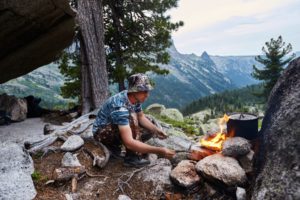
Survival Gear is the most unused product until a natural disaster happens, then it’s the most desired products, but usually too late to help those that really need the help.

We sell around the World, and pride ourselves on offering a level of customer service that we would want to see ourselves if we were shopping online.
Our product ranges change regularly, so we hope that you come back to our sites to see some of the fantastic offers that we regularly have.

Get In Touch

America Is Not Going To Be A Free And Open Society Any Longer

Whenever a tragic act of violence makes national headlines, the calls to give up more of our freedoms and liberties in exchange for the promise of increased security become deafening.  But if we take another step toward becoming an authoritarian society every time something horrible happens, eventually we won’t have any of the basic liberties and freedoms that previous generations of Americans fought so hard to secure for us.  Unfortunately, voices like mine are becoming increasingly rare, and the American people seem to want a society that will shelter them from anything that could possibly go wrong.  Of course there has never been such a society in all of human history, and we won’t be able to create one either.  No governmental system can eliminate the problem of evil, and bad things sometimes happen to good people.  And without a doubt, the mass shootings that we witnessed over the weekend were absolutely horrific.  In less than 24 hours, 29 American lives were lost between these two mass shootings, and this has greatly shaken the entire nation

On Sunday, Americans woke up to news of a shooting rampage in an entertainment district in Dayton, Ohio, where a man wearing body armor shot and killed nine people, including his own sister. Hours earlier, a 21-year-old with a rifle entered a Walmart in El Paso and killed 20 people.

In a country that has become nearly numb to men with guns opening fire in schools, at concerts and in churches, the back-to-back bursts of gun violence in less than 24 hours were enough to leave the public stunned and shaken.

Sadly, these are not isolated incidents.  As our society has become less moral, we have seen an escalation of violence all over the country.

According to USA Today, so far in 2019 there have been more mass shootings than days in the year…

As gunfire ripped through America in an unprecedented 24 hours, a bleak milestone in a nation pocked by gun violence was marked: There have been 251 mass shootings in 2019, according to the Gun Violence Archive.

shooting spree early Sunday at an entertainment district in Dayton, Ohio – which left at least nine dead and more than two dozen injured – notched an even darker statistic: It occurred on the 216th day of the year, meaning there have been more mass shootings than days so far this year.

As I have been warning for years, the thin veneer of civilization that we all take for granted is steadily disappearing.

At one time, you could walk down the streets in most communities in America without worrying that someone would suddenly gun you down, but that is no longer a safe assumption.

And in some areas, things are getting really, really bad.  Just check out what happened in Chicago over the weekend

In Chicago at least three people have been killed and 37 more injured since Friday evening in shootings within city limits, including 22 people shot Sunday in less than four hours, the Chicago Sun-Times reported.

In particular, a mass shooting that took place near a children’s playground was particularly tragic

As The Epoch Times’ Jack Phillips reports, at least seven people were shot and wounded on Aug. 4 as they gathered near a children’s playground on Chicago’s West Side. The people gathered at 1:20 a.m. as they stood in the park on the 2900 West Roosevelt Road when a person opened fire from a black Chevy Camaro, said Chicago Police.

So why didn’t this mass shooting get the same kind of coverage that the other mass shootings received?

Could it be that it is because it didn’t neatly fit the agenda that the mainstream media is trying to promote?

The city of Baltimore is another major American city where violence is completely and utterly out of control.  In fact, there is only one nation on the entire planet that has a higher homicide rate than Baltimore

Only one country in the world has a higher per capita homicide rate than the city of Baltimore.

According to WorldAtlas, the murder capital of the globe is Honduras — where there are 90.4 homicides per 100,000 people.

Baltimore, with 56 homicides per 100,000 people, edges out the number two spot ahead of Venezuela, where there are 53.7 homicides per 100,000 people.

As the violence across our country continues to escalate, the calls to restrict our 2nd Amendment rights are going to become overwhelming.

But taking away our 2nd Amendment rights is not going to solve the problem.  Instead, it will just take the guns out of the hands of law-abiding citizens.

The truth is that the El Paso shooter picked a gun-free zone for a reason.  When they know that their targets will be sitting ducks, that just makes things even easier for the mass shooters.

And the bad guys will always find ways to get guns.  Just look at the city of Chicago – they have some of the harshest gun laws in the entire nation, but they also lead the country in gun deaths.

Unfortunately, logic doesn’t tend to work with those that love authoritarianism.  Whenever something happens, they want the government to do “something”, and that “something” almost always involves eroding our most basic rights.

I wish that it wasn’t true, but this is where our country is heading.  Americans have been trained to believe that the government should take care of them from the cradle to the grave and should do all that it can to shield them from everything bad that can possibly happen in life.

Sadly, every time such a totalitarian “utopia” has been attempted throughout human history, it has always ended very badly, and that will be the case here as well.

About the author: Michael Snyder is a nationally-syndicated writer, media personality and political activist. He is the author of four books including Get Prepared Now, The Beginning Of The End and Living A Life That Really Matters. His articles are originally published on The Economic Collapse Blog, End Of The American Dream and The Most Important News. From there, his articles are republished on dozens of other prominent websites. If you would like to republish his articles, please feel free to do so. The more people that see this information the better, and we need to wake more people up while there is still time.

The post America Is Not Going To Be A Free And Open Society Any Longer appeared first on The Economic Collapse.

Things You Can Cook Over a Fire

Written by Guest Contributor on The Prepper Journal.

Editor’s Note: A guest contribution from Scott Huntington to The Prepper Journal.

Before we had ovens, cooktops and microwaves, there was only one way to cook up some grub — over the fire. You have to admire fire’s staying power. How many other old-world methods remain relevant thousands of years after they were invented?

Cooking over an open flame isn’t just fun, it’s popular for a good reason. The flavor you get from a flame-cooked meal is difficult to match on even the finest bar-b-queue. Plus, sometimes it’s the only cooking method you have. From surviving and camping to just getting creative, here are 10 things to try next time you’re around the fire.

Blueberry Orange Muffins

Let them try and tell you that baking on a camping trip is a bad idea! This environmentally-conscious muffin recipe makes your pack lighter by re-using the peels of oranges that you can eat on the trail. When it’s time for dessert, mix water and muffin mix as directed and then spoon the result into the empty orange halves. Wrap the mini muffin trays in a double layer of tinfoil and set them in a warm — but not flaming — section of coals. Allow eight to ten minutes of cook time. Boom, a sweet treat that you wouldn’t expect around a campfire.

Kebabs

While they’re simpler to do over the backyard fire pit than on the trail, kebabs can be packed and made in the wilderness with little hassle. The beauty of these simple-but-tasty creations is they allow you to create a multitude of flavor combinations and can customize for meat-eaters, vegetarians or omnivores. As your skill in combining flavors improves, you can play around with mixing things that cook faster or slower, like meat and fruit, and using the thickness of each slice to help the entire skewer cook evenly.

Pizza

Everyone loves pizza, right? But you might not think to cook it over a fire. With a simple pizza stone, you can make it on your backyard grill or beside a babbling brook. Fresh pizza dough can easily pack into camp for a first-night-out feast, and of course, it transports well from your fridge to the bar-b-queue. Similarly to Kebabs, you can enjoy a number of flavor combinations and you might be surprised how much you enjoy the nuance of a crispy-yet-chewy grilled pizza crust. It’s not unlike a gourmet wood-fired pie.

Steak

We’re not surprising anyone by including steak on a list of things you can cook over a fire. A steak traditionalist might even argue this is the only way meat should ever cook. Choose a flavorful piece such as New York Strip or Rib Eye to make over the open flame and the fat on the meat will nearly cook it for you. We recommend a good coating of butter or olive oil, complemented by some salt, pepper and rosemary, but you’re welcome to get more creative with your steak seasonings. Another great thing about this fire-cooked meal is there are several sides you can make over a fire as well.

Corn on the Cobb

Sure you could boil your corn, something we’ve probably all had. But flame-grilled corn-on-the-cob is without question the better way to have it. Plus, it’s so simple. Pick up some good fresh corn, shuck it and wrap in tinfoil, and place in hot embers for 20-30 minutes.

You can also do it with a campfire grill to reduce the mess. Throw a nice chunk of butter and some salt and pepper inside the tinfoil wrapper to add the perfect finishing touch to this sweet and healthy side.

Baked Potatoes

Similar to corn, baked potatoes can be made easily around a campfire by taking advantage of the wonders of tinfoil. However, as a heartier dish, baked potatoes can serve as a main dish when stuffed with the right ingredients. Do some meal prep before hitting the trail by splitting your spuds and packing them with bacon, chives, butter and seasoning. When you arrive at camp, everything will have melted together in the foil — you can finish it off by cooking it over the fire.

Egg and Sausage Taquitos

We tend to focus on dinner when the idea of making things over a fire comes up. But what about breakfast? For the most important meal of the day, breakfast can get neglected on camping trips, but these simple breakfast taquitos will give you a morning boost whether you make them for the kids at home or cook them up after a night on the trail. Meal prep is fairly simple — you make some sausage links and eggs, season them up and then wrap in a tortilla and add seasoning. Make sure you have a good means of keeping these cold if you plan to make them at camp.

Campfire Griddle Cakes

Your camp-mates will be thrilled to wake up to the smell of hot, fresh pancakes on the trail. If you’re used to cooking on a cast-iron skillet, these are about as straightforward as making pancakes at home. You can whip up a batch of batter in 15 minutes at home and jar it or bring with you on the trail using a Tupperware container. Make sure you bring along the necessary flatware. These aren’t as easy to eat with your hands as a kebab, hot dog or s’more. Extra points if you remember syrup and fresh berries.

Stuffed Bell Peppers

Similar to the baked potatoes we mentioned earlier, these stuffed veggies can easily serve as a main course. The recipe we chose uses a combination of rice, veggies and ground beef for a well-rounded and nutritious dinner that helps get all your food groups in while you’re out on the trail. The stuffed peppers are cooked in a Dutch oven and take about 30-45 minutes, which should be enough time to prepare additional sides if needed. They look pretty gourmet when done — proof you don’t have to be at home to enjoy something special.

S’mores

What would a list of fire-cooked goodies be without s’mores? These old-timely favorites will bring a smile to anyone’s face, whether on the trail or in the backyard. Did you know, s’mores have gone upscale? Try them with fruit, peanut butter and other wild combinations.

Cooking over an open flame is a wonderful social experience and a way to make plain-old good food. It brings the family together and gives you an excuse to try some truly special recipes that you otherwise might not. So try out some ours, or let us know in the comments below what your favorite flame-cooked eats are!

Be Safe out there and be sure to check out The Prepper Journal Store and follow The Prepper Journal on Facebook!

The post Things You Can Cook Over a Fire appeared first on The Prepper Journal.

How to Make Your Own Ethanol (Gas)

Although DIY’n is a common practice in this era, it still may be surprising to some that creating your own ethanol source using just a few basic ingredients can be done very easily and by anyone. Why would anyone go through the trouble to create their own gas in the first place? For starters, it can save you a pretty penny on your fuel bill at home. Then there is always an advantage to being prepared in the occurrence of a natural disaster. Most ethanol producers use it to fuel their vehicles, lawn mowers, gas powered generators and even power tools. Although it might not be something you need to do daily, it’s not a bad skill to acquire.

First things first, keep it legal. In order to build your own fuel source you will need to have a permit from the Bureau of Alcohol, Tobacco and Firearms. This permit is called a “Fuel Plant Permit” and is necessary no matter how much gas you plan to produce or how you intend to use it. Without the permit, it is a criminal offense to produce ethanol out of your home. Don’t say we didn’t warn you.

Now that we have warned you about the legalities, safety is next. For obvious reasons you’ll need to use some common sense and precautions when producing ethanol. When using your DIY gas for your car and other home needs, it’s imperative that you know what the fuel system is made out of. Ethanol is highly corrosive to plastic and aluminum so it needs to be mixed with gasoline, about 85% ethanol to 15% gasoline. Be sure to read up on the manufacturer guidelines before using your own ethanol in any fuel system to decrease the chances of destroying it completely.

Ethanol production is a natural process. It actually comes about through the fermentation of carbohydrates. There are several recipes for it, but let’s just assume that you don’t have your own crops to work with. Now let’s get to the directions. You will need the following:

(1) 20 gallon plastic barrel with a lid
(1) 10 ounce packet of brewer yeast or distiller yeast
(1) stirring paddle
(40) pounds of sugar
(1) still

Mix it

You will need to melt the sugar in hot water (about 100 degrees fahrenheit). Fill up your barrel about halfway with water and then add sugar in 8-10 lbs at a time. This allows it to melt and stir easier. After the sugar is pretty much broken down you can fill the remainder of the barrel with more hot water. You will mix the yeast in once the temperature is somewhere between 80-90 degrees. Place the lid on loosely to allow the fermentation process to occur. Set the barrel aside in a place that is about 70 degrees consistently.

Leave it

The fermentation process will naturally happen over a week or so. The yeast is eating up the sugar and producing waste in the form of carbon dioxide and alcohol. You will see bubbles coming out of the mixture, this is good. Keep that lid on loosely to avoid too much pressure causing the barrel to explode. Once the bubbles stop forming, fermentation is complete.

Filter it

You will need to filter the ethanol that will most likely carry dead bugs, debris and dead yeast.

Distill it

The remaining mixture is that of dead yeast, water, and ethanol. To get the ethanol out of this mixture, you need to use a still. The distilled version of your solution should get you around a 3:1 ratio of original solution to finished ethanol.

Dehydrate it

At this point your ethanol may still have some water inside of it. In order to remove it, you need to use a unique fuel filter that can filter the water out. These filters are made out of specific fabrics that allow ethanol molecules to pass through while keeping the water out.

And there you are. Do it yourself ethanol for your car and other home needs. You’re welcome for the lighter fuel costs.

5 FREE Preps Anyone Can Do!

When one decides to begin the journey into “prepping,” that doesn’t necessarily mean they have a lot of money at their disposal. That’s why it’s important to do the things that cost nothing first before you start buying things to store for when the SHTF.

This list is in no particular order, nor is it a complete list of all the possible things you can or should do after you decide to start prepping that doesn’t cost any money.  But this is a great guide for those just getting their feet wet and on a strict budget.

  1. Inventory Your Items

Take an inventory of everything you have already that you can or might need if the SHTF.  Put your first aid items together and organize your food. Doing this will help you get an idea of what you already have, what medications or ointments have expired, and what you may need to replace.

2. Write Out A Wish List

After you’ve gotten an inventory of everything you already own that you will need for your prepping gear, write out the things that are missing.  Do you need to replace some expired medications? What foods are you missing to make hearty, wholesome, and filling meals quickly, cheaply, and without power? Cross-check your inventory list.

3. Make a Space for all Your Items

Organize your gear in a central location so you know where it is.  In an emergency, such as a medical one, you’ll want quick easy access to your first aid kit. Keeping all your food together also allows you to more easily see what you’ve acquired and what you still need.  Organize your food by groups, such as spices, vegetables, meats, sauces, etc.  Keep the oldest food toward the front of your supply so you will use it first.

4. Practice Skills

Take the time to practice the things that you can already do. Practice building a fire. Make it a challenge and practice during the rain. If you can sew, take the time to repair a worn-out item by hand. Watch self-defense videos on YouTube and practice with your family. A free skill you can begin to learn is getting around your house in the dark.  Practice with the whole family. Learn to move quietly and safely and know how to evacuate if need be. Practice situational awareness and make it a habit.

5. Make a Family Plan

Come up with an emergency plan as a family.  What do the children need to do if the SHTF when they are at school? Where is the rendezvous point where everyone is to meet in the aftermath of a disaster? If it’s home, who is responsible for staying put to make sure everyone arrives? Come up with a few plans and rank them. If plan A fails, then everyone moves on to plan B.  You can write these out or just have family meetings to discuss your plans and brainstorm ideas with each other.

*A failure to plan is a plan to fail.

Prepping doesn’t necessarily have to be complicated or expensive. The goal is to get you and your family in the preparedness mindset so you can take the reigns on your own. Knowing what you need for your particular situation will be invaluable as you begin your prepping journey!

If you have any suggestions for readers that are free and that they can begin at any time, share them in comments!

Pioneer Preps: Paracord Donut

Cordage is long stringy gold for us survivalists. It bundles items, lashes structures, creates the noose for the would be dinner, and so much more. As most survivalists do I went with the military spec paracord as my cordage of choice. Its strong, inexpensive, and versatile. I also wanted a good deal of it, at least a hundred feet if not more. Cordage can always be cut shorter but splicing or knotting two pieces of cordage will always create a weak point at that spot. Now I have over a hundred feet of paracord, but how do I store it?

By Grimm, a contributing author to SHTFBlog & Survival Cache

As a beginner I went with the traditional way of wrapping loop after loop from my thumb to my elbow and then wrapping the last bit in the middle to secure it. It worked but it took up room, the loops got caught on things and sometimes when unraveling it all it would knot up. Having this happen to me more than a few times and I was ready to find a new way to store my paracord. The paracord donut technique was the answer.

Related: 21 Survival Uses For Paracord

In the video you will see that a paracord donut is nothing more than a loop of daisy chain loops. Going around itself until there is no more. This technique creates a very compact donut spool of your cordage. Unlike other spools though it doesn’t have a rigid structure in the center and the cordage will not continue to peel off if you drop it. It will not knot up on itself while it sits in your bag, I have never had it catch on anything and as a bonus the weight of the donut itself can be used to throw your cordage over a branch or to another person.

The process of making this will take some time and some getting use to, but its actually quite simple once you get the technique down and very hard to forget. You can even label multiple paracord donuts with what length they are for easy identification. Also although I am calling it a paracord donut this technique can be used with other cordage types as well. Take a moment and watch the Pioneer Prep so you can see how easily it is to wrangle in your wild cordage.

Please Visit Amazon Affiliate Sponsors

The Ultimate Hurricane Prep List For Survival

Hurricane Prep List

The Ultimate Hurricane Prep List – For Before, During, And After The Storm

Over the past few days, as I’m writing this article, I’ve been keeping close tabs on the weather reports in the Gulf of Mexico.

A large tropical storm was brewing just offshore and is likely reaching landfall about now…

Maybe it will reach hurricane status, maybe not.

But I guarantee, there WILL be LOTS of hurricanes this year and every year after.

And it’s very likely some WILL reach landfall along the US coastline. It’s not a matter of IF but WHEN.

Back in 2005, a couple of my friends lost nearly everything to Hurricanes Katrina and Rita.

Before this fateful day, these friends were quietly living their lives, building their families in a hurricane zone.

Several of them were fellow coastal researchers. Meaning, their careers were dedicated to how large storms affect the very places they call home.

But in 2005, several of them lost their homes and businesses to these massive hurricanes. And they nearly wiped their beautiful little towns completely off the map.

Now, years later, only half of them have returned to the Gulf. And those who did stick around have since moved to “safer” inland locations.

But one common theme I noted was that despite their background, few took the information seriously. They “knew” the dangers and risks but that was data and numbers – not reality…

This goes to show the strength of human errors such as complacency and recency biases.

They hadn’t taken just how devastating it could be. They didn’t realize an average hurricane releases as much energy in a day as the explosion of half a million small atomic bombs.

And every single one of them regretted not creating a comprehensive hurricane prep list. They all failed to make time for hurricane preparations.

They were forced to react and became frantic as the chaotic situation unfolded.

They didn’t plan ahead – which left them with few options and limited resources when all hell broke loose.

NOW is the time to think about your hurricane prep list and plan ready for the worst!

With that said, today we’ll be covering the following hurricane-related topics in great detail:

As A Way To Introduce You To Skilled Survival, We’re Giving Away Our #78 Item Complete Prepper Checklist. Click Here To Get Your FREE Copy Of It.
Hurricane Warning Sign

HURRICANE BASICS


“Hurricane” is the English adaptation of a word used by native languages along the US Gulf Coast. It’s a word used to describe extremely dangerous tropical storms.

These types of storms develop throughout the world’s oceans. And they are known by different names (“typhoon”, “cyclone”) around the globe.

For simplicity, I’ll refer to them all as hurricanes today. And I’ll focus primarily on hurricanes in the US Gulf of Mexico and Atlantic coast.

If you live in a different part of the world, the storm seasons and classification schemes will vary. But the core idea and recommendations for emergency planning are exactly the same.


Hurricane Season

Nearly all hurricanes that hit the mainland US are born in the tropical Atlantic. Specifically in an area between the Caribbean Islands and the Western Shores of Africa.

This is where warm ocean waters deliver tremendous amounts of moisture to rising warm air masses. This moisture feeding mechanism generates enormous rotating storms and draws in energy.

As these storms progress across the Atlantic, they encounter the Gulf Stream. This helps to boost their energy further and tends to turn them north into the Gulf and Atlantic coasts.

This system of moisture generation depends on hot summer temperatures. So for the South Eastern US, the storm season begins sometime in May and peaks in September. Then it tapers off into the fall (until November) as waters cool.

Of course, hurricanes can develop any month of the year, but they are far more likely in late summer.

Hurricane Features

“Tropical depression”, “tropical storm” and “hurricane” are all terms describing the exact same thing. A rotating storm system fed by warm, moist air. The only difference in the naming is due to their size, severity, and wind speeds.

Here’s what sets a hurricane apart from tropical depressions and storms:

Hurricane Eye And Eyewall

The most distinguishing feature of a hurricane is the “eye”. The circular area of strong updraft at the center of the storm. It’s the center of the storm around which everything else rotates.

Odd as it may seem, there are almost no winds at the surface within the eye. And commonly blue sky and visibility can appear in the eye as well, giving the eye a relatively calm feel.

But, don’t be a fool.

The eye is surrounded by the very worst weather in the entire system. So this is not the type of “calm” you want to experience firsthand…

Surrounding the eye are towering walls of cloud banks and extreme winds.

You can think of the eyewall like a sports stadium; one that rises tens of thousands of feet above sea level.

This area has the most devastating winds and turbulence. It’s where measurement occurs to record wind velocity for storm classification.

Here’s a video showing some footage within the eye of a hurricane:


Hurricane Force Winds

The entire storm rating system is contingent on the maximum observed winds (near the eyewall). But hurricanes show a dramatic decrease in wind speeds as you get further from the eye.

A Category 4 storm will have a rough “bullseye” of category 3/2/1 winds surrounding the eye.

The entire area will experience “hurricane-force winds”. Though only a small part near the eye will see sustained Category 4 level winds.

Outer Bands

Hurricanes often display long trailing “fingers” of clouds and rain. These fingers spiral away from the center for hundreds (sometimes thousands) of miles.

These bands generally contain severe thunderstorms and often turn out localized tornadoes. They are home to the heavy, drenching rains that often cause flooding and damage.

During Hurricane Harvey, Houston, TX saw several FEET of rain from these outer bands. The storm stalled out over the city, giving rise to the worst flooding the city had ever seen.

Storm Surge

Sometimes it’s the extreme winds that cause the most damage but often it’s the flooding. Hurricanes not only dump copious amounts of rainfall, but they also bring a surge of water to shore.

The sustained winds from the hurricane create a water stacking effect. Ocean water becomes pushed together into a massive heap out at sea. But when this bulge of seawater reaches land it easily spills over sea walls, damns, and barriers.

This often causes extreme flooding damage to buildings and residencies along the coast. Especially in low lying areas (such as vast areas of New Orleans…)

And the storm surge often occurs BEFORE the hurricane makes landfall! So the coastal flooding can make evacuation difficult if not impossible.

I highly recommend everyone take a few minutes to watch this excellent video on storm surges:


Hurricane Categories

Authorities categorize hurricanes by the Safir Simpson scale. This scale is based on the “maximum sustained winds”.

These are CONSTANT wind speeds – gusts can be considerably higher in each category!

  • Winds below 74mph = Tropical Storm
  • 74 to 95mph Winds = Category 1 Hurricane
  • 96 to 110mph Winds = Category 2 Hurricane
  • 111 to 129mph Winds = Category 3 Hurricane
  • 130 to 156mph Winds = Category 4 Hurricane
  • Winds above 157mph = Category 5 Hurricane

Want to see a detailed visual of the damage caused by different windspeeds? Watch this video:

Hurricane Predictions

Hurricane predictions on the weather report generally depend on understanding three terms:

1 – Hurricane Watch

A “Hurricane Watch” means you should expect hurricane conditions in the next 48 hours.

At this stage, you should be:

  1. Reviewing your hurricane prep list and plan
  2. Staying up to date on the weather forecast

If authorities upgrade a hurricane from a watch to a warning – be ready to act immediately.

2 – Hurricane Warning

A “Hurricane Warning” means you can expect hurricane conditions in the next 36 hours.

During a hurricane warning you should:

  1. Complete all remaining preparations and
  2. Be ready to evacuate if ordered to do so

3 – Cone Of Uncertainty

The cone of uncertainty is a new tool in hurricane forecasting. It gives meteorologists a way to show a hurricanes most likely future path of travel.

Meteorologists run thousands of storm trials. These trials help them to understand the variability in how a storm may develop and move.

They then use statistics to give them a best-guess at where a storm will travel and hit.

But as we all know, predictions are more accurate for shorter time scales than they are for the long term. So the predicted path starts narrow at the current location.

The closer the predicted path is to its current location, the smaller the cone of uncertainty is. So the predicted path over the next few hours is pretty much a guarantee.

Then as the path gets further out in time the cone gets wider. This provides a wider range of possible paths given by the model variations.


Now let’s get into preparing for a hurricane – we’ll cover action items before, during and after…

Here’s a comprehensive overview video if you’d rather get your information that way:


Hurricane Katrina Satellite Photo

HOW TO PREP BEFORE HURRICANE SEASON


First of all, take a lesson from my friend’s misfortune and plan ahead! Don’t wait until the storm has nearly arrived to take precautions.

By then, you’ve limited your options; which is a fragile position to be in. If you want to live a resilient life – the more options you have, the better!

The main options being critical supplies and possible courses of action. Preparing early improves your survival chances with less stress, damage, and injury!

Plan Your Evacuation Route Early

As your location enters the cone of uncertainty, authorities will issue an evacuation.

Never wait for someone to tell you how to get to safety or follow a blind herd of humanity.

Instead, research the best evacuation routes from your area beforehand. Then you’ll be able to navigate to safety with less confusion, worry, and traffic when the time comes.

This means establishing an emergency meetup location with family and friends to wait out the storm. Where you can get gas and supplies, what shelters will be available and where you can go with pets.

It’s wise to practice the route as well, to see all the details in person.

Stock Up On Non-Perishable Supplies Early

Once authorities issue a hurricane watch or warning critical supplies go fast. The news always shows footage of empty store shelves and long lines at the gas station.

For items with a long shelf life, it pays to stock up early and avoid wasting time in long lines. Plus, when supplies run short – supply and demand kicks in and you end up paying premium prices…

Instead, it’s better to accumulate supplies and resources between hurricane seasons, if possible.

I’ve seen these WaterBOB Bathtub Water Storage Bladders selling at 3X to 4X it’s “normal price” before hurricanes. Normally, they sell for about $35, but I saw them priced at over $100 leading up to Hurricane Irma in 2017.

Also, be sure to keep these items organized and accessible. You’ll want to take some of them with you during an evacuation.

Here’s a simple hurricane prep list of items you should include:

*Note: click on any of the links in the list for a detailed article about these items

As A Way To Introduce You To Skilled Survival, We’re Giving Away Our #78 Item Complete Prepper Checklist. Click Here To Get Your FREE Copy Of It.
Inventory Your Property

Once the storm is over, you’ll need to have documentation for any insurance claims. And meticulous inventory is a lifesaver when dealing with evil insurance adjusters.

A paper version is better than nothing, but I recommend you walk through the house as you take video.

Nearly everyone has a smartphone nowadays – so it’s simple to do this and may only take 20 minutes. So no excuses – do it now.

Open drawers and cupboards for the camera. Call out the valuable items specifically and mention brand names and model numbers.

And don’t forget to inventory the garage as well. Most of us have a lot of valuable vehicles, tools, and equipment out there!

Store your inventory list (digital or paper) with the rest of your emergency supplies. Make sure to update it periodically to include new purchases.

Make Sure You FULLY Understand Your Insurance Policy

Many believe their homeowner’s insurance policies will cover ALL hurricane damage. But most general policies don’t cover flood damage, which can create even more damage than the wind.

If you find you need a separate flood policy, it’s better to do that way ahead of time. It’s a nightmare to try to deal with it during or after the storm.

It’s in insurance companies best interest to pay you as little as they possibly can. If that means calling the damage “flooding” and not “hurricane” they will do it. Leaving you with a damaged home and no insurance funds to repair it…

Also, check your automobile, boat, RV, etc policies. Make sure you have proper insurance coverage on EVERYTHING you leave behind in the path of the storm.

Take Care To Protect Your Home

Much of the damage during a hurricane is due to wind-driven debris and falling trees.

A call to a local arborist or landscaping company can help with ideas for how to reduce tree damage. And make sure your hanging baskets don’t become flying cannonballs.

I recommend adding heavy-duty metal storm shutters. Or cutting custom plywood covers for windows ahead of time. These actions will speed up your preparations when a storm is fast approaching.

WHAT TO DO WHEN A HURRICANE WATCH IS IN EFFECT


A hurricane watch is the first level of forecasting for a hurricane event.

This does NOT mean you will definitely see the full effects of the storm. But it means a very real possibility exists in the next few days.

This is the time to consult your hurricane prep list and plans to make any last-minute additions or adjustments.

Listen To The Weather Predictions

A quality hand-crank NOAA weather radio provides critical information from the national weather service.

Minute by minute up to date forecasts will keep you advised if conditions change.

Double Check Your Critical Supplies

Go through your non-perishable items and replace or restock if needed.

Refill any prescriptions you might need.

If you have kids or pets, some treats and a new toy or board game might go a long way towards keeping them calm during an evacuation.

Secure Your Property

Bring in any outdoor furniture and equipment, including grills (turn off the propane).

Store them safely in a garage or basement if possible. If not, lash them down securely.

Close all storm shutters and board up any remaining windows and doors with thick plywood.

Keep Things Cold

In the event that you lose power, it’s best to have your fridge and freezer as cold as you can get them.

Keep their doors closed and they’ll remain cool longer even if the power goes out.

Fill Your Gas Tank And Fill Up Gas Cans

Who knows when you’ll find an open gas station while evacuating? So fill up early and consider some extra gas cans for the drive. We recommend stocking up on fuel for any future emergencies.

If you’ve got a generator, this is a good time to give it a final test.

You might also consider investing in a solar generator. The prices on them are starting to come down and they don’t require any fossil fuels to operate (plus they are completely silent to operate).

Hurricane Evacuation Route Sign

WHAT TO DO WHEN A HURRICANE WARNING IS IN EFFECT


When authorities issue a hurricane warning for your area, you should be well ahead of the game.

At this point, hopefully, you only have to deal with the last-minute steps.

Keep Listening To Weather Predictions

Keep that NOAA weather radio handy.

Evacuation orders will be broadcast alongside the weather predictions. So make sure you pay attention to the areas affected.

Load Up Your Vehicle

Get your emergency food, supplies, and important documents in the vehicle and ready to go.

Consider bringing your laptop and digital copies of all your files.

I recommend having a bug out bag for each family member ready to go for ANY and ALL future emergencies. So for a hurricane evacuation, just grab your go bags and go!

Review Your Evacuation Routes

Know the whole route, and make sure you know some alternatives as well. Traffic jams and weather damage can cause delays or blockages on your primary evacuation route.

Stay Inside And Away From Windows

Even before the worst of the storm, damage from flying debris can be dangerous.

Resist the temptation to “storm gaze” and stay well away from all windows and doors.

Shut Off All Utilities

If you’re evacuating, take a moment to shut down the water and gas lines in case of a leak.

However, leave your electricity on to power the fridge and freezer as long as the grid stays up.

Evacuate When Ordered To Do So

If the authorities issue an evacuation order, it’s best to heed that order and head for a safer location.

Some people try to shelter in place, but that should be a last resort, NEVER your primary plan.

If you can’t leave due to financial limitations and no access to a personal vehicle – search out any large emergency shelters. Ideally, you want to hunker down in a shelter with a sturdy building and emergency personnel available.

emegency cots in shelter

Some stuborn people try to ride out a hurricane in their own home. I get it they’re likely worried about looting during the aftermath. But what are material”things” really worth compared to your life? Zilch…

If the hurricane ends up not being as bad as predicted, great, you’ll be able to return home quickly.

But it’s possible the hurricane could end up being much worse than predicted. Don’t be a fool – evacuate or seek authorized emergency shelters.

Hurricane Damage Street BlockedWHAT TO DO AFTER THE HURRICANE


After the storm has passed, it’s time to head back and assess the damage.

You may find that your home escaped unscathed – or you may find a bare slab where you house once stood as my friends did.

Either way, it’s important to keep your safety in mind as you head back.

Don’t Turn Off The Weather Predictions

Keep that NOAA weather radio at hand.

Even after the storm has passed, there may be significant rain events and flooding. It could take days or even weeks for everything to clear up.

Wait For An “All Clear” Signal

Officials only lift the evacuation orders when it’s safe to allow residents back. Again, take that advice.

Drive As Little As Necessary

Random debris will choke roads making travel difficult. Plus, emergency crews will block roads for access to quickly restore services.

Bridge damage is also possible and high water may hide washed-out roads.

Thoroughly Inspect Your Home

When it’s safe to enter, inspect your home for damage.

Use a camera to document everything for insurance purposes.

Leave The Utilities Off 

Avoid turning your gas or water until authorities provide an all-clear.

If you’ve got electricity, make sure there are no downed lines or tree limbs hanging from lines.

If you see any, report them to the utility company immediately and stay away.

As A Way To Introduce You To Skilled Survival, We’re Giving Away Our #78 Item Complete Prepper Checklist. Click Here To Get Your FREE Copy Of It.
COMMON MISCONCEPTIONS ABOUT HURRICANES


As with many disasters and emergencies, there are many misconceptions. These “myths” can have serious consequences for your hurricane prep list and plan.

Sure, some of them are harmless. But others can significantly increase your chance of injury or property damage.

Here are some of the most common hurricane prep myths:

“Tape Your Windows To Prevent Shattering”

It turns out that a majority of people surveyed get this wrong. They believe taping windows helps prevent shattering from flying debris.

This myth is so widespread you even see it in movies!

People likely see how the engineered safety glass in automobiles. How it helps hold together the windshield in car crashes using a layer of thin plastic within the glass. They think they can hold the pieces of normal window glass together in much the same way with tape.

Unfortunately, window glass breaks into large, jagged shards with sharp edges. Edges can easily shred all but the most ambitious tape coverage.

If you want to keep your windows safe, skip the tape. Instead, invest in heavy-duty metal storm shutters or be ready to board up the windows with thick plywood!

“You Only Need A Few Days Of Medications”

If you have prescription medications, don’t count on being able to get a refill after a hurricane.

Critical medications are often in short supply immediately after a storm. And many pharmacies are unable to reopen for extended time periods due to damage. Especially if the damage was to the medication supplies. Or there’s a major delay in resupply shipments.

An important part of preparing is expecting a reduction in critical supplies. AND how long you may need to live without these supplies.

So make sure you have a few weeks of medications in your emergency kit.

“Cracking Open Windows And Doors Will Equalize Pressure”

I grew up in tornado country and this same myth is prevalent there.

Many people falsely believe the low pressure in a hurricane or tornado will cause damage. They worry the windows will blow out or the roof to pop up if the pressure is not quickly equalized.

But no home is airtight.

The pressure differences can easily equalize without leaving doors or windows open. Openings that allow wind, rain, and debris to enter your home!

“It’s OK To Delay Evacuate Until The Weather Looks Bad”

As a hurricane approaches landfall, forecasters work overtime. They analyze heaps of data in an attempt to pinpoint exactly when and where the conditions will be worst.

They use this information to create evacuation orders for the most at-risk areas. Often, authorities will issue evacuation orders days ahead of actual landfall. Leaving people wondering if they “really” have to leave yet.

The problem comes when large numbers of people try to evacuate an area at once. Taking with them crowded vehicles, trailers, and all their possessions.

The crowds are inevitably slow and backups form almost immediately.

So instead of quickly leaving the path of destruction, you’re stuck like a sitting duck on the highway. A highway with the hurricane approaching!

So don’t wait. As soon as you hear of evacuation orders, load up your vehicles, button up your home, and head out ASAP.

You’ll be ahead of the game and much more likely to get out of the path of danger without any issues.

“Tropical Storms Are Not Dangerous Enough To Worry About”

Sure the wind speeds might not be as high as a hurricane but inland flooding due to torrential downpours kills more people.

So even if it’s not “technically” called a hurricane – you should take any massive storm very seriously.

WRAP UP


Hurricanes are a fact of life and it’s only a matter of time before another major one strikes. Even if it’s been decades since the last one, the future risks are not less. But it creates complacency!

Don’t be a part of the fragile masses who don’t plan ahead. Instead, create a comprehensive hurricane prep list and join the resilient few who are ready for the next massive hurricane…

There’s a lot of careful consideration that goes into a hurricane prep list. But you can break it down into manageable chunks and tackle them one at a time.

Even if you only get through a few chunks, you’ll still be further ahead than many of your neighbors. Stay safe this hurricane season and every season to come…

Jason K.

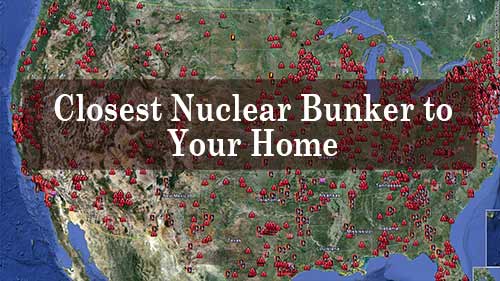
P.s. Do you know where the closest nuclear bunker is from your home?

There are a lot of natural nuclear shelters in the US that are absolutely free. And one of them is near your home.

Click on the image above to find out where you need to take shelter.

The post The Ultimate Hurricane Prep List For Survival appeared first on Skilled Survival.

They Said What? Here Are The 13 Nuttiest Quotes From Wednesday’s Democratic Presidential Debate

Are these really the best and brightest that the Democratic Party has to offer?  It was going to take a monumental effort to top Marianne Williamson’s level of craziness on Tuesday night, but on Wednesday there were several Democratic contenders that gave it their best shot.  Kirsten Gillibrand and Jay Inslee were particularly unhinged, and Joe Biden “repeatedly stumbled over numbers and phrases” during an incoherent performance that will be remembered for a long time to come.  The Democrats may have more than 20 candidates running, but none of them looks like a president at this point.  Perhaps that will change, or perhaps a stronger candidate will enter the race eventually, but right now Democratic strategists cannot be feeling too good about their chances of winning the 2020 election.  Of course Republicans are facing some very serious challenges of their own, but at least they don’t have to worry about a powerhouse candidate on the other side.

After what we witnessed on Wednesday night, there are several candidates that should simply pack up and go home, because their performances were downright embarrassing.  The following are the 13 nuttiest quotes from Wednesday’s Democratic presidential debate…

#13 Kirsten Gillibrand: “The first thing that I’m going to do when I’m president is I’m going to Clorox the Oval Office.”

#12 Jay Inslee: “Our house is on fire. We have to stop using coal in ten years and we need a president to do it or it won’t get done. Get off coal. Save this country and the planet.”

#11 Joe Biden: “Obamacare is working.”

#10 Julian Castro: “I don’t want to make America anything again. I don’t want us to go backward. We’re not going back to the past. We’re not going back where we came from. We’re going to move forward.”

#9 Andrew Yang: “We need to do the opposite of much of what we’re doing right now and the opposite of Donald Trump is an Asian man who likes math.”

#8 Kamala Harris: “What we need is someone who is going to be on that debate stage with Donald Trump and defeat him by being able to prosecute the case against four more years. And let me tell you we’ve got a long rap sheet.”

#7 Cory Booker: “We have a real crisis in our country, and the crisis is Donald Trump — but not only Donald Trump, I have a frustration that sometimes people are saying the only thing they want is to beat Donald Trump. Well, that is the floor and not the ceiling.”

#6 Bill de Blasio: “If we’re going to beat Donald Trump, this has to be a party that stands for something. The party of labor unions. This has to be the party of universal health care. This has to be the party that’s not afraid to say out loud we’re going to tax the hell out of the wealthy. And when we do that, Donald Trump right on cue will call us socialists. Here’s what I’ll say to him: ‘Donald, you’re the real socialist.’”

#5 Jay Inslee: “And number two — number two, we have to make America what it’s always been, a place of refuge. We got to boost the number of people we accept. I’m proud to have been the first governor, saying send us your Syrian refugees. I proud to have the first governor to stand up against Donald Trump’s Muslim ban. I’m proud to have sued him 21 times and beat him 21 times in a row. I’m ready for November 2020.”

#4 Andrew Yang: “Raise your hand in the crowd if you’ve seen stores closing where you live. It is not just you. Amazon is closing 30% of America’s stores and malls.”

#3 Cory Booker: “There’s a saying in my community that you’re dipping into the Kool-Aid and you don’t even know the flavor.”

#2 Kirsten Gillibrand: “I think as a white woman of privilege who is a US senator running for president of the united States, it is my responsibility to lift up those voices that aren’t being listened to. And I can talk to those white women in the suburbs and explain to them what white privilege actually is.”

#1 Jay Inslee: “We have one last chance. When you have one chance in life, you take it. Think about this. Literally the survival of humanity on this planet in civilization is in the hands of the next president. And we have to have a leader who will do what is necessary to save us. That includes making this the top priority of the next presidency.”

Sadly, it is quite likely that one of these individuals will be the next president of the United States.  That is quite a depressing thought, especially when you consider the path that this country is currently on.

Perhaps the most interesting moment of the night came when a group of protesters attempted to interrupt the debate

Protesters hit night two of the second Democratic presidential debate with a group of them removed Wednesday night after they demanded New York City Mayor Bill de Blasio fire Daniel Pantaleo, the officer who put Eric Garner, an unarmed black man, in a deadly chokehold in 2014, and a woman interrupted Joe Biden to chant about immigrants being deported.

‘Stop all deportations on Day One,’ read the large banner the woman unfurled in the hall of the Fox Theater while Biden and Julian Castro were debating immigration policy.

I think that we are going to see much more of this sort of thing in the months ahead, because anger and frustration are reaching a boiling point all over America right now.

This is likely to be the most chaotic election cycle that we have witnessed since at least 1968, and it isn’t going to be pretty.

I wanted to mention one last thing before I end this article.  Once again, we had a debate where Joe Biden got significantly more talking time than anyone else and Andrew Yang received the least.  The following comes from CNN

The second night of CNN’s 2020 Democratic debate just wrapped, and by the end of the night, former Vice President Joe Biden had the most speaking time, with 21 minutes and 1 second.

Sen. Kamala Harris spoke for 17 minutes and 43 seconds. Meanwhile, businessman Andrew Yang had the least amount of talking time, with 8 minutes and 38 seconds.

It probably won’t ever happen, but it would be nice to see at least one debate where there is a level playing field for all the candidates.

Certain candidates are clearly being pushed to the forefront, and others are clearly being marginalized, and we are just supposed to pretend that it isn’t happening.

Our political system is deeply, deeply broken, and it is getting worse with every election cycle.

Get Prepared NowAbout the author: Michael Snyder is a nationally-syndicated writer, media personality and political activist. He is the author of four books including Get Prepared Now, The Beginning Of The End and Living A Life That Really Matters. His articles are originally published on The Economic Collapse Blog, End Of The American Dream and The Most Important News. From there, his articles are republished on dozens of other prominent websites. If you would like to republish his articles, please feel free to do so. The more people that see this information the better, and we need to wake more people up while there is still time.

Survival Gear Review: Emerson Karambit Fixed Blade Knife

I don’t always carry a handgun. The reasons vary. If I’m not carrying, I still like to have something that will give me an advantage. I carry a folding knife for utility work (what if there’s cheesecake?), but needed something with a little extra pizazz, just in case.

By J. Bridger, contributing author to SHTFblog and Survival Cache

A small fixed blade knife fits the bill; it’s light, meaning I am more likely to carry it regularly. It takes up almost no space, so it doesn’t affect my mobility. The only downsides are the goofy knife laws. I can carry a katana and a Desert Eagle into Walmart, but a 3” fixed blade IWB is illegal? Whatever. The nerds who passed that law must hate cheesecake.

The Emerson Karambit is a solid contender for the perfect self-defense fixed blade. The only downside depends on your philosophy of use. The curved blade isn’t designed for bush craft or utility. Since I don’t intend to use it that way, it’s a non-issue. For those of you who prefer an EDC fixed blade to fill those roles, this knife may not be for you. I’m not here to debate the efficacy of fixed blades for self-defense. You think it’s a good idea or you don’t, fine with me! I contend it is better than nothing.

The knife is full tang and made of 154 CM. 154 CM is a high carbon steel with Molybdenum in the mix. It’s American made and has a hardness of 57.59 RC (reported by Emerson). It has good corrosion resistance (it is stainless, after all) and holds an edge well. It is a tough steel well suited for hard use. It comes in stonewashed or black Cerakote (like the one you see here).

Related: Neck Knives For The Masses

The handles are textured black G-10 epoxy. Five screws secure   them to the steel. They are thin (but comfortable) and offer good grip. There are 4 holes bored from the handle, two small and two medium size. These must have been done to balance the knife, because it handles well. One feature I think is important in a self defense knife like this is the finger ring. Holding this knife with the index finger through the ring gives you a positive grip and reduces the chance it will be dropped. Every time I hold this knife, I have an overwhelming urge to spin it. So far, I have resisted. (If I do ever spin it, look for an article about sutures). There are 3 finger grooves in the handle. It is designed for your index finger to reside in the ring, and your middle finger to fill the first groove. The final groove terminates seamlessly into the finger guard on the blade side. The guard at the back of the blade is reminiscent of Emerson’s wave feature. The back of the handle is smooth and narrows slightly where your pinky resides. The handle is curved slightly. Its evident that Emerson spent the time necessary to design an ergonomic and minimalist grip on this knife. Everything you need, nothing you don’t.

The blade thickness is 0.125” or 1/8th of an inch. I think this was a good choice. Any thinner would be too thin, and any thicker would be unnecessary. It boasts the classic Emerson chisel grind and is razor sharp. It is curved like a talon and has some smooth jimping right where you’d expect it to be. The point is very pointy. The blade length is 3.2 inches. What else can I say? It’s a razor sharp and well-made karambit. I haven’t needed to sharpen it, but it may take practice. This blade shape isn’t one I have any experience with.

The sheath is made of kydex and holds the knife securely. No rattle here! There are 3 eyelets on the blade side, and 5 on the other. It came with a Tek-Lok system. Some people love it, but it’s not for me. For a long time, I just ran paracord through the eyelets, which allowed me to carry it OWB with a super low profile. There are no sharp edges. I recently traded in my trusty paracord belt loops for a soft loop from Tulster. I love this thing. It was $10 with shipping and easy to put on. Now I can securely carry my knife IWB.

Also read: Tops BOB Knife Review

Carrying the karambit is a breeze. The thickness of the grip panels contributes to its ease of carry. Its light and I often forget it’s there. I like to carry it near my midline, so it’s accessible with both hands if need be. I usually carry it at about 1:30 or 2 o’clock, near my appendix. I can bend over or kick my leg up with no restriction in movement. The end of the handle is smooth, so it shouldn’t hurt you. If it had a glass breaker or something on it, bending over would jab you.

I love how simple this knife is. There’s no flashy bullshit here. It’s exactly what I would expect from Emerson: High quality, well thought out, and well made. The only thing I think may improve this knife is an edge on the back of the blade, just an inch or two. Now that I think about it, having a single blade probably makes a difference legally. Double edged “daggers” seem to have more restrictive laws. Oh well. They must hate cheesecake.

Emerson Fixed Blade Karambit Specs:

OAL: 7.6 in

Blade Length: 3.2 in, Chisel Grind

Blade Thickness: 0.125 in (1/8”)

Weight: 6.5 oz (With Sheath and Tek-Lok)

Steel: 154 CM

Price: $250

Disclaimer: Knife laws vary by state! Please research and be aware of your local laws!

The post Survival Gear Review: Emerson Karambit Fixed Blade Knife appeared first on Survival Cache.

How To Hunt Game Using Long Range Rifle Scopes

Written by Wild Bill on The Prepper Journal.

Editor’s Note: I know, Summer is hardly begun, some kids still have a long Summer breaks in front of them while some return to school this week; but the time to start preparing for the upcoming hunting season is upon us so this article from James Smith at PointOptics.com is timely in the overall scheme of things.

Nothing beats the feeling of stalking a game animal successfully. It’s the pay-off for rising before dawn, hitting the trail, and using the best equipment for the job. The devil is in the details when it comes to choosing the right rifle, scope, and ammunition. And when it comes to long range riflescopes, it is a crucial step in the stalking, sighting-in, and shooting process.

This is a comprehensive guide on how to hunt game using a long range rifle scope. It includes a breakdown of the five features you should look for in the long range rifle scope you use, and the best ways to hunt game with this equipment.

Features to Look for When Choosing a Scope for Your Hunting Rifle

When it comes down to selecting the perfect long range riflescope for hunting game, the process can get complicated. The many available options just end up muddying the waters sometimes. To help you get a better picture, there are five features to look for that will make this process much easier for you.

Magnification: Choosing the magnification capacity of your long range scope is half personal preference and half scientific algorithm. The most straightforward method of considering which magnification type is best for your hunting requirements is to work out the 1 x magnification per 100 feet (30,5 meters) of shooting distance.

For example, if you were sighting-in at 300 feet/91.5 meters, you would select the 3 x magnification setting on your scope. By using this scope selection technique, you will never be looking at a target that appears more than 35 yards/32 meters away. This viewpoint is a comfortable distance for the eyesight and brain to process.

Most game hunters sight-in at around 100 yards to 300 yards/ 274 meters in distance. It is for this reason that 3 x 9 power riflescopes are the most popular choice for most hunters. It’s the ideal range where most hunters like to take aim.

Ballistic Reticles: This long range scope feature is a relative newcomer to the hunting rifle scene. It provides additional crosshairs or aiming points in the available field of view. Once you have zeroed in your rifle sight picture, you can use the ballistic reticle feature on your scope for better aiming precision.

Ballistic reticles for hunting comes most typically in two formats: Minute Of Angle format (MOA) and mil-dot format. If you have a mil reticle, you will need to have mil-dot adjustments on your scope. Correspondingly, if you have a MOA reticle, you will need to have MOA adjustments on the scope. In that way, the adjustments you make with your elevation and windage turrets will coincide with the sub-tensions in the reticle. But more about that later.

Parallax Adjustment: A parallax is the position of the reticle on your target in relationship to your eye. The PA is a popular feature on bigger, higher magnification scopes because it allows you to dial out the parallax at a specific range so that what you see is what you get. It goes from zero all the way to infinity. If you have a 3 x 9 power scope, you probably don’t need this high-tech addition. However, if you have a 4 x 12 or 4 x 16 power scope, getting a parallax adjustment is a good idea.

First or Front Focal Plane Reticle: You used to find first focal plane reticles only in European manufactured riflescopes, but they have started to become more popular in other countries, and for a good reason. A first focal plane reticle allows you to adjust the magnification on your rifle scope, but the additional aiming points you have in the reticle will still be feeding you the correct trajectory compensation information.

A second focal plane reticle is different. The hash marks only typically match the trajectory when the scope is set at its maximum magnification capacity.

Fast Focus Eyepiece: One of the main benefits of this equipment is its user-friendly integration. It is yet another bit of European technology that is spreading across the Atlantic. It allows you to fine tune your interface with the rifle scope in real time. This saves on sighting and adjusting when shooting over long distances.

There are many things to consider when choosing a rifle scope, the size of the scope, the size of the game, and the shooting distance. But these are the five scope features that you need to have basic knowledge about.

The Anatomy of a Rifle Scope

Because riflescopes are fairly costly pieces of equipment, it makes sense to buy one suitable for your long range hunting rifle and the terrain over which you will be sighting in. It also depends on the company you keep when hunting outdoors as a group. If everyone on the team considers less than 100 yards/91 meters as fair game shooting distance, and you want to go after the more challenging targets, then you should change your hunting group, not your equipment.

The scope you choose should be at least 12 x top magnification, and 16 x is preferable. Higher magnification of 6 x 24 is possible, but finding a target at close range will be more difficult, especially if it is moving. The larger the magnification, the better the optics must be. It’s no good being able to zoom in when you can’t see a clear target in low light conditions.

When you mount the scope, it needs to be with the greatest possible integrity. Any movement in the tube or loosening of the mounting screws will turn your trip into a “one that got away,” saga. It is for this reason that a standard mil-dot or MOA reticle in front focal plane position is recommended.

Once you establish the perfect sight-in distance for each of the mil-dots descending from the center, the calculation won’t change. Even if the scope is set to 8, 22, or 16 x, the first mil-dot will be set at the correct distance. The same thing applies to windage turret calculations. When you have a front focal plane mil-dot, any windage (horizontal) adjustments are the same whether the scope variable is positioned at 10 or 16 x.

Your scope should hold up to the recoil of your rifle caliber as well. Taking this into account when choosing a long range rifle scope may limit your options, sadly, but it’s a vital component to getting the job done.

Mil-Dot vs. MOA for Game Hunting

Do your research before deciding on which system to use.

  • Stick to the measuring system with which you are most familiar
  • If you are more comfortable with metric, mil-dot may be the best choice, although the “mil” is not an abbreviation of millimeters
  • If you are shooting over shorter ranges, many hunters holdover using a reticle altogether
  • Long range riflescope accuracy should consider precision, calculation ability, and equipment cost

If this calculating is ruining your hunting experience, simply carry a dope card with you at all times. Once you are more familiar with your mils, you can give over using the dots and make super-fast shots without it.

Sighting-In

Proper shot placement for long range hunting is a very important factor. It’s not as simple as sighting-in your rifle so that the cross-hairs are dead-on at 300 yards/274 meters and pulling the trigger. That means the first mil-dot (see diagram) down would be dead-on at around 500 yards/457 meters.

The best way to illustrate this is by using a trophy object standing at a distance of approximately 300 feet away at a steeply inclined uphill angle as an example. When the rifle scope is zeroed at 300 yards, it is actually almost 4 inches/10 cm too high because of the shortening of the trajectory angle. The bullet’s pathway is 4 inches above the aim point, even though the game target was at 300 yards. The best calculation is to zero the target per 100 yards. The first mil-dot should be down dead-on at around 400 yards/366 meters and the second at 550 yards/503 meters. These adjustments will ensure that the bullet path will never be above your point of aim.

Depending on what caliber and bullet weight you’re using, most riflescopes will use this basic sight-in and trajectory. The bullet has a slight left to right arc at long range. If the windage turret is set at zero per 100 yards, this can veer as much as 7 inches/17 cm off target. Counter this by setting the windage at 550 yards on a calm day. The bullet will still be 1.5 inches/3.8 cm to the left of the target when shooting at 100 to 400 yards, but it will be dead to rights at 550 yards.

Remember, the more practice you get in making these decisions, the faster they will become second nature to you on the field. And that brings us to the crucial part of long range game hunting:

Taking the Shot

Before you take any shot over 200 yards/182 meters, make a few calculations in your head using the WAR acronym: wind, angle, and range.

Wind deflection calculations: Use a handheld wind speed calculator if mental arithmetic is not your forte. It will help you formulate the wind speed, angle of the wind, and how it will affect your trajectory. There are also some useful computer software programs to help you grasp the required compensations.

Angle: Straight down being zero, and level straight out being 90 degrees, if your target is approximately 65 degrees, your angle x range multiplier will be 0.8. The more hunting experience you have, the easier it will become to gauge the angle degree. A good handheld rangefinder will calculate and angle x range multiplier of 0.7 for a 45 degree target.

When to Take Another Shot

If you are using a spotter to let you know when you’ve made a marginal hit on the target, base your next shot on the information you receive from your spotter. If the first shot was a complete miss, but the trophy target is still unaware, make the necessary adjustments and try again. If the target is on the move, withhold shooting again until the target is stationary once more.

If you begin game hunting with an experienced crew, they can guide you to all the best places to sight-in. Someone can use the spotter, and point out any beneficial observations. Remember that once your spotting scope is deployed, you will be locked into that position for a while.

A few other hunting essentials are water or energy drinks, PB&J sandwiches (they don’t turn in the heat), granola bars, and jerky. Don’t forget to wear weather-appropriate clothing, and cover up with insect repellent if it’s bug season.

The only thing left to say is Happy Hunting!

Glossary of Long Range Rifle Scope Terms:

  • 1-inch tube: The erector tube of the rifle scope, most come in 1 inch diameter
  • AO: Adjustable objective. A type of parallax correction feature
  • Ballistic reticle: Incorporates many factors for correct point of aim
  • Ballistic turret: A feature of high-end riflescopes. Allows for more than one predetermined turret setting distance
  • BDC: Bullet Drop Compensation. The relationship between the fired bullet, target, and gravity
  • Clicks: the number of rotations of the turret adjustments
  • Duplex reticle: The most common style of available reticle with cross-hairs reaching the field of view edge
  • Elevation: The vertical cross-hair of the reticle
  • Fast Focus Eyepiece: Sighting and focusing technology from Europe that allows for a sharp, crisp image
  • Fixed Power: The magnification is fixed without varying high to low power settings
  • Holdover: Calculation using BDC technology
  • Light Transmission: The amount of light that’s collected by the objective bell and transmitted to the eyepiece
  • LR: Long range
  • Original Zero: The distance for which you have sighted your scope.
  • RS: Rifle Scope
  • Turrets: Used interchangeably to describe the knobs and dials that protrude from the scope
  • Windage: The horizontal cross-hair of the reticle.

Be Safe out there and be sure to check out The Prepper Journal Store and follow The Prepper Journal on Facebook!

The post How To Hunt Game Using Long Range Rifle Scopes appeared first on The Prepper Journal.

What Is The Best Caliber For Self Defense Shooting?

self defense shooting

Bullet selection is vital when it comes to self defense shooting

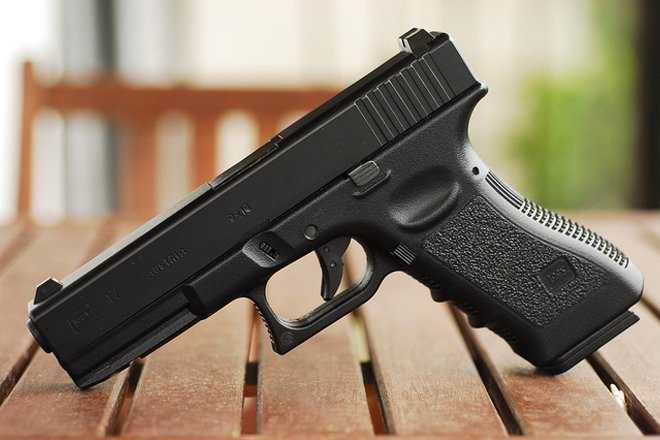
Few topics can light up a range-side or gun store discussion like handgun caliber. Most every long-time handgun owner feels strongly about one caliber or another being the best. When speaking of self defense use, the term “stopping power” almost always enters the discussion. Is there a best caliber for self defense shooting? This article looks at both professional opinion and conventional thinking to answer that question.

Lets talk primarily about the differences between two common choices for a self defense handgun. The 9mm Luger and 45, whether it be the ACP, Long Colt, or any other sub-category of 45.


What Is the Goal of Defensive Shooting?

To defeat a common myth from the start, self defense shooting does not have killing as its purpose. The sole purpose of a lawful self defense shooting is to stop the attack. Despite what movies and TV would lead us to believe, only one in six people who sustain gunshot wounds die. Also counter to typical media portrayals, a single round fired from any caliber handgun has less than a 25 percent likelihood of stopping an attack. Odds go up substantially—to about 63 percent—with two shots.


Bullet Selection

It’s important to distinguish defensive ammo—including hollow point, jacketed hollow point, and newer variants (HP)—from target ammo, typically with full metal jacket (FMJ) bullets. FMJ is made to penetrate in as straight a line as its speed and mass will permit. HP is made to expand in size, after impact with solid tissue, and sometimes fragment into smaller projectiles. The wider the expansion, the more dramatic the fragmentation under ideal conditions. I’m referring to a center mass shot on a typical 12-14-inch thick critter, whether two-legged or four. Miss slightly, and that round may sail through muscle and exit the other side, not even slowing down the subject.

Performance of the smaller calibers like 9mm and .380 ACP HP has come a long way in recent years. Loads considered insufficient for penetration of clothing and fat are better dialed-in for self defense shooting. Lots of shooters like 45 for the confidence-producing big hole it makes. But in some cases, this slower-moving projectile (typically around 850 feet per second as compared to in excess of 1,000 fps or more from 9mm), can produce less penetration and fragmentation.

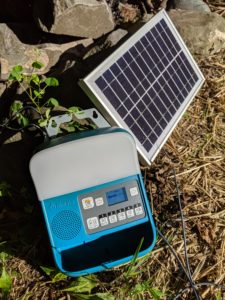
Handheld solar generator offers dependable backup power in times of need. 

It could be said that HP is a responsible selection of ammunition for the self defense handgun as compared to FMJ. The HP expends its energy on the first thing it meets. This bullet is less likely to sustain velocity and cause damage beyond the intended target.

A good strategy is to check out your ammo manufacturer’s website. Ballistic data can often be found on YouTube videos where some producers have gone to the trouble to re-create FBI protocol gel block tests.


What Matters More Than Caliber?

A handgun is a relatively weak weapon against a mammal like the typical human being. Permanently etched in my own memory are two grown men whom I met with in the emergency department in connection with my work, both of whom had been shot in the skull—one with 40 S&W and one with 9mm. Both had wounds that started on the side of the head and, rather than penetrating, the bullet had followed the curve of the skull until it got around the side, behind the ear, and simply went on its way. Both individuals had nothing more than minor scalp wounds.

Anyone who’s studied defensive shooting much knows that it is only a round through the brainstem or upper spinal cord that guarantees an instant stop. In all other cases, including an eventually round right through the heart, the continuation of the attack depends on the determination of the attacker.

Shot placement, followed by a sufficient number of rounds to deflate the assailant’s determination or physical capability, is far more important than caliber.


Decide What’s Right for You

I prefer to discretely carry something that offers more rounds in the gun, as well as an extra magazine. For me, navigating daily life, that means 380 or 9mm. While I admit there is greater “oomph” in the 40 and 45 loads, the former of which I carried for years and still do on occasion, it is my present and usual choice to carry something that holds more ammunition and is instantly accessible in my waistband.

When you’ve learned how your selected rounds perform in terms of expansion, penetration, compare that to your likely defense scenario.  Perhaps you live in a region where people wear heavy layers of clothing most of the year. Consequently, the .380 may not have sufficient penetration to be effective. Comfort will play a factor, as well. If you can fit your favorite 45 into a concealment rig, have at it. Many people can’t make that work. Choose something you’re confident about in terms of performance, as well as something that is wearable.

What is your favorite caliber for self-defense? Share your advice in the section below:

The post What Is The Best Caliber For Self Defense Shooting? appeared first on Off The Grid News.