
No products in the cart.

The 2026 hurricane season forecast is demanding action, and the first thing most people type into a search bar is: “Where can I find pre-packed hurricane season go bags for purchase?” It is a natural instinct to want a shortcut. But outsourcing your family’s survival to an online fulfillment center is a fatal error. Before you buy a cheap bag stuffed with expiring water pouches, you need to establish a PACE Plan: a Primary, Alternate, Contingency, and Emergency route out of your city.
Your evacuation route dictates your packing list, not the other way around. We are going to audit exactly what should be in a hurricane go-bag, which essential items actually keep you alive, and how to pack for gridlock.
What Should Be in a Hurricane Go Bag?
When families evacuate, we hear the same complaint every season: “we always overpack and can’t carry it.” This happens because people rely on generic checklists and try to stuff everything into a single bag. Instead, you must use the 3-Layer Storage Protocol. Separate your gear into three tiers: home staging, vehicle sustainment, and the on-foot go-bag.
Your heavy sustainment, like bulk canned goods and gallons of water, stays in the vehicle. If the interstate turns into a parking lot and you are forced to abandon your car, you grab the third layer: a lightweight go-bag containing only high-yield essentials.
10 Items Every Hurricane Go Bag Should Have

If you are forced on foot, your bag must contain these ten operator-level categories:
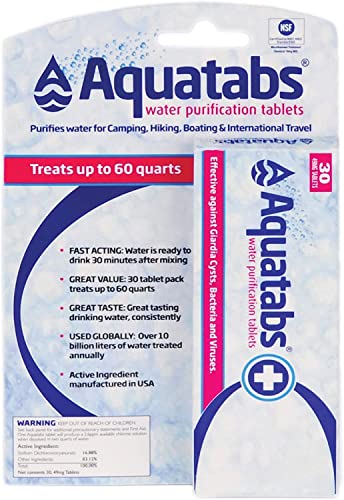
- Water Filtration: A reliable squeeze filter, plus backup purification tablets.
- Calorie-Dense Rations: Emergency survival bars that require zero cooking.
- Shelter/Warmth: Heavy-duty emergency bivvies, not cheap foil space blankets that tear in the wind.
- Fire Starting: Stormproof matches and a reliable butane lighter.
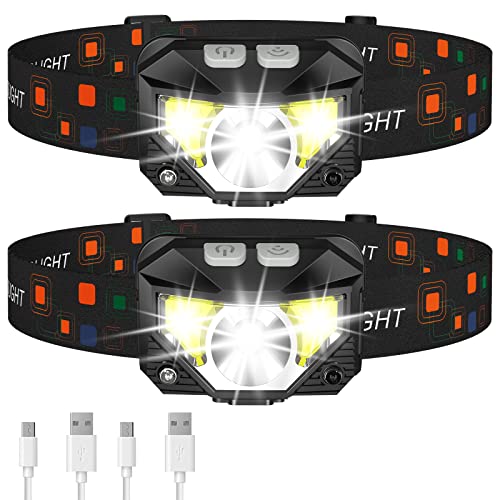
- Light: An LED headlamp to keep your hands free for managing children or tools.
- Power: A high-capacity portable power bank.
- Comms: A hand-crank or battery-operated NOAA weather radio.
- Navigation: A physical, waterproof map of your PACE Plan routes.
- Medical: A trauma-focused first aid kit (tourniquet, pressure dressings).
- Sanitation: N95 masks, heavy-duty contractor bags, and wet wipes.
I remember watching a neighbor realize their IDs were soaked through and their kids were shivering because their sleeping bags were uselessly wet. It’s a gut-wrenching feeling to be “packed” but not actually prepared. I’ve spent a lot of time reading through survivor stories and talking to people who’ve been through it in real life, and I’ve noticed these are the 4 items that almost always get left behind.
![Don't Die In The Woods - World’s Toughest Emergency Blankets [4-Pack] Extra Thick Thermal Mylar...](https://m.media-amazon.com/images/I/51VPHGI9Q8L.jpg "The 2026 Hurricane Go-Bag Essential Items")

Last update on 2026-04-24 / Affiliate links / Images from Amazon Product Advertising API
The 5 P’s of Evacuation
Let’s say you have your 10 essential items packed. However, a hurricane go-bag is only 80% of an evacuation strategy. The remaining 20% consists of everyday things you cannot pack in a closet six months in advance, like your daily medications or pet’s needs.
When the actual evacuation order hits, you’ll have a very narrow window to grab these final items. This is where the 5 P’s of Evacuation come in.
1. People (and Pets)
What it is: Your immediate family unit, your dependents, and your animals.
Why it matters: Life safety is always the absolute first priority. Property can be replaced; people cannot. Make sure every living thing you are responsible for is accounted for and secure before moving to the next step.
2. Prescriptions
What it is: Daily medications, medical equipment, spare eyeglasses, and pediatric needs (like asthma inhalers).
Why it matters: Pharmacies will likely be closed and local clinics overwhelmed. Having a backup supply ensures a manageable condition does not turn into an urgent medical emergency during an evacuation.
3. Papers
What it is: Physical and digitized copies of birth certificates, passports, property deeds, and insurance policies.
Why it matters: You’ll need physical proof to start rebuilding. When power grids fail and cell towers go down, you cannot rely on pulling up a PDF on your phone to verify your identity or insurance coverage.
4. Personal Needs
What it is: The logistics of moving. This includes cash (in small bills), weather-appropriate clothing, sturdy shoes, and cell phone chargers.
Why it matters: This sustains your family while in transit and keeps you self-reliant. Having cash on hand ensures you can buy fuel or supplies even if the local credit card readers are down.
5. Priceless Items
What it is: Hard drives of family photos, heirloom jewelry, or irreplaceable mementos.
Why it matters: It preserves your family history, but it comes last of the 5 Ps. If time is running out, leave them behind. Remember, no physical object is worth risking your family’s safety for.
Gear Deep-Dive: Reviews of Durable Backpacks and Electronics
Which Portable Water Filters Are Best for a Hurricane Go Bag?

Stop packing 20 pounds of bottled water in your backpack. Let’s look at the brutal math: One gallon of water weighs 8.34 pounds. A standard 72-hour supply for a family of four requires roughly 12 gallons. That is 100 pounds of water alone. You cannot carry this.
You must apply the 72-Hour Ziploc Constraint. Cut the liquid dead weight and pack high-end portable filtration, like a Sawyer Squeeze or Grayl Geopress, to safely process tap water or floodwaters while staying mobile.
Recommended Portable Power Banks for Emergency Use

Do not rely on a $15 novelty solar power bank that takes 80 hours of direct sunlight to charge a phone. You need tested chemistries. Look for portable power banks built on stable, reliable architecture specifically LiFePO4 battery banks.
How Do I Choose a Reliable Flashlight for a Hurricane Emergency Kit?
 Standardize Standardize your batteries. If your headlamp takes AA batteries, pick a weather radio that also requires the same type of batteries. Choose a durable headlamp over a handheld flashlight. In a crisis, you need both hands to carry gear, hold a child’s hand, or clear debris.
I’ve lived down here long enough to know those cheap, generic go-bags are going to fall apart the second a real storm hits. You don’t need to blow a fortune on military-grade stuff, but you sure can’t rely on a $15 novelty charger either. After years of field-testing, I finally found the sweet spot. Here’s the exact hurricane season gear that’s worth every buck.


Last update on 2026-04-24 / Affiliate links / Images from Amazon Product Advertising API
The Pre-Packed Trap: Where Can I Find Pre-Packed Hurricane Season Go Bags for Purchase?
While the search data clearly shows you want the convenience of buying a ready-to-go solution, pre-made kits are actually dangerous compromises. Most online stores that sell pre-made disaster kits build them for profit margins and not for your family’s specific needs. They stuff them with cheap plastic flashlights and heavy water pouches, which completely ruins your weight-to-speed ratio. During a gridlock, you cannot walk with a poorly balanced, 45-pound bag with zippers that tear on mile one.
To resolve this friction between convenience and reality, you must execute based on these criteria:
- If you refuse to build from scratch: Purchase the highest-tier pre-made base bag you can afford from a reputable survival company, BUT immediately strip out 30% of the useless gear. Throw away the cheap bandages and heavy water packets, and replace them with high-quality, tested essentials.
- If you commit to custom (Recommended): Build the 10-item list from scratch. Keep no family member’s pack above 15% of their total body weight.
Hurricane Go-Bag FAQs
Q: Can I just buy a pre-made hurricane go-bag kit that includes first aid supplies? A: You can, but relying on it is a critical mistake. Most commercial kits only provide a generic box of band-aids. Before you buy any trauma gear, you must run a 7-Point Medical Status Assessment on your family. Chronic medical collapse kills more people post-storm than flying debris. If you stockpile tactical tourniquets but ignore a preventable infection or a missing asthma inhaler, your priorities are inverted.
Q: What is the most important medical item to pack? A: A 30-day supply of baseline prescriptions. Your absolute first priority must be securing life-sustaining daily medications such as pediatric asthma inhalers, blood pressure medication, and insulin.
Q: How much cash should I pack in a hurricane go-bag? A: You need to pack a minimum of $500.
Q: What denominations of cash are best for an emergency? A: Keep your cash strictly in $10s and $20s. A $100 bill becomes completely useless when the power grid drops, the card readers are down, and the gas station register has no change.
QUICK POLL
Pre-packed hurricane go-bags are a marketing ploy. The items cannot sustain your family when the grid goes down. Agree or disagree?
Whatever you picked, defend it in the comments below.