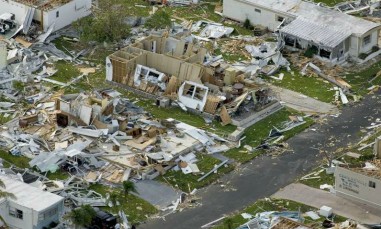
Survival Gear is the most unused product until a natural disaster happens, then it’s the most desired products, but usually too late to help those that really need the help.

We sell around the World, and pride ourselves on offering a level of customer service that we would want to see ourselves if we were shopping online.
Our product ranges change regularly, so we hope that you come back to our sites to see some of the fantastic offers that we regularly have.

Get In Touch

Why You Must Practice Off-Hand Shooting For Survival

off-hand shooting

off-hand shooting

The average range environment tends to box shooters into a situation that focuses more on safety than it does on developing the skills you need to survive a gun battle. The safety angle isn’t necessarily a bad thing. Most shooting ranges are designed to accommodate both the expert shooter and the first-time shooter who has never handled a weapon in his or her life. In order to accomplish this mission, ranges operate under a series of safety rules that prevent things like prone, crouching, or kneeling shooting positions as well as any sort of movement or deviation from the firing line. Drawing from the holster is usually not permitted, unless the shooter happens to be law enforcement. The net result is that range shooters will typically have an incredibly narrow and focused shooting ability that is far less tactical than their military or law enforcement counterparts.

While you may not have access to a shooting area that permits any of the above described alternate shooting positions, there is a segment of your shooting that you are probably not as well practiced at. The one that you can practice in any indoor range – off-hand shooting.


Off-Hand Shooting

Sometimes referred to as weak-hand shooting (as opposed to strong-hand shooting), off-hand shooting is simply shooting with your non-dominant hand; if you’re right-handed, this means shooting with the left hand, and vice versa. To some people, switching hands results in the feeling of the gun being totally new and foreign to them; the feel is different. The angle over the sights might even be different depending on how you normally hold the gun in your dominant hand. Everything about off-hand shooting is different when you try it for the first time. Everything of course, except the fundamentals of marksmanship, which remain the same no matter the hand or the weapon you use.


Off-Hand Shooting Fundamentals

It’s easy to say that the fundamentals of marksmanship remain the same no matter the hand you use, but it’s difficult to put into practice. Sight picture and sight alignment will be almost identical; same for breath control. Trigger squeeze, however, often presents a problem since your dominant hand trigger finger may have learned to gently but firmly squeeze the trigger over the course of thousands of trigger pulls, whereas your non-dominant or off-hand has no such experience.

Handheld solar generator provides power in emergency situations


So why should we even practice off-hand shooting in the first place?

  1. Because you have two hands. They should know how to do the same things as each other, especially with regards to firearms.
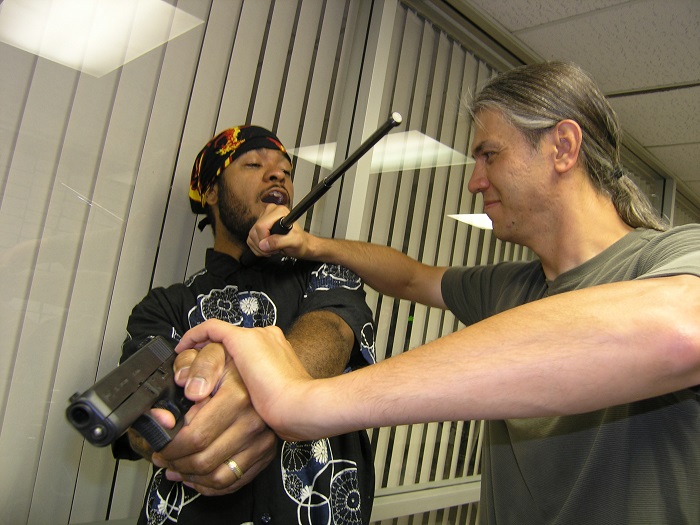
  2. Because in a firefight there is no guarantee that you will be allowed to use your dominant hand. Circumstances will dictate with which hand you will reach for that gun.
  3. Your dominant hand may become injured or unusable prior to or during a firefight.
  4. You may be forced to shoot from behind a barricade or obstacle that favors your weak hand. For example, if you are right-handed and lean up against a corner, and want to shoot towards your right side, around the corner. To expose yourself to the target the least, you will have to shoot with your left hand.

Off-hand shooting is a skill that must be mastered. Try it at the range by simply switching hands – it’s that easy! For handguns, most people will do just as good – or sometimes better – than they do with their dominant hand. This is because they tend to spend more time lining up the shot. They more careful than they would be with their dominant hand, and thus are just as accurate. The downside is speed; few people unpracticed in off-hand shooting can crack off as many rounds as accurately as they could while shooting with their dominant hand – but thankfully that changes with practice.


Rifles

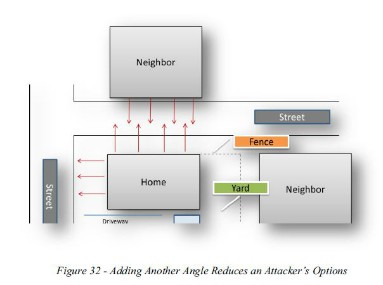
As far as rifles or shotguns go, the learning curve is a little steeper. You are holding the gun on a different side of your body than you normally would. A pistol held in the off hand is still in the middle of your body more or less. While a rifle is fully on the other side of your body than it normally would be. It’s like viewing your back yard from a neighbor’s house – the details are the same, but the viewpoint is different. Off-hand rifle shooting is a particularly useful skill for shooting around barricades that face the “wrong” angle and thus prevent you from using your dominant hand.

If you’ve never practiced off-hand shooting, consider picking up that handgun with the other hand. Or placing the butt of that rifle on the other shoulder. In doing so, you’ll pick up a new skill plus add a measure of versatility to your shooting.


The post Why You Must Practice Off-Hand Shooting For Survival appeared first on Off The Grid News.

Emergency Food for Pets

When preparing for disaster, it is necessary to consider our pets. When unpredictable disasters strike, it is not uncommon that thousands of animals are left behind or left to fend for themselves. Remember, house pets are not equipped for this kind of survival. Our furry friends have basically been spoon fed since birth. We have taken care of their every need, and we can’t expect that they will turn from lap pets to wild animals overnight. Preparing might be as easy as having an extra bag of dry food with you but that’s not the case for all pets. Consider their individual needs and current diets. Then get prepared for your animals by stocking up on food for them that can get you through a week, minimum. Here are some basic tips and foods that can give you a good start.

  • Be sure you can feed them for 1-2 weeks.
  • Food that can also be used for human consumption is ideal
  • Know your pet’s current digestive/health needs and adapt
  • Purchase dry nutrient powders for your pets to add to food or water
  • Consider purchasing a bin of freeze dried pet food

Cats

We suggest having a bag of dry food set aside, but some cats have dietary needs that will require you to have softer foods on hand. Aside from stocking up on wet canned food for cats, grab some bags or cans of tuna that are versatile and can be used for you as well. Cats love tuna and it is very nutritious, giving them lots of protein.

You should also have a bag of dry white rice that can be boiled. Mixing this with tuna is a great, nourishing option for both you and your cat.

Dogs

Dogs need vegetables and meat sauce. They tend to do better with richer grains so brown rice is a better option. We recommend having a bag of brown rice, dried meat such as a good quality beef jerky and freeze dried vegetables. With this, you have everything you need for nutritious and filling meals as long as you can boil some water and add these items to your cooked rice. The best part, man’s best friend can share this hefty meal. Again, a bag of dried dog food is also wise to have on hand, but consider the heavy weight as you make your survival plan.

If you have a variety of pets in your home, be mindful of the different needs and pack accordingly. Our animals deserve our preparation. Animals also need an adequate supply of clean drinking water, a food bowl and a cooking pot. Your beloved pets will be grateful for your extra planning when SHTF.

Home Defense Gun Storage: In 5 Different Rooms-Here’s Why.

Home Defense Gun Storage

When it comes to home defense, gun storage is very important. Know where your weapons are and how to access them.

While I may be a bit over the top with my home defense gun storage, I would rather be way overprepared than underprepared.

I’ve put a lot of thought into where weapons should be placed throughout my house. Each one is in a very specific location, and serves its own distinct purpose. The way that I have placed my weapons was based on a few different threat levels that I assessed. All total, I store weapons in five rooms.


Level One Home Defense Gun Storage

The first threat level that I considered was an immediate threat. To me, an immediate threat constitutes someone actively breaking into my house. In this situation, I would like a firearm easily accessible and ready to rock.

The weapon that is best in an immediate threat is a shotgun in the bedroom. I view the most dangerous situation to be someone breaking into my house in the middle of the night. I generally still have my daily carry weapon in my nightstand, so it’s easy to grab on the way out the door.  A shotgun permanently lives on the wall above my nightstand in a custom concealed weapon case. The reason that I decided to go with a shotgun in the bedroom is that I’m a pretty heavy sleeper, and in the event that someone is actively breaking into my house, I like the point-and-shoot ease-of-use of a shotgun.

The next weapons that I considered for use against an immediate threat are handguns. Handguns are kept in the rooms that I am most frequently in.  I have a revolver tucked away in my living room and in my kitchen. Similar to my shotgun, these are all concealed in some type of box or case that is easy to open.

Pocket Sized Solar Generator Provides Dependable Power In Times Of Crisis


Level Two Home Defense Gun Storage

To me, a secondary threat constitutes someone lingering suspiciously around my house or poking around my vehicles too much. It’s a situation where I’m not planning on immediately engaging a threat, but I’m getting the feeling that something is wrong and I want to be ready in the event the unpredictable happens. For a secondary threat, I want a handgun with a higher ammunition capacity near the back door and the garage door of my house, so that I can easily grab it and throw it in a sweatshirt pocket or the waist of my pants to see what’s going on. I conceal these in boxes on shelves.


Level Three Home Defense Gun Storage

The last threat level that I considered is the unlikely chance that I’m engaged in some type of firefight or a gunfight that moves out of the house. To me, these are the kind of weapons that can be tucked away in a closet or in a safe. It is not necessary for me to have them immediately accessible. In my situation, I have my AR-15 with three loaded magazines in my closet.


Safety First

Lastly, I will touch on safety. A headline we see all too frequently involves young children getting a parent’s weapon and accidentally harming or killing someone – perhaps themselves. Since I don’t have any children, I have absolutely no qualms leaving my weapons completely ready to go. Every single weapon in my house has a round in the chamber, with the exception of the AR. However, as soon as I do have kids, things will be different. I’ll still keep the magazines loaded, but I will refrain from keeping a round in the chamber. A habit that I will have to break is simply leaving my daily carry weapon on my nightstand. Weapons should be up high and even locked away where a young child can’t reach.

Like I said, I am probably over the top on home defense. I feel that being overprepared is far superior to being underprepared. My biggest concern when it comes to home defense is being adequately prepared to engage any threat that may face me or my family.

Where do you keep your guns in your home? And if you have children, how do you keep your weapons out of reach? Share your home-defense tips in the section below:  

The post Home Defense Gun Storage: In 5 Different Rooms-Here’s Why. appeared first on Off The Grid News.

Big Cities That Are Struggling With Hepatitis, Typhus, Mountains Of Human Feces And Millions Of Rats Are All Run By Democrats

Major cities all over America are being transformed into rotting, decaying, disease-infested hellholes, and it doesn’t exactly take a genius to figure out why this is happening.  Our actions are the product of our belief systems, and the major U.S. cities where the conditions are the worst are always dominated by a particular political ideology.  If the citizens of those major cities like the results that they are currently getting, then they should just continue to do what they have been doing.  But if they want real change, then those citizens are going to have to be willing to make fundamentally different choices than they have been making in the past.

Today, large cities all over the country are dealing with mountains of feces, millions of rats and horrific diseases that we once had completely under control.  Let’s start our tour in Philadelphia, where cases of Hepatitis A are starting to spread like wildfire

Philadelphia usually sees no more than six cases of Hepatitis A annually, said Abernathy. City officials count 117 confirmed cases this year to date, with more under investigation.

The Kensington, ground zero of the region’s opioid crisis, where many people struggling with addiction live on the streets, has grappled with poop on the street, in parks and on porches for years. Hepatitis A spreads primarily through contact with fecal matter.

“There’s so much human feces on the ground it’s unbelievable,” said Jacelyn Blank, a board member of the East Kensington Neighbors Association and the co-founder of the group Philly Tree People, which plans and cares for trees in the city’s many leaf-deprived neighborhoods.

It is difficult to read those words without being totally grossed out.

And in case you are wondering, Philadelphia has been run by Democrats for a very long time.

Another major city that has been dominated by Democrats for an extended period of time is Seattle, and it is yet another “liberal utopia” that has a “very serious poop problem on its hands”

A recent string of power outages reportedly sent at least 4.5 million gallons of raw sewage from wastewater treatment plants throughout Seattle directly into the crisp waters of Puget Sound, once again illustrating that this leftist-run metropolis has a very serious poop problem on its hands.

Whenever the power goes out in Seattle, it seems that all hell breaks loose at its sewage facilities, which end up polluting the otherwise pristine beaches and waterways of coastal Washington without prejudice. Even as city leaders maintain strict focus on plastic straws and disposable bags as being the biggest issues that Seattle faces, it’s all of this raw sewage that’s the real problem – and the one that’s not being addressed or fixed.

Further south, beaches in Los Angeles are being “completely overrun with fecal bacteria”.  Just check out what Dr. Drew Pinsky told Laura Ingraham during a recent appearance on her show

As Dr. Drew told Ingraham, small amounts of runoff in various places along the coast is normal, but there is now a consistent, recurring water contamination problem. He believes that the 60- to 80,000 homeless people defecating, urinating and bleeding directly into gutters on a daily basis is the major source of contamination. All that sewage and human waste makes its way into the L.A. River and Santa Ana River Basin, ultimately ending up in the oceans.

Dr. Drew noted:

“There is an organization out here called Heal the Bay which keeps tabs on safety of our beaches in Southern California, from Orange County to Ventura. Since the rains last Winter, [Heal the Bay] has been giving our beaches C’s to F’s, and F means completely overrun with fecal bacteria. What comes with that are other things like syringes, Hepatitis A and other infectious diseases.”

Not too long ago, I wrote an entire article about the struggles that Los Angeles is facing regarding the mountains of trash and piles of human feces that are seemingly everywhere, and these unsanitary conditions are being blamed for the sudden outbreak of typhus cases

Officials have not managed to explain why typhus is suddenly spreading in the area as nine cases have been recorded in downtown LA in the past two months. They are investigating the issue.

Several homeless people who live near City Hall have also contracted the diseases as human waste and trash litters the nearby sidewalks.

Needless to say, Los Angeles has been run by Democrats for a very, very long time.

San Francisco has been firmly controlled by Democrats for decades as well, and nobody has a bigger problem with human feces in the streets than they do

San Francisco’s escalating homeless crisis continues to impact thousands of residents across the Bay Area, with officials confirming they’ve responded to nearly 6,700 reports of “human waste” in the first quarter of 2019 alone.

But at least San Francisco doesn’t have as many rats as Los Angeles does.  Millions of rats are rampaging through the city as you read this article, and they are leaving their “droppings” just about everywhere

The city’s rodent population has now “exploded” into a serious public health risk.

“Rats are everywhere,” Niamh Quinn, Human-Wildlife Interactions Advisor with University of California, told KNBC Los Angeles in June. “And it’s just not acceptable to expose people to this amount of disease.”

After inspecting an area of LA’s Produce District, a shocked Quinn said: “I’ve never seen this many droppings, ever.”

Another Democrat-controlled major city that is making global headlines because it is so rat-infested is Baltimore.  In fact, things are so bad there that Animal Planet actually ranked it number 3 on their list of the “Top 10 Worst Rat Cities in the World”

“Baltimore’s rat problem is bad enough that at one point, rats tunneled so intensely beneath a particular area of pavement that when garbage collectors drove over it, their truck sunk up to its axles,” reported the TV network. “Rats in the vicinity took full advantage of the mishap and swarmed the truck, gorging on the garbage inside.”

The network listed Baltimore number 3 on the “Top 10 Worst Rat Cities in the World.”

And since we are talking about Baltimore, I also wanted to mention that Baltimore’s homicide rate is ten times the national average.  I have been to Baltimore many, many times in my life, and to be honest I am not too keen to go back any time soon.

But as bad as things are in Baltimore, there are many who believe that the rat problem in Chicago is even worse

The grand prize, however, must be awarded to Chicago. Topping Orkin’s list for four years running, the city is America’s undisputed rat king. According to a separate study conducted by the apartment search service Rent Hop, Chicago officials received more rat complaints than any other city in the country in 2017, observing a 55 percent increase over the three years prior.

By now, you have probably figured out what I am going to say next.

Yes, Chicago is run by Democrats and it has been for ages.

As I explained in my most recent book, bad beliefs lead to bad choices, and bad choices have unpleasant consequences.

If you live in a community that is deteriorating, the only way that things are going to turn around is if the people of that community start making better choices.

And the same thing can be said for the nation as a whole.  America has been making unfortunate choices for a very long time, and if we want to have any hope of ever turning things around, we have got to start making fundamentally different choices.

Get Prepared NowAbout the author: Michael Snyder is a nationally-syndicated writer, media personality and political activist. He is the author of four books including Get Prepared Now, The Beginning Of The End and Living A Life That Really Matters. His articles are originally published on The Economic Collapse Blog, End Of The American Dream and The Most Important News. From there, his articles are republished on dozens of other prominent websites. If you would like to republish his articles, please feel free to do so. The more people that see this information the better, and we need to wake more people up while there is still time.

Seven Deadly Prepper Sins

Editor’s note: if you enjoy this article, check out Doc Montana discussing this same topic in much more depth on The Survival Cache Podcast; find it here: Seven Deadly Prepper Sins

Recycling cans is good. But recycling faulty intel is bad. Yet so much of the general prepping information floating around includes recycled information based more on wishful thinking and popular fiction than on science and historical lessons.

By Doc Montana, contributing author to SHTFblog and Survival Cache

Common sense has its limits. Sitting in a comfy chair designing your post apocalyptic survival strategy can be entertaining, but play your scenario out further with all the grit of a real SHTF and you will quickly see that many prepper plans might be little more than lipstick on a pig. So here are my 7 Deadly Prepper Sins based on my observations while hanging out next to the recycling bin to see what people toss into it.

  1. SEARCHING OUT OTHERS WITH LIKE MINDS. Everyone can disagree about something. Spouses who have pledged their lives to each other still snap and growl over the smallest things. Even tight families blow up at each other over the holidays. So why would you want to shack up with or bug out with a bunch of people that you don’t plan on being able to disagree with? My point exactly. You should stock up on smart people, talented people, skilled people, strong people. Avoid those “yes men” who you think share the same values, purpose, and identity as you. Instead, you should be ready to make a community work with diverse ideas, skills, honest disagreements, and dare I say, democracy. But if you need a dictatorship of like minds to survive, then I’d give it a 50/50 chance of ending well for you and your clan without the likely intervention of competing clans. Under constant stress, I’d give a compound of like minds ten percent or less chance.
  1. HAVE PLENTY OF ITEMS FOR BARTER. I hear this all the time and cannot believe it’s still a thing. So much so that I’ve met preppers who have easily crossed the line from prepping to hoarding. Barter is fine when things are good, but barter at any other time is just asking to be robbed or worse. Now I’m not against bartering, but Doc Montana’s rule for Barter is simple: My skills for your stuff.  Or my skills for your skills. Once your own stuff enters the barter equation, you are on the losing end of the deal. Unless you are trading with a truly virtuous person, you will be considered a minor soft obstacle between your stuff and what someone else wants. And those truly virtuous will unfortunately be weeded out quickly by the black evil that will populate the WROL landscape.
  1. THERE WILL BE A NEW CURRENCY OF BULLETS OR SILVER COINS OR…. The simple brick wall that a new currency will hit is in the unknown quantity. The paycheck-to-paycheck prepper sees the small picture. But those with real assets will need to move wealth around in more than scrap gold or pre-1965 dimes. All hard assets will rapidly exceed the value to small pseudo-currency items. If we are to maintain an economy of scalable resources like housing, land, and employment, then there will be a need for large-scale asset movement. And boxes of .22 shells won’t cut it. Further, for a currency to work, it must have an agreed upon value that transfers between people. Paying a million dollars for a painting does not mean you have a million dollars of collateral. It just means in your personal economic sphere, you chose a painting over the liquid asset of a million dollars. It also means you now have a piece of colorful canvas that requires care and feeding if it is to reamass any value when we emerge from darkness. But until then, the currency of the future is limited to the need and imagination between any two parties at that specific moment in time. And as we’ve seen even today, people will trade anything to save a loved one’s life. And I’d argue that it’s impossible to negotiate fairly when one of the parties has an empty belly.
  1. STOCKPILE FOODS YOU ARE USED TO EATING. Recycled wisdom will have you believe that you should store food that you eat regularly. That way your digestive system and taste buds will be fine with eating on the run. This Bug Out Mistake is doubly bad. First, bug out food should be chosen on an entirely different nutrition philosophy than daily food. In fact, it is roughly the opposite. Your daily food intake should be a balance of fats, proteins and carbohydrates with a preference towards the freshest foods closest to their natural state. In other words not processed. Bug out food, on the other hand, is highly processed with a long shelf life, high in sodium, preservatives, and far from fresh. And if your current daily diet mimics bug out food, well then you likely have some dietary issues that will cause you more serious problems whether you need to bug out or not. Just sample your prepping food to know what you’re in for.
  1. COUNTING ON ONLY NINE MEALS FROM ANARCHY. The concept here is that civil society will only remain so as long as bellies are full. And after three days of no food, it will be game-on WROL. In reality, the WROL alarm clock will go off long before the pangs of hunger drive our reactions. More likely the flow of information or lack there of will push society over the edge. An EMP would cause near instant reaction, and not in a good way. The first unchallenged looting will signal the end of civility. And using recent history as a model, depending on the situation, it could be three days, three hours, or even three minutes to anarchy. So read the signs and jump the gun.
  1. Heating the bacon grease

    ENDING YOUR PREPS WITH THREE WAYS TO MAKE A FIRE. The mistake here is not in the number of ways to start a fire, nor in the selection of choices, but rather in the outright lack of ways to maintain a fire. Campfires are hungry beasts. Even a small fire requires pounds of fuel per hour. A cooking fire even more. So the focus on fire starting at the expense of continuous firewood processing is an oversight that can be deadly in more ways than one. The initial tinder of a fire is small and fast burning, but a mature campfire requires a supply of larger fuel that will only burn as efficiently as the wood is processed. Dragging a downed tree across the fire is hardly a smart play for controlling a bug out fire. So have on hand big tools including an axe, a bow saw, a hatchet. In fact add a splitting maul, splitting wedge, and sledge hammer if you are truly serious. Don’t forget the gloves!

  1. BELIEVING YOU ARE PREPARED. A common theme that runs through prepper-oriented advertising, and in fact the very word prepper, is the belief that you can be prepared. In reality, “prepping” is nothing but a continuum or spectrum of possible situations for which you have potential solutions. Of course you should work towards preparedness, but the deadly sin here is to reach a point of contentment where you now believe you have the means and skills necessary to survive your predicted scenarios. But here’s the catch: things on planet earth are actually quite good right now. If you’ve invested money, time, energy, and loads of thought into a project, it is easy to let that project drive your future decisions. Patiently waiting for a collapse, or hoping for a little economic or civil shakeup so you can go into active prepper mode is not only dangerous, but also unpatriotic. It means you have given up on the great American experiment. Any downfall might get your prepper juices flowing, but it will traumatize and terrorize children who are the next generation of leaders of this great country. Stockpiled preps should never be a comfortable excuse to burn down institutions that America built over centuries. Like a 250 year old tree, once you cut it down, the landscape is forever changed, and it will never be as good as it was. At least not for another few centuries. So prep with goodness in your heart, not darkness in your future.

While there is plenty of room for debate here with these 7 Deadly Prepper Sins, all seven are based in reality. Whether science, psychology, history or economics, we humans have amassed a great wealth of knowledge and personal predictability. Therefore imagining anything to the contrary is pure fiction simply because there is little evidence to support the recycled intel, and ample evidence to discount it. Oh, and stay tuned for my 7 Deadly Bug Out Sins.

What You Need to Know About the Medical Use of Steroids

Written by Wild Bill on The Prepper Journal.

Editor’s Note: Since their introduction steroids have received a lot of knee-jerk press, rumors and half-truths. While a complicated science, Kimberly Clark offers the following insight into their proper use. 

When I received my PSIA (Professional Ski Instructors Association) certification in Adaptive Techniques to work with the handicapped the toughest part of the training was learning about the meds my students might be taking. Knowing the last dose received before a lesson, knowing how long before a next dose was recommended, knowing the possible side effects of not only the medication itself, but the symptoms indicating the medication was wearing off, add to this the required first aid to be administered if a reaction occurred.

It could be life or death at 11,000 feet on a snow-covered mountain because you were the first responder, period. A microcosm of an EOTWAWKI where professional medical attentions might not be available or reachable soon enough.  Knowledge is power and I hope this take on steroids helps as it is complicated.

Medical steroids are designed to act like hormones to reduce inflammation. They’re also known as corticosteroids, and are different to anabolic steroids used by bodybuilders and athletes. That said, the graphic below show the confusion that can exist on the subject.


In a gist, steroids are human-made chemicals that mimic the natural functioning of hormones in the body. Ideally, they function like the hormones in the body whose purpose is to reduce inflammation. Though they are mainly manufactured for medical reasons, steroids, of course have also been used (or misused) to help athletes and body-builders to boost their body strength. However, other uses of steroids other than the medicinal uses are more often illegal (I will leave the discussion of professional sports vs sports as entertainment to others.) Though the steroids will not cure the inflammation in your body, they will help reduce swelling and ease the symptoms, that is an important distinction to understand, they treat the symptoms by inhibiting some of the bodies natural functions.

What Are Steroids, And When Should You Consider Using Them?

As mentioned above, steroids are human-made hormones that are introduced to the body to help solve various issues. Inflammation is one of the significant problems that you can solve through the use of steroids. Typically, inflammation is the body’s reaction to either injury, bacteria or infection.

To help fight the bacteria, the immune system produces some extra fluid to fight bacteria and viruses, thus resulting in swelling. For this reason, when you have cases where your body is reacting to such conditions, then you can take steroids to minimize the immune reaction.

There are different ways through which you can take steroids into the body. Some of these are:

  • Apply to the skin as a cream or gel- this helps reduce inflammation on the skin
  • Through the eye as eye drops – it helps reduce inflammation in the eye
  • Through the mouth as tablets or liquids – helps reduce inflammation throughout the body.

The time taken for you to notice a difference after taking steroids may vary depending on your condition, and the prescription administered.

Circumstances Under Which You Can Take Steroids

Like any other drugs, steroids have their side effects that may be severe under specific conditions. For this reason, you can find a situation where your doctor will advise against the use of steroids. For instance, in case you have wounds on your body, steroids may delay the healing process.

Additionally, steroids may negatively affect other medical conditions in the body, such as mental health issues, diabetes, blood pressure problems, or heart problems. Therefore, in case you have any of these conditions, you need to seek competent medical advice as opposed to reading WebMD and self medicating.

If you are a person who uses contact lenses, you will need to stop wearing  them and go to your glasses as a fallback, the glasses, while you are receiving steroid eye drops. If you have an infection on your skin, you will not be in a position to apply steroid creams or gel on the skin. Other skin problems such as acne, ulcers, and rosacea, among others, could also become complicated in case you use steroid creams in their presence. Therefore, ensure that you consult your doctor whether it is safe for you to use any steroid treatment to avoid future regrets, and always ask your physician if any of the meds he/she is prescribing is a steroid.

Taking Other Medicines Alongside Steroids and Vaccinations

Generally, you will come across drugs that you cannot take at the same time as they would cause some adverse reactions in the body. However, according to research, it is possible for you to take some steroids alongside other drugs. As with anything, there are medicines that could cause adverse reactions when taken alongside steroids. Therefore, before you start using any new drugs, ensure that you consult your doctor to make sure that you are on the safe side.

In addition, avoid other over-the-counter drugs when you are under a steroid dosage of a drug unless advised by your doctor. Concerning vaccines, for the whole time when you are using steroids, it is advisable to avoid the use of live vaccines; for instance, yellow fever vaccine. However, some of the vaccines will depend on the type of dosage that you are taking. In case you find it necessary to take any immunization, ensure that you do it before you start the steroid dose to avoid any infections. Be safe, always consulted a trusted medical professional.

Steroids and Fertility, Pregnancy and Breastfeeding

According to studies, there are some steroid tablets such as prednisolone that can be safe for use during pregnancy. When taken during pregnancy, steroids are more often than not used to treat flare-ups for expectant mothers. However, in case you are planning to get pregnant and are still using steroids, it is essential to consult your doctor about that.

When you take steroids while breastfeeding a small amount of the steroids that will get into the milk and be passed onto your child. However, there is no research showing any risks of such amounts to the baby, but do your homework.

Steroid creams are safe for use when you are breastfeeding. However, in case you apply the cream around the breast, ensure that you properly wash yourself before breastfeeding.

Having an Operation or Using Alcohol

In case you have an upcoming operation, it is advisable to quit the use of steroids. However, speak to your surgeon or doctor about it before you stop taking the steroids as some surgeries may actually need you to be under steroid medications prior to the actual operation. In other cases, all you may need to do is to change the dose before the surgery, as always, the doctor needs to manage this. Therefore, in case you are using steroid medication drugs such as Triazide, ensure that your doctor is aware of any step that you intend to take. Such drugs will help treat edema and control moderate and mild blood pressure, which are some of the conditions that may occur in the course of the operation.

Concerning alcohol, don’t. After you start using steroids, it is advisable to stop or minimize the use of alcohol. Additionally, avoid taking many units of alcohol at a go. Instead, spread the units across several days and have some alcohol free days. This will minimize the chances of a severe reaction between alcohol and steroids.

Conclusion

Steroids are practical and powerful drugs that you can use to help solve several medical conditions in the body. However, like in the use of any other drug, you need to understand their medical application to prevent any harm to the body when you take them. Use the information above to understand all that you need to know about the medical use of steroids.

Be Safe out there and be sure to check out The Prepper Journal Store and follow The Prepper Journal on Facebook!

The post What You Need to Know About the Medical Use of Steroids appeared first on The Prepper Journal.

5 Best Home Defense Shotguns For 2019

5 best home defense shotguns

The 5 best home defense shotguns can make ideal weapons because they are easy to control, shoulder-length, and effective.

Protecting your home is a Constitutional right. Now more than ever, people are exercising that right across America. That’s because there has been a rise in gang-related activity throughout the southeast coast of the United States. Due to this rapid growth in violence, the best way to exercise your 2nd Amendment right to protect your family is to get one of the 5 best home defense shotguns for 2019.

Why a shotgun for home defense? Shotguns are:

  • Easy to control
  • Shoulder-length
  • Effective

With 5,000 unaccompanied minors flooding in from Central America, the gang MS-13 has taken these lost souls under the wing. Now, crime has exploded from Northern Virginia all the way up to Boston. Let’s take a look at the 5 best home defense shotguns for 2019.


Mossberg 590A1

What makes the Mossberg 5901 so effective is that it is a military-grade gun. It comes with night-sight, which is ideal for those late night break-ins. You don’t want to accidentally harm your own family which you are trying desperately to protect.

Mossberg does have your family’s protection in mind as it has two extractors on the bolt. Also, the you can fix the ejector by just removing it with a screwdriver. So, there’s no need for a gunsmith.

Ergonomically, this is an easy gun to handle and maneuver around with. The slide release and safety are all within reach of the shooting hand. Shaving those seconds off the time it takes to save your family gets the Mossberg comfortably in the top five home defense shotguns for 2019.


The Classic Remington 870

In terms of sturdiness, the Remington won’t get nicked up and is less likely to become damaged than the Mossberg. This is due to the fact that the Remington is made out of steel. Whereas it’s peer in the top 5 best home defense shotguns for 2019 is crafted out of alloy.

That’s about where Remington’s superiority comes to a screeching halt. This gun only has one extractor. Additionally, the ejector is riveted. So, if it wears out, it’s not an easy fix.


Benelli M3

Okay, so we may have saved the best of the 5 best home-defense shotguns for 2019…for 3rd. The Benelli is a pretty sweet shotgun.  With just the twist of a ring, the Benelli M3 can go from a semi-automatic to a pump action shotgun.

When a troop of gang members are breaking into your home, this is a handy feature. The simplicity of switching back and forth can have a huge impact on your family’s survival from an MS-13 attack.

Benelli M3 is built to last. Moreover, this shotgun can also make for a nice family heirloom to pass down to the same children you have protected.


Hatsan Escort Aimguard

If you are looking for the best bang for your buck, then this is the gun for you from this list of 5 best home defense shotguns for 2019. It’s inexpensive but durable.

What’s nice about the Escort Aimguard is its easy-to-use for all family members. With either a 7+1 20-inch barrel or 5+1 18-inch barrel, it’s easy to maneuver for those with short arms as well.


Mossberg SPX 930

You can’t go wrong with the Mossberg name, as it pops up yet again on the list of 5 best home defense shotguns for 2019. It is an extremely reliable shotgun. Some of its most popular features are the sling swivels and Picatinny rail. These features make it easy to swoop into action and procure your weapon, especially if the MS-13 were to bring their havoc into your neighborhood.

The Mossberg SPX also has a low recoil. This is ideal for a middle of the night attack. If you are still a bit groggy and in a rush, having the kickback under control can help ease the stress of the situation.

Which Of The 5 Best Home Defense Shotguns For 2019 Is For You?

Now that you know what the top 5 best home defense shotguns for 2019 are, which is the best for you? First of all, you need to do your research. Things to take into consideration are:

  • Cost
  • Size
  • Comfort
  • Durability

Everyone’s needs are different. A single mother looking to protect her family needs a different shotgun than a retired man who might use it to go game hunting later. Whichever scenario is yours, you now have the 5 best home defense shotguns of 2019 to choose from.

You may also enjoy reading an additional Off The Grid News article: 4 Shotgun Accessories For A Better Home Defense

Or download our free 28-page report on the ultimate guide to extreme self defense: Survival Shotgun

What are some additional shotguns for home defense in 2019 that may not have made this list? Let us know in the comments below.


The post 5 Best Home Defense Shotguns For 2019 appeared first on Off The Grid News.

Best Hazmat Suit For Survival On The Market Today 2019

Hazmat SuitLet me guess…you’re searching for REAL answers to your SERIOUS questions about hazmat suits.

Why? Because there’s a ton of confusion surrounding these weird looking “suits”.

And a Hazmat Suit is not something you buy often – so you want to get it right the first time.

So, you must decide first, do you even need one, and if so, which one is best…

You need someone you can trust to give you some straight answers.

Hi – I’m Jack – I’m that someone, so let’s begin.

Here are just a few of the most popular Hazmat Suit questions we get:

Man In Tyvek Suit Cleaning Up A Contaminated RoomWHAT IS A HAZMAT SUIT ANYWAYS…?


Here’s the “official” (longwinded) definition provided by Wikipedia:

A hazmat suit (hazardous materials suit), also known as decontamination suit, is a piece of personal protective equipment that consists of an impermeable whole-body garment worn as protection against hazardous materials. Such suits are often combined with self-contained breathing apparatus (SCBA) to ensure a supply of breathable air. Hazmat suits are used by firefighters, emergency medical technicians, paramedics, researchers, personnel responding to toxic spills, specialists cleaning up contaminated facilities, and workers in toxic environments.

So, let’s untangle that complex web of jargon. Basically, a hazmat suit is a garment that, when worn, creates a barrier between you and the rest of the world. It’s as simple as that.

Why would you want a barrier? To protect you from any number of hazards, such as:

  • Chemicals Agents (i.e. chemical attack or warfare)
  • Biological Agents (i.e plague)
  • Nuclear Agents (i.e. fallout)
  • Fire/High Temps

You can even consider an astronaut’s space suit as a specially designed hazmat suit. Because space is not survivable without one!

And while the suit protects your skin, it won’t protect your eyes or breathe for you. So if you want to avoid breathing toxic air and protect your eyes – you’ll want to wear the hazmat suit with a quality gas mask.

Simple enough? Let’s move on.

As A Way To Introduce You To Skilled Survival, We’re Giving Away Our #78 Item Complete Prepper Checklist. Click Here To Get Your FREE Copy Of It.

HOW DOES A HAZMAT SUIT WORK?


Ok, now we’re getting into a topic that’s a bit more interesting…

Hazmat suits are typically made with special airtight, chemical resistant materials. Different materials are used for different hazardous scenarios. Some of the most popular “fabrics” are:

  • Teflon
  • Heavy PVC or Rubber
  • Tyvek
  • Insulating or Reflective Materials

These materials create a personal barrier of protection – individual isolation. They are made to be flexible, wearable, and mobile so you can move around and accomplish some tasks.

However, don’t expect to enjoy a yoga session in one or run a marathon. They are cumbersome to wear and tend to get warm inside as well because they DON’T “breathe”.

They’re not designed for comfort – they’re made to block all harmful molecules from coming into contact with you.

WHAT EXACTLY DOES A HAZMAT SUIT PROTECT ME FROM?


It depends.

Different hazmat suits are designed to protect you from different harmful environments.

So it’s important to understand which environment(s) a hazmat suit is made for…

For example:

A suit designed as a heat shield would be a lifesaver in a blazing fire but a very poor choice in a biological disaster. However, wearing a PVC based suit near a fire is just as bad (maybe worse) – it’ll melt!

So, donning the proper hazmat suit depends on the emergency circumstance at hand.

This is where the idea of Hazmat Suit Levels comes in. Suit levels were created by OSHA to match the proper suit with the danger. So, let’s go over each level in detail.

Level A

Level A is the ultimate in skin, eyes, and breathing protection.

For a suit to meet the Level A requirements it must include:

The key to meeting level A is the self-contained breathing apparatus. It must be fully contained within the suit. That’s why these suits, when donned, look so freaking enormous!

Sum-urtle? Is that you?

I think they look like a yellow sumo wrestler and a turtle had a baby…

These suits create complete separation between you and EVERYTHING else – even the air.

A passive air filtration gas mask is not good enough for Level A.

Instead, level A requires you to carry an air tank within the suit.

It’s the suits you sometimes see in the movies. The huge suits donned by frightened scientists who are meeting aliens for the first time. Or doctors tending to patients with deadly contagious diseases.

Level A is a suit that’s designed to take zero risks in contamination. They are the ideal choice when dealing with something hazardous and of unknown origin.

However, they are overkill for the common man.

Level B

Level B suits are like Level A suits with one notable exception – the breathing apparatus does not need to be fully encapsulated. Instead, you can wear it on the outside of the suit.

However, level B still requires an active air supply. Again, passive gas mask respirators do not meet level B’s requirements.

It’s also still necessary to wear steel toe boots and carry two-way radio communication.

However, even Level B is more than most people need to prepare…

Level C

This is the most common type of “hazmat suit.”

If you are looking to get a set of hazmat suits for your family – this is likely the level you will be purchasing.

Level C has most of the same protections as a Level B suit. But it does not require the same level of respiratory protection.

This is the level most suited for regular folks.

This hazmat suit allows you to wear a gas mask as opposed to an SCBA breathing mask/tank.

It’s a general-purpose hazmat suit to protect against Chemical, Biological, and Nuclear Agents. So that will be our focus for the rest of this article.

And the good news is – there are several airtight suits you can buy today. We’ll get to those shortly…but first.

As A Way To Introduce You To Skilled Survival, We’re Giving Away Our #78 Item Complete Prepper Checklist. Click Here To Get Your FREE Copy Of It.

WHAT’S THE DIFFERENCE BETWEEN A HAZMAT SUIT AND A RADIATION SUIT?


First off, protection from radiation is complicated. Why? Because there are two types of radiation to worry about:

  1. Ionizing radiation
  2. Particle radiation

And there are no known suits that can protect you against ionizing radiation (i.e. gamma rays, x-rays, etc.) However, a suit can minimize exposure to radioactive airborne particles (i.e. fallout).

Side note: standard protocol to protect yourself from ionizing radiation is a shield of concrete 6.6 feet thick or about 1.3 feet of lead… you need a building – not a suit – for that!

Ok, as far as a hazmat suit vs a radiation suit – they are essentially the same thing. They both create a barrier to isolate you from a hazardous environment.

SHOULD YOU INVEST IN A HAZMAT SUIT?


If you believe, as I do, in living a resilient life, then yes, you should invest in a hazmat suit. Ideally, you should have at least one for each family member.

Plus, a gas mask for each family member and two-way radio communication for everyone.

Why all this gear? Could it be an unnecessary expense? What are the odds of needing it?

You could read a ton of books about probability, statistics, and uncertainty. But history tells us enough to know that bad things happen. Sometimes really bad things happen. And modern technology is NOT helping to lessen the reach or reduce the impact…

So, you can either, bury your head in the sand and hope the lion does see you. Or you can take intelligent measures to reduce your exposure to future risks and hazards.

I’m squarely in the “resilient camp” – the ostriches are in the “fragile camp”.

THE BEST HAZMAT SUIT FOR SURVIVAL 


MIRA Safety HAZ-SUIT Protective CBRN HAZMAT Suit

Top Recommendation: MIRA Safety – HAZ-SUIT

The MIRA Safety HAZ-SUIT was designed to provide protection for a wide range of chemical, biological, radiological and nuclear agents.

You can order a suit in a variety of size options from children 4 years in age to large adults.

Also, they are proudly made in the U.S.A.

The fabric used for the HAZ-SUIT is a durable, lightweight film composite. It can protect you from over 125 different chemicals including CWA’s and TIC’s.

The fabric has been tested in a variety of storage situations for long periods of time. It shows no signs of degradation if stored in cool, dry conditions away from direct sunlight.

HAZ-SUIT List Of Key Benefits 

  • Available in a wide range of sizes (even young children)
  • Ideal for any and all civil defense applications
  • Same fabric materials used by professional first responders (and the U.S. Military)

Is this suit more expensive than other cheap disposable brands? Yes. But this suit is built to last and is one you can depend on.

Consider it an investment for a lifetime.

Check Out Today’s Price

Gas Masks

The gas mask is also an important investment when it comes to preparing for chemical, biological, or nuclear attacks. Because air is THE most important critical survival need.

Why a get a standard gas mask and not go all out with a full Self-Contained Breathing Apparatus? Cost.

SCBA’s are extremely expensive – click here to get an idea on the price.

The good news is – a quality gas mask is much more affordable. AND I also recommend MIRA Safety for your gas mask needs as well. They only sell the best gas masks with full face shields and quality NBC air filters.

One stop shopping and you’re protected for life (click on any image below to learn more about these products).

MIRA SAFETY CM-6M TACTICAL GAS MASK with Canteen CBRN GAS MASK FILTER NBC-77

Boots / Gloves

A hazmat suit is only as good as the boots and gloves you choose to go with it. But they don’t come with them – (i.e. sold separately). So here are the gloves I currently recommend:

Showa Atlas 772 M Nitrile Elbow Length Chemical Gloves

These hazmat gloves go up past the elbow – which decreases the chances of chemicals or toxins from breaching your hazmat suit.

They are tough nitrile coated gloves that will protect your hands and arms from chemicals, puncture, and abrasion.

Excellent protection with dexterity – what’s not to like?

ONGUARD 97591 Latex 12″ Hazmat Men’s Boot and Shoe Cove

For the most part, rubber boots are a commodity. Just make sure they fit your feet well and are reasonably comfortable.

These OnGUARd Latex Books work.

WRAP UP


Hazmat suits are one of those items people rarely buy until a really bad event starts to spiral out of control.

For example, finding a good hazmat suit was nearly impossible in the aftermath of the Ebola scare…And that incident didn’t even turn out to be much of anything.

What do you think happens if we have a legitimate chemical attack, a biological contagion or a nuclear explosion. These suits will be gone and you’ll be out of luck. 

The time to purchase items like there are when times are calm, otherwise, you’re going to pay a whole lot more or many can’t get any at all…

Remember: Prepare, Adapt, and Overcome.
“Just In Case” Jack

P.s. Do you know where the closest nuclear bunker is from your home?

There are a lot of natural nuclear shelters in the US that are absolutely free. And one of them is near your home.

Click on the image above to find out where you need to take shelter.


The post Best Hazmat Suit For Survival On The Market Today 2019 appeared first on Skilled Survival.

5 Best Survival Backpacks To Hold All Your Survival Gear

Survival BackpackWhat IS a survival backpack?

Well…it’s a backpack tough enough for survival – it’s as simple as that. And a backpack is just a durable container, for your gear, you take everywhere.

Because in an emergency, there’s nothing better than having the right tool for the job.

And nothing worse than having to make do with the wrong tool…

Why? Because your odds of success are significantly better with the proper gear.

Sure, expert survivalists can often make do with what nature provides. Bushcraft can come in handy.

But carrying survival tools like a tactical knife, paracord, a Ferro rod, and a compass are difficult items to “craft” under duress.

So what’s the best way to ensure you always have the right survival tools nearby?

There’s only one way I know of – carrying a survival backpack.

My survival backpack allows me to carry all my emergency gear and tools just about everywhere I go.

But the choice in survival backpack matters – A LOT.

With so much riding on your pack, it would be an epic shame to grab an old cheap back-to-school book bag you had laying around in the back of a closet. Sorry Jan Sport, your bags are wimpy…

If the survival backpack you choose isn’t up to the challenge of constant use and abuse, you could be risking it all! 

And the process of selecting a quality survival backpack is not as easy as it seems. You need a tough, durable, survival backpack (a.k.a. a tactical backpack). One made to withstand the rigors of difficult terrain and dangerous conditions.

So, it needs to be insanely reliable, extremely comfortable, and easy to use or it’s going to slow you down.

So today, we’re going help you find a legitimate survival backpack by covering the following topics:

As A Way To Introduce You To Skilled Survival, We’re Giving Away Our Ultimate Survival Gear Checklist. Click Here To Get Your FREE Copy Of It.

tactical pack on a table with assault rifleWHAT TO LOOK FOR IN A SURVIVAL BACKPACK (a.k.a key features)


Trust me, it’s an overwhelming experience scrolling through hundreds and hundreds of packs. There IS such a thing as TOO many choices – it’s called Analysis Paralysis

And what’s worse is most survival backpacks look similar in appearance.

How can you tell a quality one from a crap one? Seriously – they all look so cool!

Sure, there’s the occasional attempt at a unique feature here and there. But for the most part, they’re carbon copies of each other.

And when someone comes out with a new “unique feature”, how do you know it’s not just a bunch of hype? How can you tell if it’s worth spending the extra money for the latest backpack gimmick?

The bottom line is:

Sorting through all the options to find a survival pack you can trust is a daunting task. You need a way to quickly filter down your options – fast.

That’s why I recommend starting with key features.

So, let’s go through the critical features to help make your decision a bit easier.

Size Does Matter (avoid going too big)

The most crucial aspects of picking the right survival pack for YOU is the size.

I’m not talking about how it fits (we’ll get to that later) but rather how much stuff can it hold. Packs are usually measured in volume, with units of either cubic inches or liters.

This number helps to compare different packs and get a sense of how much gear it should hold.

However, they measure this by filling every pocket of the pack with small plastic beads. Every nook and every cranny with small plastic beads. They do this until the whole thing looks like an overstuffed beanbag.

Then they dump all the beads out into a measuring container. This gives them the total volume of the pack. All without having to measure the internal spaces of each pocket individually.

Of course, your gear doesn’t pack as tightly as those little beads do. So you’re left with some empty spaces here and there around oddly shaped items.

However, it’s worth the time to try to reduce that empty space to get your load as compact and efficient as possible.

While your first impulse might be to get the biggest and largest pack you can find, that’s a terrible idea.

Even if a giant pack allows you to add every survival tool known to man, YOU HAVE TO CARRY IT. Unless, of course, you can afford to hire a golf caddy to haul all your survival gear around? Otherwise, YOU’RE the mule.

How far do you think you could really walk with a 100 lbs pack on your shoulders? If you cut down your gear to the essentials, how much space will that take?

I’ve found that the 30-40 liter range is about the perfect survival backpack for me. No, that’s not massive but it’s light and comfortable! So I’m very deliberate about what goes into it. I don’t take everything but what I do take, goes with me nearly EVERYWHERE.

You see, the problem with heavy survival backpacks is they suck to haul around. So naturally, after about 2 weeks of wearing it daily, you decided to take a day off. Leave it at home just this once…

Then you realize how nice the break was and take another day off. Then one day you realize you haven’t taken your pack with you for 6 months!

BUT, with my lighter pack, I’m able to hike all day through rugged terrain and still have plenty left in the tank. I’m also able to get through small spaces without snagging the pack on branches and rocks.

That kind of maneuverability is important. Especially if you’re trying to make good time, save energy – or when you’re in fight or flight mode.

So do yourself (and your back) a favor – keep it reasonable – keep it nibble – keep it light.

Comfort Startings and Ends With Padding

When I hear the word “comfort” I cringe. I can’t help it. Being a self-reliant and resilient human is the exact opposite of “extreme comfort”. Being resilient is all about intentional challenge and purpose.

But today I’m not talking about obscene societal comforts and luxuries – such as day spas, conditioned air, and motorized sofas (a.k.a cars).

When it comes to survival backpacks comfort should rank high on the priority list.

Why? Because if it fits properly and comfortably it will reduce discomfort and distraction. That way you’ll be more focused on the task at hand.

Pack comfort helps to increase endurance and speed by avoiding frequent overload and adjustment stops. So in this instance comfort is a REAL tactical advantage.

Get a pack with well-built and generously padded shoulder straps. Your shoulders are the main point of contact between your body and the pack, so they’re pretty freakin’ important.

If you ignored my advice about size and weight – and your backpack weighs over 40 lbs – make sure you get a pack with hip straps as well. That way, most of the weight of your pack should ride on the hip belt.

These hip straps transfer the load directly to your legs instead of your shoulders.

But, that’s only for heavier packs. For lighter survival packs, which I recommend for daily use, a good set of padded shoulder straps is more than enough.

Just make sure the shoulder straps have good risers.

Risers, you ask? That’s just cool-kid lingo used by pack manufacturers. Risers are the adjustment straps above your shoulder. They help to keep the pack snug and close to your back for better balance.

An adjustable sternum strap across your chest is also a nice comfort bonus. This prevents the shoulder straps from sliding out and pulling back on your arms.

For women, contoured shoulder straps can be a lot more comfortable. Women often need a bit more space around their chest area – so keep an eye out for women’s specific packs. They’re harder to find, but sometimes you can swap the straps from another pack.

Closeup view of closed zippers on a bag.Throw It Down A Cliff And It Survives Cuz It’s Tough As Hell

All design features are pointless if the pack falls apart at the seams.

You want:

  • High strength webbing straps
  • Heavy duty zippers
  • Abrasion-resistant materials
  • Double stitching in key locations

YKK “self-healing” zippers are an industry leading standard. I’ve never had one blow out on me, even on packs I’ve had for over 30 years.


Cordura and ripstop nylon are great choices as well.

While I love lightweight silicone coated nylon, this isn’t the proper application. It has lower resistance to abrasion, punctures, and tears – not good enough for survival.

Waterproof materials are nice, but I’ve never seen a pack that didn’t leak. I’d rather save the money on “waterproof” and invest it somewhere else in my kit.

A durable pack with a heavy-duty trash bag as a waterproof liner is a far more cost-effective option. Plus, you can swap in a new trash bag liner if yours ever starts leaking.

BackpackQuick Retrieval Systems (a.k.a small exterior pockets)

There just might be more unique pack pocket layouts than there are manhole covers in New York.

Recently, it’s been like an arms race between manufacturers. It seems like the one who can add more special pockets than anyone else wins.

Sure, I appreciate additional organization – but to a point. It’s getting out of hand.

Remember, each additional pocket requires more material and more zippers. This adds up to more weight. Unnecessary pack weight is a bad thing – just ask your back – it agrees!

So instead of a pack with 30 different pockets, look for one with:

  • 1-2 main compartments for clothes, freeze dried food, and camping gear (tent, sleeping bag, etc)
  • a few medium pockets for things you “might” need during the day while hiking
  • a couple of small pockets for those easy to lose items

I’m a fan of a few strategically placed small pockets. Either directly on the hip belt, on the shoulder straps or near the top of the pack.

These provide a place to stash small items while on the move. Yet keep you from having to take the pack off to get to them.

A lighter, a knife, some sunscreen, snacks, a compass, and a topo map live in the small exterior pockets.

If you carry a gun, stash a few rounds of extra ammo in an exterior pocket for quick, easy access. You can’t afford to go rooting around the bottom of your pack to reload mid-combat!

MOLLE and other exterior mounting systems have a place here as well. They provide easy attachment points for all kinds of items. They allow you to expand carry capacity and customize your pack.


However, keep in mind – exterior items are easy for others to see. So you might want to keep your loaded pistol in a concealed pouch.

Also, exterior items tend to catch on branches and other obstacles and are easy to lose if knocked loose.

Sawyer Mini Inline Water Filter 1

Hydration System

Thirst Quenching On The Go? – Yes, Please

A hydration system can be a huge timesaver while on the move. Most can carry 2-4L of water in a flexible plastic bladder.

You drink from the bladder via a hose, eliminating the need to carry a separate water bottle.

Place the bladder in the center of the pack, right against your back. This provides the best load distribution and balance.

Of course, be sure to keep any sharp objects away from the bladder. If you pop a hole in it, you may not know about it until it’s too late. Like when you eventually feel the water dripping out the bottom of your pack and soaking everything inside.

One cautionary note – water bladders are plastic so, obviously, you can’t boil water in one. So you might want to stash a small single walled stainless steel water bottle – in case you’re forced to boil water to purify it.

As A Way To Introduce You To Skilled Survival, We’re Giving Away Our Ultimate Survival Gear Checklist. Click Here To Get Your FREE Copy Of It.

HOW TO FIND THE PROPER SIZED PACK FOR YOU


Like clothing, packs come in many sizes to fit many different body types – from Xsmall to XXlarge. Picking the correct size is a crucial step to making sure the pack fits properly and is comfortable with a load.

Packs sizes are determined by torso length. A measurement of the distance from the base of your neck to the small of your back.

Have someone use a flexible measuring tape. Start at the large vertebra at the base of your neck to the top of your hips.

When you’re looking at packs, check the sizing and find the one that best fits your torso length.

Most packs come with adjustability built-in. Usually by changing the mount points of the hip belt and shoulder straps to fine-tune the fit.

row of images combat bagTHE BEST SURVIVAL BACKPACKS ON THE MARKET TODAY


Here are a few of the best survival and tactical packs we’ve found on the market.

They represent a wide range of prices and options. But each one has some great features and might be the right one for you.

1 – EVATAC Combat Bag

evatac combat bagThe EVATAC™ Combat Bag is a badass bug out bag and an ideal pack for anyone serious about putting together a legit tactical backpack.

It’s the pack that our founder (“Just In Case” Jack) personally owns and wears.

It’s constructed of 600D Polyester which makes it tough as nails.

The Combat Bag’s zipper and clips are heavy duty and long lasting.

The padded shoulder straps make carrying this bug out bag very comfortable and there is a chest strap that can sinch this bag down tight to keep it in place if/when you need to run.

There are a total of 10 compartments that can help keep you and your survival gear organized. By the way, these compartments are waterproofed to keep your gear dry.

There’s even a padded compartment that can fit a laptop or other sensitive gear.

The best news is that, at the time of writing, this tactical backpack sells for a fraction of the price of similar bags.

Interested? Check out my detailed review of The Combat Bag by EVATAC:

2 – 5.11 RUSH 12/24/72

A huge name in tactical gear, 5.11 makes some of the most popular survival backpacks out there today.

The Rush family of packs (Rush 12, Rush 24, and Rush 72) are burly, well thought out, and completely bombproof.

They cover a wide range of sizes (both in volume and in torso length). It can handle just about any situation – short of an expedition to Everest.

Of course, this type of quality doesn’t come cheap!

3 – Reebow Gear Tactical Military Tactical Backpack

On the other end of the price spectrum, The Reebow Gear Tactical is a basic pack with some great features. It includes MOLLE webbing, durable fabric, and a simple pocket layout.

Some reviews mention the straps falling off. But you’re supposed to double them back through the buckles which seems to be confusing people.

If you need an inexpensive pack to serve as a bug out bag or evacuation kit, this might be perfect.

4 – Condor 3-Day Assault Pack

The Condor 3-Day pack lands between the 5.11 and Reebow packs.

It’s a bit more complex than the Reebow and priced accordingly. Yet it’s not the expensive bomb shelter that 5.11 makes.

It’s a solid, well-built pack with a large main compartment.

If it’s not full, that single large compartment can be a little floppy and shapeless. But you can manage that with the compression straps.

The internal straps help keep gear in place while on the move. The MOLLE webbing allows you to add anything you want to the exterior panels.

5- Gearrifc Pre-Loaded Survival Backpack

Of course, if you don’t already have any survival gear, you could look into a pre-packaged kit that includes a pack.

These are very basic survival kits but serve as a good base on which to start your collection of gear.

And if you’re in a serious rush, and cannot afford to spend the time building your own bag, then it’s better than nothing!

Just keep your expectations in check on the quality of the gear.

GEAR YOU SHOULD PUT IN A SURVIVAL BACKPACK


OK, here’s the deal. We’ve covered the gear to put into different bags several times before – actually a lot of times before.

So instead of rehashing the same lists again, I’ll just refer you to a few of those high-quality articles:

So as you can see, we’ve covered this topic a lot and I’m not keen on regurgitating the same info again here.

So if you want advice on what to add to your survival backpack, choose a few of the ones above and you’ll be good to go!

WRAP UP


Choosing a survival backpack is no easy task.

This investment will contain most of your critical survival gear, so don’t skimp. Get the most durable and comfortable pack you can afford.

Then you’ll find you’re much more prepared to face the challenges of an emergency situation.

Jason K.

P.s. Do you know where the closest nuclear bunker is from your home?

There are a lot of natural nuclear shelters in the US that are absolutely free. And one of them is near your home.

Click on the image above to find out where you need to take shelter.


The post 5 Best Survival Backpacks To Hold All Your Survival Gear appeared first on Skilled Survival.

CNN Article Says Intel Agencies Are Recruiting Teens In High School

This article was originally published by Aaron Kesel at Activist Post.

A recent article in CNN tells the tale of teens whose friends think they are spying on their phone conversations because they work for the National Security Agency (NSA) at the complex at Fort Meade in Maryland.

CNN expresses that three 18-year-old teens who graduated from high schools in Maryland — Summer, Brianna, and Simon —  are among more than 150 high schoolers in a work-study program at the NSA. These students are then given TS/SCI or Top Secret security clearance access to U.S. secrets.

“Recruiters at the NSA (and other intelligence agencies, like the CIA, have similar programs) know that when it comes to hiring smart, driven, STEM (Science, Technology, Engineering, and Math)-minded young people, they are competing with the flashiness and deep pockets of Silicon Valley. So, they aim young and try to dazzle the teens with the work, rather than the paycheck,” CNN wrote.

CNN tries to give lightheartedness to the subject but fails to address the concern about giving teens the responsibility of handling such highly classified information and the other problem at hand. The fact that teens in schools in Maryland and possibly elsewhere are being taken into the NSA and brainwashed into working for the establishment while attempting to balance their studies. The NSA and agencies alike also use the Web, social media and job fairs to recruit students. Although, some of the students filled out a long application on intelligencecareers.gov.

“Once they’re here they get that sense of purpose from what they’re doing every day and they see that they can do things here that they can’t do anywhere else,” Courtney, an NSA recruiter told CNN. (Her last name withheld for security reasons.)

“We want to get them in and get them hooked early to the mission so they can have a long career here. There’s more emphasis now on student programs than I think there’s ever been to try to get them when they’re young. Get them hooked young,” Courtney added.

According to the article, the students are required to intern and go to Fort Meade every summer during college; in exchange, the NSA pays a year-round salary and guarantees them a full-time job at the NSA when they have finally graduated.

CNN’s article paints the NSA as a fun job experience while ignoring the absurd constitutional abuses that were exposed by NSA whistleblower Edward Snowden. In fact, the piece reads like a promotional press release for the NSA.

Snowden quickly rose to prominence in 2013, after leaking classified information on widespread warrantless NSA surveillance programs like XKeyscore and PRISM to The Guardian and The Washington Post. In fact, the first Snowden leak was a FISC order issued to Verizon under Section 702 that required the company to turn over all of its calling records to the NSA.

FISA was enacted in 1978 as a response to illegal domestic surveillance operations revealed by two Senate committees in the 1970s, including President Richard Nixon’s use of federal intelligence agencies to monitor his political opponents. It was brought into law “to authorize electronic surveillance to obtain foreign intelligence information.”

The law requires the government to obtain a warrant from the Foreign Intelligence Surveillance Court before setting up an electronic or physical wiretap targeted at foreigners and foreign agents. However, that law is not always followed.

Congress amended FISA in 2007 to let the government wiretap communications that either begin or end outside the United States jurisdiction without Foreign Intelligence Surveillance Court (FISC) approval; in a stronger 2008 overhaul, they further limited that power to non-U.S. persons. The last reauthorization of the Act was in 2012, which set the current expiration date of Dec. 31, 2017.

The FISA law has long been criticized by privacy and civil liberties advocates like the EFF who say the order allows broad, intrusive spying without oversight. The section first gained renewed attention following the 2013 disclosures by former National Security Agency contractor Edward Snowden that the agency carried out widespread monitoring of emails and other electronic communications through PRISM, XKeyscore, Upstream, and other NSA surveillance programs.

Activist Post covered XKeyscore and PRISM in extensive detail when the revelations happened. XKeyscore, which in 2008 was on 750 servers on 150 sites around the globe, served as the point of entry for most of the information that was collected by the NSA.

NSA agents would easily be able to gather information using XKeyscore’s system the operator could then trawl through billions of emails and online chat sessions, or check sites visited by specific computers by using IP addresses.

It’s worth noting that this author recently wrote an article on Palantir, the company that was accused of providing the technology that enables NSA’s mass surveillance PRISM. In that article, we went into extensive detail about Palantir’s history as a company and the development of software used at Fusion Centers across the U.S.

Some of the other programs that Snowden leaked include the following – MUSCULARCO-TRAVELERDishfire, and Tailored Access Operations.

Snowden has recently announced a new forthcoming memoir called Permanent Record, due out in September, which will tell all his secrets. Snowden has also released a YouTube ad for the book and stated that he would begin exposing social media surveillance of Facebook, YouTube, and Instagram, as Activist Post reported.

As a free society, we can only hope that these students involved in the NSA programs will do the same as Edward Snowden and whistle-blow if they encounter abuse of civil and privacy rights.